

 プレビュー
プレビュー
 プリントを購入
 シェアする
シェアする シェアする
シェアする
 詳細を見る
詳細を見る

 ダウンロード
 似ている作品
 X線調査
X線調査 スライドショー
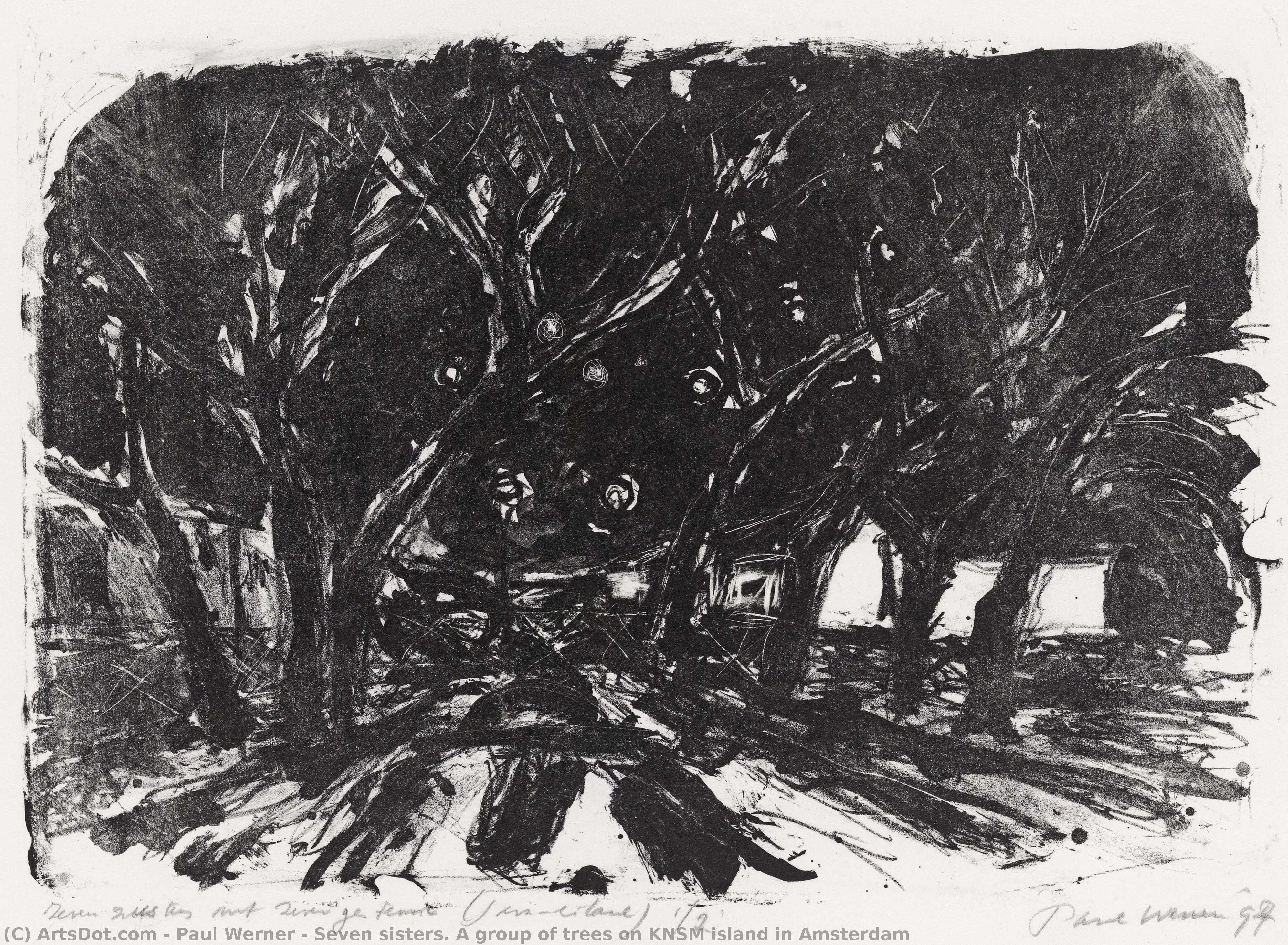
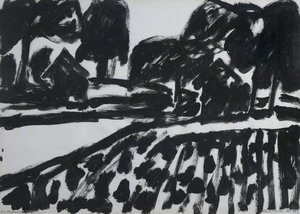
Seven sisters. A group of trees on KNSM island in Amsterdam
 Contemporary Realism
 1997
1997 27.0 x 35.0 cm
 詳細を見る
詳細を見る
オンラインプレビューをはるかに凌ぐ、高解像度で鮮明なデジタル画像をご購入いただけます。
各ファイルは、社内の専門家が高度なツールと熟練した手作業によるレタッチを用いて、細心の注意を払って準備されています。すべての画像において、卓越した鮮明度、正確な色彩再現性、そして繊細なディテールを保証いたします。
最終ファイルは、プロフェッショナルな編集・印刷環境ですぐにご利用いただけるよう最適化された状態で、72時間以内にメールにてお届けいたします。これは、一流のデザインスタジオ、出版社、ギャラリーから信頼されているものと同等の品質です。
デジタル画像のご注文に付随する特典
高品質なデジタル画像配信を、確かな品質で。
ArtsDot.com を選ぶことは、単に画像を手に入れることではありません。それは、プロの手によって精密に仕上げられ、満足保証が付いた高品質なデジタルアートワークを受け取ることを意味します。ご注文いただいた際に自動的に付随する内容は、以下の通りです:

メールですぐにお届け
ご注文から72時間以内に、高解像度のデジタル画像ファイルがメールでお手元に届きます。すぐにそのままご利用いただけます。

AI技術で最適化されたデジタルファイル
お客様の作品は、高度なAIツールと専門家による手作業の編集を組み合わせてプロフェッショナルに最適化されており、細部のディテール、鮮明さ、そして正確な色再現性を最大限に引き出しています。

一生涯無料の再送サービス
ファイルを誤って削除したり、紛失してしまったりしましたか?ご安心ください。いつでも無料で再送いたします。

輸入手数料は一切かかりません
関税や手数料、配送料を気にすることなく、お気に入りのアートワークをすぐにお楽しみいただけます。デジタルダウンロードは常に免税です。

色彩再現の保証
プロ仕様のツールとカラーマネジメント技術を用いることで、デジタル画像が元の色を最大限に忠実に再現することを保証いたします。

60日間満足保証
ご購入いただいたデジタル画像にご満足いただけない場合は、60日以内であれば、修正または100%の返金(理由を問う必要はありません)をさせていただきます。

100% 返金保証
ご満足いただけない場合は、デジタルファイルを受け取ってから60日以内であれば、理由を問わず全額返金いたします。

まとめ買い割引
3枚購入で10%OFF - 5枚購入で15%OFF - 10枚以上購入で20%OFF。クリエイティブなプロジェクト、ギャラリー、エージェンシーに最適です。
関連作品
作家の略歴
A Life Immersed in Expression: The World of Paul Werner
Paul Werner, a Dutch artist born in Arnhem in 1930 and passing away in 2013, dedicated his life to capturing the emotional resonance of the world around him. His artistic journey unfolded primarily through the lens of figurative expressionism, a style he embraced with unwavering commitment for over half a century, from 1959 until his death. Werner wasn’t merely depicting scenes; he was translating feelings—the weight of urban change, the quiet dignity of nature, and the complexities of the human condition—onto canvas and paper. His roots in Arnhem, a city bordering Germany along the Rhine River, perhaps instilled an early sensitivity to both beauty and the undercurrents of history that would later inform his work. Though biographical details remain somewhat sparse, the sheer volume and consistency of his output speak volumes about a life deeply intertwined with artistic exploration.The Amsterdam Years: A Focus on Urban Landscapes
Werner’s most significant period of activity centered around the vibrant art scene of Amsterdam. It was here that he truly honed his distinctive style, becoming known for paintings and drawings that often featured the city's evolving landscape. He wasn’t interested in pristine representations; instead, his work reflects a dynamic engagement with urban encroachment—the relentless march of development juxtaposed against the enduring resilience of nature. Paintings like “Tree Transport in Amsterdam” exemplify this tension, utilizing bold colors and an impasto texture to evoke a sense of movement and perhaps even unease. The city became his laboratory, a place where he could explore themes of change, memory, and the delicate balance between the man-made and the natural world. He wasn’t simply documenting Amsterdam; he was interpreting its soul, revealing layers of emotion beneath the surface of everyday life.Technique and Influences: A Blend of Observation and Intuition
Werner's preferred medium was gouache on paper, a choice that allowed for both vibrant color and textural depth. He often worked *en plein air*, directly observing his subjects—the coasts and cliffs of Brittany and Normandy in France, the flat Dutch countryside, Amsterdam’s harbors—and translating those observations into expressive compositions. However, his work wasn't about strict realism. Werner embraced a degree of abstraction, allowing colors to emerge from his experience and intuition rather than adhering to naturalistic palettes. This pursuit of *rhythmical compositions* led him to create works that are both visually striking and emotionally evocative. While specific artistic influences aren’t widely documented, the spirit of Expressionism—with its emphasis on subjective experience and emotional intensity—is clearly evident in his brushwork and color choices. His work also reveals a deep appreciation for light and shadow, reminiscent of earlier Dutch masters but filtered through a distinctly modern sensibility.Beyond Painting: Graphic Art and Political Commentary
Werner’s artistic output extended beyond painting to encompass graphic art, particularly lithography. He created both individual pieces and collections organized around common themes. These thematic series included homages to Vincent van Gogh, explorations of Federico García Lorca's poetry, and interpretations of the medieval romance *Guigemar* by Marie de France—demonstrating a broad intellectual curiosity alongside his visual artistry. Notably, Werner also used lithography as a vehicle for political commentary, addressing issues such as American policies in Vietnam and Iraq. This willingness to engage with contemporary social concerns adds another layer of depth to his artistic profile, revealing an artist who was not only sensitive to the emotional landscape but also acutely aware of the world’s injustices.Legacy and Historical Significance: Capturing a Moment in Time
Paul Werner's work offers a compelling glimpse into the Dutch Expressionist movement and the evolving urban environment of Amsterdam during the latter half of the 20th century. While perhaps not as widely recognized as some of his contemporaries, his paintings and drawings possess a unique power—a raw emotional honesty that resonates with viewers today. His ability to capture both the beauty and the fragility of the world around him, combined with his willingness to explore complex themes through bold artistic expression, solidifies his place as an important figure in Dutch art history. His legacy lies not just in the artworks themselves but also in the way he invited viewers to see—and feel—the world anew. Werner’s paintings are a testament to the enduring power of observation, intuition, and the unwavering pursuit of artistic truth.
paul werner
1930 - 2013 , Netherlands
プロフィール概要
- Artistic Movement Or Style: Expressionism
- Date Of Birth: 1930
- Date Of Death: 2013
- Full Name: Paul Werner
- Nationality: Dutch
- Notable Artworks:
- Tree Transport in Amsterdam city
- Seven Sisters
- Old shipyard Groenland in winter
- Place Of Birth: Arnhem, Netherlands

