

 プレビュー
プレビュー
 シェアする
シェアする シェアする
シェアする
 詳細を見る
詳細を見る

 ダウンロード
 似ている作品
 X線調査
X線調査 スライドショー
 Stats
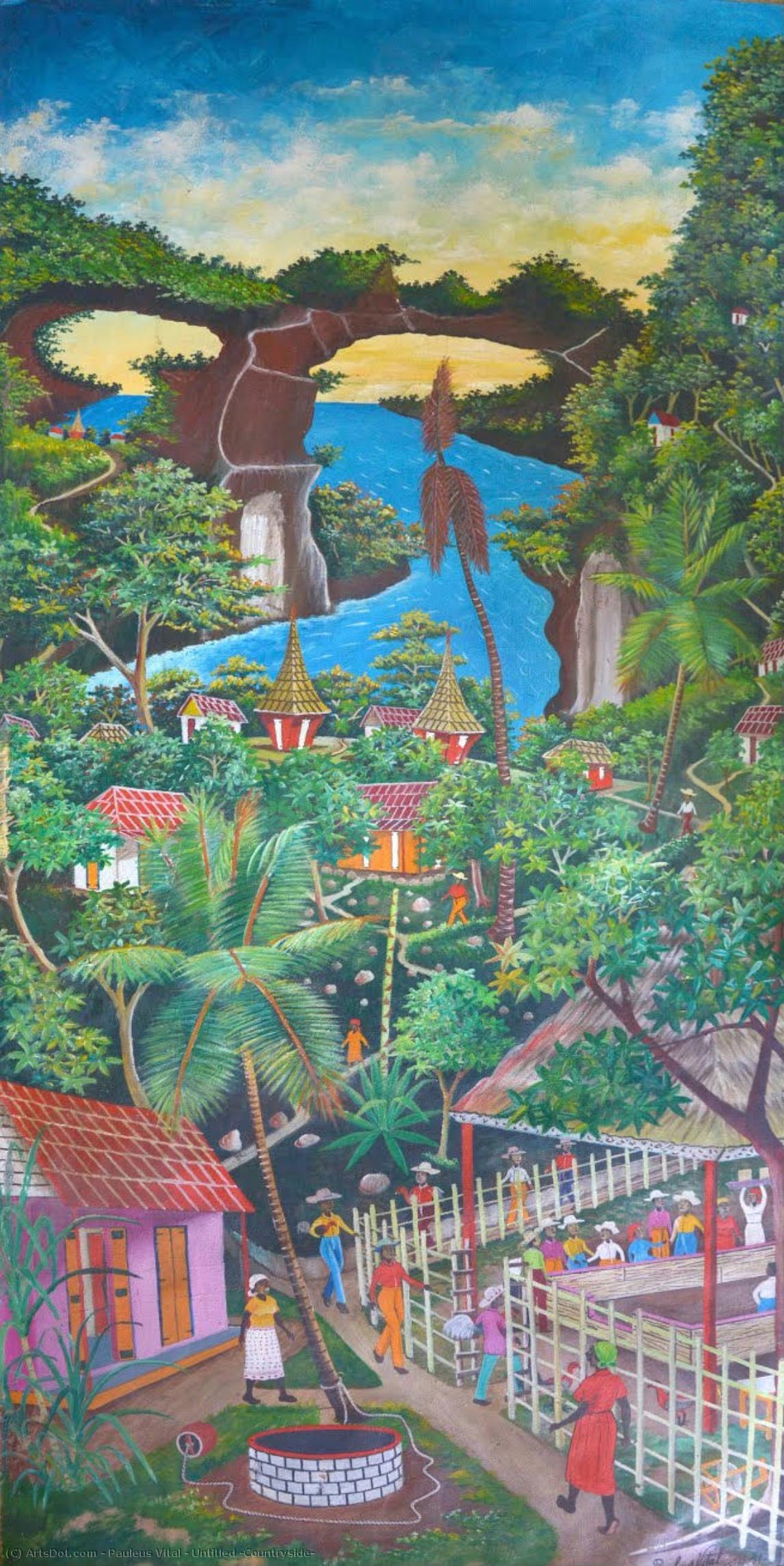
StatsUntitled (Countryside)


 詳細を見る
詳細を見る
オンラインプレビューをはるかに凌ぐ、高解像度で鮮明なデジタル画像をご購入いただけます。
各ファイルは、社内の専門家が高度なツールと熟練した手作業によるレタッチを用いて、細心の注意を払って準備されています。すべての画像において、卓越した鮮明度、正確な色彩再現性、そして繊細なディテールを保証いたします。
最終ファイルは、プロフェッショナルな編集・印刷環境ですぐにご利用いただけるよう最適化された状態で、72時間以内にメールにてお届けいたします。これは、一流のデザインスタジオ、出版社、ギャラリーから信頼されているものと同等の品質です。
デジタルアート
個人での鑑賞、印刷、クリエイティブなプロジェクト用に、高解像度ファイルをダウンロードできます。 ( Switch to Print 手描きの絵画を購入)
デジタル画像のご注文に付随する特典
高品質なデジタル画像配信を、確かな品質で。
ArtsDot.com を選ぶことは、単に画像を手に入れることではありません。それは、プロの手によって精密に仕上げられ、満足保証が付いた高品質なデジタルアートワークを受け取ることを意味します。ご注文いただいた際に自動的に付随する内容は、以下の通りです:

メールですぐにお届け
ご注文から72時間以内に、高解像度のデジタル画像ファイルがメールでお手元に届きます。すぐにそのままご利用いただけます。

AI技術で最適化されたデジタルファイル
お客様の作品は、高度なAIツールと専門家による手作業の編集を組み合わせてプロフェッショナルに最適化されており、細部のディテール、鮮明さ、そして正確な色再現性を最大限に引き出しています。

一生涯無料の再送サービス
ファイルを誤って削除したり、紛失してしまったりしましたか?ご安心ください。いつでも無料で再送いたします。

輸入手数料は一切かかりません
関税や手数料、配送料を気にすることなく、お気に入りのアートワークをすぐにお楽しみいただけます。デジタルダウンロードは常に免税です。

色彩再現の保証
プロ仕様のツールとカラーマネジメント技術を用いることで、デジタル画像が元の色を最大限に忠実に再現することを保証いたします。

100日間満足保証
ご購入いただいたデジタル画像にご満足いただけない場合は、100日以内であれば、理由を問わず修正または100%の返金対応をさせていただきます。

100% 返金保証
ご満足いただけない場合は、デジタルファイルを受け取ってから100日以内であれば、理由を問わず全額返金いたします。

まとめ買い割引
3枚購入で10%OFF - 5枚購入で15%OFF - 10枚以上購入で20%OFF。クリエイティブなプロジェクト、ギャラリー、エージェンシーに最適です。
関連作品








作家の略歴
Andrew Wyeth: A Vision of American Isolation
Andrew Newell Wyeth (July 12, 1917 – January 16, 2009) stands as one of the most distinctive and enduring figures in 20th-century American art. Often described as a realist painter, his work transcends simple representation, delving into themes of isolation, memory, and the quiet dignity of rural life—particularly within the landscapes of Pennsylvania and Maine. Wyeth’s unique style, characterized by meticulous detail, muted color palettes, and an uncanny ability to capture psychological depth, has secured his place as a master of American regionalism and a profoundly evocative storyteller through paint. His career spanned nearly eight decades, marked by a consistent dedication to his craft and a profound connection to the places and people that shaped his vision.Early Life and Influences: A Foundation in Tradition
Born in Portland, Maine, Andrew Wyeth was the youngest of five children in a family deeply rooted in artistic tradition. His father, Newell Convers (N.C.) Wyeth, was a celebrated illustrator and painter known for his dynamic adventure stories—a profession that instilled in young Andrew a respect for craftsmanship and narrative imagery. However, unlike his flamboyant father, Andrew’s artistic inclinations leaned towards a more introspective and subtle approach. He received early art instruction from his father, developing a strong foundation in drawing and watercolor techniques during childhood summers spent at the family’s summer home in Cushing, Maine. This period proved crucial, establishing a lifelong connection to the rugged beauty of the Maine coast and its inhabitants. Beyond his familial influence, Wyeth drew inspiration from a diverse range of sources. He admired the landscape paintings of Winslow Homer, particularly his depictions of New England life; he was captivated by the philosophical writings of Henry David Thoreau, embracing themes of solitude and observation in nature; and he found a kindred spirit in the filmmaker King Vidor, whose meticulous attention to detail and psychological realism resonated with Wyeth’s own artistic sensibilities. These influences coalesced into a distinctive style—one that prioritized atmosphere, mood, and the unspoken narratives embedded within seemingly ordinary scenes.The Christina's World Series: A Masterpiece of Psychological Depth
Wyeth’s most famous work, *Christina’s World* (1948), exemplifies his unique artistic vision. This tempera painting, housed in the Museum of Modern Art in New York City, depicts an elderly woman, Christina Olson, a local resident of Cushing, Maine, slowly walking across a barren field towards a dilapidated farmhouse. The scene is rendered with painstaking detail—every blade of grass, every weathered board on the house—yet it conveys a profound sense of loneliness and quiet dignity. *Christina’s World* isn't simply a portrait; it’s an exploration of memory, resilience, and the enduring connection between people and place. The painting’s success solidified Wyeth’s reputation as a significant American artist, but he continued to explore similar themes in subsequent works within the Christina series. These paintings—often depicting Christina in various states of repose or activity—became increasingly introspective and melancholic, reflecting Wyeth's growing fascination with the complexities of human experience.Beyond Portraits: Windows, Farm Life, and a Lasting Legacy
While *Christina’s World* remains his most iconic work, Wyeth’s oeuvre encompassed a wide range of subjects—including portraits of family members, depictions of farm life in Cushing, Maine, and countless studies of windows. His paintings of windows are particularly noteworthy for their ability to capture the interplay of light and shadow, creating an illusion of depth and inviting viewers into another space. He meticulously observed the details of everyday objects—a worn rocking chair, a rusty tool, a pile of firewood—transforming them into symbols of memory and history. Wyeth’s work was recognized with numerous accolades throughout his career, culminating in the Presidential Medal of Freedom in 1988 and election to the French Academy of Beaux Arts in 1989. His paintings are held by major museums across the United States and Europe, testament to their enduring appeal and artistic merit. Andrew Wyeth’s legacy extends beyond his individual works; he redefined American realism, demonstrating that profound emotional resonance could be achieved through a careful observation of the ordinary and a deep understanding of human psychology.Key Characteristics of Wyeth's Style
- Muted Palette: Wyeth favored subdued colors—earth tones, grays, blues, and greens—creating a sense of atmosphere and mood rather than relying on vibrant hues.
- Detailed Realism: His paintings are characterized by an extraordinary level of detail, meticulously rendering textures, surfaces, and objects with remarkable accuracy.
- Psychological Depth: Wyeth’s work goes beyond mere representation; he captures the inner lives and emotional states of his subjects, conveying a sense of loneliness, melancholy, or quiet dignity.
- Regionalism: His paintings are deeply rooted in the landscapes and people of Pennsylvania and Maine, reflecting a profound connection to place.
- Narrative Imagery: Even seemingly simple scenes—a solitary figure walking across a field—suggest unspoken stories and invite viewers to contemplate their meaning.
pauleus vital
1917 - 1984 , Haiti
プロフィール概要
- Artistic Movement Or Style: Regionalist, Realism
- Artists Who Influenced This Artist: ['Winslow Homer, Henry David Thoreau, King Vidor],\n "Artists or movements influenced by this artist": ["N.C. Wyeth", "Brandywine School"]\n}']
- Date Of Birth: July 12, 1917
- Date Of Death: January 16, 2009
- Full Name: Andrew Newell Wyeth
- Nationality: American
- Notable Artworks:
- Christina's World
- Windows
- The Crow House
- Place Of Birth: Chadds Ford, PA, USA