

 プリントを購入
 シェアする
シェアする シェアする
シェアする
 詳細を見る
詳細を見る

 ダウンロード
 似ている作品
 スライドショー
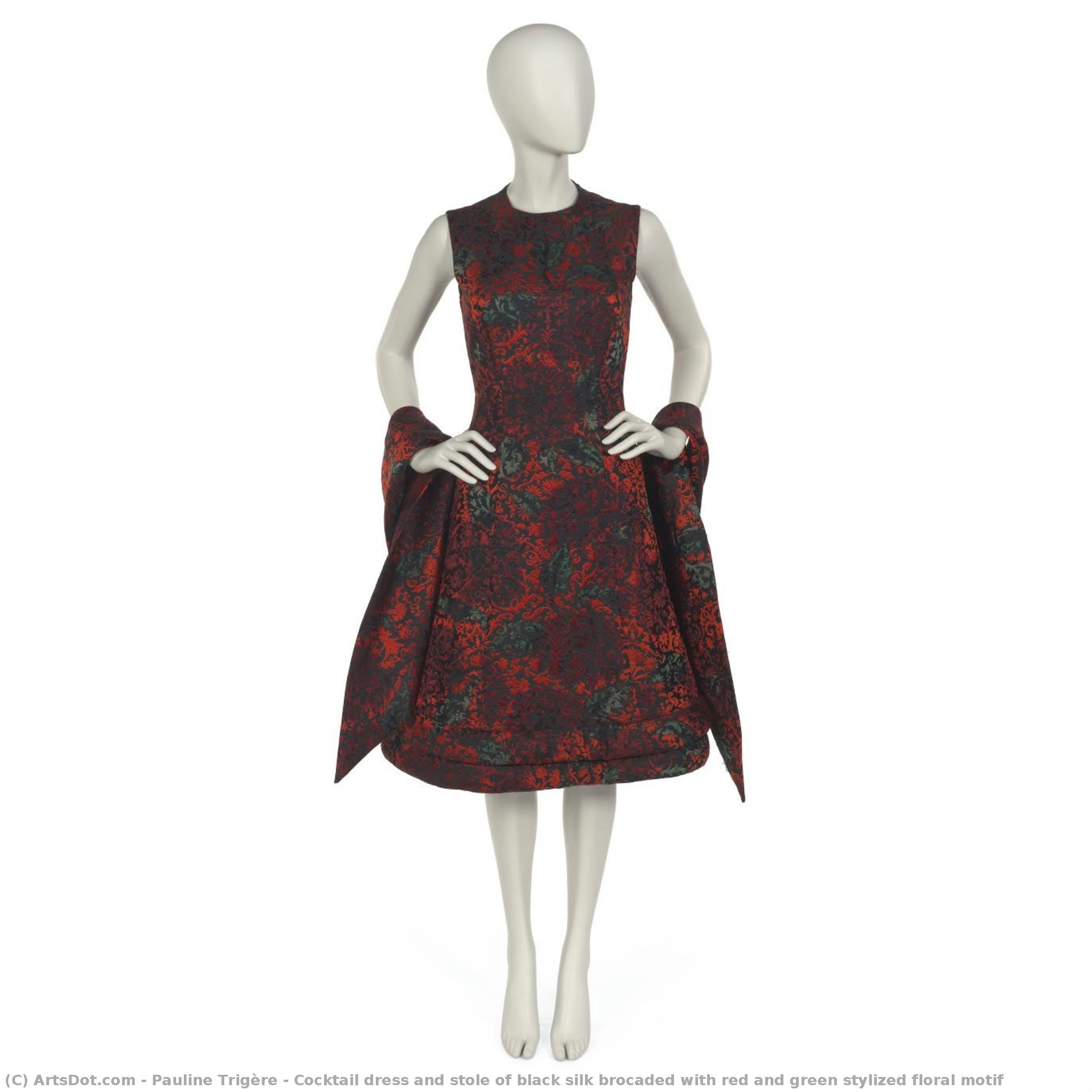
Cocktail dress and stole of black silk brocaded with red and green stylized floral motif


 詳細を見る
詳細を見る
オンラインプレビューをはるかに凌ぐ、高解像度で鮮明なデジタル画像をご購入いただけます。
各ファイルは、社内の専門家が高度なツールと熟練した手作業によるレタッチを用いて、細心の注意を払って準備されています。すべての画像において、卓越した鮮明度、正確な色彩再現性、そして繊細なディテールを保証いたします。
最終ファイルは、プロフェッショナルな編集・印刷環境ですぐにご利用いただけるよう最適化された状態で、72時間以内にメールにてお届けいたします。これは、一流のデザインスタジオ、出版社、ギャラリーから信頼されているものと同等の品質です。
デジタル画像のご注文に付随する特典
高品質なデジタル画像配信を、確かな品質で。
ArtsDot.com を選ぶことは、単に画像を手に入れることではありません。それは、プロの手によって精密に仕上げられ、満足保証が付いた高品質なデジタルアートワークを受け取ることを意味します。ご注文いただいた際に自動的に付随する内容は、以下の通りです:

メールですぐにお届け
ご注文から72時間以内に、高解像度のデジタル画像ファイルがメールでお手元に届きます。すぐにそのままご利用いただけます。

AI技術で最適化されたデジタルファイル
お客様の作品は、高度なAIツールと専門家による手作業の編集を組み合わせてプロフェッショナルに最適化されており、細部のディテール、鮮明さ、そして正確な色再現性を最大限に引き出しています。

一生涯無料の再送サービス
ファイルを誤って削除したり、紛失してしまったりしましたか?ご安心ください。いつでも無料で再送いたします。

輸入手数料は一切かかりません
関税や手数料、配送料を気にすることなく、お気に入りのアートワークをすぐにお楽しみいただけます。デジタルダウンロードは常に免税です。

色彩再現の保証
プロ仕様のツールとカラーマネジメント技術を用いることで、デジタル画像が元の色を最大限に忠実に再現することを保証いたします。

60日間満足保証
ご購入いただいたデジタル画像にご満足いただけない場合は、60日以内であれば、修正または100%の返金(理由を問う必要はありません)をさせていただきます。

100% 返金保証
ご満足いただけない場合は、デジタルファイルを受け取ってから60日以内であれば、理由を問わず全額返金いたします。

まとめ買い割引
3枚購入で10%OFF - 5枚購入で15%OFF - 10枚以上購入で20%OFF。クリエイティブなプロジェクト、ギャラリー、エージェンシーに最適です。
The Echoes of Mid-Century Modernity
Pauline Trigère's "Cocktail dress and stole of black silk brocaded with red and green stylized floral motif" isn’t merely a vintage garment; it’s a crystallized moment in American fashion history. Born in the heart of Paris in 1908, Trigère arrived in New York during a period of immense creative ferment – the late 1940s and early 1950s – determined to redefine women's wear beyond the constraints of post-war austerity. This particular ensemble, captured in a studio photograph circa 1962, embodies her signature blend of European elegance and unapologetic modernity: a sophisticated silhouette rendered with bold color and intricate detail. It speaks not just of fashion, but of a woman’s confidence and a burgeoning spirit of self-expression within the rapidly changing landscape of American society.
The photograph itself is a masterclass in mid-century lighting and composition. The diffused light eliminates harsh shadows, allowing the luxurious texture of the silk brocade to dominate the image. The mannequin’s pose – poised yet relaxed – suggests an effortless grace, mirroring the intended effect of the garment. The neutral background serves as a deliberate stage, focusing entirely on the dress and stole, highlighting their intricate design and rich color palette. The photographer skillfully utilizes perspective, creating a subtle sense of depth that draws the viewer into the details of the fabric’s weave and the delicate embroidery.
A Symphony of Silk and Floral Design
At first glance, the dress appears deceptively simple – a classic A-line silhouette in black silk twill. However, closer inspection reveals a remarkable level of craftsmanship. The fitted bodice, with its jewel neckline and double rouleau at the hem, speaks to Trigère’s understanding of flattering form. The flowing skirt, just below the knee, offers both movement and practicality. But it's the stole – crafted from the same brocade – that truly commands attention. Its rectangular shape, punctuated by triangular edges, adds a touch of dramatic flair, suggesting a hint of Parisian sophistication amidst the American aesthetic.
The floral motif itself is far more than decorative; it’s a stylized representation of nature, rendered in bold reds and greens against a black ground. Trigère's designs were known for their innovative use of color and pattern, often drawing inspiration from both European art movements and the vibrant energy of American pop culture. The stylized flowers – reminiscent of Art Deco motifs but imbued with a distinctly modern sensibility – create a visual rhythm that is both elegant and dynamic. The brocade technique—a raised weave creating a textured surface—further enhances the richness and depth of the design, adding to its luxurious appeal.
A Legacy of Innovation
Pauline Trigère was a pivotal figure in the evolution of American fashion. She challenged conventional notions of femininity, embracing bold silhouettes, vibrant colors, and innovative techniques like draping and cutting directly from fabric. Her designs were not simply garments; they were statements – reflections of a woman’s power, confidence, and individuality. This particular cocktail dress and stole exemplifies her genius: a harmonious blend of classic elegance and modern innovation, capturing the spirit of a transformative era in fashion history.
Trigère's influence extends beyond individual garments; she fundamentally altered the way ready-to-wear fashion was conceived and produced. Her willingness to experiment with new materials, techniques, and design approaches paved the way for future generations of designers. Today, her work continues to inspire and captivate, serving as a testament to her enduring legacy as one of America’s most influential couturières. The reproduction offered by ArtsDot.com allows us to experience this iconic piece firsthand, bringing a touch of mid-century glamour into any space.
関連作品
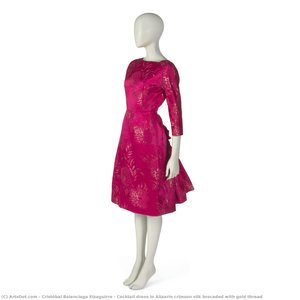
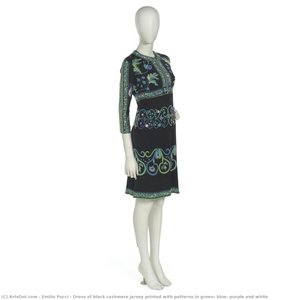
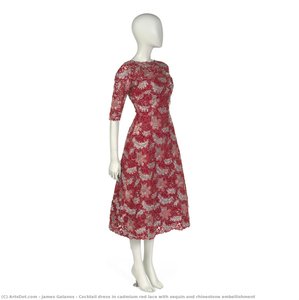
作家の略歴
Pauline Trigère: Architect of Modern American Style
Born in the heart of Paris’s vibrant Pigalle district in 1908, Pauline Trigère emerged from a lineage steeped in fashion – her father, Alexandre, was a tailor, and her mother, Cecile, a skilled dressmaker. This early immersion in the craft laid the foundation for a career that would revolutionize American couture, blending European elegance with an unapologetically modern sensibility. From humble beginnings assisting at Martial et Armand, a prestigious Parisian atelier, Trigère’s journey to becoming a celebrated designer was one of relentless innovation and unwavering self-belief.
Trigère's early life was marked by both artistic ambition and familial constraints. While she initially dreamed of pursuing medicine, her father’s reservations steered her towards the world of fashion. This pragmatic beginning, however, didn’t diminish her innate creativity; instead, it fueled a determination to forge her own path within the industry. Her apprenticeship at Martial et Armand provided invaluable experience in cutting and draping techniques – skills she would later master with unparalleled precision. The marriage to Lazar Radley offered stability, but also ultimately led to separation, leaving Trigère to navigate the challenges of single motherhood while simultaneously building her burgeoning design empire.
The Rise of a New Silhouette
Trigère’s arrival in New York City in 1937 marked a pivotal moment not just for her career but also for American fashion. Initially seeking refuge from the looming threat of Nazi Germany, she quickly recognized an untapped potential within the burgeoning Manhattan market. Establishing Trigère, Inc. in 1942, she defied conventional wisdom by eschewing traditional sketching methods – instead, she directly translated her visions onto fabric, draping and shaping garments with a remarkable intuitive understanding. This hands-on approach allowed for immediate adjustments and ensured that each piece was uniquely tailored to the wearer.
Trigère’s designs were characterized by bold architectural silhouettes, innovative use of materials – notably incorporating cotton and wool into evening wear, a revolutionary concept at the time – and a fearless embrace of color and print. She is widely credited with popularizing the jumpsuit in the 1950s, transforming it from a utilitarian garment to a symbol of sophisticated style. Her reversible capes, embroidered sheer bodices, and pioneering sleeveless coats were not merely fashionable; they were statements of modernity, challenging established norms and redefining the female form.
Iconic Clients and Enduring Influence
Trigère’s designs quickly garnered attention from a select group of influential women – Grace Kelly, Jacqueline Kennedy Onassis, Elizabeth Taylor, Kay Wiebrecht, and Evelyn Lauder among them. These loyal clients recognized in Trigère's work a reflection of their own discerning taste and an embodiment of effortless elegance. Her ability to seamlessly blend luxury with practicality cemented her reputation as a designer for the modern woman.
Beyond individual commissions, Trigère’s influence extended across various facets of the fashion industry. She was one of the first high-status fashion houses in America to employ an African American model, Beverly Valdes, demonstrating a commitment to inclusivity that was ahead of its time. Her designs appeared in McCall's New York Designer collection, bringing her aesthetic to a wider audience through home sewing patterns. Trigère’s legacy is further evidenced by her numerous awards – including three Coty Awards and recognition from the Council of Fashion Designers of America – solidifying her place as a true innovator and visionary.
A Lasting Legacy
Pauline Trigère passed away in New York City in 2002 at the age of 93, leaving behind a remarkable body of work that continues to inspire designers today. Her designs are celebrated for their impeccable tailoring, innovative silhouettes, and timeless elegance. More than just a fashion designer, Trigère was an architect of modern American style – a woman who dared to challenge conventions, embrace experimentation, and ultimately redefine the boundaries of couture.
Her influence can still be seen in contemporary fashion, particularly in the continued popularity of jumpsuits, reversible garments, and bold, architectural designs. Pauline Trigère’s story is a testament to the power of creativity, resilience, and an unwavering commitment to one's artistic vision – a legacy that will undoubtedly endure for generations to come.

pauline trigère
1908 - 2002 , France
プロフィール概要
- Artistic Movement Or Style: Couture, Modern Design
- Date Of Birth: November 4, 1908
- Date Of Death: February 13, 2002
- Full Name: Pauline Trigère
- Nationality: French-American
- Notable Artworks:
- Evening ensemble...
- Pauline Trigère
- Place Of Birth: Paris, France

