

 プレビュー
プレビュー
 プリントを購入
 シェアする
シェアする シェアする
シェアする
 詳細を見る
詳細を見る

 ダウンロード
 似ている作品
 X線調査
X線調査 スライドショー
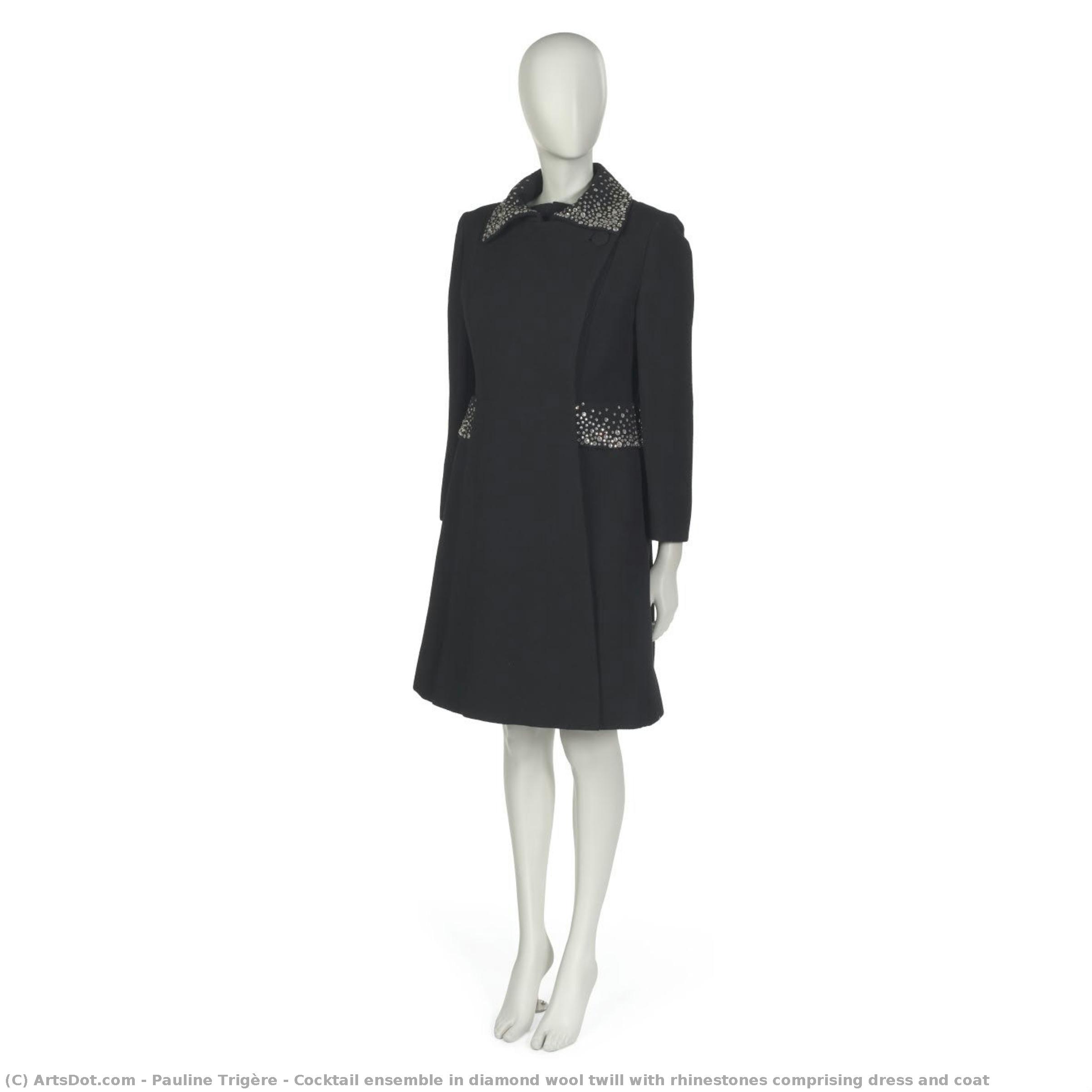
Cocktail ensemble in diamond wool twill with rhinestones comprising dress and coat


 詳細を見る
詳細を見る




P118B $10

P118H $10

P118W $10

P438Z $10

P508JH $12

P508YH $12

P805H $10

P805Z $10

P919BZ $10

P919G $10

P919XJ $10

P959ZH $10

P968JZ $12

W106C $8

W218G $10

W218JH $8

W218Y $10

W307PJ $10

W316G $10

W316PJ $8

W316Y $10

W398PJ $8

W4111J $10

W500HY $15

W500JH $15

W692G $12

W849H $8

W940BG $15

W953PJ $8




作品のオリジナル比率に合わせた、当店の規定サイズからお選びください。

特定のフレームやスペースに合わせて、ご希望のサイズをご入力いただけます。選択されたサイズが元の画像の比率と異なる場合、アートワークをトリミングするか、手描きで要素を追加して絵画を拡張いたします。デジタルモックアップ を制作し、制作開始前にご確認(承認)をいただきます。
画面上のプレビューは、実際のトリミングや拡張を正確に反映しているものではありません。最終的な構図は、モックアップによってのみ正確にご確認いただけます。
カスタムサイズもご利用いただけますが、元の比率を維持するためには、あらかじめ用意されたリストからサイズを選択することをお勧めいたします。
ご注文後、ArtsDot.com チームより詳細な指示をお送りするとともに、仕上がりイメージ(モックアップ)をご提供いたします。


 ガラスオプションは、110cm未満のサイズでのみご利用いただけます。

Cocktail ensemble in diamond wool twill with rhinestones comprising dress and coat
複製技法
複製画のサイズ
-


合計金額
$ 263
作品解説
A Glimpse of Mid-Century Glamour: Pauline Trigère’s Diamond Wool Cocktail Ensemble
Pauline Trigère, a name synonymous with audacious modernity and unapologetic femininity, possessed an extraordinary ability to capture the spirit of her time. This exquisite cocktail ensemble – a black dress and matching coat crafted from dense diamond wool twill adorned with shimmering rhinestones – is a potent distillation of that talent, offering a captivating window into the mid-20th century’s embrace of luxury and glamour. Created in 1966, it represents a pivotal moment in Trigère's career, showcasing her mastery of silhouette and embellishment while simultaneously reflecting the burgeoning influence of Hollywood style on American fashion.
The ensemble’s design is immediately striking: a harmonious blend of classic shapes and daring details. The coat, a double-breasted A-line with a high V-neck and rolled collar, exudes timeless elegance. Its structured form is softened by the subtle curve of the shoulders and the playful application of gradient rhinestones – a technique that builds depth and catches the light with every movement. The dress, mirroring the coat’s silhouette, features a dramatic square neckline and a daring slit, revealing a hint of skin while maintaining an air of sophisticated restraint. The peplum detail, adding a touch of volume at the waist, further emphasizes the figure's natural curves.
The Art of Diamond Wool: Texture and Technique
Trigère’s choice of material – dense diamond wool twill – is crucial to understanding the ensemble’s impact. This fabric, prized for its luxurious sheen and subtle texture, provided an ideal canvas for her embellishment strategy. The rhinestones aren't merely applied; they are meticulously arranged in a gradient effect, transitioning from darker at the collar and waistband to lighter towards the hem. This creates a captivating visual rhythm, drawing the eye across the surface of the fabric and adding a dynamic element to what could have been a static design. The meticulous construction, evident in the precise placement of each stone and the impeccable tailoring, speaks volumes about Trigère’s commitment to quality and her understanding of how materials interact with form.
Furthermore, the use of silk taffeta lining – both for the coat and the dress – contributes significantly to the ensemble's luxurious feel. Silk’s smooth drape and subtle sheen complement the diamond wool beautifully, enhancing its luster and adding a layer of tactile sophistication. The careful attention to detail in the construction—the snap closure on the coat, the center-back zipper on the dress—demonstrates Trigère’s dedication to both aesthetics and functionality.
Symbolism and the Spirit of an Era
This cocktail ensemble transcends mere fashion; it's a visual embodiment of the 1960s – an era defined by optimism, social change, and a renewed interest in glamour. The bold use of rhinestones reflects the decade’s fascination with Hollywood extravagance, mirroring the dazzling displays seen on screen. The A-line silhouette, popular during this period, offered a flattering and modern alternative to the more restrictive styles of previous decades. The overall effect is one of confident femininity – a woman who embraces her sexuality while maintaining an air of grace and sophistication.
Pauline Trigère herself was a key figure in shaping American couture, challenging traditional notions of beauty and design. Her work often incorporated elements of European elegance with a distinctly American sensibility. This ensemble exemplifies her signature style: bold, innovative, and undeniably glamorous. It’s a testament to her vision and a captivating reminder of a bygone era when fashion served as a powerful form of self-expression.
A Timeless Piece for the Collector
Reproductions of this iconic cocktail ensemble capture not only its visual beauty but also the essence of Trigère's design philosophy. The meticulous attention to detail, from the choice of materials to the placement of each rhinestone, ensures that these reproductions remain faithful to the original. Whether adorning a collector’s wardrobe or inspiring an interior designer seeking a touch of mid-century glamour, this ensemble continues to resonate with its timeless elegance and undeniable allure.
関連作品
アーティストの略歴
Pauline Trigère: Architect of Modern American Style
Born in the heart of Paris’s vibrant Pigalle district in 1908, Pauline Trigère emerged from a lineage steeped in fashion – her father, Alexandre, was a tailor, and her mother, Cecile, a skilled dressmaker. This early immersion in the craft laid the foundation for a career that would revolutionize American couture, blending European elegance with an unapologetically modern sensibility. From humble beginnings assisting at Martial et Armand, a prestigious Parisian atelier, Trigère’s journey to becoming a celebrated designer was one of relentless innovation and unwavering self-belief.
Trigère's early life was marked by both artistic ambition and familial constraints. While she initially dreamed of pursuing medicine, her father’s reservations steered her towards the world of fashion. This pragmatic beginning, however, didn’t diminish her innate creativity; instead, it fueled a determination to forge her own path within the industry. Her apprenticeship at Martial et Armand provided invaluable experience in cutting and draping techniques – skills she would later master with unparalleled precision. The marriage to Lazar Radley offered stability, but also ultimately led to separation, leaving Trigère to navigate the challenges of single motherhood while simultaneously building her burgeoning design empire.
The Rise of a New Silhouette
Trigère’s arrival in New York City in 1937 marked a pivotal moment not just for her career but also for American fashion. Initially seeking refuge from the looming threat of Nazi Germany, she quickly recognized an untapped potential within the burgeoning Manhattan market. Establishing Trigère, Inc. in 1942, she defied conventional wisdom by eschewing traditional sketching methods – instead, she directly translated her visions onto fabric, draping and shaping garments with a remarkable intuitive understanding. This hands-on approach allowed for immediate adjustments and ensured that each piece was uniquely tailored to the wearer.
Trigère’s designs were characterized by bold architectural silhouettes, innovative use of materials – notably incorporating cotton and wool into evening wear, a revolutionary concept at the time – and a fearless embrace of color and print. She is widely credited with popularizing the jumpsuit in the 1950s, transforming it from a utilitarian garment to a symbol of sophisticated style. Her reversible capes, embroidered sheer bodices, and pioneering sleeveless coats were not merely fashionable; they were statements of modernity, challenging established norms and redefining the female form.
Iconic Clients and Enduring Influence
Trigère’s designs quickly garnered attention from a select group of influential women – Grace Kelly, Jacqueline Kennedy Onassis, Elizabeth Taylor, Kay Wiebrecht, and Evelyn Lauder among them. These loyal clients recognized in Trigère's work a reflection of their own discerning taste and an embodiment of effortless elegance. Her ability to seamlessly blend luxury with practicality cemented her reputation as a designer for the modern woman.
Beyond individual commissions, Trigère’s influence extended across various facets of the fashion industry. She was one of the first high-status fashion houses in America to employ an African American model, Beverly Valdes, demonstrating a commitment to inclusivity that was ahead of its time. Her designs appeared in McCall's New York Designer collection, bringing her aesthetic to a wider audience through home sewing patterns. Trigère’s legacy is further evidenced by her numerous awards – including three Coty Awards and recognition from the Council of Fashion Designers of America – solidifying her place as a true innovator and visionary.
A Lasting Legacy
Pauline Trigère passed away in New York City in 2002 at the age of 93, leaving behind a remarkable body of work that continues to inspire designers today. Her designs are celebrated for their impeccable tailoring, innovative silhouettes, and timeless elegance. More than just a fashion designer, Trigère was an architect of modern American style – a woman who dared to challenge conventions, embrace experimentation, and ultimately redefine the boundaries of couture.
Her influence can still be seen in contemporary fashion, particularly in the continued popularity of jumpsuits, reversible garments, and bold, architectural designs. Pauline Trigère’s story is a testament to the power of creativity, resilience, and an unwavering commitment to one's artistic vision – a legacy that will undoubtedly endure for generations to come.
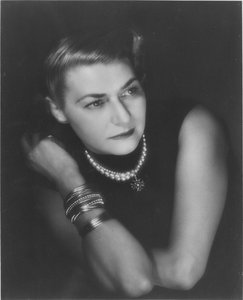
pauline trigère
1908 - 2002 , France
基本情報
- Artistic Movement Or Style: Couture, Modern Design
- Date Of Birth: November 4, 1908
- Date Of Death: February 13, 2002
- Full Name: Pauline Trigère
- Nationality: French-American
- Notable Artworks:
- Evening ensemble...
- Pauline Trigère
- Place Of Birth: Paris, France
関連記事

Crimson Threads of Narrative: Exploring Symbolism & Representation in Artworks Featuring the Red Dress
Explore the rich symbolism of the red dress in art history! From ancient power displays to iconic portraits like Cézanne’s 'Madame Cezanne', discover the cultural and artistic significance behind this captivating color. Expert analysis & insights.
Azure Visions: Exploring Representations of the Blue Dress in Western Art History
Explore the rich history of the blue dress in Western art! Discover its symbolism, from Renaissance masterpieces to modern interpretations by artists like Martin & Schiele. Uncover cultural meanings and artistic techniques.
Timeless Elegance: Unveiling the Chic Allure and Artistic Legacy of Black Dress Artworks
Immerse yourself in the timeless allure of black dress artworks. Explore a curated collection of fine art reproductions and bespoke oil paintings that blend fashion history with modern elegance. Discover how ArtsDot.com transforms memories into exquisite, hand-painted masterpieces.

Draped Narratives: Fashion as Symbol & Subject in Historical Art
Explore the fascinating history of fashion as a symbol of power & status in art! Discover masterpieces from Gainsborough to Tissot and learn how clothing shaped societal narratives. Find museum-quality reproductions at ArtsDot.

Cristóbal Balenciaga: Deconstructing Haute Couture's Architectural Legacy
Explore the revolutionary world of Cristóbal Balenciaga, the 'couturier's couturier'. Discover his architectural designs, lasting influence on haute couture, and guide to collecting rare pieces. A connoisseur’s resource.

