 プレビュー
プレビュー
 シェアする
シェアする シェアする
シェアする
 詳細を見る
詳細を見る

 ダウンロード
 似ている作品
 X線調査
X線調査 スライドショー
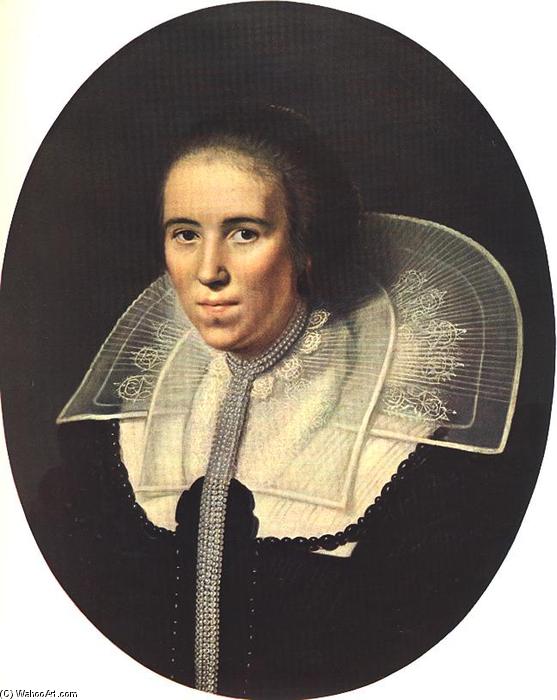
Portrait of a Young Woman
 Oil On Panel
- WallArt
- Baroque Portraiture
 67.0 x 52.0 cm
 エルミタージュ美術館
 詳細を見る
詳細を見る
ジークレー/アートプリント
迅速な制作と多彩な仕上げオプションを備えた、ミュージアムクオリティのジークレーまたはキャンバスプリント。 ( 手描きの絵画を購入 画像を購入)




P118B $10

P118H $10

P118W $10

P438Z $10

P508JH $12

P508YH $12

P805H $10

P805Z $10

P919BZ $10

P919G $10

P919XJ $10

P959ZH $10

P968JZ $12

W106C $8

W218G $10

W218JH $8

W218Y $10

W307PJ $10

W316G $10

W316PJ $8

W316Y $10

W398PJ $8

W4111J $10

W500HY $15

W500JH $15

W692G $12

W849H $8

W940BG $15

W953PJ $8




作品のオリジナル比率に合わせた、当店の規定サイズからお選びください。

特定のフレームやスペースに合わせて、ご自身でサイズを指定することも可能です。選択されたサイズが元の画像の比率と一致しない場合、作品をトリミングするか、鏡面反射または単色での塗りつぶしによって画像を拡張いたします。制作を開始する前に、ご確認用のデジタルモックアップをお送りいたします。
画面上のプレビューには、実際のトリミングや拡張は反映されませんのでご注意ください。最終的な構図を正確に確認できるのは、モックアップのみとなります。
カスタムサイズも承っておりますが、元の比率を維持するためには、あらかじめ用意されたリストからサイズを選択することをお勧めいたします。


 ガラスオプションは、110cm未満のサイズでのみご利用いただけます。

Portrait of a Young Woman
ジークレー/アートプリント
複製画のサイズ
-


合計金額
$ 62
作品詳細説明
The Enigmatic Beauty of Paulus Moreelse’s “Portrait of a Young Woman”
Paulus Moreelse's "Portrait of a Young Woman," painted circa 1620, is more than just a depiction of a beautiful face; it’s a window into the refined tastes and artistic sensibilities of the Dutch Golden Age. Moreelse, a prominent Utrecht painter known for his meticulous portraits of nobility and courtly figures, crafted this piece with a masterful understanding of light, shadow, and the subtle nuances of human expression – hallmarks of the Utrecht Caravaggism movement that flourished in the Netherlands during the 17th century. The painting’s enduring appeal lies not only in its aesthetic beauty but also in the intriguing questions it raises about identity, status, and the fleeting nature of youth.A Masterclass in Baroque Technique
Moreelse employed a distinctly Baroque approach, heavily influenced by the dramatic lighting favored by Caravaggio. Notice how the light source, seemingly originating from an unseen window to the left, dramatically sculpts the young woman’s face and garments. This chiaroscuro technique – the stark contrast between light and dark – isn't merely decorative; it serves to draw the viewer’s eye directly to her features, imbuing them with a sense of immediacy and vitality. The brushwork is remarkably detailed, particularly in the rendering of the lace collar and the intricate embroidery adorning her gown. Moreelse skillfully utilized oil paints on panel, achieving a smooth, luminous surface that captures the richness of the fabrics and the delicate texture of her skin. The subtle gradations of color – from the deep shadows to the highlights – create an illusion of three-dimensionality, bringing the portrait to life with remarkable realism.Symbolism and Status: Unveiling Layers of Meaning
Beyond its technical brilliance, the painting is rich in symbolic detail that speaks volumes about the subject’s social standing and the prevailing cultural values of the time. The elaborate jewelry – a gold brooch featuring a cameo depicting Apollo and Marsyas, a popular motif symbolizing divine authority and martial prowess – immediately establishes her as belonging to the upper echelons of Dutch society. The openwork lace collar, a fashionable accessory among wealthy women, further emphasizes her status and elegance. The inclusion of the “Nero’s Seal” medallion, a copy in reverse of an antique carnelian depicting Apollo and Marsyas, adds another layer of meaning, referencing classical mythology and suggesting a connection to intellectual and artistic circles. The very pose – upright, attentive, and slightly turned towards the viewer – conveys an air of confidence and poise, reflecting the ideals of female virtue and grace that were highly valued during this period.A Timeless Portrait: Echoes of Botticelli and Beyond
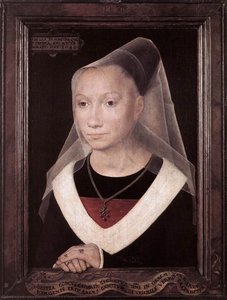
While Moreelse’s style is distinctly his own, the “Portrait of a Young Woman” bears striking similarities to Sandro Botticelli's "Portrait of a Young Lady" (circa 1480-1485), particularly in its idealized depiction of beauty. Both paintings feature a young woman presented in profile, with a focus on her face and upper body. However, Moreelse’s work possesses a greater sense of immediacy and realism than Botticelli's more ethereal style. The painting also evokes the spirit of Renaissance portraiture while retaining a distinctly Dutch sensibility – a blend of classical ideals and contemporary fashion. It stands as a testament to Moreelse’s skill in capturing not just physical likeness but also the essence of his subject, creating a timeless image that continues to captivate viewers centuries later. The painting's placement within the Art Institute of Chicago underscores its enduring significance as a masterpiece of Dutch Baroque art.関連作品
アーティストの略歴
ミケランジェロ・メリジ・ダ・カラヴァッジョ:光と影の革命児
カラヴァッジョの名で広く知られるミケランジェロ・メリジは、美術史において最も謎めいた、そして最も影響力のある人物の一人であり続けています。1571年頃にミラノで生まれた彼の生涯は、劇的な出来事の渦中の中にありました。激しい気性、輝きと血の両方に浸された筆致、そして数世紀を経た今なお観る者を魅了してやまないその遺産。ロンバルディア地方の無名の画家からローマの寵児へと駆け上がった彼の軌跡は、類まれな才能と大胆な技法、そして西洋美術の行く末に与えた深遠な影響を物語っています。カラヴァッジョの物語は、単なる芸術的達成の記録ではありません。それはスキャンダルと暴力、そして究極的には消えることのない情熱が織りなす、壮大なドラマなのです。黎明期と修練:ミラノ、革新の種
カラヴァッジョの幼少期は、いくぶん謎に包まれています。しかし、彼がロンバルディアの有力なスフォルツァ家やコロンナ家と縁のある家系に生まれたことは分かっています。父フェルモ・メリジはカラヴァッジャ侯爵の家政官を務め、母ルチア・アラトリも同地域の裕福な家庭の出身でした。彼はミラノにて、ティツィアーノの追随者であったシモーネ・ペテルザーノのもとで弟子入りし、4年間にわたって技を磨きました。この時期、彼は当時の主流であった芸術的規範――優雅さと均衡、そして理想化された形態を重視する様式――に触れることとなります。しかし、この極めて早い段階から、カラヴァッジョは既成の規範を逸脱しようとする意志を見せており、それが後に彼の代名詞となる革命的なアプローチの兆しとなっていました。ミラノでの形成期に目にしたレオナルド・ダ・ヴィンチの『最後の晩餐』の影響は、後の劇的な構図や革新的な遠近法の活用を形作る重要な要因となったとしばしば語られています。ローマ:才能と動乱の坩堝
1592年、カラヴァッ動は「ある争い」から逃れるべくミラノを離れ、活気あふれる芸術の都ローマへと辿り着きました。彼はすぐに、教皇クレメンス8世に仕える成功した画家ジュゼッペ・チェザーリのスタジオで助手として働き始めます。この時期は、過酷な労働と限られた評価の日々ではありましたが、彼にかけがえのない経験をもたらし、有力なパトロンとの接点を与えてくれました。決定的なのは、彼が独自の様式を実験し始めたことです。『トカゲに噛まれた少年』(1594年頃)などの作品には、明暗の劇的な対比を生み出す「テネブリズム」の特異な使用と、日常的な人々を非日常的な状況下で描く彼特有の手法が顕著に現れています。これはルネサンス美術に蔓延していた理想化された人物像からの決定的な決別でした。カラヴァッジョはあえて粗野な顔立ちや洗練されていない外見を持つモデルを選び、彼らに前例のない即時性とリアリズムを吹き込んだのです。革命的技法:テネブリズムと写実的な細部
カラヴァッジョの芸術的革新は、主題の選択やモデリングの手法に留まりませんでした。光と影を操る「キアロスクーロ」の習熟は、まさに変革的でした。彼はテネブリズムと呼ばれる技法を用い、深い闇が画面を支配し、人物を漆黒の中に沈み込ませる一方で、重要な要素だけを強烈な光の溜まりで照らし出しました。これにより、感情的なインパクトを高め、観る者の視線を構図内の特定の箇所へと引きつける、演劇的でドラマチックな効果を生み出したのです。さらに、カラヴァしたは細部を驚くべき正確さで観察し、描き出しました。布地の質感、顔の皺、金属の光沢――それらは緻密に表現されています。彼はしばしば下書きを省略し、キャンバスに直接描くことで、即興的かつ極めて個人的なアプローチを可能にしました。この技法が生身のモデルの使用と結びつくことで、まるで人間の経験における一瞬の刹那を捉えたかのような、驚くほど生々しく、生命力に満ちた絵画が誕生したのです。晩年と遺産:スキャンダル、追放、そして不朽の影響
1606年、カラヴァッジョの人生は暗転します。ある暴力的な衝突に巻き込まれ、一人の青年を死に至らしめてしまったのです。法の裁きを避けるべく、彼はローマを脱出し、ナポリ、マルタ、シチリアへと逃亡の旅を続けました。マルタにおいても、彼の激しい気性が再び紛争を引き起こし、結果として聖ヨハネ騎士団からの追放を招きました。その後、彼はナポリへと戻りますが、乱闘の中で致命傷を負います。1610年、トスカーナのポルト・エルコレにてカラヴァッジョは没しました。残された作品数は比較的少ないものの、彼が後世の芸術家たちに与えた影響は計り知れません。レンブラント、ベラスケス、ジェリコーをはじめ、彼の劇的な照明、写実的な人物描写、革新的な構図を取り入れた数多の巨匠たちの作品の中に、その足跡を見ることができます。カラヴァッジョの遺産は絵画の枠を超えています。彼は表現へのアプローチを根本から変え、美の理想化から人間経験の生々しい現実へと焦点を移したのです。その転換は、今なお観る者の心に響き続けています。彼の描いた世界は、ドラマと感情、そして時代を超越した普遍性を湛え、今もなお強烈な力を放ち続けているのです。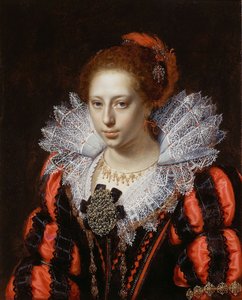
パウルス・モレルス
1571 - 1638 , オランダ
基本情報
- Artistic Movement Or Style: バロック; テネブリズム
- Artists Or Movements Influenced By This Artist:
- レンブラント
- ベラスケス
- ジェリコー
- Artists Who Influenced This Artist:
- ティツィアーノ
- ジョルジョーネ
- Date Of Birth: 1571年9月29日
- Date Of Death: 1610年7月18/19日
- Full Name: ミケランジェロ・メリジ・ダ・カラヴァッジオ
- Nationality: イタリア
- Notable Artworks:
- 聖マタイの召命
- エマオの晩餐
- ダビデとゴリアテ
- 聖母の死
- Place Of Birth: イタリア、ミラノ
関連記事

Dutch Baroque Masters: 10 Paintings That Shaped an Era | ArtsDot
Journey through the Golden Age with our guide to the Top 10 Dutch Baroque masterpieces! Explore iconic paintings by Rembrandt, Vermeer & Frans Hals. Find museum-quality art reproductions and elevate your home decor at ArtsDot.com.

Golden Age Reflections: Dutch Baroque Painting & Cultural Innovation
Explore the Dutch Golden Age of painting! Discover key artists like Vermeer & ter Borch, their innovative techniques, and the rich cultural context behind these Baroque masterpieces. Learn about collecting & appreciating this iconic art period.

バロック美術を極めた至宝:時代を彩る10大名作の世界
バロック美術の華!カラヴァッジョ、ベルニーニら巨匠が創り上げた10大名作を徹底解剖。ドラマチックな色彩と豪華絢爛の世界観に触れ、至宝のアートプリントで空間を彩ろう。ArtsDot.comで美術館品質の複製と洗練されたインテリアを見つけましょう!

黄金世紀の巨匠たち:バロック絵画が彩る10選|ArtsDot
オランダ黄金時代の10大傑作を紐解く!レンブラント、フェルメール…バロック絵画の魅力と時代背景を深く探求。ArtsDotで、至高のアートコレクションと空間演出のヒントを見つけよう。高品質なアートプリントで、お部屋を華やかに。

バロックのドラマ:現代のインテリアに壮麗さと情感を取り込む
バロック様式の歴史、絵画、家具の魅力をご紹介。ArtsDotでは、高品質な油絵複製やカスタムポートレートをご提供し、現代のインテリアに壮麗さと情感を取り入れます。アートコンサルテーションも承ります。