

 プレビュー
プレビュー
 プリントを購入
 シェアする
シェアする シェアする
シェアする
 詳細を見る
詳細を見る

 ダウンロード
 似ている作品
 X線調査
X線調査 スライドショー
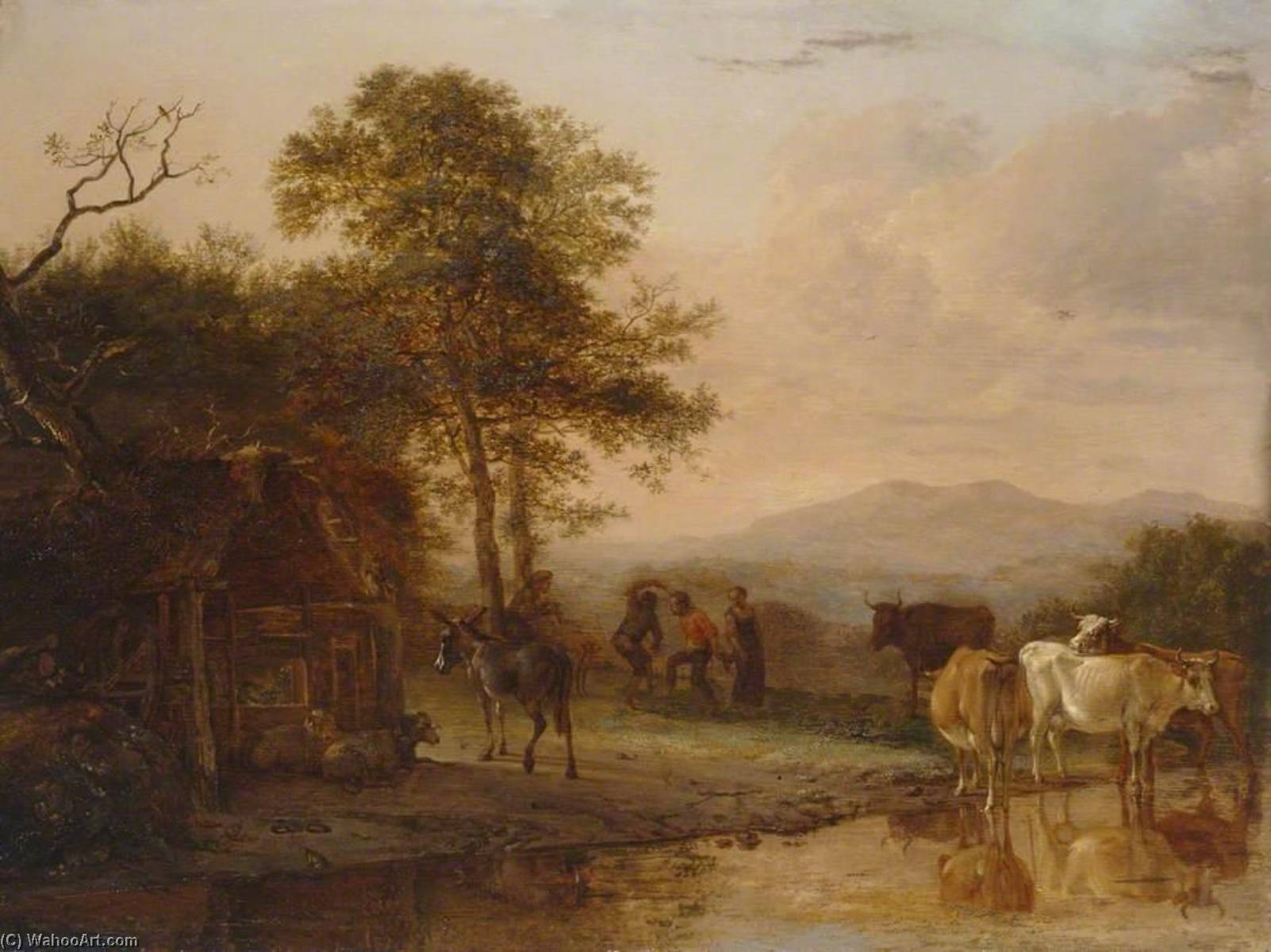
Evening Landscape with Cattle and Peasants Dancing to the Sound of a Pipe


 詳細を見る
詳細を見る
オンラインプレビューをはるかに凌ぐ、高解像度で鮮明なデジタル画像をご購入いただけます。
各ファイルは、社内の専門家が高度なツールと熟練した手作業によるレタッチを用いて、細心の注意を払って準備されています。すべての画像において、卓越した鮮明度、正確な色彩再現性、そして繊細なディテールを保証いたします。
最終ファイルは、プロフェッショナルな編集・印刷環境ですぐにご利用いただけるよう最適化された状態で、72時間以内にメールにてお届けいたします。これは、一流のデザインスタジオ、出版社、ギャラリーから信頼されているものと同等の品質です。
デジタル画像のご注文に付随する特典
高品質なデジタル画像配信を、確かな品質で。
ArtsDot.com を選ぶことは、単に画像を手に入れることではありません。それは、プロの手によって精密に仕上げられ、満足保証が付いた高品質なデジタルアートワークを受け取ることを意味します。ご注文いただいた際に自動的に付随する内容は、以下の通りです:

メールですぐにお届け
ご注文から72時間以内に、高解像度のデジタル画像ファイルがメールでお手元に届きます。すぐにそのままご利用いただけます。

AI技術で最適化されたデジタルファイル
お客様の作品は、高度なAIツールと専門家による手作業の編集を組み合わせてプロフェッショナルに最適化されており、細部のディテール、鮮明さ、そして正確な色再現性を最大限に引き出しています。

一生涯無料の再送サービス
ファイルを誤って削除したり、紛失してしまったりしましたか?ご安心ください。いつでも無料で再送いたします。

輸入手数料は一切かかりません
関税や手数料、配送料を気にすることなく、お気に入りのアートワークをすぐにお楽しみいただけます。デジタルダウンロードは常に免税です。

色彩再現の保証
プロ仕様のツールとカラーマネジメント技術を用いることで、デジタル画像が元の色を最大限に忠実に再現することを保証いたします。

60日間満足保証
ご購入いただいたデジタル画像にご満足いただけない場合は、60日以内であれば、修正または100%の返金(理由を問う必要はありません)をさせていただきます。

100% 返金保証
ご満足いただけない場合は、デジタルファイルを受け取ってから60日以内であれば、理由を問わず全額返金いたします。

まとめ買い割引
3枚購入で10%OFF - 5枚購入で15%OFF - 10枚以上購入で20%OFF。クリエイティブなプロジェクト、ギャラリー、エージェンシーに最適です。
関連作品









作家の略歴
Rembrandt: A Life Painted in Light and Shadow
Rembrandt Harmenszoon van Rijn, a name synonymous with artistic genius, remains one of the most profoundly influential figures in Western art history. Born in Leiden on July 15, 1606, into a family of modest means – his father a miller, his mother a baker – Rembrandt’s journey from humble beginnings to international acclaim is a testament to his extraordinary talent and relentless pursuit of artistic mastery. His life, tragically marked by financial hardship and personal loss, ultimately shaped the intensely emotional and psychologically astute works that continue to captivate audiences centuries later. He died in Amsterdam on October 4, 1669, leaving behind an unparalleled legacy of paintings, etchings, and drawings.
Rembrandt’s early artistic training was a blend of formal instruction and informal apprenticeship. He began his studies with Jacob van Swanenburgh, a painter who had recently returned from Italy, absorbing the techniques and stylistic influences of the Italian Renaissance. This initial period laid the groundwork for his later development, introducing him to perspective, anatomy, and the use of light and shadow – elements that would become hallmarks of his distinctive style. He then spent time with Pieter Lastman, a more established history painter, further refining his skills in composition and narrative storytelling. However, it was Rembrandt’s independent experimentation and willingness to break from convention that truly set him apart.
Rembrandt's artistic development during the 1620s and early 30s saw him move beyond simple commissions and begin exploring a wider range of subjects. His early works, such as *Stone Operation (Allegory of Touch)* and *Three Musicians*, demonstrate his burgeoning talent for capturing human emotion and creating dynamic compositions. These pieces, often allegorical in nature, reveal an interest in symbolism and philosophical themes – a characteristic that would become increasingly prominent throughout his career. Crucially, this period also marked the beginning of Rembrandt’s exploration of printmaking, a medium he embraced with remarkable skill and innovation. His etchings, characterized by their intricate detail and dramatic contrasts of light and dark, quickly gained recognition and established him as a master of the technique.
The Golden Age and Artistic Innovation
By the mid-1630s, Rembrandt had firmly established himself as one of the leading artists in Amsterdam. He began to receive increasingly prestigious commissions, including portraits for wealthy merchants and civic officials. His portraiture is particularly noteworthy for its psychological depth and ability to capture not just physical likeness but also the inner lives of his subjects. Works like *The Night Watch* (1642) and *The Return of the Prodigal Son* (1669) exemplify this talent, offering profound insights into human nature and emotion. These paintings are not merely representations; they are explorations of morality, faith, and redemption.
Rembrandt’s artistic style evolved significantly over his career. Initially influenced by Italian masters like Caravaggio, he developed a unique approach characterized by the masterful manipulation of light and shadow – what he termed *chiaroscuro*. This technique created dramatic contrasts, emphasizing key elements within the composition and imbuing his paintings with an intense emotional atmosphere. He also pioneered new methods of etching, experimenting with different plates and techniques to achieve unprecedented levels of detail and tonal variation. His use of color was equally innovative, employing a rich palette of earthy tones and subtle gradations to create a sense of realism and depth.
Personal Struggles and Artistic Resilience
Despite his artistic success, Rembrandt’s life was punctuated by periods of financial hardship and personal tragedy. He struggled with debt throughout much of his career, exacerbated by extravagant spending habits and the fluctuating demands of the art market. The loss of his first wife, Saskia van Uylen, in 1642, and the subsequent death of their son Titus in 1650 plunged him into deep grief, profoundly impacting his artistic output. These difficult times led to a period of relative obscurity, during which he moved to a smaller studio and faced increasing financial difficulties.
However, Rembrandt’s resilience as an artist never faltered. During this challenging period, he continued to produce some of his most profound and emotionally resonant works, including *Bathsheba at Her Bath* (1662) and *The Night Watch*. These paintings demonstrate a remarkable ability to transcend personal suffering and create art that is both deeply moving and universally relevant. His later years were marked by a renewed sense of purpose and a commitment to exploring the complexities of human experience.
Legacy and Enduring Influence
Rembrandt’s influence on subsequent generations of artists is immeasurable. His innovative techniques in painting and printmaking revolutionized the art world, paving the way for new approaches to composition, color, and light. His psychological realism and emotional depth set a new standard for portraiture, inspiring countless artists to delve into the inner lives of their subjects.
Today, Rembrandt’s works are celebrated in museums around the world, attracting millions of visitors each year. His paintings continue to resonate with audiences due to their timeless beauty, profound emotional power, and enduring relevance. Rembrandt remains a towering figure in art history – a master of light, shadow, and human emotion whose legacy continues to inspire awe and admiration.
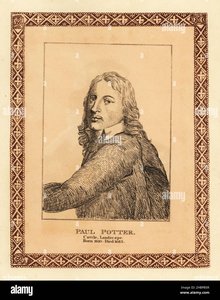
paulus pietersz potter
1625 - 1654 , Netherlands
プロフィール概要
- Artistic Movement Or Style: Baroque, Dutch Golden Age
- Artists Or Movements Influenced By This Artist:
- Jan Steen
- Rembrandt School
- Artists Who Influenced This Artist:
- Titian
- Michelangelo
- Date Of Birth: July 15, 1606
- Date Of Death: October 4, 1669
- Full Name: Rembrandt Harmenszoon van Rijn
- Nationality: Dutch
- Notable Artworks:
- The Night Watch
- Belshazzar's Feast
- The Anatomy Lesson
- Place Of Birth: Leiden, Netherlands

