 プレビュー
プレビュー
 プリントを購入
 シェアする
シェアする シェアする
シェアする
 詳細を見る
詳細を見る

 ダウンロード
 似ている作品
 X線調査
X線調査 スライドショー
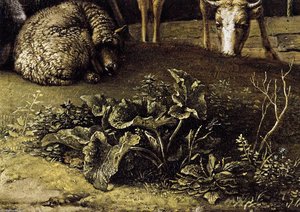
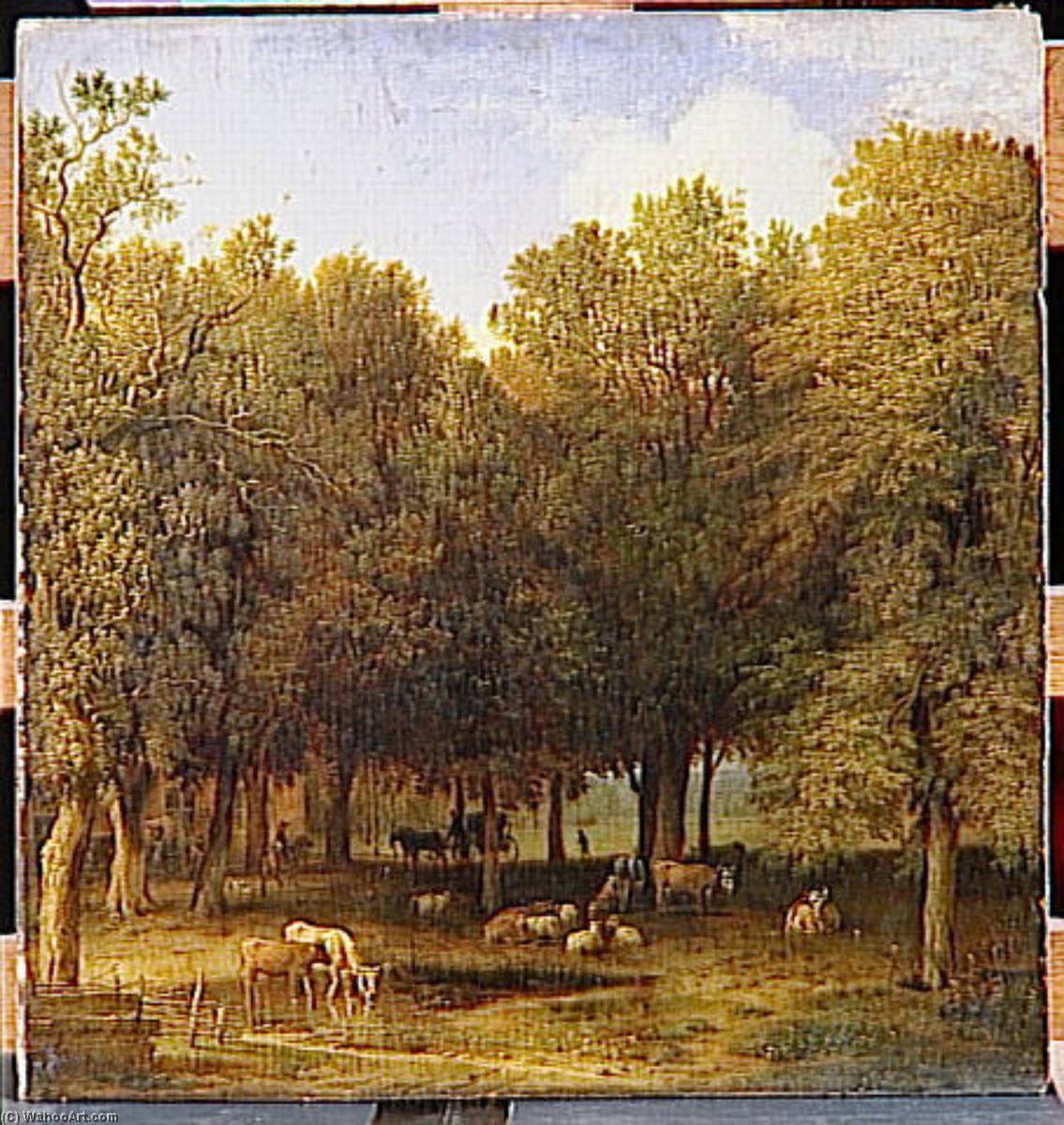
LE BOIS DE LA HAYE


 詳細を見る
詳細を見る




































作品のオリジナル比率に合わせた、当店の規定サイズからお選びください。

特定のフレームやスペースに合わせて、ご希望のサイズをご入力いただけます。選択されたサイズが元の画像の比率と異なる場合、アートワークをトリミングするか、手描きで要素を追加して絵画を拡張いたします。デジタルモックアップ を制作し、制作開始前にご確認(承認)をいただきます。
画面上のプレビューは、実際のトリミングや拡張を正確に反映しているものではありません。最終的な構図は、モックアップによってのみ正確にご確認いただけます。
カスタムサイズもご利用いただけますが、元の比率を維持するためには、あらかじめ用意されたリストからサイズを選択することをお勧めいたします。
ご注文後、ArtsDot.com チームより詳細な指示をお送りするとともに、仕上がりイメージ(モックアップ)をご提供いたします。


 ガラスオプションは、110cm未満のサイズでのみご利用いただけます。

LE BOIS DE LA HAYE
複製技法
複製画のサイズ
-


合計金額
$ 263
作品解説
A Window Into Dutch Pastoral Perfection: Exploring Paulus Potter’s “Le Bois de La Haye”
Paulus Potter stands as one of the most celebrated figures of the Dutch Golden Age, an artist whose unwavering devotion to capturing the essence of rural life cemented his legacy as a pioneer of realistic landscape painting. Though his artistic career tragically ended prematurely at just 29 years old in 1654, Potter’s singular vision continues to resonate with audiences today—particularly through reproductions like “Le Bois de La Haye,” a masterpiece housed in the Mauritshuis museum in The Hague. This monumental canvas transcends mere depiction; it embodies a profound philosophical stance on humanity's relationship with nature and represents a cornerstone of Dutch artistic achievement.The Scene: A Symphony of Tranquility
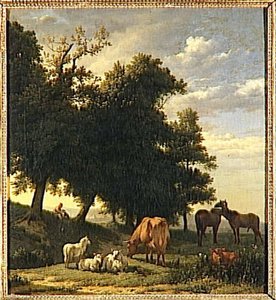
“Le Bois de La Haye,” which translates to “The Wood of La Haye,” presents an exquisitely rendered panorama of a serene forest clearing populated by grazing cows and sheep. Potter’s meticulous observation is immediately apparent—every leaf, every blade of grass, every subtle nuance of light and shadow feels painstakingly considered. The composition isn't merely aesthetically pleasing; it speaks to the prevailing humanist ideals of the era, reflecting a belief in the beauty and moral significance of the natural world. Unlike idealized depictions favored by earlier artists, Potter eschews romantic embellishment, opting instead for an unflinching portrayal of reality—albeit one imbued with palpable emotion.Technique: Mastering Light and Texture
Potter’s mastery lies not only in his compositional choices but also in his groundbreaking technique. He employed a revolutionary method known as “chiaroscuro,” utilizing dramatic contrasts between light and dark to sculpt the forms of his subjects and create an illusion of depth that was unprecedented for its time. Potter painstakingly layered thin glazes of oil paint—a technique perfected by Rembrandt—to build up textures with remarkable accuracy. The resulting surface possesses a palpable warmth and luminosity, capturing the dappled sunlight filtering through the dense foliage with breathtaking realism. This meticulous layering process ensured that every brushstroke contributed to the overall impression of atmosphere and solidity.Historical Context: Reflecting Renaissance Ideals
“Le Bois de La Haye” emerged during a period marked by intellectual ferment—the Dutch Renaissance—where humanist thought challenged medieval dogma and championed observation as a path to understanding God’s creation. Potter's work aligns perfectly with this burgeoning movement, mirroring the philosophical preoccupation with portraying nature truthfully and conveying its spiritual significance. The painting reflects the broader cultural fascination with scientific inquiry and anatomical precision that characterized the era, demonstrating Potter’s commitment to capturing not just what he saw but also what he felt about it. It stands as a testament to the transformative influence of Renaissance ideals on Dutch art.Symbolism: Beyond Mere Representation
The scene itself is laden with symbolic meaning. The cows and sheep represent prosperity and fertility—essential elements of the pastoral ideal that underpinned Dutch society at the time. More profoundly, Potter’s depiction speaks to the harmonious coexistence between humanity and nature—a concept central to humanist philosophy. The stillness of the animals, combined with the muted palette and diffused lighting, evokes a sense of contemplative peace and invites viewers to contemplate the sublime beauty of the natural world. Potter's intention wasn't simply to record a landscape; he sought to communicate an ethical imperative—to appreciate and safeguard the wonders of creation.Emotional Impact: A Legacy of Serenity
Ultimately, “Le Bois de La Haye” transcends its formal qualities to elicit a powerful emotional response. The painting’s serene atmosphere fosters a feeling of tranquility and contemplation, transporting viewers back to a time when art served as a conduit for spiritual reflection. Potter's ability to convey emotion through meticulous observation—a hallmark of his artistic genius—continues to inspire admiration and awe centuries later. It remains an enduring emblem of Dutch artistic excellence and a poignant reminder of the transformative power of beauty in capturing the essence of human experience.関連作品

アーティストの略歴
光に照らされた短き生涯:パウルス・ポッターの世界
オランダ黄金時代における自然との深い結びつきを象徴する名、パウルス・ポッター。彼の歩んだ芸術の道は、悲劇的なほどに短かったものの、後世に与えた衝撃は計り知れないものでした。1625年11月20日、エンクハイゼンにて生を受け、同日に洗礼を受けた彼の物語は、すでに創造的な情熱を宿した家庭から始まりました。父ピーター・シモンズ・ポッターは、金箔を施した革の装飾品や愛らしい風俗画を得意とする熟練の画家であり、母アアルチェ・パウルスドル・バルトシウスもまた、高名な画家ヴィレム・バルトシウムスとの血縁を持つ芸術的な家系でした。この豊かな環境こそが、若きパウルスの芸術的感性の礎となったのは疑いようもありません。1628年にライデンへ、そして1631年には活気あふれる大都市アムステルダムへと移り住んだ家族の移動は、彼にとって決定的な転機となりました。より広い芸術的影響力と機会に触れる場を得たのです。アムステルダムにおいて、彼は父の指導のもと正式な修行を開始しましたが、一部の研究者は、クラース・モイエラートによる学びが彼の初期の発展をさらに形作った可能性を示唆しています。デルフトのギルドからハーグの風景画へ
ポッターの野心は、当時のオランダ共和国で画家を志す者にとって極めて重要なステップである、デルフトの権威ある聖ルカ・ギルドへの入会へと彼を導きました。しかし、彼の芸術的進路を真に決定づけたのは、1649年頃のハーグへの移住でした。名高い風景画家ヤン・ファン・ゴイエンの近くに拠点を構えたことは、驚くほど大きな影響をもたらしました。大気の揺らぎを見事に捉えるファン・ゴイエンの技法と、自然に対する写実的な描写は、ポッター自身のスタイルへと静かに浸透していったのです。この時期は、彼の私生活においても転換点となりました。1650年7月、彼はアドリアーナ・ファン・バッケレイエンデと結婚します。彼女の父が著名な建設業者であったことから、この婚姻は彼に有力な社交界への扉を開きました。この縁を通じて、ポッターはオランレルギーの高貴な人々との交流を持つようになり、後に彼のパトロンとなる高名なアマリア・フォン・ゾルム=ブラウンフェルスとも出会うことになります。1652年5月には、医師であり芸術愛好家でもあったニコラス・テュルプの招きで再びアムステルダムを訪れ、テュルプから息子のディルクの肖像画を依頼されるなど、さらなる評価を得る機会にも恵まれました。しかし、悲しいことに、この輝かしい成功の兆しは病によって断ち切られてしまいます。パウルス・ポッターは、わずか28歳という若さで、1654年1月17日、結核によりこの世を去りました。牧歌的なヴィジョン:その様式と主要作品
パウルス・ポッターは、躍動感あふれるオランダ黄金時代の絵画界において、独自の地位を築き上げました。彼は、広大で緻密に描き込まれた風景の中に、牛などの動物たちを魅力的に描き出すことで称賛を浴びたのです。その構図の特徴は、驚くほど低い視点(ロー・パースペクティブ)にあります。この芸術的な選択は、自然のスケールと壮大さを劇的に強調し、描かれた力強い獣たちさえも、広大な自然の中に小さく溶け込ませる効果を生んでいます。1647年頃に制作された『若い雄牛』は、現在ハーグのマウリッツハイス美術館に収蔵されている彼の最も象徴的な傑作です。発表当時は批評家から一部の戸惑いをもって迎えられたこともありましたが、後に、自然界との深い感情的な結びつきを表現した、ロマン主義の黎明期における先駆的な例として広く認められるようになりました。この傑作にとどまらず、ポッターは『厩舎の馬と人物』(1647年)、『猟師への罰』(1647年頃)、『豚舎の二頭の豚』(1649年)、そして『ウルフハウンド』(1650〜1652年頃)といった優れた作品を次々と残しました。また、数多くのエッチングを通じて、牛やその他の動物たちの細部を捉える多才な一面も見せています。遺産と永続する影響力
その生涯はあまりにも短かったものの、パウルス・ポターが遺した芸術的遺産は今もなお色あせることがありません。彼の作品は、並外れた才能と独自の視点の証として存在し続けています。ヤン・ファン・ゴイエンの影響は、ポッターの風景画における繊細な大気の表現や写実的な追求の中に、はっきりと見て取ることができます。しかし、ポッターは単なる模倣を超越していました。彼は自らの情景に感情的な深みを与え、当時の人々だけでなく、現代の鑑賞者の心をも深く揺さぶる力を宿らせたのです。今日、彼はロマン主義運動の前駆者として認識されており、自然が持つ崇高な力と、それが呼び起こす感情的な反応を予見していた存在といえます。短いキャリアの中で約100点の絵画を残した彼の功績は極めて大きく、19世紀にはその自然主義と深い情緒的共鳴が再評価されました。現在でも、故郷エンクハイゼンには、ヤギのスケッチをする彼を描いた像が建立されています。それは、自然界の美しさと威厳を捉えることに生涯を捧げた芸術家への、最もふさわしい賛辞といえるでしょう。芸術的特徴の要諦
- 低い地平線: ポッターは一貫して低い地平線を用いた構図を採用し、風景に圧倒的な広がりを与え、自然のスケールを強調しました。
- 写実的な動物描写: 動物を描く際の細部への徹底したこだわりは有名であり、その解剖学的な正確さと行動の描写において驚異的な精度を誇りました。
- 大気の演出: 彼の風景画には、光、影、霧といった繊細な大気効果が頻繁に現れ、それが各場面の情緒とリアリズムを決定づける重要な要素となっています。
- 抑制された色彩: ポッターは、オランダの田園地帯の自然な色合いを反映した、アースカラー主体の落ち着いたパレットを好みました。この控えめなアプローチが、作品にさらなる真実味と調和をもたらしています。
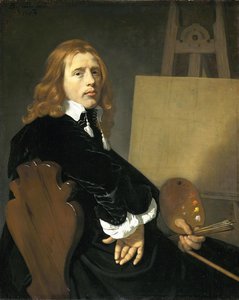
パウルス・ポッター
1625 - 1654
基本情報
- Artistic Movement Or Style: ロマン主義
- Artists Or Movements Influenced By This Artist: ['ロマン主義']
- Artists Who Influenced This Artist: ['ヤン・ファン・ゴイエン']
- Date Of Birth: 1625年11月20日
- Date Of Death: 1654年1月17日
- Full Name: パウルス・ポッター
- Nationality: オランダ
- Notable Artworks:
- 若い雄牛
- 厩舎の馬と人物...
- 猟師への罰
- 豚舎の2頭の豚
- ウルフハウンド
- Place Of Birth: オランダ、エンクハイゼン
関連記事
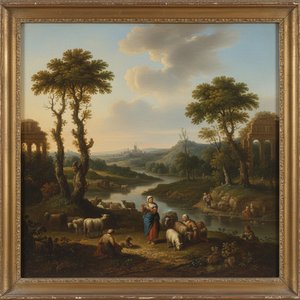
Nicolaes Berchem: Dutch Golden Age Pastoralism & the Evolution of Landscape Painting
Explore the captivating world of Nicolaes Berchem, a leading Dutch Golden Age painter. Discover his idyllic landscapes, masterful technique & lasting influence on art history. Learn more at ArtsDot.

黄金世紀の巨匠たち:バロック絵画が彩る10選|ArtsDot
オランダ黄金時代の10大傑作を紐解く!レンブラント、フェルメール…バロック絵画の魅力と時代背景を深く探求。ArtsDotで、至高のアートコレクションと空間演出のヒントを見つけよう。高品質なアートプリントで、お部屋を華やかに。
Golden Light & Dutch Skies: Bringing the Magic of Dutch Golden Age Landscapes into Your Home
Transform your home with the breathtaking light of Dutch Golden Age landscapes. Discover how hand-painted oil reproductions of masterworks like Ruisdael and Vermeer bring timeless elegance, atmosphere, and soulful texture to modern interiors. Elevate your space with museum-quality art.
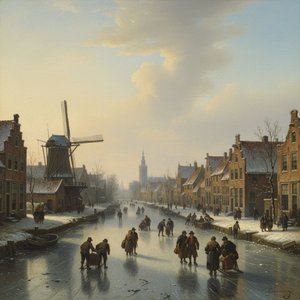
Charles Leickert: Capturing the Dutch Golden Age Light – A Comprehensive Study of Technique, Context, and Legacy
Explore the captivating winter landscapes of Charles Leickert, a master of Dutch Golden Age light & atmosphere. Discover his techniques, symbolism, and lasting legacy – a comprehensive study for art enthusiasts and collectors.

Golden Age Reflections: Dutch Baroque Painting & Cultural Innovation
Explore the Dutch Golden Age of painting! Discover key artists like Vermeer & ter Borch, their innovative techniques, and the rich cultural context behind these Baroque masterpieces. Learn about collecting & appreciating this iconic art period.