

 プレビュー
プレビュー
 プリントを購入
 シェアする
シェアする シェアする
シェアする
 詳細を見る
詳細を見る

 ダウンロード
 似ている作品
 X線調査
X線調査 スライドショー
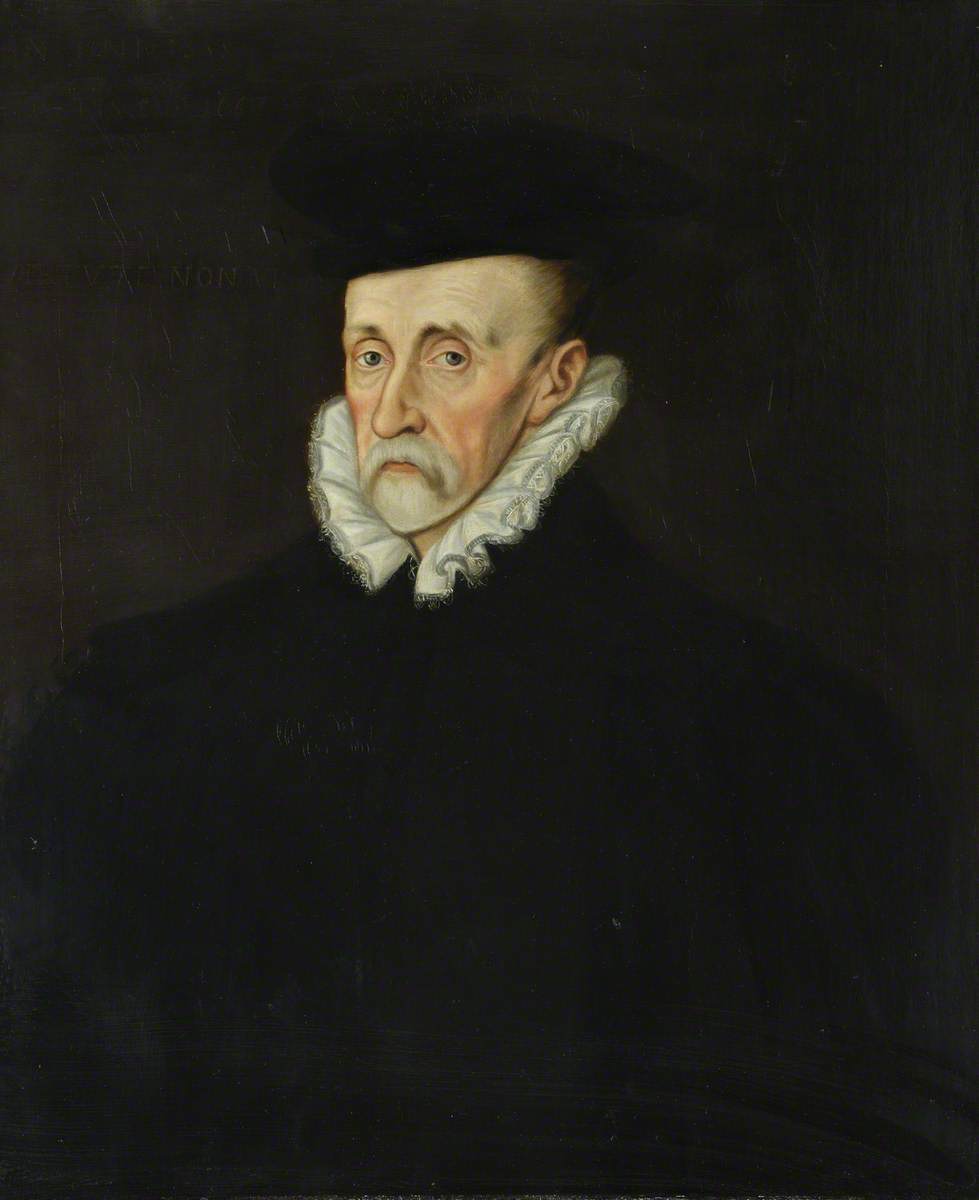
Sir Walter Mildmay (c.1522–1589), Fellow Commoner, Royal Servant, Chancellor of the Exchequer (1566–1589), Founder of Emmanuel College (1584)
 1904
1904 76.0 x 60.0 cm
 Christ's College
 詳細を見る
詳細を見る
オンラインプレビューをはるかに凌ぐ、高解像度で鮮明なデジタル画像をご購入いただけます。
各ファイルは、社内の専門家が高度なツールと熟練した手作業によるレタッチを用いて、細心の注意を払って準備されています。すべての画像において、卓越した鮮明度、正確な色彩再現性、そして繊細なディテールを保証いたします。
最終ファイルは、プロフェッショナルな編集・印刷環境ですぐにご利用いただけるよう最適化された状態で、72時間以内にメールにてお届けいたします。これは、一流のデザインスタジオ、出版社、ギャラリーから信頼されているものと同等の品質です。
デジタル画像のご注文に付随する特典
高品質なデジタル画像配信を、確かな品質で。
ArtsDot.com を選ぶことは、単に画像を手に入れることではありません。それは、プロの手によって精密に仕上げられ、満足保証が付いた高品質なデジタルアートワークを受け取ることを意味します。ご注文いただいた際に自動的に付随する内容は、以下の通りです:

メールですぐにお届け
ご注文から72時間以内に、高解像度のデジタル画像ファイルがメールでお手元に届きます。すぐにそのままご利用いただけます。

AI技術で最適化されたデジタルファイル
お客様の作品は、高度なAIツールと専門家による手作業の編集を組み合わせてプロフェッショナルに最適化されており、細部のディテール、鮮明さ、そして正確な色再現性を最大限に引き出しています。

一生涯無料の再送サービス
ファイルを誤って削除したり、紛失してしまったりしましたか?ご安心ください。いつでも無料で再送いたします。

輸入手数料は一切かかりません
関税や手数料、配送料を気にすることなく、お気に入りのアートワークをすぐにお楽しみいただけます。デジタルダウンロードは常に免税です。

色彩再現の保証
プロ仕様のツールとカラーマネジメント技術を用いることで、デジタル画像が元の色を最大限に忠実に再現することを保証いたします。

60日間満足保証
ご購入いただいたデジタル画像にご満足いただけない場合は、60日以内であれば、修正または100%の返金(理由を問う必要はありません)をさせていただきます。

100% 返金保証
ご満足いただけない場合は、デジタルファイルを受け取ってから60日以内であれば、理由を問わず全額返金いたします。

まとめ買い割引
3枚購入で10%OFF - 5枚購入で15%OFF - 10枚以上購入で20%OFF。クリエイティブなプロジェクト、ギャラリー、エージェンシーに最適です。
関連作品








作家の略歴
A Courtly Presence: The Life and Art of Paulus van Somer I
Paulus van Somer, a name that resonates softly within the annals of 17th-century portraiture, arrived in England from Antwerp around 1618, already possessing a maturity of style that quickly established him as a favored artist at the court of King James I. While biographical details remain somewhat elusive—a characteristic common to many artists of his era—van Somer’s impact on the visual landscape of the Jacobean period is undeniable. He wasn't merely a painter; he was a chronicler of an age, capturing the likenesses and aspirations of European nobility with a refined realism that set him apart. Born circa 1577 in Antwerp, van Somer emerged from a vibrant artistic tradition steeped in Flemish Renaissance techniques, yet his work displays a unique sensitivity and elegance tailored to the tastes of his new patrons. His brother, Barend van Someren, is noted as having travelled to Italy, though whether Paulus accompanied him remains uncertain; Karel van Mander’s writings suggest he was unmarried at this time. Before settling in London, van Somer spent time in Leiden between 1612 and 1614, residing with Steven de Gheyn, and a period in Brussels around 1616, experiences that undoubtedly shaped his artistic development before his ascent to prominence in England.The Royal Brush: Style and Technique
Van Somer’s success stemmed from his ability to portray not just the physical appearance of his sitters but also their status and character. His portraits are characterized by a meticulous attention to detail—the intricate lace collars, the rich fabrics of gowns, the subtle sheen of jewels—all rendered with remarkable precision. However, it was his skill in capturing likeness that truly distinguished him. He moved away from the more stylized conventions of earlier portraiture, embracing a naturalism that conveyed a sense of individual personality. His palette favored rich, warm tones, and he employed a soft, diffused lighting technique that lent his portraits an air of dignity and grace. He was adept at depicting textures, creating a tactile quality in his work that draws the viewer in. Van Somer’s influence can be seen as a bridge between the earlier formality of artists like Nicholas Hilliard and the more dynamic style of Daniel Mytens and Anthony van Dyck, who would later dominate the English court. He even paved the way for these successors by creating copies of his own royal portraits that they were then tasked with reproducing—a testament to the high regard in which his work was held.Patronage and Prominence: A Courtier’s Artist
The heart of van Somer's career lay within the orbit of King James I and Queen Anne of Denmark. He became one of their preferred portraitists, receiving numerous commissions for depictions of the royal couple and members of their court. His portraits weren’t simply representations; they were statements of power, wealth, and lineage. Figures like Ludovic Stewart, 2nd Duke of Lennox, Elizabeth Hastings, Countess of Huntingdon, and Lady Anne Clifford all sat before his easel, immortalized in canvases that reflected their social standing. Beyond the royal family, van Somer also attracted patronage from other prominent individuals, including Francis Manners, 6th Earl of Rutland, who commissioned portraits in both 1618 and 1619. Lady Anne Clifford’s diary entry recording a sitting on August 30, 1619, provides a rare personal glimpse into the artist's working life. His ability to cater to the tastes of diverse patrons solidified his position as a leading portraitist in England during this period.A Legacy of Likenesses: Major Works and Enduring Appeal
While a comprehensive catalogue raisonné of van Somer’s work remains elusive, several key portraits stand out as exemplars of his style and skill. His depictions of King James I and Queen Anne are particularly noteworthy for their regal bearing and psychological depth. The portrait of Elizabeth Drury, made famous by John Donne's elegies, is a fascinating example of his willingness to experiment with composition and symbolism—depicting the subject in a semi-recumbent pose unusual for portraits of the time, perhaps hinting at themes of melancholy or philosophical contemplation. His portraits of noble figures, such as Lady Elizabeth Grey, Countess of Kent, showcase his mastery of texture and detail, capturing the opulence and refinement of Jacobean court life. Today, van Somer’s works are held in prestigious collections around the world, including the Royal Collection, the National Portrait Gallery, and numerous museums across Europe and North America.Historical Significance: A Flemish Master in England
Paulus van Somer's contribution to English art extends beyond his technical skill and artistic talent. He represents a crucial link between the Flemish Renaissance tradition and the burgeoning portraiture styles of the 17th century. His arrival in England coincided with a period of significant cultural exchange, and he played a key role in introducing new techniques and aesthetic sensibilities to the courtly circles of London. He helped establish a standard for realistic portraiture that would influence generations of artists to come. While his life remains shrouded in some mystery, van Somer’s paintings offer a captivating window into the world of Jacobean England—a testament to the enduring power of art to capture not just likenesses but also the spirit of an age. He is remembered as a forerunner, paving the way for artists like Mytens and Van Dyck, and solidifying his place as a significant figure in the history of English portraiture.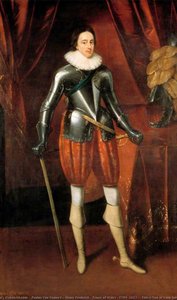
paulus van somer i
1577 - 1621
プロフィール概要
- Artistic Movement Or Style: Baroque
- Artists Or Movements Influenced By This Artist: ['Renaissance Art']
- Artists Who Influenced This Artist: ['Francis Bacon']
- Date Of Death: 1621
- Full Name: Paulus van Somer I
- Nationality: Dutch
- Notable Artworks:
- Catherine Vaux, Lady Abergavenny
- James I
- Queen Anne
- Place Of Birth: Antwerp

