

 プレビュー
プレビュー
 シェアする
シェアする シェアする
シェアする
 詳細を見る
詳細を見る

 ダウンロード
 似ている作品
 X線調査
X線調査 スライドショー
 統計情報
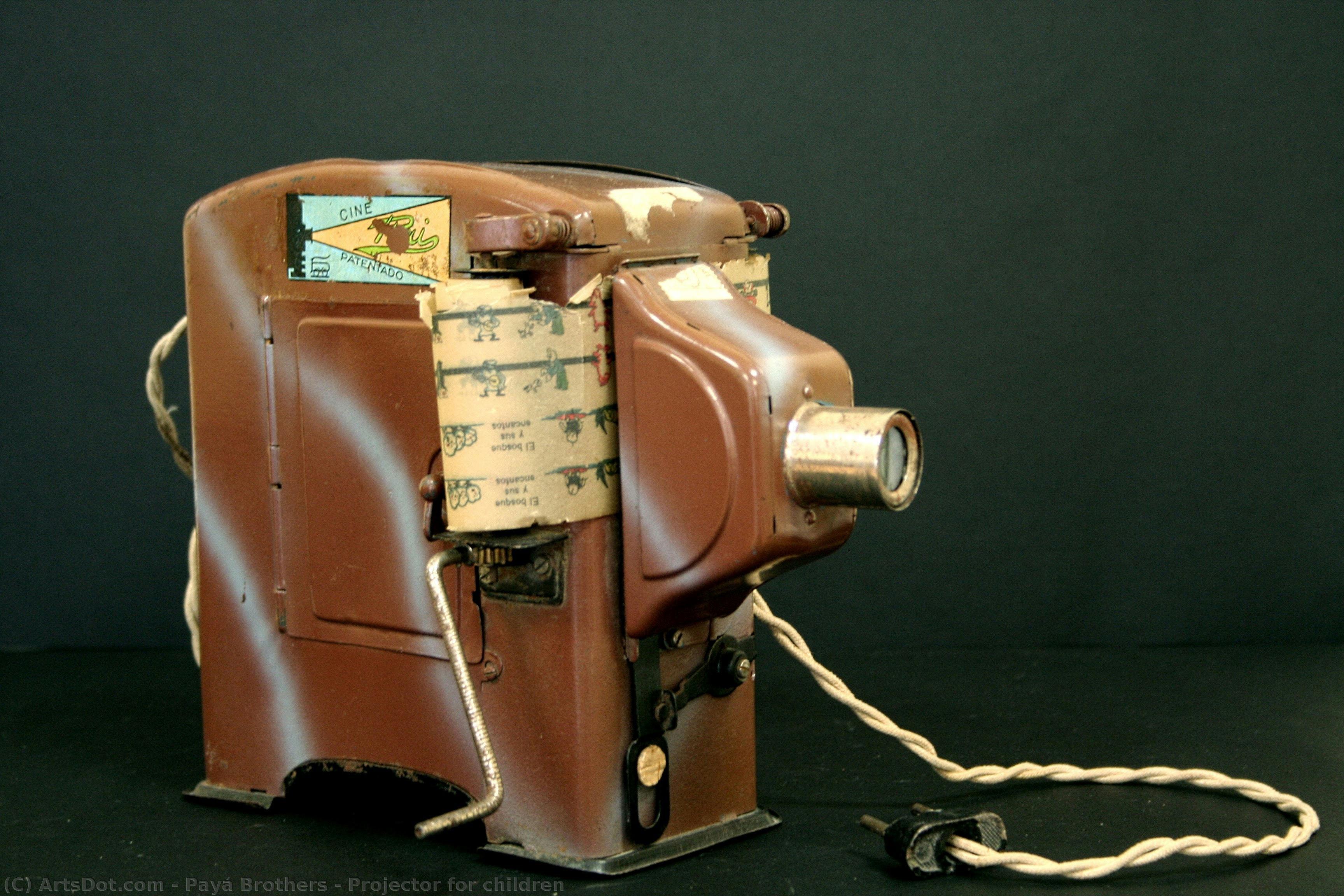
統計情報Projector for children
 20.0 x 25.0 cm
 Museo Pedagógico de Aragón
 詳細を見る
詳細を見る
オンラインプレビューをはるかに凌ぐ、高解像度で鮮明なデジタル画像をご購入いただけます。
各ファイルは、社内の専門家が高度なツールと熟練した手作業によるレタッチを用いて、細心の注意を払って準備されています。すべての画像において、卓越した鮮明度、正確な色彩再現性、そして繊細なディテールを保証いたします。
最終ファイルは、プロフェッショナルな編集・印刷環境ですぐにご利用いただけるよう最適化された状態で、72時間以内にメールにてお届けいたします。これは、一流のデザインスタジオ、出版社、ギャラリーから信頼されているものと同等の品質です。
デジタルアート
個人での鑑賞、印刷、クリエイティブなプロジェクト用に、高解像度ファイルをダウンロードできます。 ( プリント版に切り替え 手描きの絵画を購入)
デジタル画像のご注文に付随する特典
高品質なデジタル画像配信を、確かな品質で。
ArtsDot.com を選ぶことは、単に画像を手に入れることではありません。それは、プロの手によって精密に仕上げられ、満足保証が付いた高品質なデジタルアートワークを受け取ることを意味します。ご注文いただいた際に自動的に付随する内容は、以下の通りです:

メールですぐにお届け
ご注文から72時間以内に、高解像度のデジタル画像ファイルがメールでお手元に届きます。すぐにそのままご利用いただけます。

AI技術で最適化されたデジタルファイル
お客様の作品は、高度なAIツールと専門家による手作業の編集を組み合わせてプロフェッショナルに最適化されており、細部のディテール、鮮明さ、そして正確な色再現性を最大限に引き出しています。

一生涯無料の再送サービス
ファイルを誤って削除したり、紛失してしまったりしましたか?ご安心ください。いつでも無料で再送いたします。

輸入手数料は一切かかりません
関税や手数料、配送料を気にすることなく、お気に入りのアートワークをすぐにお楽しみいただけます。デジタルダウンロードは常に免税です。

色彩再現の保証
プロ仕様のツールとカラーマネジメント技術を用いることで、デジタル画像が元の色を最大限に忠実に再現することを保証いたします。

100日間満足保証
ご購入いただいたデジタル画像にご満足いただけない場合は、100日以内であれば、理由を問わず修正または100%の返金対応をさせていただきます。

100% 返金保証
ご満足いただけない場合は、デジタルファイルを受け取ってから100日以内であれば、理由を問わず全額返金いたします。

まとめ買い割引
3枚購入で10%OFF - 5枚購入で15%OFF - 10枚以上購入で20%OFF。クリエイティブなプロジェクト、ギャラリー、エージェンシーに最適です。
関連作品








作家の略歴
The Payá Brothers: Architects of a Cuban Toy Revolution
Born in the heart of Ibiza, Spain, in 1905, the Payá brothers – Emilio, Pascual, and Vicente – weren’t merely toy makers; they were pioneers. Their story is one of familial legacy, innovative design, and ultimately, a profound impact on the cultural landscape of Spain and beyond. Initially established as metalworkers crafting domestic goods, the family's keen eye for detail and burgeoning interest in children’s entertainment led them to transform their workshop into the Payá Hermanos factory – a name that would become synonymous with quality and imagination.
The early years were marked by a dedication to traditional craftsmanship. They began producing miniature versions of household items, charming trinkets destined for young hands. However, it was their foray into creating toys that truly ignited the company’s trajectory. Recognizing a burgeoning market and fueled by a desire to bring joy to children, they embraced new technologies – notably, the introduction of plastic injection molding in 1932, a groundbreaking move for Spain at the time. This bold step allowed them to produce more complex and durable toys than ever before, setting them apart from their competitors.
The Payá brothers’ output was remarkably diverse, encompassing everything from intricate trains and meticulously detailed cars to whimsical airplanes and charming figurines. Their designs weren't simply functional; they possessed a distinct aesthetic – a blend of classic European style with a touch of Spanish flair. They were masters of their craft, employing skilled artisans who poured their passion into each piece. The factory’s success wasn’t just about production volume; it was about the meticulous attention to detail and the enduring quality that became the Payá brand's hallmark.
A Golden Age in Ibiza
The mid-20th century witnessed a remarkable expansion for the Payá Hermanos factory. Situated in Ibi, a small town within the province of Alicante, Spain, it quickly became the dominant toy manufacturer in the country, employing hundreds of workers and shaping the childhoods of generations. The factory’s growth mirrored the broader economic prosperity of post-war Spain, and its success was inextricably linked to the region's burgeoning industrial sector.
The Payá brand achieved international recognition, particularly for its iconic “Santa Fe” locomotive – a miniature marvel that captured the imagination of children worldwide. Their toys weren’t just manufactured; they were imbued with a sense of nostalgia and adventure, reflecting the spirit of a nation embracing modernity while retaining its rich cultural heritage. The factory's output was so significant that Ibi became known as the “Toy Capital” of Spain – a testament to the Payá brothers’ vision and entrepreneurial spirit.
Challenges and Legacy
Despite their remarkable success, the late 1970s and early 1980s brought significant financial difficulties for the Payá Hermanos factory. The changing economic landscape of Spain, coupled with internal challenges, ultimately led to its acquisition by the Famósia group in 1992. While the Payá brand itself continued to operate as a sub-brand under Famósia, the original factory ceased production.
However, the legacy of the Payá brothers endures. Their innovative designs and commitment to quality continue to be celebrated today, and their story serves as an inspiring example of family entrepreneurship and industrial ingenuity. The restoration of the old factory building in recent years has transformed it into a museum – a poignant reminder of a bygone era and a celebration of the toys that brought joy to countless children.
The Payá Brothers Museum: A Window into a Lost World
Today, visitors can explore the meticulously preserved workshops and production areas of the former Payá factory. The museum offers a fascinating glimpse into the history of Spanish toy manufacturing, showcasing original tools, machinery, and prototypes alongside a remarkable collection of vintage toys. The exhibits vividly illustrate the brothers’ innovative spirit and their dedication to craftsmanship.
Two distinct museums occupy the space: the Valencia Region Toy Museum, which houses a comprehensive display of historical toys from across Spain and beyond, and the Ibi Museum of Biodiversity, dedicated to the natural history of the region. Both museums offer unique insights into the local heritage and the broader context of the Payá factory’s rise to prominence. The museum stands as a testament to the enduring appeal of these iconic Spanish toys and the remarkable story of the family that brought them to life.
Oswaldo Payá: A Voice for Freedom
It's important to acknowledge the intertwined fate of the Payá brothers with Oswaldo Payá, one of their sons. Oswaldo Payá Sardiñas (1952-2012) was a prominent Cuban opposition leader who dedicated his life to advocating for democracy and human rights in Cuba. He founded the Christian Liberation Movement (MCL), which played a crucial role in organizing petitions like the Varela Project – a campaign demanding greater freedoms for the Cuban people.
Oswaldo Payá’s activism tragically ended with his death in 2012, under circumstances that remain disputed. The Cuban government claimed it was an accident, while his family and supporters maintain he was deliberately killed. Rosa María Payá Acevedo, Oswaldo's daughter, has continued her father's work as a human rights activist, carrying on his legacy of resistance and advocating for justice. Her tireless efforts have ensured that the story of her father – and the broader struggle for freedom in Cuba – remains firmly in the public consciousness.
payá brothers
1905 - , Spain
プロフィール概要
- Artistic Movement Or Style: Metal toys
- Artists Or Movements Influenced By This Artist: ['Famósia Brand']
- Date Of Birth: 1905, Ibiza, Spain
- Date Of Death: Living
- Full Name: Payá Brothers
- Nationality: Spanish
- Notable Artworks:
- Projector for children
- Projector for children
- Place Of Birth: Ibiza, Spain