 プレビュー
プレビュー
 シェアする
シェアする シェアする
シェアする
 詳細を見る
詳細を見る

 ダウンロード
 似ている作品
 X線調査
X線調査 スライドショー
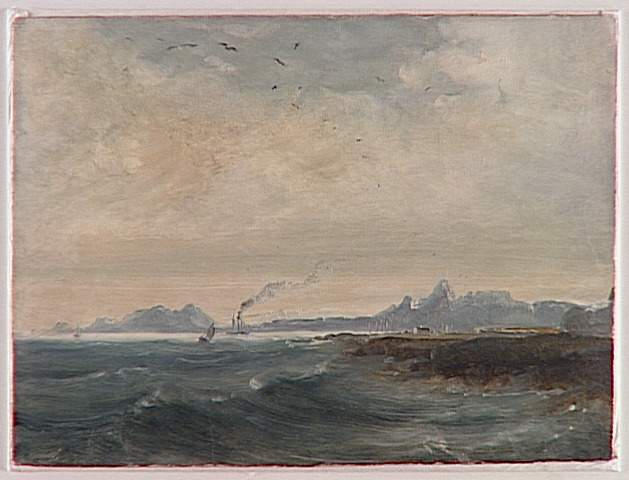
VUE DE VAER OE (AUJOURD'HUI VAEROY)


 詳細を見る
詳細を見る
ジークレー/アートプリント
迅速な制作と多彩な仕上げオプションを備えた、ミュージアムクオリティのジークレーまたはキャンバスプリント。 ( 手描きの絵画を購入 画像を購入)




P118B $10

P118H $10

P118W $10

P438Z $10

P508JH $12

P508YH $12

P805H $10

P805Z $10

P919BZ $10

P919G $10

P919XJ $10

P959ZH $10

P968JZ $12

W106C $8

W218G $10

W218JH $8

W218Y $10

W307PJ $10

W316G $10

W316PJ $8

W316Y $10

W398PJ $8

W4111J $10

W500HY $15

W500JH $15

W692G $12

W849H $8

W940BG $15

W953PJ $8




作品のオリジナル比率に合わせた、当店の規定サイズからお選びください。

特定のフレームやスペースに合わせて、ご自身でサイズを指定することも可能です。選択されたサイズが元の画像の比率と一致しない場合、作品をトリミングするか、鏡面反射または単色での塗りつぶしによって画像を拡張いたします。制作を開始する前に、ご確認用のデジタルモックアップをお送りいたします。
画面上のプレビューには、実際のトリミングや拡張は反映されませんのでご注意ください。最終的な構図を正確に確認できるのは、モックアップのみとなります。
カスタムサイズも承っておりますが、元の比率を維持するためには、あらかじめ用意されたリストからサイズを選択することをお勧めいたします。


 ガラスオプションは、110cm未満のサイズでのみご利用いただけます。

VUE DE VAER OE (AUJOURD'HUI VAEROY)
ジークレー/アートプリント
複製画のサイズ
-


合計金額
$ 62
作品詳細説明
A Storm-Swept Vision: Peder Balke’s “Vue de Vaer-Öe”
Peder Balke's "Vue de Vaer-Öe (aujourd'hui Voeröy)," a remarkably evocative sketch rendered with a palpable sense of drama and solitude, offers a profound glimpse into the heart of 19th-century Norwegian Romanticism. Born on the remote island of Helgøy in 1804, Balke’s life was inextricably linked to the rugged beauty of his homeland – a connection that profoundly shaped his artistic vision. This particular work, now housed within the Louvre's collection, isn’t merely a depiction of a coastal scene; it’s a carefully constructed meditation on nature’s power and the human condition’s relationship to it. The sketch itself, executed with a loose, almost frantic energy, hints at the urgency of capturing a fleeting moment – perhaps a particularly violent squall or the melancholic aftermath of a storm.
Composition and Atmospheric Detail
The composition immediately draws the eye towards the turbulent sea dominating the lower half of the canvas. Jagged, dark shapes—likely representing distant cliffs or islands—loom against a bruised, gray sky, creating a sense of imposing scale. A small boat, barely discernible amidst the waves, suggests human vulnerability in the face of nature’s might. The horizon line is deliberately soft and indistinct, contributing to the overall atmospheric depth rather than offering a precise delineation of land and sea. Balke masterfully employs color gradations – subtle shifts from cool blues and grays to muted browns and tans – to build spatial recession and imbue the scene with an ethereal quality. The absence of strong highlights or shadows further enhances this sense of diffused light, mirroring the prevailing weather conditions and fostering a mood of quiet contemplation.
Technique and Painterly Expression
Balke’s technique is characterized by its deliberate roughness and painterly spontaneity. Visible brushstrokes—short, broken marks applied with evident energy—create a textured surface that invites the viewer to engage with the materiality of the paint itself. This approach departs significantly from the more polished styles prevalent at the time, prioritizing emotional expression over meticulous detail. The loose handling of form allows for an immediacy and dynamism rarely found in academic landscapes. It’s as if Balke is attempting to capture not just what he *sees*, but what he *feels* – a raw, unfiltered response to the power and beauty of the natural world. The sketch's quality suggests it was intended as a preliminary study for a larger work, further emphasizing its exploratory nature.
Symbolism and Emotional Resonance
"Vue de Vaer-Öe" resonates with the core tenets of Romanticism: an appreciation for untamed nature, a fascination with the sublime, and a heightened awareness of human emotion. The turbulent sea, often associated with chaos and uncertainty, serves as a potent symbol of life’s challenges. The solitary boat represents humanity's smallness in comparison to the vastness of the natural world. The muted color palette and atmospheric perspective evoke feelings of solitude, introspection, and perhaps even melancholy—a poignant reflection on the fleeting nature of existence. Balke wasn’t simply painting a landscape; he was exploring the emotional landscape within himself, mirroring the dramatic beauty of his native Norway.
Historical Context and Artistic Legacy
Peder Balke's work emerged during a period of significant artistic and social change in Norway. The Romantic movement, with its emphasis on individualism, emotion, and the power of nature, was gaining momentum across Europe. Balke’s unique style—characterized by his dramatic use of light and color, his loose brushwork, and his deeply personal vision—established him as a pivotal figure in Norwegian art history. His legacy extends beyond his individual paintings; he helped to shape the national artistic identity of Norway, inspiring generations of artists to capture the beauty and drama of their homeland. Reproductions of “Vue de Vaer-Öe” continue to captivate viewers today, offering a timeless connection to this remarkable artist and his evocative vision.
関連作品
アーティストの略歴
ノルウェーのロマン主義的先見者:ペダー・バルケの生涯と芸術
1804年、ノルウェーの素朴な島、ヘルゲイヤに生まれたペダー・アンデルセン・バルケは、19世紀の風景画の伝統において、極めて独創的な響きを持つ表現者として登場しました。彼の歩んだ道は、農村部の困窮と社会的な制約という背景の中で、芸術への情熱を貫き通した不屈の物語です。ノルウェーの荒々しくも美しい自然の中で育まれた経験は、彼の作品の決定的な特徴となる、自然との深い結びつきを彼に刻み込みました。農家に生まれた身でありながら、バルケの天賦の才は地域社会によって認められ、人々は力を合わせて彼の芸術教育を支援しました。これは、たとえささやかな暮らしの中であっても、創造性が尊ばれていたことの証といえるでしょう。この初期の励ましが彼を正式な修行へと駆り立てました。まずはハインリヒ・アウグスト・グロッシュやヤコブ・ムンシュに学び、その後、ストックホルムの王立スウェーデン美術アカデミーにてカール・ヨハン・ファルクランツに師事し、さらにはヨハン・クリスチャン・ダールと共にその技を磨いていったのです。
独自の様式の形成
バルケの芸術的発展は、技法と表現に対する絶え間ない探求によって特徴づけられます。彼は単に目に見える世界を再現することに満足しませんでした。むしろ、その感情的な本質、すなわち「崇高な力」を捉えようとしたのです。彼の絵画は、劇的な光の使い道によって即座にそれと判別できます。しばしば、天上の輝きに包まれた場面や、大気の暗闇に沈んだ情景が描かれます。この光への執着、特に月光や黄昏時の一瞬の移ろいへの関心は、彼の様式の代名詞となりました。彼は、質感のある筆致と型破りな色彩感覚を特徴とする独特のブラッシュワークを開発し、従来のロマン主義的な風景画とは一線を画す、夢幻的な質感を創り出しました。それはまるで、彼が単に「見たもの」を描いたのではなく、自然の存在に触れて「感じたこと」を描き出したかのようです。
ノルウェーの風景:キャンバスに刻まれた国家のアイデンティティ
バルケは、生涯を通じて繰り返し描き続けたノルウェーの風景の、情感豊かな描写で最もよく知られています。1872年に描かれたVue de Christiania (現在のオスロ) のような作品は、ノルウェーの首都の都市生活を魅力的に垣間見せてくれますが、そこにおいても自然界は大きな存在感を放ち、街並みを縁取りながら、周囲の荒野との繋がりを観る者に思い起こさせます。Skjervøyの港(1846年)では、細部への緻レルギーなまでのこだわりと、沿岸部の港が持つ活気あるエネルギーを捉える能力が示されています。また、厳しい冬の情景と力強い光を湛えた古木(1840年)は、彼が到達した情緒と雰囲気の極致を体現しています。海景(1845年)や月光に照らされたノースケープ(1848年)は、ノルウェーの海岸線や北端の地が持つ、荒々しく手付かずの精神を伝える彼の手腕をさらに証明しています。これらは単なる美しい景色ではありませんでした。それらは国家のアイデンティティに関する宣言であり、ノルウェー独自の自然遺産への賛歌だったのです。
キャンバスを超えて:社会への良心
ペダー・バルケは単なる芸術家にとどまりませんでした。彼は、時代が直面していた切実な問題に積極的に関与した、献身的な社会改革者でもありました。彼は自らの資源と影響力を用いて他者の生活を向上させることを信じていました。その最も顕著な例が「バルケビ(Balkeby)」プロジェクトです。これは労働者に適切な居住環境を提供するために設計されたオスロの新しい郊外地区でした。彼は融資を行い、厳格な建築規制を課すことで、社会正義への実践的なコミットメントを示しました。さらに、バルケは芸術家への財政的支援を精力的に提唱し、創造性が社会において果たす極めて重要な役割を認識した上で、男女双方の芸術家に対する助成金や年金の確立を訴えました。こうした社会的大義への献身は、芸術を人間の幸福と本質的に結びついたものとして捉えていた、慈愛に満ちた先見的な人物像を浮き彫りにしています。
再発見と遺産
多大な貢献にもかかわらず、1887年の彼の死後、バルケの作品は長年にわたり、大部分が見過ごされてきました。彼の独自のビジョンに対する新たな評価が芽生え始めたのは、20世紀後半から21世紀初頭にかけてのことでした。ロンドンのナショナル・ギャラリー(2014-2015年)やメトロポリタン美術館(2017年)といった権威ある機関での大規模な展覧会は、彼の絵画をより広い聴衆に届け、批評的な称賛と学術的な関心を呼び起こしました。今日、ペダー・バルケはノルウェー美術史における極めて重要な人物として認められており、その劇的な風景と感情的な深みは、今なお観る者の心に響き続けています。彼の影は後世の北欧の芸術家たちの作品の中にも見ることができ、キャンバスの上にノルウェーの魂を捉えた真の先見者としての地位を不動のものにしています。
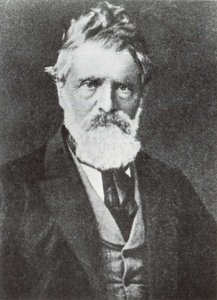
ペーデル・バルケ
1804 - 1887 , ノルウェー
基本情報
- Artistic Movement Or Style: ロマン主義的風景画
- Artists Or Movements Influenced By This Artist:
- 北欧美術
- ロマン主義
- Artists Who Influenced This Artist:
- ハインリヒ・グロッシュ
- ヤコブ・ムンク
- カール・ファルクランツ
- ヨハン・ダール
- Date Of Birth: 1804年
- Date Of Death: 1887年
- Full Name: ペダー・バルケ
- Nationality: ノルウェー
- Notable Artworks:
- クリスチャニアの眺め
- スキェルヴォイの港
- 古木
- 海景
- フレドリクスハル
- 月光に照らされたノースケープ
- Place Of Birth: ノルウェー、ヘグイ
関連記事

ロマン派ランドスケープ:時代を彩る巨匠の10選|アートとインテリアの世界
ロマン派絵画の時代を彩る10選。巨匠たちの風景が織りなす感動の世界へ。ターナー、ルーベンスなど、名作の裏話と高精細複製でアートをお部屋に。ArtsDot.comで至福のアート体験を。

ジョン・コンスタブルの傑作25選:英国風景画の巨匠が描く自然と光の詩 | ArtsDot
ジョン・コンスタブルの傑作25選。英国風景画の巨匠が描く自然と光の詩の世界へ。ロマン主義を代表する絵画、デダム・ヴェールやヘイ・ウェインなど、ArtsDotで高品質なアートプリントをお楽しみください。インテリアに深みと感動を。コレクションはこちら。

Evocations of Place: A Historical Journey Through Landscape Art
Explore the rich history of landscape art with ArtsDot. Discover renowned artists, movements like Impressionism & Romanticism, and expert guidance for collecting timeless pieces. Find your perfect serene escape today!
Evoking the Horizon: A Historical & Artistic Exploration of Coastal Scenes in Painting
Explore the rich history of coastal scenes in painting! Discover Impressionist masterpieces, American realism & contemporary visions. Learn about renowned artists and find your perfect seascape at ArtsDot.
The Allure of the Horizon: A Comprehensive Exploration of Seascape Art Through History & Emotion
Explore the captivating world of seascape art! Discover its history, key artists & movements – from Dutch Masters to Impressionism. Expert insights for collectors and enthusiasts at ArtsDot.