

 プレビュー
プレビュー
 プリントを購入
 シェアする
シェアする シェアする
シェアする
 詳細を見る
詳細を見る

 ダウンロード
 似ている作品
 X線調査
X線調査 スライドショー
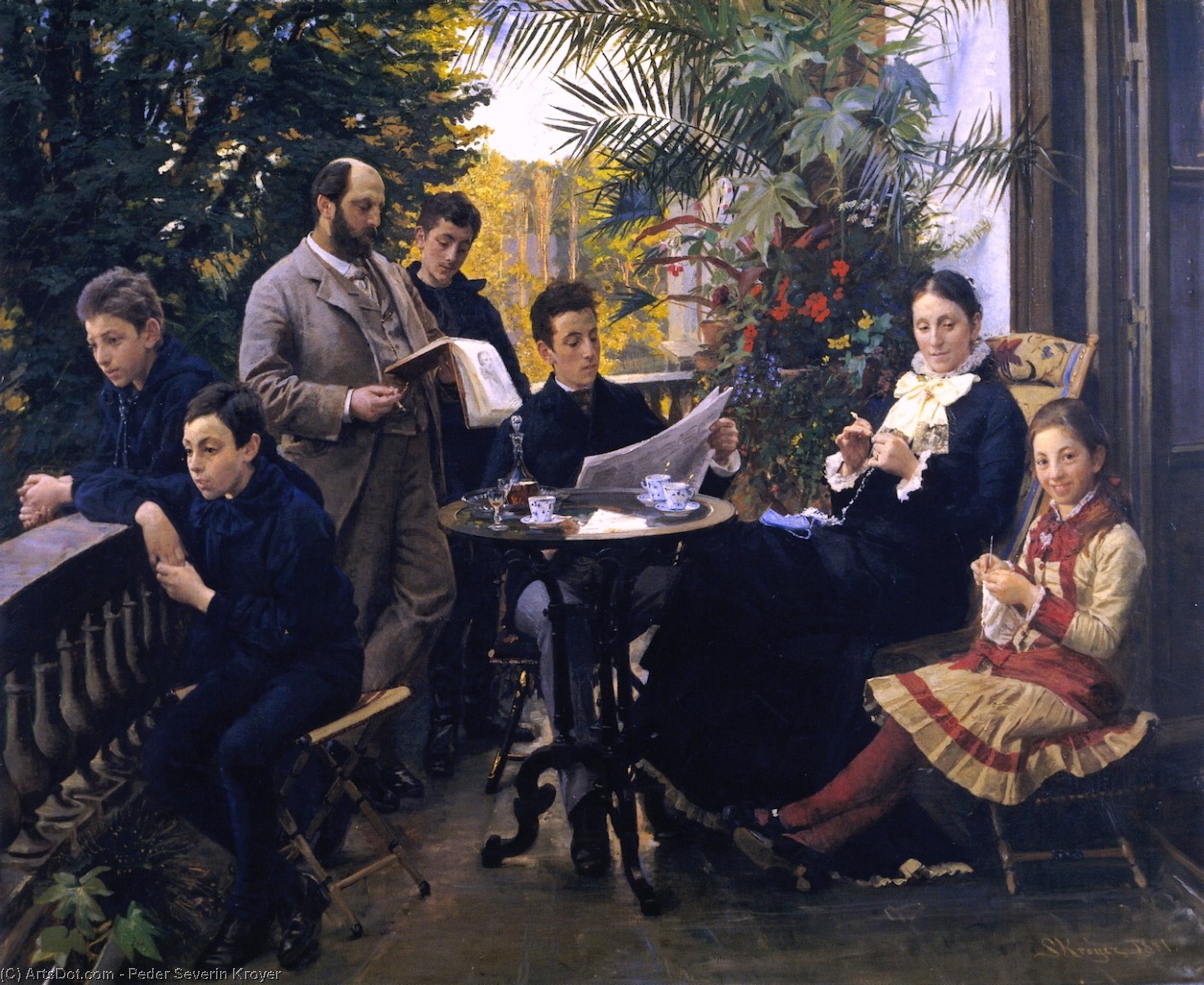
Portrait of the Hirschsprung Family
 Oil On Canvas
- WallArt
- Realist Danish Painting
 1881
1881 108.0 x 128.0 cm
 Hirschsprung Collection
 詳細を見る
詳細を見る




P118B $10

P118H $10

P118W $10

P438Z $10

P508JH $12

P508YH $12

P805H $10

P805Z $10

P919BZ $10

P919G $10

P919XJ $10

P959ZH $10

P968JZ $12

W106C $8

W218G $10

W218JH $8

W218Y $10

W307PJ $10

W316G $10

W316PJ $8

W316Y $10

W398PJ $8

W4111J $10

W500HY $15

W500JH $15

W692G $12

W849H $8

W940BG $15

W953PJ $8




作品のオリジナル比率に合わせた、当店の規定サイズからお選びください。

特定のフレームやスペースに合わせて、ご希望のサイズをご入力いただけます。選択されたサイズが元の画像の比率と異なる場合、アートワークをトリミングするか、手描きで要素を追加して絵画を拡張いたします。デジタルモックアップ を制作し、制作開始前にご確認(承認)をいただきます。
画面上のプレビューは、実際のトリミングや拡張を正確に反映しているものではありません。最終的な構図は、モックアップによってのみ正確にご確認いただけます。
カスタムサイズもご利用いただけますが、元の比率を維持するためには、あらかじめ用意されたリストからサイズを選択することをお勧めいたします。
ご注文後、ArtsDot.com チームより詳細な指示をお送りするとともに、仕上がりイメージ(モックアップ)をご提供いたします。


 ガラスオプションは、110cm未満のサイズでのみご利用いただけます。

Portrait of the Hirschsprung Family
複製技法
複製画のサイズ
-


合計金額
$ 263
Portrait of the Hirschsprung Family: A Window into Danish Domesticity
Peder Severin Krøyer’s “Portrait of the Hirschsprung Family,” painted in 1881, isn't merely a depiction of a family gathering; it’s a meticulously crafted tableau vivant—a snapshot of bourgeois life imbued with quiet intimacy and subtle social commentary. Housed within the esteemed Hirschsprung Collection in Copenhagen, this oil on canvas offers a rare glimpse into the domestic sphere of Heinrich Hirschsprung, a successful cigar manufacturer, and his extended family. Measuring 108 x 128 cm, the painting immediately draws the viewer in with its warm palette and the palpable sense of comfortable familiarity.
Krøyer’s artistic style is firmly rooted in the realist tradition prevalent in Denmark during the late 19th century, yet he transcends simple representation. He masterfully employs a technique that balances meticulous detail with an atmospheric softness—a hallmark of his approach to capturing fleeting moments and emotional nuances. Notice how he renders the textures of the fabrics, the sheen on the porcelain cups, and the subtle play of light across the faces, all contributing to a remarkably lifelike quality. The composition itself is carefully orchestrated; the arrangement of figures around the dining table creates a sense of unity while simultaneously highlighting individual personalities. The inclusion of books suggests intellectual pursuits, subtly hinting at the family’s cultural aspirations.
A Family Portrait Steeped in Context
Understanding the historical context surrounding “Portrait of the Hirschsprung Family” is crucial to appreciating its significance. The painting emerged during a period of burgeoning industrialization and social change in Denmark, yet it firmly anchors itself within the values of traditional family life. Heinrich Hirschsprung’s success as a cigar manufacturer reflected the economic prosperity of the era, and his desire to document his family's status through art was not uncommon among wealthy industrialists of the time. The Hirschsprung Collection, established by Heinrich himself, served as both a personal legacy and a testament to Denmark’s growing artistic heritage.
Furthermore, Krøyer’s close relationship with the Hirschsprung family—he was a frequent guest at their home and even received financial support for his travels—deepened his understanding of their dynamics. This intimate connection is evident in the painting's subtle gestures and expressions, which convey a genuine sense of warmth and affection. The inclusion of the children, Ivar and Aage, adds to this feeling of domestic tranquility, while Robert, engrossed in his newspaper, represents the more reserved members of the family.
Symbolism and Emotional Resonance
Beyond its straightforward depiction of a family gathering, “Portrait of the Hirschsprung Family” is rich in symbolic meaning. The arrangement around the table—a central element of domestic life—represents connection, nourishment, and shared experience. The presence of books suggests intellectual curiosity and cultural engagement, while the quiet moments of observation hint at deeper emotional connections. Krøyer’s masterful use of light and shadow further enhances the painting's emotional impact, creating a sense of intimacy and warmth that draws the viewer into the scene.
The painting’s enduring appeal lies in its ability to evoke a powerful sense of nostalgia for a bygone era—a time when family life was centered around hearth and home. It is a poignant reminder of the importance of human connection, familial bonds, and the simple pleasures of everyday existence. Reproductions of this captivating work offer a beautiful way to bring a touch of Danish domesticity into any space, inviting contemplation and fostering a sense of warmth and belonging.
Additional Research & Details
- Artist Information: Peder Severin Krøyer (1851-1909) – A Norwegian-born Danish painter known for his evocative landscapes and portraits, particularly those depicting the Skagen artistic community.
- Date: 1881
- Size: 108 x 128 cm
- Location: Hirschsprung Collection, Copenhagen, Denmark
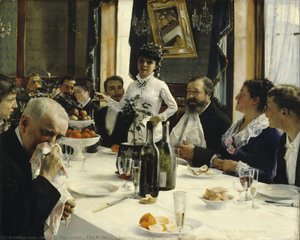
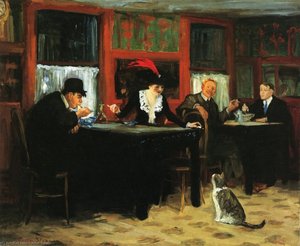
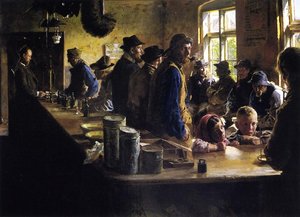
- Related Works by Krøyer: “Italian Village Hatters,” “Interior with the Artist’s Wife,” and “In the Store During a Pause from Fishing” – all part of the Hirschsprung Collection.
For more information, explore these resources:
関連作品

アーティストの略歴
光で描かれた生涯:ペダー・セヴェリン・クローイエの世界
ペダー・セヴェリン・クローイエという名は、印象派の他の巨匠たちに比べると、直感的にその名が浮かび上がってくることは少ないかもしれません。しかし、北欧美術の歴史において、彼が極めて重要な地位を占めていることに変わりはありません。1851年、ノルウェーのスタヴァンゲルに生まれたクローイエの幼少期は、少し変わった環境の中にありました。実の母ではなく、その姉と義理の兄であるデンマークの動物学者、ヘンリック・ニコライ・クローイエの手によって育てられた彼は、コペンハーゲンへと移り住み、芸術的な教養とともに科学的な探究心に満ちた世界に身を投じることになります。観察眼、精密さ、そして審美的な感性――この稀有な土壌が、彼の画法を深く形作ることとなりました。幼い頃の詳細は謎に包まれている部分もありますが、芸術への才能は早くから育まれ、わずか14歳でデンマーク王立美術アカデミーに入学したことは間違いありません。彼は瞬く間に頭角を現し、その天賦の才は、輝かしい画業の幕開けを予感させるものでした。写実主義から移ろいゆく印象派の砂紋へ
クローイエの芸術的な旅路は、確固たる写実主義、とりわけ肖像画というジャンルに根ざして始まりました。当時の肖像画は非常に高く評価され、画家としての地位を築く上でも経済的な基盤となる重要な分野でした。彼は人物の容貌を捉えることに長けており、その卓越した技術によってデンマーク社会における需要の高い画家としての地位を確立していきました。しかし、ヨーロッパ全土には変化の風が吹き荒れており、そこには印象派という革命的な思想が運ばれていました。クロー辺もその魅力に抗うことはできませんでした。パリへの数度の滞在は、モネ、ルノワール、ドガといった、伝統的な技法を捨て去り、光と大気の刹那的な瞬間を捉えようとした先駆者たちの画期的な作品との出会いをもたらしました。彼はこれらの影響を吸収し、次第に自身のスタイルへと取り入れていったのです。しかし、それは単なる模倣ではありませんでした。クローイエは印象派をそのまま受け入れるのではなく、自らの写実的な訓練と融合させることで、緻密な観察眼と、情緒的で移ろいゆく感覚を両立させた、独自の美学を創り上げたのです。スカーゲン:光とインスピレーションの植民地
クローイエのキャリアにおける転換点、そして彼が最も高く称賛される時期は、デンマーク北端に位置する遠く離れた漁村、スカーゲンの発見とともに訪れました。1882年、劇的な海岸風景と、その地に降り注ぐ独特な光の質に惹かれて、彼は初めてこの地を訪れます。スカーゲンは単なる場所以上の存在へと、瞬く間に変貌を遂げました。そこは画家、作家、知識人たちが集う活気ある芸術の聖域となったのです。クローイエはこのコミュニティの中心的存在となり、ミカエル・アンシャーやアンナ・アンシャーといった画家たち、そして作家ホルガー・ドラハマンと深い友情を育みました。1889年にはマリー・トリープケと結婚しますが、彼女自身もまた才能ある画家であり、彼の作品における頻繁なモデルでもありました。スカーゲンこそが、クローイエが真の「声」を見出した場所でした。海岸での生活、働く漁師たち、そして仲間たちの親密な肖像など、彼の最も象徴的な作品の数々はこの地で誕生したのです。おそらく彼の最も有名な作品である『スカーゲンの南の浜辺の夏の夕暮れ』は、この時代の極致と言えるでしょう。光と大気、そして芸術家たちの連帯感を見事に描き出したその傑作は、単なる風景の描写に留まりません。それは、安らぎ、帰属意識、そして夏の儚い美しさといった「感情」を呼び起こすものなのです。晩年と不朽の遺産
クローイエの人生の終盤は、個人的な悲劇と健康の衰えに彩られました。マリーとの結婚生活は悪化し、1905年には離婚に至ります。それと同時に、彼は視力の低下に苦しみ始めました。光の微細なニュアンスを捉えることに生涯を捧げた画家にとって、それはあまりにも残酷な打撃でした。しかし、こうした困難に直面してもなお、クローイエは描き続け、驚くべき回復力と決意を示しました。衰えゆく視力に適応するために技法を変化させ、片方の目を失ったことで、残された方の目の視力がかえって良くなったと冗談を飛ばしたほどでした。彼は1909年、スカーゲンでその生涯を閉じ、豊かな芸術的遺産を後世に残しました。印象派の他の仲間たちほどの国際的な名声を得るには至らなかったかもしれませんが、ペダー・セヴェリン・クローイエは北欧美術における不滅の巨星であり続けています。彼の絵画は、スカーゲンの活気ある芸術コミュニティとデンマーク海岸の静謐な美しさという、特定の時代と場所を覗き見るための唯一無二の窓なのです。写実主義と印象派的な技法を見事に融合させた彼の作品は、視覚的な素晴らしさと感情的な共鳴を兼ね備えています。彼の貢献は、単なる技術的な熟練に留まらず、ある特定の生き方の本質を捉え、それを次世代へと保存した点にあるのです。美術館とコレクション
- ヒルシュプルング・コレクション(コペンハーゲン):ハインリヒ・ヒルシュプルングによる長年の支援を反映し、クローイエの作品を数多く収蔵しています。
- スカーゲン美術館:ペダー・セヴェリン・クローイエの作品として世界最大級のコレクションを誇り、彼の芸術的発展とスカーゲンとの繋がりを深く知ることができます。
- デンマーク国立美術館(コペンハーゲン):デンマーク美術史におけるクローイエの貢献を象徴する、厳選された作品を展示しています。
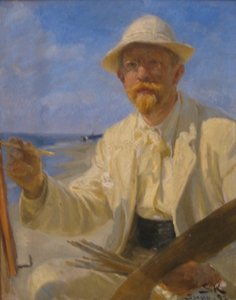
ペダー・セヴェリン・クリエール
1851 - 1909 , ノルウェー
基本情報
- Artistic Movement Or Style: 写実主義、印象派
- Artists Who Influenced This Artist: ['クロード・モネ']
- Date Of Birth: 1851年
- Date Of Death: 1909年
- Full Name: ペダー・セヴェリン・クリエール
- Nationality: デンマーク
- Notable Artworks:
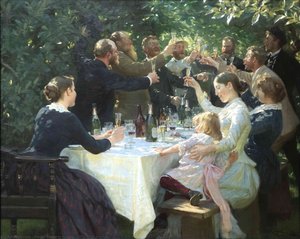
- 万歳! (Hip, Hip, Hurrah!)
- スカーエンの夏の日
- スカーエンの夏
- Place Of Birth: ノルウェー、スタヴァンゲル
関連記事
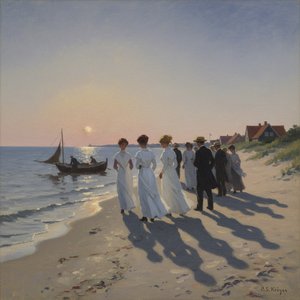
Peder Severin Krøyer: Capturing the Ephemeral Light of Danish Modern Life
Explore the luminous world of Peder Severin Krøyer, a master of Danish Impressionism. Discover his iconic Skagen paintings, artistic evolution, and lasting legacy. Learn about collecting Krøyer's works & find museum-quality reproductions.
Peder Mørk Mønsted: Capturing the Danish Golden Age Landscape – A Study in Atmospheric Realism
Explore the captivating landscapes of Peder Mørk Mønsted, a master of Danish Golden Age realism. Discover his atmospheric techniques, influences, and enduring legacy in our expert analysis.
Romantic Realism's Finest: 10 Masterpieces for Your Home | ArtsDot
Explore 10 defining masterpieces of Romantic Realism! Discover Courbet, Millet & Daumier's powerful paintings—capturing emotion and social realities. Find museum-quality reproductions for your home at ArtsDot.com.
Evolving Portraits: Personalized Art as a Chronicle of Family Life Across Generations
Create a timeless family legacy with custom portraits! ArtsDot connects you with skilled artists for heirloom-quality paintings & prints. Explore styles, commission your unique artwork today.

Echoes of Society: Exploring Social Realism's Enduring Legacy in Art
Explore the powerful world of Social Realism art! Discover key artists, masterpieces & its profound social commentary. Expert insights into this influential movement's history and enduring legacy.


