

 プレビュー
プレビュー
 プリントを購入
 シェアする
シェアする シェアする
シェアする
 詳細を見る
詳細を見る

 ダウンロード
 似ている作品
 X線調査
X線調査 スライドショー
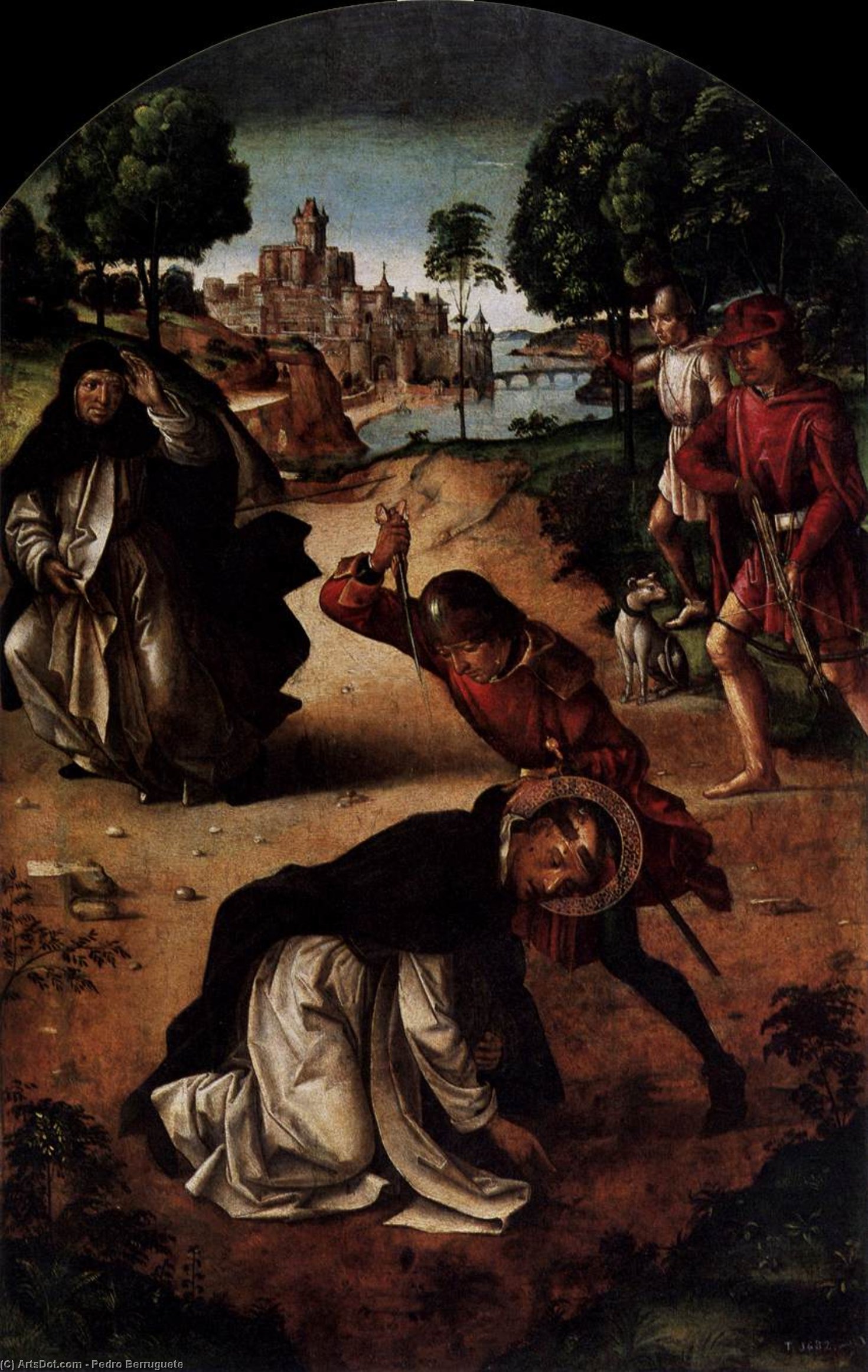
The Death of Saint Peter Martyr
 Acrylic On Canvas
- WallArt
- Hispano-Flemish Renaissance
 1495
1495 128.0 x 82.0 cm
 プラド美術館
 詳細を見る
詳細を見る




P118B $10

P118H $10

P118W $10

P438Z $10

P508JH $12

P508YH $12

P805H $10

P805Z $10

P919BZ $10

P919G $10

P919XJ $10

P959ZH $10

P968JZ $12

W106C $8

W218G $10

W218JH $8

W218Y $10

W307PJ $10

W316G $10

W316PJ $8

W316Y $10

W398PJ $8

W4111J $10

W500HY $15

W500JH $15

W692G $12

W849H $8

W940BG $15

W953PJ $8




作品のオリジナル比率に合わせた、当店の規定サイズからお選びください。

特定のフレームやスペースに合わせて、ご希望のサイズをご入力いただけます。選択されたサイズが元の画像の比率と異なる場合、アートワークをトリミングするか、手描きで要素を追加して絵画を拡張いたします。デジタルモックアップ を制作し、制作開始前にご確認(承認)をいただきます。
画面上のプレビューは、実際のトリミングや拡張を正確に反映しているものではありません。最終的な構図は、モックアップによってのみ正確にご確認いただけます。
カスタムサイズもご利用いただけますが、元の比率を維持するためには、あらかじめ用意されたリストからサイズを選択することをお勧めいたします。
ご注文後、ArtsDot.com チームより詳細な指示をお送りするとともに、仕上がりイメージ(モックアップ)をご提供いたします。


 ガラスオプションは、110cm未満のサイズでのみご利用いただけます。

The Death of Saint Peter Martyr
複製技法
複製画のサイズ
-


合計金額
$ 263
作品解説
The Death of Saint Peter Martyr: A Testament to Faith and Suffering
Pedro Berruguete’s “The Death of Saint Peter Martyr” is not merely a depiction of martyrdom; it's a profoundly moving tableau of faith, sacrifice, and the agonizing beauty of human suffering. Painted in 1495 during the cusp of the High Renaissance in Spain, this monumental work transcends its religious subject matter to become a universal meditation on mortality and devotion. Berruguete, a pivotal figure bridging the Gothic and Renaissance traditions, masterfully employs the emotional intensity of the late Gothic style while simultaneously embracing the burgeoning humanist ideals that would define the era. The painting’s power resides not just in its dramatic composition but also in the palpable sense of realism—a startling departure from the idealized representations common at the time—that draws the viewer into the heart of this pivotal moment.
The scene unfolds with brutal immediacy. Saint Peter, clad in simple robes and a crimson cloak, kneels before Emperor Nero’s executioners, his head bowed in acceptance of his impending fate. The sword poised to deliver the final blow is rendered with unsettling detail—the glint of steel, the tension in the hand wielding it—a stark contrast to the serene expressions often found in depictions of saints. Around him, figures react with varying degrees of grief and horror: a woman wails in despair, while others recoil in shock. The composition isn’t static; Berruguete captures the very essence of a violent event unfolding, imbuing it with a sense of urgency and raw emotion. Notice the careful attention to detail in the folds of the clothing, the textures of the skin, and the subtle shifts in expression—elements that contribute significantly to the painting's visceral impact.
A Masterclass in Technique: Berruguete’s Hybrid Style
Berruguete’s artistic approach is a fascinating blend of influences. He inherited the rich color palette and dramatic lighting characteristic of late Gothic art, particularly from his training in Spain. However, he also absorbed elements of the Italian Renaissance, notably in his use of perspective, anatomical accuracy (though still retaining a degree of stylized realism), and the dynamism of his figures. The painting’s tempera grassa technique—a mixture of egg yolk and oil—allowed for rich colors and subtle gradations of tone, contributing to the work's luminous quality. Observe how Berruguete uses light to sculpt the forms of the figures, creating a sense of volume and depth that is both dramatic and emotionally resonant.
The artist’s attention to detail extends beyond mere representation; he imbues each figure with psychological complexity. Saint Peter's posture—a mixture of resignation and quiet dignity—suggests not just physical suffering but also an acceptance of God’s will. Nero, depicted as a menacing figure consumed by cruelty, embodies the forces of evil confronting unwavering faith. The subtle gestures and facial expressions of the surrounding onlookers reveal their varied responses to the tragedy – fear, sorrow, disbelief, and even a glimmer of hope. Berruguete doesn't shy away from portraying the darker aspects of human nature, adding layers of moral complexity to the narrative.
Symbolism and Historical Context: A Reflection of Religious Anxiety
“The Death of Saint Peter Martyr” was created during a period of intense religious fervor and political instability in Spain. The Inquisition, established just a few years prior, cast a long shadow over the country, fueling anxieties about heresy and persecution. Saint Peter’s martyrdom—his execution by Emperor Nero for his unwavering faith—became a potent symbol of resistance against tyranny and a testament to the enduring power of belief. The painting served as a reminder of the sacrifices made in defense of religious principles.
The inclusion of the two horses, positioned strategically within the composition, adds another layer of symbolic meaning. Horses were often associated with imperial power and violence, suggesting the brutal nature of Nero’s reign and the ultimate triumph of faith over earthly authority. Furthermore, the reference to the “Credo or Credo in unum Deum” – "Believe or Believe in One God" - inscribed on the ground by Peter before his death underscores the central theme of the work: unwavering commitment to one's faith even in the face of imminent peril. This inscription is a powerful declaration of belief, echoing the core tenets of Christianity and serving as a lasting testament to Saint Peter’s sacrifice.
A Timeless Masterpiece: Reproductions and Artistic Legacy
“The Death of Saint Peter Martyr” remains one of Berruguete's most celebrated works, admired for its dramatic intensity, technical skill, and profound emotional resonance. Reproductions offer a remarkable opportunity to experience the power of this iconic painting firsthand. When selecting a reproduction, consider the quality of materials used—a high-quality print on archival paper will ensure that the colors remain vibrant and true for generations to come. This artwork’s enduring appeal lies in its ability to evoke a deep sense of empathy and contemplation, reminding us of the timeless themes of faith, sacrifice, and the human condition.
関連作品
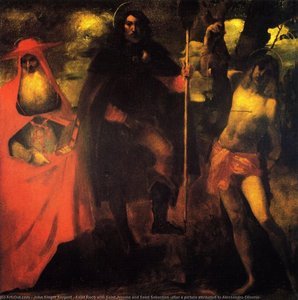
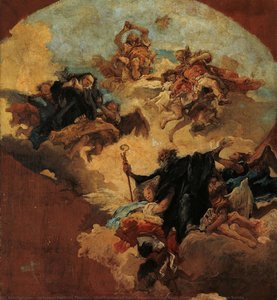
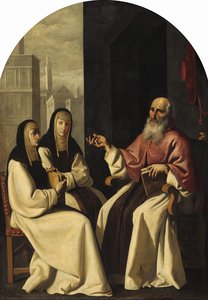
アーティストの略歴
ペドロ・ベルルゲテ:ゴシックの遺産とルネサンスの黎明を繋ぐ架け橋
ペドロ・ベルルゲテ(c. 1450 – 1504)は、スペイン美術史における極めて重要な人物であり、ゴシック絵画の荘厳な威厳から、イタリア・ルネサンスの芽生えゆく楽観主義へと向かう決定的な転換期を象徴しています。カスティーリャ地方のパレデス・デ・ナバに生まれた彼の正確な誕生年は、当時の芸術家に多く見られるように、記録が乏しいことから今なお謎に包まれています。しかし、貴族の血筋を引く彼は、芸術への探求のための確かな基盤を持っており、その情熱は最終的にスペインの視覚的風景を塗り替えることとなりました。 決定的な伝記的事実が欠けていることは、美術史家にとってもどかしい障壁ではありますが、ベルルゲテの作品群(オーヴル)は、彼がいかに様式的な革新を深く理解し、見事に体現していたかを雄弁に物語っています。彼はゴシック伝統の影の中から現れ、その表現豊かな熱情と細部への緻なく緻密な描写を吸収しながらも、同時にブルネレスキやドナテッロといったフィレンツェの巨匠たちが提唱したヒューマニズムの理想と幾何学的な精密さを取り入れました。この二面性は彼の絵画の中に鮮明に現れており、様式化された人物像が、丁寧に描き込まれた衣襞(ドレーパリー)や建築的要素と共存しています。これこそが、立ち上がりつつあったルネサンス的美学の真骨頂なのです。 彼の芸術的な旅路は、宗教的な激動の時代の中で勢いを増していきました。ベルルゲテの最も名高い作品には、初期の異端審問の場面が描かれており、当時の不安や道徳的葛藤を、一切の妥協のないリアリズムで捉えています。それと同時に、彼はカスティーリャの教会のために息を呑むほど美しいレタブロ(祭壇画)のパネルを制作し、その卓越した技術力と、深い精神的な物語を伝える能力を証明しました。これらの依頼を通じて、彼は当時の第一級の芸術家としての地位を確立し、美術史の正典における自らの場所を不動のものとしたのです。 1480年頃のベルルゲテによるイタリア渡航を巡る推測は、とりわけ興味深いものです。いくつかの証拠は、彼がウルビーノにあるフェデリコ3世・ダ・モンテフェルトロの宮廷に滞在し、ロレンツォ・デ・メディチの庇護のもとで育まれた活気ある芸術的環境に身を投じていたことを示唆しています。ユストゥス・ファン・ヘントも同時期にウルビーノで活動していたため、作品の帰属については議論が続いていますが、イタリア・ルネサンスの芸術家たちの影響がベルルゲテの思考や技法に浸透していたことは疑いようもありません。彼は1482年にスペインへと戻り、トレドやアビラに工房を構え、そこで自身の様式をさらに洗練させ、記念碑的な傑作を生み出し続けました。 そしておそらく最も重要なこととして、ベルルゲテは、ルネサンス期におけるスペイン最大の彫刻家とも目されるアロンソ・ベルルゲテ(c. 1475–1561)の父として知られています。この血縁関係は、ベルルゲテの重要性をさらに高めるものです。息子の彫刻における偉大な功績は、父の芸術的遺産の証となり、スペイン美術の中に力強い伝統を築き上げました。「ペドロ」と「アロンソ」という二人の名は、古い巨匠が若い才能を育み、芸術的な革新を前へと推し進めた、当時のスペインにおける広範な文化的変遷を反映しているのです。 署名や包括的な記録の欠如により、ベルルゲテの作品の帰属を特定することは依然として困難な課題です。しかし、様式分析と状況証拠を組み合わせることで、「ダビデ」、「エゼキエル」、「ソロモン」といった数々の傑作が彼の手によるものであることが説得力を持って結び付けられています。これらの作品は、ゴシックの荘厳さとルネサンスのダイナミズムとの絶妙な均衡を体現しており、表現豊かな衣襞、記念碑的なスケール、そして細部への細心の注意が特徴です。スペイン美術に対するベルルゲテの貢献は否定しようのないものであり、彼は、古き良き伝統を敬いながらも新たな地平を受け入れようとする国家の精神を体現した、芸術的転換期の灯台として燦然と輝いています。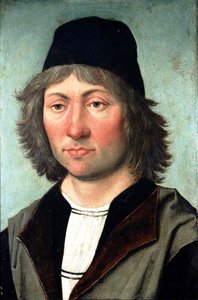
ペドロ・ベルルゲテ
1450 - 1504 , スペイン
基本情報
- Artistic Movement Or Style: ゴシックとルネサンスの移行期
- Artists Or Movements Influenced By This Artist: ['']
- Artists Who Influenced This Artist: ['']
- Date Of Birth: 1450年頃
- Date Of Death: 1504年
- Full Name: ペドロ・ベルゲテ
- Nationality: スペイン
- Notable Artworks:
- ダビデ
- エゼキエル
- ソロモン
- Place Of Birth: スペイン、パレデス・デ・ナバ
関連記事
The Golden Age Reforged: Dramatic Realism & Religious Zeal in Spanish Baroque Art
Explore the dramatic world of Spanish Baroque art! Discover masters like Zurbarán & the powerful influence of religious zeal on painting techniques – a guide for collectors and enthusiasts.
Rafael de Penagos: A Study in Spanish Portraiture & Artistic Identity
Explore the life & art of Rafael de Penagos, a leading Spanish Art Deco illustrator. Discover his iconic 'Penagos Woman', commercial work, and lasting legacy. Learn about this pivotal figure in 20th-century Spanish art history.
José Gutiérrez Solana: A Chronicle of Spanish Society Through Expressionist Vision
Explore the captivating world of José Gutiérrez Solana, a pivotal Spanish Expressionist painter. Discover his haunting depictions of early 20th-century Spain, influenced by Goya & El Greco. Learn about his key works and lasting legacy.
プラド美術館の至宝25選:名画が語るスペイン美術史 | ArtsDot
プラド美術館の至宝25選🎨 ベルラスケス、ゴヤの名画を紐解き、スペイン美術史を旅する。油絵、バロック、印象派…ArtsDotで高品質な複製画とインテリアアートを見つけよう。名画の世界をあなたの空間に✨ Explore the full collection online!
Manuel Benedito Vives: A Study of Light, Color & Emotional Resonance in Contemporary Spanish Painting
Explore the captivating world of Manuel Benedito Vives, a celebrated Spanish painter influenced by Sorolla. Discover his masterful portraits, luminous landscapes & enduring legacy – a favorite of the Spanish Royal Family. Art collectors will appreciate this in-depth study.

