

 シェアする
シェアする シェアする
シェアする
 詳細を見る
詳細を見る

 ダウンロード
 似ている作品
 スライドショー
 Stats
StatsH. Suite (XI)
 Sculpture
- Sculpture
- Contemporary Realism
 1993
1993- Modern
 205.0 x 250.0 cm
 Culturgest - Fundação Caixa Geral de Depósitos
 詳細を見る
詳細を見る
オンラインプレビューをはるかに凌ぐ、高解像度で鮮明なデジタル画像をご購入いただけます。
各ファイルは、社内の専門家が高度なツールと熟練した手作業によるレタッチを用いて、細心の注意を払って準備されています。すべての画像において、卓越した鮮明度、正確な色彩再現性、そして繊細なディテールを保証いたします。
最終ファイルは、プロフェッショナルな編集・印刷環境ですぐにご利用いただけるよう最適化された状態で、72時間以内にメールにてお届けいたします。これは、一流のデザインスタジオ、出版社、ギャラリーから信頼されているものと同等の品質です。
デジタルアート
個人での鑑賞、印刷、クリエイティブなプロジェクト用に、高解像度ファイルをダウンロードできます。 ( Switch to Print 手描きの絵画を購入)
デジタル画像のご注文に付随する特典
高品質なデジタル画像配信を、確かな品質で。
ArtsDot.com を選ぶことは、単に画像を手に入れることではありません。それは、プロの手によって精密に仕上げられ、満足保証が付いた高品質なデジタルアートワークを受け取ることを意味します。ご注文いただいた際に自動的に付随する内容は、以下の通りです:

メールですぐにお届け
ご注文から72時間以内に、高解像度のデジタル画像ファイルがメールでお手元に届きます。すぐにそのままご利用いただけます。

AI技術で最適化されたデジタルファイル
お客様の作品は、高度なAIツールと専門家による手作業の編集を組み合わせてプロフェッショナルに最適化されており、細部のディテール、鮮明さ、そして正確な色再現性を最大限に引き出しています。

一生涯無料の再送サービス
ファイルを誤って削除したり、紛失してしまったりしましたか?ご安心ください。いつでも無料で再送いたします。

輸入手数料は一切かかりません
関税や手数料、配送料を気にすることなく、お気に入りのアートワークをすぐにお楽しみいただけます。デジタルダウンロードは常に免税です。

色彩再現の保証
プロ仕様のツールとカラーマネジメント技術を用いることで、デジタル画像が元の色を最大限に忠実に再現することを保証いたします。

100日間満足保証
ご購入いただいたデジタル画像にご満足いただけない場合は、100日以内であれば、理由を問わず修正または100%の返金対応をさせていただきます。

100% 返金保証
ご満足いただけない場合は、デジタルファイルを受け取ってから100日以内であれば、理由を問わず全額返金いたします。

まとめ買い割引
3枚購入で10%OFF - 5枚購入で15%OFF - 10枚以上購入で20%OFF。クリエイティブなプロジェクト、ギャラリー、エージェンシーに最適です。
Pedro Cabrita Reis’s “H. Suite (XI)” – A Dialogue Between Geometry and Memory
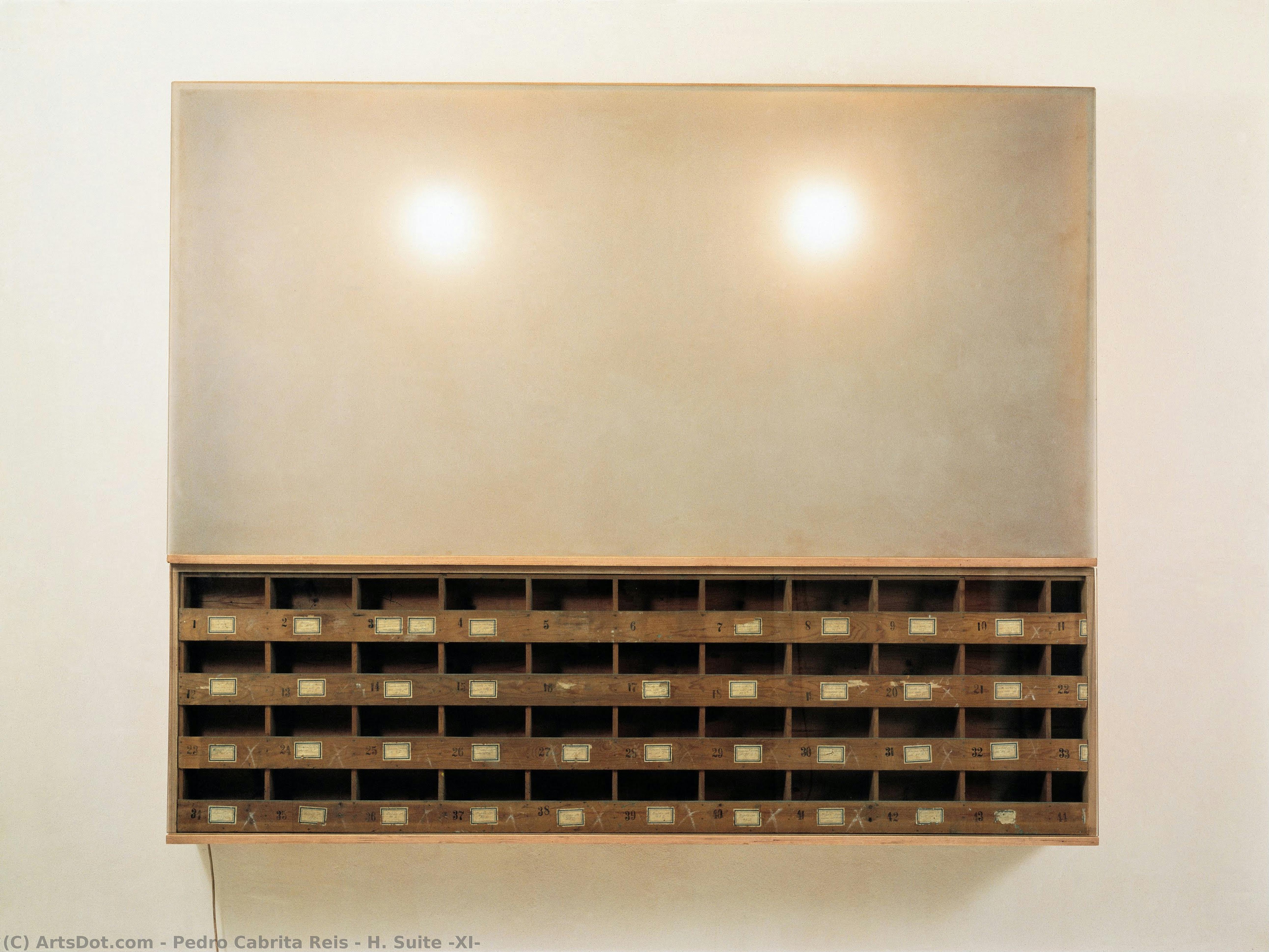
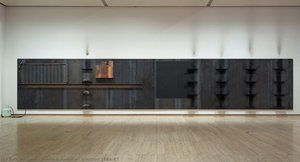
The sculpture "H. Suite (XI)" by Pedro Cabrita Reis stands as a testament to the artist's profound engagement with architectural form and his exploration of memory’s enduring influence on perception. Created in 1993, commissioned by the Colecção da Caixa Geral de Depósitos, this monumental piece transcends mere materiality; it embodies a conceptual framework rooted in Reis’s meticulous observation of space and his fascination with the vestiges of time—a preoccupation that characterizes much of his oeuvre. Measuring 205 x 250 cm, the sculpture isn't simply an object to be viewed but rather an invitation to contemplate its relationship with the viewer and its connection to broader artistic traditions.- Material Composition: Reis employed wood—specifically cedar—combined with glass panes and strategically positioned lamps. This deliberate selection of materials speaks volumes about his aesthetic sensibilities, prioritizing solidity and transparency simultaneously. The cedar’s inherent grain pattern provides textural contrast against the luminous glow emanating from the glass domes, creating a visual interplay that mimics the layering of experience.
- Architectural Influence: “H. Suite (XI)” draws heavily from Reis's earlier work, notably “Das mãos dos construtores” (1992), which consisted of immense pipelines converging into enclosed brick dwellings—a project deeply influenced by Brutalist architecture and its exploration of raw materiality. This architectural lineage informs the sculpture’s geometric precision and its restrained palette, reflecting a desire to distill complex ideas into simplified forms.
- Symbolic Resonance: The sculpture's title itself – “H.” – is deliberately ambiguous, referencing both the Hebrew letter Hei (ה) signifying “life” and the artist’s own initials. This subtle nod to personal identity underscores Reis’s belief that art should grapple with fundamental questions about existence and consciousness. Furthermore, the glass domes symbolize illumination—both literal and metaphorical—representing a quest for understanding and confronting hidden truths.
Technique and Craftsmanship – Precision Meets Organic Texture
Reis's meticulous craftsmanship is evident in every aspect of “H. Suite (XI).” The cedar wood was painstakingly shaped to create interlocking structures that resemble fragmented architectural elements—a technique reminiscent of Constructivist sculpture, where geometric forms were employed to convey social ideals. However, Reis avoids a purely mechanistic approach, incorporating subtle irregularities and variations in texture that imbue the sculpture with an organic quality. These imperfections serve as reminders that even seemingly rational constructions are shaped by unpredictable forces—mirroring the artist’s preoccupation with capturing fleeting moments of perception. The careful positioning of the lamps enhances this textural contrast, casting diffused light onto the cedar surfaces and emphasizing their natural grain.Historical Context – Reis's Engagement With Artistic Legacy
Pedro Cabrita Reis’s artistic trajectory is marked by a continuous dialogue with architectural history and artistic movements from the mid-20th century. His fascination with Brutalist architecture—characterized by its monumental scale, exposed concrete, and rejection of ornamentation—is palpable in “H. Suite (XI).” This stylistic choice reflects Reis's conviction that art should confront grand narratives about humanity’s relationship to space and materiality. Simultaneously, he engages with the legacy of Constructivism, prioritizing geometric abstraction as a means of conveying conceptual ideas—a strategy evident in his earlier sculptures and publications.Emotional Impact – A Meditation on Time and Perception
Ultimately, “H. Suite (XI)” transcends its formal qualities to evoke a profound emotional response. The sculpture’s stillness invites contemplation—encouraging viewers to consider the passage of time and the ways in which memory shapes our understanding of the world. Its luminous glass domes symbolize hope—a beacon illuminating the darkness of uncertainty and prompting us to confront existential questions. Like Reis's other works, “H. Suite (XI)” speaks to a deep sensitivity to human experience—capturing the elusive beauty of fleeting moments and acknowledging the enduring power of artistic expression to grapple with complex themes.関連作品

作家の略歴
空間と記憶の地図作成:ペドロ・カブリタ・レイスの世界
1956年、ポルトガルのリスボンに生を受けたペドロ・カブリタ・レリスは、現代美術における極めて重要な人物として台頭してきました。彼は単に自国の芸術的風景を代表する存在であるにとどまらず、国際的な舞台との対話を積極的に形作ってきたのです。歴史と文化の豊かさに満ちたリスボンで過ごした形成期は、彼の創作活動に深い影響を与えており、場所や記憶、そして内界と外界の間に存在する、しばしば脆く儚い関係性に対する繊細な感性を作品に吹き込んでいます。アーティストとしての地位を確立する以前から、カブリタ・レリスは芸術を巡る批判的な言説を育むことに情熱を注いでいました。1978年から1982年にかけて、彼は影響力のある雑誌『Arte Opinião』を創刊し、編集長を務めました。社会や政治が大きな変革期にあった当時、このプラットフォームは議論のための極めて重要な場を提供したのです。芸術的創造の理論的な基盤に対するこうした初期の関わりは、後に彼の作品を特徴づけることになる概念的な深みの先駆けとなりました。見出されたオブジェと、移ろいゆな光の言語
カブリタ・レリスの芸術的語彙は驚くほど多岐にわたり、絵画、彫刻、写真、デッサンを網羅していますが、そのあらゆる側面を貫く一本の糸があります。それは、物理的な現実であると同時に心理的な構築物としての「空間」の探求です。彼は単に空間を占有するのではなく、それを解剖し、再構成し、幾重もの意味を付与していくのです。その決定的な特徴は、鋼鉄のバー、回収された窓、ドアのフレームといった工業用素材の見事な活用にあります。これらは通常、見過ごされたり廃棄されたりする要素ですが、カブリタ・レリスの手にかかると、記憶や変容、そして時の経過を象徴する切実なシンボルへと変貌を遂げます。これらは単なる審美的な選択ではありません。存在の物質性に対する意図的な関わりであり、より概念的な探求を支える、手触りのある世界への根を下ろした行為なのです。同様に不可欠なのが、蛍光灯を用いた革新的な光の使いかたです。これは単なる照明ではありません。空間を分割し、境界を定義し、踊るように移ろう影を投げかけることで、知覚の儚さを強調するエフェメラル(一時的)な質を生み出す、構成における能動的な要素なのです。これらの見出されたオブジェと人工的な光の相互作用は、極めてミニマルでありながら、深く情緒的な、独自の視覚言語を生成しています。国際的な評価と記念碑的な展覧会
カブリタ・レリスのキャリアの軌跡は、国際的な評価の高まりとともに歩んできました。1981年にソシエダーデ・ナシオナル・デ・ベラス・アルテスで開催された初期の個展「25 Desenhos(25のドローイング)」に始まり、彼を真に世界の美術界へと押し上げたのは、1992年のカッセルにおけるドクメンタ9への参加でした。この決定的な瞬間を経て、201なドクメンタ14への招待や、数々のヴェネツィア・ビエンナーレでの活躍(1995年、2003年にポルトガル代表として参加、1997年にはアペルトに参加)へと繋がっていきます。また、第21回および第24回サンパウロ・ビエンナーレへの選出は、現代美術における重要な旗手としての地位を確固たるものにしました。「The Leaning Paintings #5」のような記念碑的なインスタレーションでは、ガラス板、ネオン、木材が繊細なバランスを保ち、建築的でありながら極めて個人的な空間効果を生み出す彼の能力が示されています。同様に、巨大な金属梁を用いた「It is never about balance #2」は、時間、脆さ、そして存在の本質的な不安定さというテーマを深く掘り下げています。これらの作品は単なる物体ではなく、鑑賞者を瞑想へと誘い、空間や形態に関する従来の概念に挑戦する、没入型の「環境」なのです。パブリック・インターベンションと不朽の遺産
ギャラリーや美術館という枠組みを超えて、カブリタ・レリスはサイト・スペシフィック(その場所特有)なインスタレーションを通じて、一貫して公共圏との関わりを模索してきました。リスボンのセントラル・テージョ(2018年)やポルトのパラシオ(2005年)における彼の介入は、既存の建築的文脈に繊細に応答し、工業的な空間を芸術的な思索の場へと変容させる能力を証明しています。こうしたパブリック・アートへの献身は、芸術はより広い聴衆にとって親しみやすく、意義深いものであるべきだという彼の信念を裏付けています。彼の作品は現在、グルベンキアン美術館、テート・モダン、ムゼウ・ベラルドなど、世界中の権威あるコレクションに収蔵されており、その不朽の質と重要性を物語っています。ペドロ・カブリタ・レリスは、現代ポルトガル美術を牽引する人物です。素材の革新的な使用、光と空間の探求、そして概念的な深みは、ポルトガルの芸術的遺産を豊かにしただけでなく、世界中の観衆の心に響いてきました。彼は今もなお境界を押し広げ、新たな手法を実験しながら、人間の知覚と経験の核心にある根本的な問い――記憶、場所、そして現実そのものの本質についての問い――を探求し続けています。
ペドロ・カブリタ・レイス
1956 - , ポルトガル
プロフィール概要
- Artistic Movement Or Style: コンセプチュアル・アート、インスタレーション
- Artists Or Movements Influenced By This Artist: ['現代ポルトガル美術']
- Artists Who Influenced This Artist:
- 建築理論
- コンセプチュアル・アート
- Date Of Birth: 1956年9月5日
- Full Name: ペドロ・カブリタ・レイス
- Nationality: ポルトガル
- Notable Artworks:
- À propos des lieux d’origine #1
- H. Suite (XII)
- H. Suite (XI)
- The Leaning Paintings #5
- It is never about balance #2
- Place Of Birth: ポルトガル、リスボン