

 プレビュー
プレビュー
 シェアする
シェアする シェアする
シェアする
 詳細を見る
詳細を見る

 ダウンロード
 似ている作品
 X線調査
X線調査 スライドショー
 統計情報
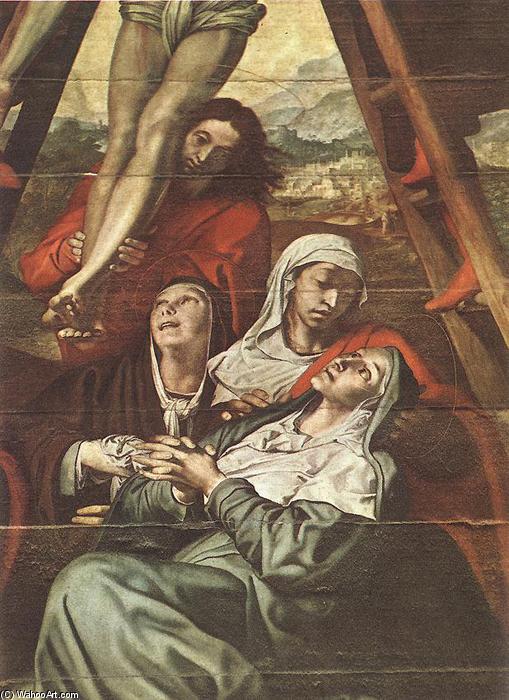
統計情報Descent from the Cross (detail)


 詳細を見る
詳細を見る
手描き油彩複製画
当社のアーティストが、お客様のご希望のサイズと額縁に合わせて、キャンバスに手描きで制作する油彩画です。 ( プリント版に切り替え デジタル画像販売へ切り替え)




































作品のオリジナル比率に合わせた、当店の規定サイズからお選びください。

特定のフレームやスペースに合わせて、ご希望のサイズをご入力いただけます。選択されたサイズが元の画像の比率と異なる場合、アートワークをトリミングするか、手描きで要素を追加して絵画を拡張いたします。デジタルモックアップ を制作し、制作開始前にご確認(承認)をいただきます。
画面上のプレビューは、実際のトリミングや拡張を正確に反映しているものではありません。最終的な構図は、モックアップによってのみ正確にご確認いただけます。
カスタムサイズもご利用いただけますが、元の比率を維持するためには、あらかじめ用意されたリストからサイズを選択することをお勧めいたします。
ご注文後、ArtsDot.com チームより詳細な指示をお送りするとともに、仕上がりイメージ(モックアップ)をご提供いたします。


 ガラスオプションは、110cm未満のサイズでのみご利用いただけます。

Descent from the Cross (detail)
複製技法
複製画のサイズ
-


合計金額
$ 313
Artistic Style and Influences
Pedro De Campaña's style is characterized by elements derived from Michelangelo, with original plastic qualities and a sense of drama. His work anticipates the Baroque style of Rubens and was admired by other Spanish artists, including Murillo. The Descent from the Cross is a prime example of Pedro De Campaña's ability to balance realism with emotional depth.Composition and Symbolism
The painting features a detailed scene, with figures dressed in clothing typical of the time period. The use of light and shadow creates a sense of three-dimensionality, drawing the viewer into the narrative. The Descent from the Cross is a powerful depiction of a pivotal moment in Christian history, rendered with an eye for realism that was groundbreaking for its time.- The painting is characterized by its realistic style, which was prevalent in the Northern Renaissance period.
- The central focus of the painting is the figure of Jesus Christ being lowered from the cross by his followers.
- The Cathedral of Seville, Spain houses an impressive collection of art, including works by Pedro De Campaña, Goya, and Murillo.
The Descent from the Cross is a testament to Pedro De Campaña's skill as a painter and his ability to capture the emotional intensity of a pivotal moment in Christian history.
関連作品
アーティストの略歴
Pedro Campaña (1503–1586): A Renaissance Painter Bridging Flanders and Spain
Pedro Campaña, born in Brussels around 1503, stands as a pivotal figure in the artistic landscape of the Renaissance—a Flemish painter who skillfully traversed the cultural currents between Italy and Spain. Initially trained under Bernard van Orley, Campaña’s early career unfolded amidst the vibrant intellectual milieu of Florence, where he meticulously studied the masterful works of Raphael, establishing himself as his protégé. This formative period profoundly shaped his artistic sensibilities, imbuing him with a dedication to classical ideals and meticulous observation. Recognizing Campaña's talent, Cardinal Domenico Grimani encouraged him to relocate to Seville in 1530, believing it would propel his artistic endeavors. He swiftly established himself as part of Luis de Vargas’s burgeoning studio, fostering a school of painting that soon became the Academy of the Place—a beacon of artistic innovation within Spain. Among Campaña's pupils was Morales, cementing his legacy as an educator and shaping the future of Spanish art. His output during this time included monumental altar-pieces for Seville Cathedral, notably “The Descent from the Cross” (1548), a dramatic depiction reflecting Michelangelo’s influence and capturing the emotional intensity characteristic of Renaissance painting. The artwork was later removed due to the cathedral's ruinous state. Campaña continued his artistic pursuits in Seville until approximately 1563 or 1565, where he undertook the ambitious task of restoring and repainting a chapel commissioned by Hernando de Jaén—a testament to his unwavering commitment to craftsmanship and artistic excellence. Furthermore, Campaña’s influence extended beyond Seville; Murillo specifically requested that his burial take place near Campaña's painting, symbolizing their shared artistic vision. Sadly, the church housing Campaña’s masterpiece succumbed to destruction during the Napoleonic Wars, resulting in the loss of his tomb—a poignant reminder of the ephemeral nature of artistic achievement and historical preservation. His prolific output spanned across various churches throughout Seville, showcasing a remarkable versatility in style and subject matter. Among his most celebrated works are “The Purification of the Virgin” and “The Resurrection,” grand retables embodying Baroque realism and meticulous detail. These paintings exemplify Campaña’s mastery of technique—particularly chiaroscuro—creating luminous effects that heighten emotional impact. His artistic legacy resides not only in these monumental pieces but also in the broader context of Renaissance art history, representing a crucial link between Flemish innovation and Spanish grandeur.- Notable Works: “The Descent from the Cross,” “Crucifixion,” “Pictures of Dona Leonor and Dona Mencia de Cabrera and his daughters”, Chapel Restoration for Hernando de Jaén
- Influences: Raphael, Bernard van Orley
- School: Academy of the Place (Seville)
- Historical Significance: Bridged Flemish and Spanish artistic traditions; Shaped Seville’s Baroque art scene.
Further Exploration
You can delve deeper into Pedro Campaña's artistry by visiting these resources:- Wikipedia Article: https://en.wikipedia.org/wiki/Pedro_Campa%C3%B1a
- Artwork Database: Explore “The Descent from the Cross” Detail
- Museums Database: Hospital de la Caridad – Seville, Municipal Museum of Art of La Plata
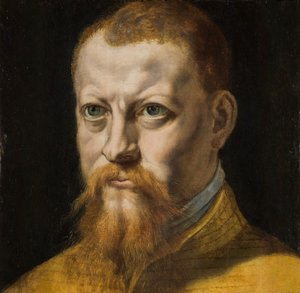
pedro de campaña
1503 - 1586 , Belgium
基本情報
- Artistic Movement Or Style: Renaissance
- Artists Or Movements Influenced By This Artist:
- Luis de Vargas
- Murillo
- Artists Who Influenced This Artist:
- Bernhard van Orley
- Raphael
- Date Of Birth: Brussels, Belgium (1503)
- Date Of Death: 1586
- Full Name: Pedro de Kempeneer / Pedro Campaña
- Nationality: Flemish
- Notable Artworks:
- Descent from the Cross
- Crucifixion
- Pictures of Dona Leonor and Dona Mencia de Cabrera and his daughters
- Hospital de la Caridad
- Municipal Museum of Art of La Plata
- Place Of Birth: Brussels
関連記事
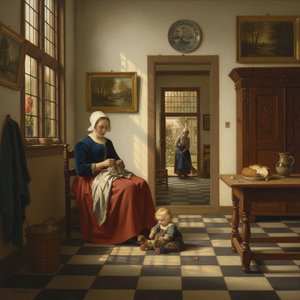
Pieter de Hooch: Illuminating Dutch Domestic Life & Golden Age Charm
Explore the captivating world of Pieter de Hooch, a master of Dutch Golden Age painting. Discover his innovative use of light, intimate domestic scenes, and lasting influence on art history. Learn more at ArtsDot.
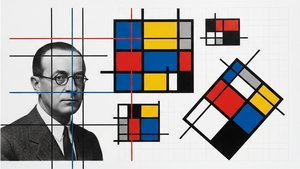
Theo van Doesburg: Pioneering De Stijl & the Evolution of Neo-Plasticism
Explore the revolutionary De Stijl movement & Neo-Plasticism with our expert guide. Discover Piet Mondrian, Theo van Doesburg, and the lasting impact of this influential art style. Learn about collecting & investing in De Stijl masterpieces.

ゴヤ傑作25選:スペインの魂を揺さぶる、深遠な芸術の世界 | ArtsDot
ゴヤ傑作25選:ロマン主義を代表するスペインの巨匠、フランシスコ・デ・ゴヤの世界へ。黒衣の女からマハまで、魂を揺さぶる絵画の物語と技法を紐解きます。ArtsDotで高品質なアートレプリカを見つけ、インテリアに深みと風格を。今すぐコレクションをご覧ください。

About Us
Discover our story! We bring world-class art into your life through expert curation, personalized creations, and free previews. Trusted by individuals and businesses since 2000.
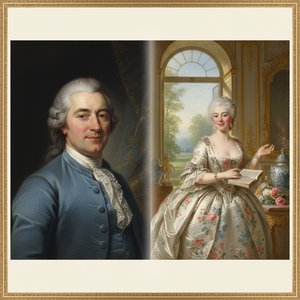
Maurice Quentin de La Tour: Light, Shadow & the Rococo Portrait
Explore the captivating world of Maurice Quentin de La Tour, a master of Rococo portraiture. Discover his innovative pastel techniques, intimate depictions of French aristocracy, and lasting artistic legacy. Learn more at ArtsDot.