

 プレビュー
プレビュー
 プリントを購入
 シェアする
シェアする シェアする
シェアする
 詳細を見る
詳細を見る

 ダウンロード
 似ている作品
 X線調査
X線調査 スライドショー
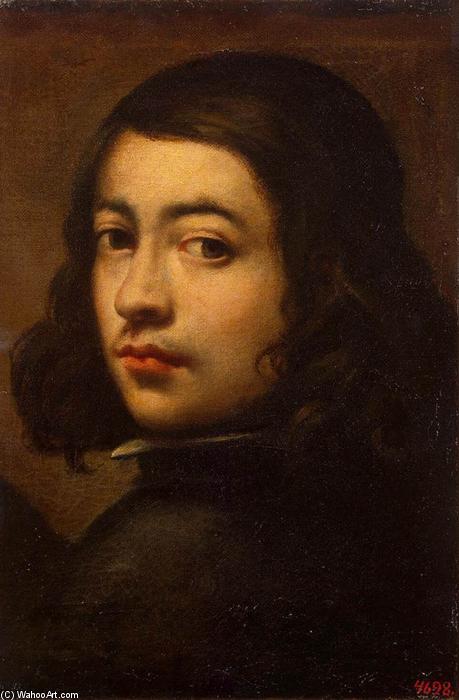
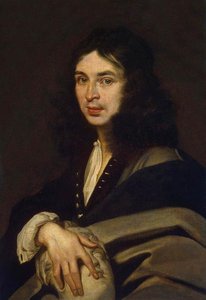
Portrait of a Man
 1655
1655 43.0 x 29.0 cm
 エルミタージュ美術館
 詳細を見る
詳細を見る
オンラインプレビューをはるかに凌ぐ、高解像度で鮮明なデジタル画像をご購入いただけます。
各ファイルは、社内の専門家が高度なツールと熟練した手作業によるレタッチを用いて、細心の注意を払って準備されています。すべての画像において、卓越した鮮明度、正確な色彩再現性、そして繊細なディテールを保証いたします。
最終ファイルは、プロフェッショナルな編集・印刷環境ですぐにご利用いただけるよう最適化された状態で、72時間以内にメールにてお届けいたします。これは、一流のデザインスタジオ、出版社、ギャラリーから信頼されているものと同等の品質です。
デジタル画像のご注文に付随する特典
高品質なデジタル画像配信を、確かな品質で。
ArtsDot.com を選ぶことは、単に画像を手に入れることではありません。それは、プロの手によって精密に仕上げられ、満足保証が付いた高品質なデジタルアートワークを受け取ることを意味します。ご注文いただいた際に自動的に付随する内容は、以下の通りです:

メールですぐにお届け
ご注文から72時間以内に、高解像度のデジタル画像ファイルがメールでお手元に届きます。すぐにそのままご利用いただけます。

AI技術で最適化されたデジタルファイル
お客様の作品は、高度なAIツールと専門家による手作業の編集を組み合わせてプロフェッショナルに最適化されており、細部のディテール、鮮明さ、そして正確な色再現性を最大限に引き出しています。

一生涯無料の再送サービス
ファイルを誤って削除したり、紛失してしまったりしましたか?ご安心ください。いつでも無料で再送いたします。

輸入手数料は一切かかりません
関税や手数料、配送料を気にすることなく、お気に入りのアートワークをすぐにお楽しみいただけます。デジタルダウンロードは常に免税です。

色彩再現の保証
プロ仕様のツールとカラーマネジメント技術を用いることで、デジタル画像が元の色を最大限に忠実に再現することを保証いたします。

60日間満足保証
ご購入いただいたデジタル画像にご満足いただけない場合は、60日以内であれば、修正または100%の返金(理由を問う必要はありません)をさせていただきます。

100% 返金保証
ご満足いただけない場合は、デジタルファイルを受け取ってから60日以内であれば、理由を問わず全額返金いたします。

まとめ買い割引
3枚購入で10%OFF - 5枚購入で15%OFF - 10枚以上購入で20%OFF。クリエイティブなプロジェクト、ギャラリー、エージェンシーに最適です。
作品の詳細
Artistic Technique and Style
The use of light and shadow in the painting is remarkable, highlighting the contours of the face and hair, and adding depth and dimension to the portrait. The dark background serves to draw attention to the subject's face, emphasizing their features and expression. The artist's skillful handling of color and composition creates a sense of balance and harmony, making the painting a true masterpiece of Baroque art.- The painting's style is reminiscent of other notable works from the same period, such as those by Domenico Robusti and Barthel Bruyn The Elder.
- For more information on similar paintings, visit Pedro De Moya's Portrait of a Man and Barthel Bruyn The Elder's Portrait of a Man with Three Sons.
The Portrait of a Man by Pedro De Moya is a testament to the artist's skill and craftsmanship, and its beauty and elegance continue to inspire art lovers to this day. Whether you are an art historian, collector, or simply someone who appreciates the beauty of art, this painting is sure to captivate and intrigue.
関連作品






作家の略歴
The Soul of the Spanish Baroque: The Life and Legacy of Pedro de Moyá
In the golden age of the Spanish Baroque, few artists captured the profound intersection of spiritual ecstasy and human drama as poignantly as Pedro de Moyá. Born in the historic city of Granada in 1610, Moyá emerged from a landscape steeped in religious fervor and artistic innovation. While the biographical shadows surrounding his early years remain somewhat elusive, his presence in the annals of art history is unmistakable. His journey was not merely that of a studio painter, but one shaped by the vast, turbulent currents of 17th-century Europe. Trained under the esteemed Juan del Castillo in Seville, Moyá inherited the foundational principles of the Sevillian school—a tradition defined by its meticulous attention to detail and an expressive, emotive use of color that would become the heartbeat of his later masterpieces.
Moyá’s life was marked by a unique duality, blending the discipline of a soldier with the sensitivity of a master painter. His service in the Spanish armies stationed in Flanders provided him with more than just a reprieve from the easel; it offered a window into the broader European artistic dialogue. Traveling through the Low Countries and eventually reaching the bustling streets of London, Moyá was exposed to the burgeoning influences of Northern realism and English portraiture. This cosmopolitan exposure breathed a new dimension into his work, allowing him to infuse the rigid structures of Spanish religious iconography with a more nuanced, international sensibility. When he finally returned to the sun-drenched landscapes of Seville and Granada following his discharge in 1641, he did so not just as a returning veteran, but as an artist enriched by the diverse visual languages of a continent in flux.
A Mastery of Light and Devotion
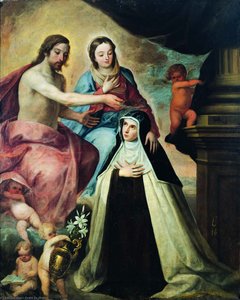
The true brilliance of Moyá lies in his command over chiaroscuro, the dramatic interplay of light and shadow that serves as the emotional engine of Baroque art. He possessed an uncanny ability to use darkness not merely as a void, but as a weight—a heavy, atmospheric presence from which divine light could emerge with startling clarity. In his religious compositions, such as the evocative Vision of St. Maria Magdalena di Piti, this technique transcends mere decoration; it becomes a theological tool, guiding the viewer’s eye toward moments of spiritual revelation and profound sanctity.
His oeuvre is characterized by several defining artistic pillars:
- Emotional Intensity: Moyá moved beyond static iconography to depict the palpable human emotions—fear, rapture, and contemplation—inherent in biblical narratives.
- Dynamic Composition: Utilizing the tension between light and dark, he created scenes that feel as though they are caught in a moment of perpetual motion.
- Portraiture and Presence: Beyond his sacred works, his secular portraits, such as the 1655 Portrait of a Man now held in the Hermitage Museum, demonstrate an exquisite ability to capture the dignity and psychological depth of his subjects through subtle facial contours and sophisticated light.
Historical Significance and Enduring Influence
Though Pedro de Moyá passed away in 1660, leaving behind a legacy that continues to resonate within the halls of great museums, his impact on the trajectory of Spanish art remains profound. He served as a vital link between the traditional Sevillian masters and the next generation of innovators. It is noted that even later artists, such as the talented Pedro Atanasio Bocanegra, looked toward Moyá’s mastery of color and light as a standard of excellence to be emulated. His ability to synthesize the grit of military life with the ethereal beauty of religious mysticism allowed him to create a body of work that feels both grounded in human reality and elevated by divine aspiration.
Today, when we gaze upon his canvases, we do not merely see relics of the 17th century; we witness the enduring power of the Baroque spirit. Moyá’s work remains a testament to an era where art was the primary vessel for exploring the mysteries of faith and the complexities of the human soul, ensuring his place as a true master of the Spanish Golden Age.
pedro de moya
1610 - 1660 , Spain
プロフィール概要
- Artistic Movement Or Style: Baroque Art
- Artists Or Movements Influenced By This Artist: ['Seville Painting']
- Artists Who Influenced This Artist: ['Juan del Castillo']
- Date Of Birth: 1610 Granada Spain
- Date Of Death: 1674?
- Full Name: Pedro de Moyá
- Nationality: Spanish
- Notable Artworks:
- Portrait of a Man
- Holy Family
- Vision of St Maria Magdalena di Pazzi
- Place Of Birth: Granada Spain

