

 プレビュー
プレビュー
 シェアする
シェアする シェアする
シェアする
 詳細を見る
詳細を見る

 ダウンロード
 似ている作品
 X線調査
X線調査 スライドショー
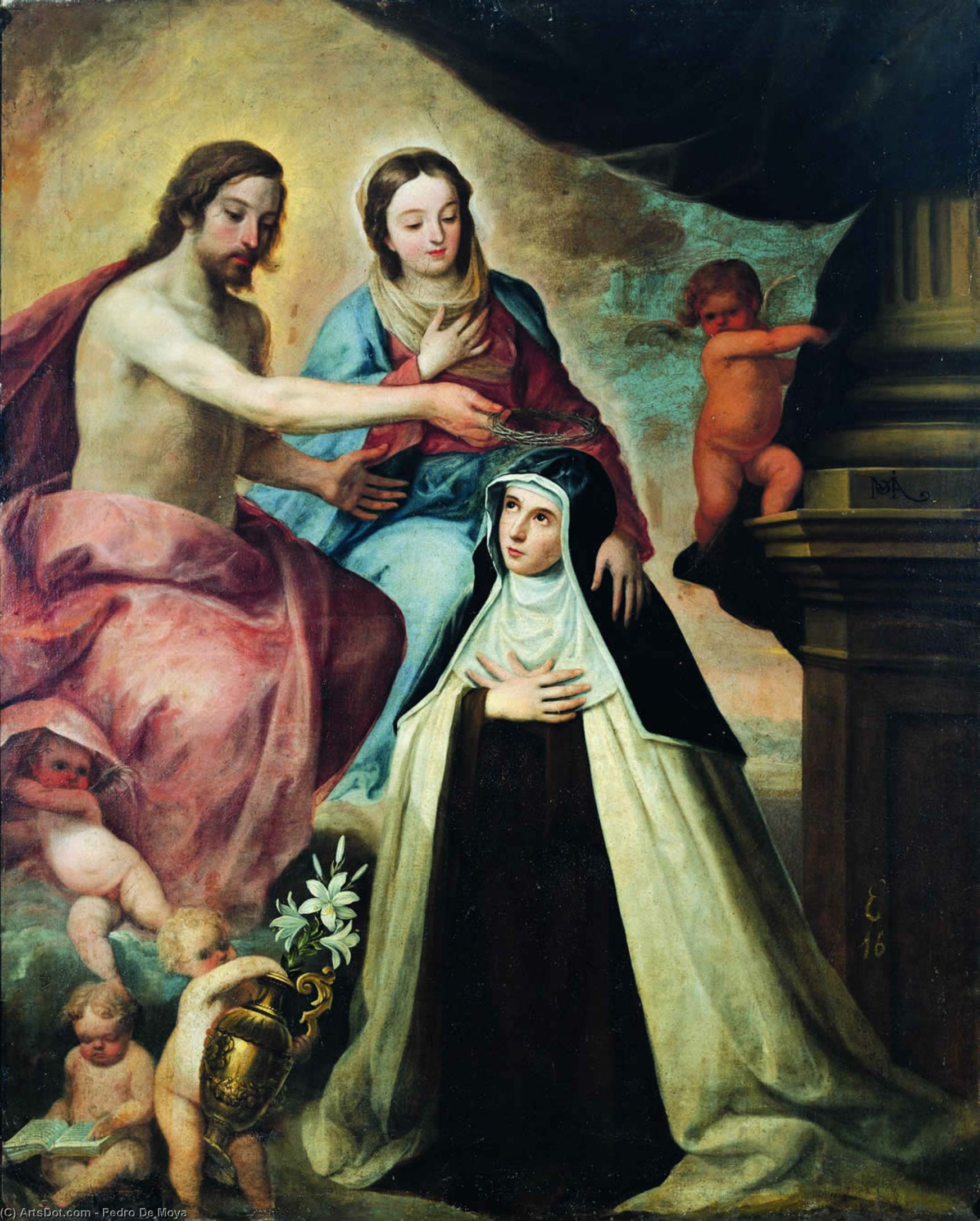
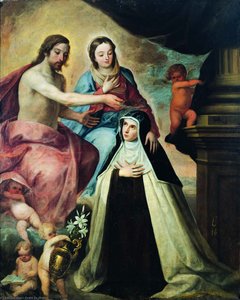
Vision of St Maria Magdalena di Pazzi
 210.0 x 169.0 cm
 Museo de Bellas Artes
 詳細を見る
詳細を見る
ジークレー/アートプリント
迅速な制作と多彩な仕上げオプションを備えた、ミュージアムクオリティのジークレーまたはキャンバスプリント。 ( 手描きの絵画を購入 画像を購入)




































作品のオリジナル比率に合わせた、当店の規定サイズからお選びください。

特定のフレームやスペースに合わせて、ご自身でサイズを指定することも可能です。選択されたサイズが元の画像の比率と一致しない場合、作品をトリミングするか、鏡面反射または単色での塗りつぶしによって画像を拡張いたします。制作を開始する前に、ご確認用のデジタルモックアップをお送りいたします。
画面上のプレビューには、実際のトリミングや拡張は反映されませんのでご注意ください。最終的な構図を正確に確認できるのは、モックアップのみとなります。
カスタムサイズも承っておりますが、元の比率を維持するためには、あらかじめ用意されたリストからサイズを選択することをお勧めいたします。


 ガラスオプションは、110cm未満のサイズでのみご利用いただけます。

Vision of St Maria Magdalena di Pazzi
ジークレー/アートプリント
複製画のサイズ
-


合計金額
$ 62
関連作品
アーティストの略歴
The Soul of the Spanish Baroque: The Life and Legacy of Pedro de Moyá
In the golden age of the Spanish Baroque, few artists captured the profound intersection of spiritual ecstasy and human drama as poignantly as Pedro de Moyá. Born in the historic city of Granada in 1610, Moyá emerged from a landscape steeped in religious fervor and artistic innovation. While the biographical shadows surrounding his early years remain somewhat elusive, his presence in the annals of art history is unmistakable. His journey was not merely that of a studio painter, but one shaped by the vast, turbulent currents of 17th-century Europe. Trained under the esteemed Juan del Castillo in Seville, Moyá inherited the foundational principles of the Sevillian school—a tradition defined by its meticulous attention to detail and an expressive, emotive use of color that would become the heartbeat of his later masterpieces.
Moyá’s life was marked by a unique duality, blending the discipline of a soldier with the sensitivity of a master painter. His service in the Spanish armies stationed in Flanders provided him with more than just a reprieve from the easel; it offered a window into the broader European artistic dialogue. Traveling through the Low Countries and eventually reaching the bustling streets of London, Moyá was exposed to the burgeoning influences of Northern realism and English portraiture. This cosmopolitan exposure breathed a new dimension into his work, allowing him to infuse the rigid structures of Spanish religious iconography with a more nuanced, international sensibility. When he finally returned to the sun-drenched landscapes of Seville and Granada following his discharge in 1641, he did so not just as a returning veteran, but as an artist enriched by the diverse visual languages of a continent in flux.
A Mastery of Light and Devotion
The true brilliance of Moyá lies in his command over chiaroscuro, the dramatic interplay of light and shadow that serves as the emotional engine of Baroque art. He possessed an uncanny ability to use darkness not merely as a void, but as a weight—a heavy, atmospheric presence from which divine light could emerge with startling clarity. In his religious compositions, such as the evocative Vision of St. Maria Magdalena di Piti, this technique transcends mere decoration; it becomes a theological tool, guiding the viewer’s eye toward moments of spiritual revelation and profound sanctity.
His oeuvre is characterized by several defining artistic pillars:
- Emotional Intensity: Moyá moved beyond static iconography to depict the palpable human emotions—fear, rapture, and contemplation—inherent in biblical narratives.
- Dynamic Composition: Utilizing the tension between light and dark, he created scenes that feel as though they are caught in a moment of perpetual motion.
- Portraiture and Presence: Beyond his sacred works, his secular portraits, such as the 1655 Portrait of a Man now held in the Hermitage Museum, demonstrate an exquisite ability to capture the dignity and psychological depth of his subjects through subtle facial contours and sophisticated light.
Historical Significance and Enduring Influence
Though Pedro de Moyá passed away in 1660, leaving behind a legacy that continues to resonate within the halls of great museums, his impact on the trajectory of Spanish art remains profound. He served as a vital link between the traditional Sevillian masters and the next generation of innovators. It is noted that even later artists, such as the talented Pedro Atanasio Bocanegra, looked toward Moyá’s mastery of color and light as a standard of excellence to be emulated. His ability to synthesize the grit of military life with the ethereal beauty of religious mysticism allowed him to create a body of work that feels both grounded in human reality and elevated by divine aspiration.
Today, when we gaze upon his canvases, we do not merely see relics of the 17th century; we witness the enduring power of the Baroque spirit. Moyá’s work remains a testament to an era where art was the primary vessel for exploring the mysteries of faith and the complexities of the human soul, ensuring his place as a true master of the Spanish Golden Age.
pedro de moya
1610 - 1660 , Spain
基本情報
- Artistic Movement Or Style: Baroque Art
- Artists Or Movements Influenced By This Artist: ['Seville Painting']
- Artists Who Influenced This Artist: ['Juan del Castillo']
- Date Of Birth: 1610 Granada Spain
- Date Of Death: 1674?
- Full Name: Pedro de Moyá
- Nationality: Spanish
- Notable Artworks:
- Portrait of a Man
- Holy Family
- Vision of St Maria Magdalena di Pazzi
- Place Of Birth: Granada Spain

