

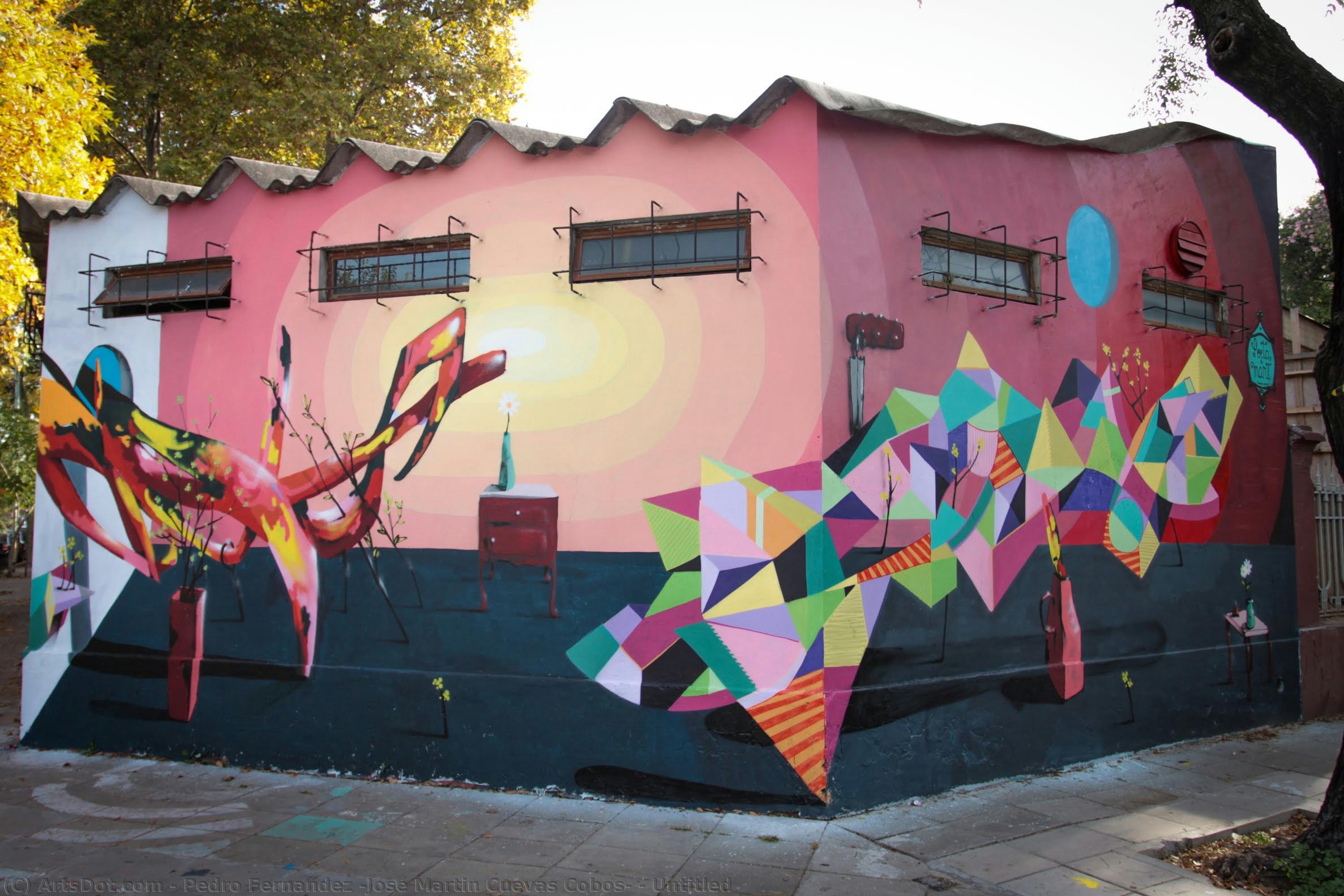
 プレビュー
プレビュー
 シェアする
シェアする シェアする
シェアする
 詳細を見る
詳細を見る

 ダウンロード
 似ている作品
 X線調査
X線調査 スライドショー
 Stats
StatsUntitled

 詳細を見る
詳細を見る
オンラインプレビューをはるかに凌ぐ、高解像度で鮮明なデジタル画像をご購入いただけます。
各ファイルは、社内の専門家が高度なツールと熟練した手作業によるレタッチを用いて、細心の注意を払って準備されています。すべての画像において、卓越した鮮明度、正確な色彩再現性、そして繊細なディテールを保証いたします。
最終ファイルは、プロフェッショナルな編集・印刷環境ですぐにご利用いただけるよう最適化された状態で、72時間以内にメールにてお届けいたします。これは、一流のデザインスタジオ、出版社、ギャラリーから信頼されているものと同等の品質です。
デジタルアート
個人での鑑賞、印刷、クリエイティブなプロジェクト用に、高解像度ファイルをダウンロードできます。 ( Switch to Print 手描きの絵画を購入)
デジタル画像のご注文に付随する特典
高品質なデジタル画像配信を、確かな品質で。
ArtsDot.com を選ぶことは、単に画像を手に入れることではありません。それは、プロの手によって精密に仕上げられ、満足保証が付いた高品質なデジタルアートワークを受け取ることを意味します。ご注文いただいた際に自動的に付随する内容は、以下の通りです:

メールですぐにお届け
ご注文から72時間以内に、高解像度のデジタル画像ファイルがメールでお手元に届きます。すぐにそのままご利用いただけます。

AI技術で最適化されたデジタルファイル
お客様の作品は、高度なAIツールと専門家による手作業の編集を組み合わせてプロフェッショナルに最適化されており、細部のディテール、鮮明さ、そして正確な色再現性を最大限に引き出しています。

一生涯無料の再送サービス
ファイルを誤って削除したり、紛失してしまったりしましたか?ご安心ください。いつでも無料で再送いたします。

輸入手数料は一切かかりません
関税や手数料、配送料を気にすることなく、お気に入りのアートワークをすぐにお楽しみいただけます。デジタルダウンロードは常に免税です。

色彩再現の保証
プロ仕様のツールとカラーマネジメント技術を用いることで、デジタル画像が元の色を最大限に忠実に再現することを保証いたします。

100日間満足保証
ご購入いただいたデジタル画像にご満足いただけない場合は、100日以内であれば、理由を問わず修正または100%の返金対応をさせていただきます。

100% 返金保証
ご満足いただけない場合は、デジタルファイルを受け取ってから100日以内であれば、理由を問わず全額返金いたします。

まとめ買い割引
3枚購入で10%OFF - 5枚購入で15%OFF - 10枚以上購入で20%OFF。クリエイティブなプロジェクト、ギャラリー、エージェンシーに最適です。
関連作品








作家の略歴
Kara Walker: Unearthing Histories Through Shadow and Silhouette
Kara Walker is a singular voice in contemporary art, a name synonymous with unsettling beauty, layered narratives, and the potent exploration of race, gender, and violence within American history. Born in November 1969, her work has rapidly ascended to prominence, challenging viewers to confront uncomfortable truths about the past while simultaneously demanding engagement with the complexities of the present. Walker’s distinctive medium – large-scale cut-paper silhouettes – creates immersive environments that are both visually arresting and profoundly thought-provoking. These aren't simply decorative images; they are portals into a world of Southern Gothic melodrama, plantation life, and the often brutal realities of slavery and its enduring legacy.Early Life and Artistic Beginnings
Walker’s artistic journey began in Atlanta, Georgia, where she was raised by her parents, Mac and Carolyn Walker. Her father, a prominent architect, instilled in her a deep appreciation for design and spatial relationships, while her mother, a textile artist, nurtured her interest in pattern and surface. This dual influence is evident throughout her work – the meticulous detail of her silhouettes echoes the precision of architectural drawings, while the rich textures and patterns reminiscent of textiles contribute to the overall sensory experience of her installations. She attended The Cooper Union for the Arts and Sciences in New York City, where she honed her skills in drawing and printmaking, laying the foundation for her signature technique. Early influences included artists like Romare Bearden, known for his collages depicting scenes from African American life, and Kara Beauchamp, whose work explored themes of identity and representation.The Rise of the Silhouette Installations
Walker’s breakthrough came in the late 1990s with her room-sized tableaux of black cut-paper silhouettes. These elaborate installations, often depicting scenes of antebellum Southern life – lavish balls, violent encounters, and intimate moments – immediately captivated audiences and critics alike. Works like *Darkytown Rebellion* (2003) and *No Place (Like Home)* (2005) are particularly striking for their scale, detail, and the unsettling juxtaposition of beauty and brutality. The silhouettes themselves are meticulously crafted, each line carefully drawn to convey a sense of movement, emotion, and narrative complexity. Crucially, Walker deliberately obscures the faces of her figures, forcing viewers to confront the stories without relying on immediate identification or empathy. This deliberate ambiguity compels us to consider the characters as archetypes – representations of broader social forces rather than individual personalities.Critical Acclaim and Artistic Recognition
Walker’s work has garnered widespread critical acclaim and numerous prestigious awards, solidifying her position as one of the most important artists working today. In 1997, at the age of 28, she received a MacArthur Fellowship – often referred to as a “genius grant” – recognizing her innovative approach to artmaking and her significant contribution to contemporary culture. This award propelled her into the international spotlight and provided crucial support for her artistic practice. She has held residencies at prestigious institutions such as the Studio Museum in Harlem, the Whitney Museum of American Art, and the Yerba Buena Center for Arts & Culture in San Francisco. Her work is currently exhibited extensively around the world, demonstrating its enduring relevance and appeal to diverse audiences.Themes and Legacy
At the heart of Walker’s art lies a complex engagement with the history of slavery and its ongoing impact on American society. She doesn't shy away from depicting violence, exploitation, and racial injustice, but she also seeks to explore the resilience, agency, and beauty within marginalized communities. Her work is not simply about documenting the past; it’s about prompting dialogue and challenging viewers to confront uncomfortable truths about power, identity, and representation. Walker’s use of the silhouette form – traditionally associated with mourning and remembrance – adds another layer of meaning to her work, suggesting a desire to both acknowledge and transcend the limitations of history. Her legacy extends beyond individual artworks; she has inspired countless artists to explore themes of race, gender, and social justice in their own creative practices. Kara Walker’s art remains a vital and urgent contribution to contemporary culture, demanding that we continue to grapple with the complexities of our shared past and present.
pedro fernandez (josé martin cuevas cobos)
1969 - , Mexico
プロフィール概要
- Artistic Movement Or Style: Silhouettist, installation artist
- Artists Or Movements Influenced By This Artist: ['Fons Americanus']
- Artists Who Influenced This Artist: ['Augustus Saint-Gaudens']
- Date Of Birth: November 26, 1969
- Full Name: Kara Elizabeth Walker
- Nationality: American
- Notable Artworks:
- Darkytown Rebellion
- no place (like home)
- Place Of Birth: United States