

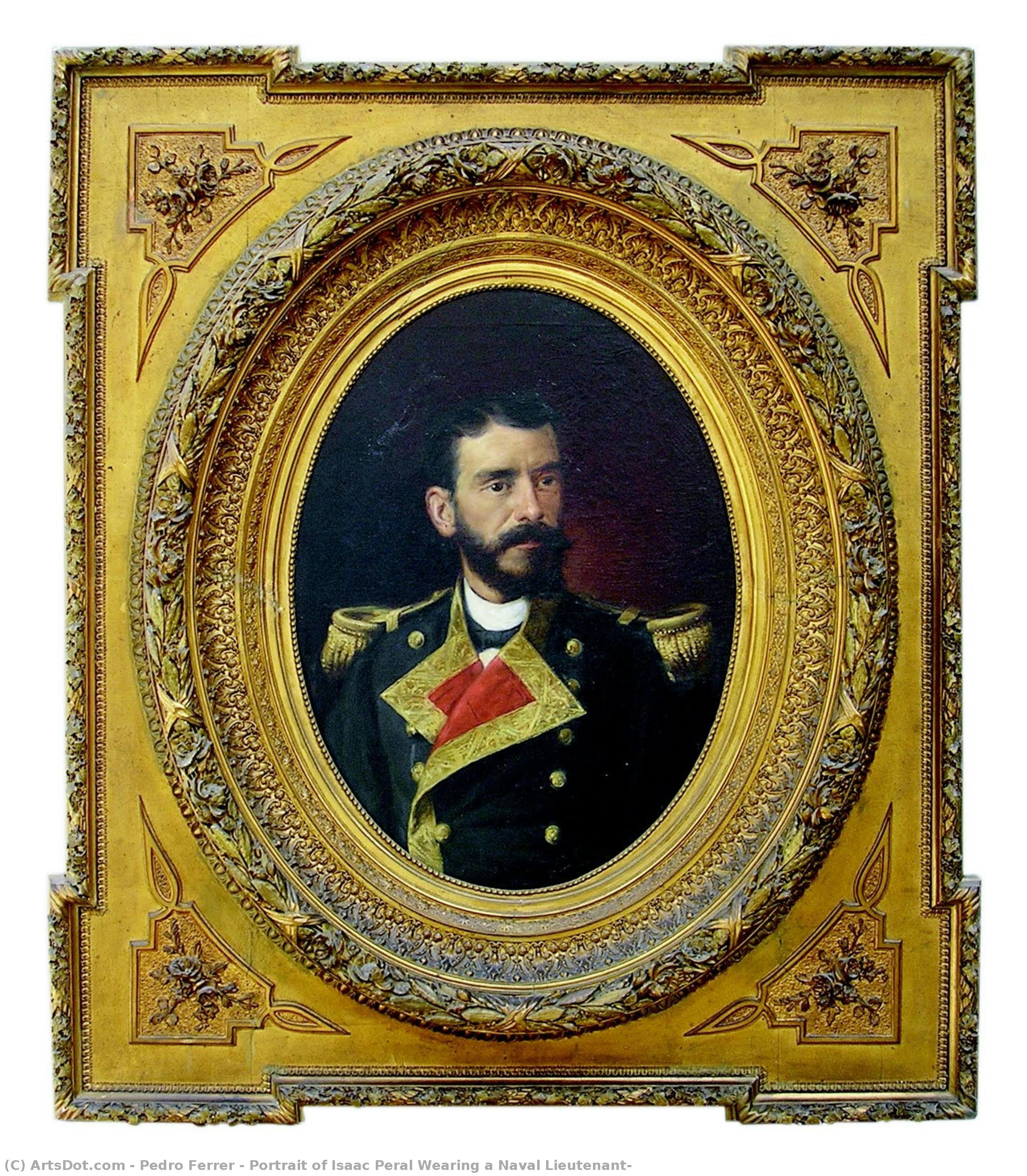
 プレビュー
プレビュー
 シェアする
シェアする シェアする
シェアする
 詳細を見る
詳細を見る

 ダウンロード
 似ている作品
 X線調査
X線調査 スライドショー
 統計情報
統計情報Portrait of Isaac Peral Wearing a Naval Lieutenant


 詳細を見る
詳細を見る
オンラインプレビューをはるかに凌ぐ、高解像度で鮮明なデジタル画像をご購入いただけます。
各ファイルは、社内の専門家が高度なツールと熟練した手作業によるレタッチを用いて、細心の注意を払って準備されています。すべての画像において、卓越した鮮明度、正確な色彩再現性、そして繊細なディテールを保証いたします。
最終ファイルは、プロフェッショナルな編集・印刷環境ですぐにご利用いただけるよう最適化された状態で、72時間以内にメールにてお届けいたします。これは、一流のデザインスタジオ、出版社、ギャラリーから信頼されているものと同等の品質です。
デジタルアート
個人での鑑賞、印刷、クリエイティブなプロジェクト用に、高解像度ファイルをダウンロードできます。 ( プリント版に切り替え 手描きの絵画を購入)
デジタル画像のご注文に付随する特典
高品質なデジタル画像配信を、確かな品質で。
ArtsDot.com を選ぶことは、単に画像を手に入れることではありません。それは、プロの手によって精密に仕上げられ、満足保証が付いた高品質なデジタルアートワークを受け取ることを意味します。ご注文いただいた際に自動的に付随する内容は、以下の通りです:

メールですぐにお届け
ご注文から72時間以内に、高解像度のデジタル画像ファイルがメールでお手元に届きます。すぐにそのままご利用いただけます。

AI技術で最適化されたデジタルファイル
お客様の作品は、高度なAIツールと専門家による手作業の編集を組み合わせてプロフェッショナルに最適化されており、細部のディテール、鮮明さ、そして正確な色再現性を最大限に引き出しています。

一生涯無料の再送サービス
ファイルを誤って削除したり、紛失してしまったりしましたか?ご安心ください。いつでも無料で再送いたします。

輸入手数料は一切かかりません
関税や手数料、配送料を気にすることなく、お気に入りのアートワークをすぐにお楽しみいただけます。デジタルダウンロードは常に免税です。

色彩再現の保証
プロ仕様のツールとカラーマネジメント技術を用いることで、デジタル画像が元の色を最大限に忠実に再現することを保証いたします。

100日間満足保証
ご購入いただいたデジタル画像にご満足いただけない場合は、100日以内であれば、理由を問わず修正または100%の返金対応をさせていただきます。

100% 返金保証
ご満足いただけない場合は、デジタルファイルを受け取ってから100日以内であれば、理由を問わず全額返金いたします。

まとめ買い割引
3枚購入で10%OFF - 5枚購入で15%OFF - 10枚以上購入で20%OFF。クリエイティブなプロジェクト、ギャラリー、エージェンシーに最適です。
関連作品

作家の略歴
Paul Gauguin: A Revolutionary Soul
Paul Gauguin, born Eugène Henri Paul Gauguin in 1848 amidst the tumultuous year of European revolutions, was far more than a painter; he was a provocateur, an iconoclast, and a pivotal figure in the transition from Impressionism to modern art. His life, marked by restless travel, financial struggles, and a relentless pursuit of artistic authenticity, culminated in a body of work that continues to fascinate and challenge viewers today. Gauguin’s journey wasn't one of formal training or academic recognition; instead, it was forged through experience, observation, and an unwavering commitment to expressing his inner vision – a vision often rooted in the exotic and the primal.
Early life provided little indication of the radical artist he would become. Born into a family of modest means in Paris, Gauguin’s childhood was shaped by frequent moves and financial instability. His father, a shipbroker, instilled in him a love for travel and adventure, while his mother's Peruvian ancestry fueled a fascination with the “primitive” – a theme that would profoundly influence his artistic choices. He initially pursued a career as a stockbroker, but found it stifling and unfulfilling. It was during this period of disillusionment that he began to dedicate himself to painting, initially influenced by the Impressionists in Paris, particularly Camille Pissarro. However, Gauguin quickly recognized the limitations of mimicking their style and embarked on a path of independent exploration, seeking a more direct and emotionally resonant form of expression.
The Search for Paradise: Tahiti and Beyond
In 1886, Gauguin made his first journey to Tahiti, an island colony in French Polynesia, driven by a desire to escape the constraints of Western civilization and find a refuge where he could create art unburdened by societal expectations. This move was not merely a vacation; it represented a fundamental shift in his artistic philosophy. He envisioned Tahiti as a “primitive” paradise, a place untouched by the corrupting influences of modernity – a concept that directly contradicted the prevailing trends in European art at the time. His paintings from this period, such as *Nafea fa tatoua* (When Will You Marry?) and *Attea* (The Visionary), are characterized by bold colors, simplified forms, and a focus on Polynesian subjects—women, chiefs, and landscapes—depicted with an almost hallucinatory intensity.
However, his time in Tahiti was fraught with difficulties. Gauguin’s attempts to establish himself as a respected artist were hampered by his unconventional methods and abrasive personality. He clashed frequently with the local population and struggled to find acceptance within the colonial administration. His health deteriorated, and he faced increasing financial hardship. In 1895, disillusioned and exhausted, he embarked on a series of voyages across the South Pacific, visiting islands like Hiva Oa and Easter Island, seeking further inspiration and a renewed sense of purpose. These later works, often characterized by stark contrasts between light and shadow, and featuring figures with haunting expressions, reflect his growing preoccupation with themes of spirituality, death, and the human condition.
A Distinctive Style: Symbolism and Expression
Gauguin’s artistic style evolved dramatically throughout his career. Initially influenced by Impressionism, he quickly developed a highly personal approach that defied categorization. He rejected traditional perspective and realistic representation in favor of flattened planes, simplified forms, and intensely saturated colors. His brushstrokes were often loose and expressive, conveying emotion rather than meticulous detail. He drew inspiration from various sources—including Japanese prints, Spanish Post-Impressionism, and the art of primitive cultures—incorporating elements of each into his unique visual language.
Gauguin’s work is often described as “Symbolist,” although he resisted this label. He used color, line, and composition to evoke specific emotions and ideas, creating a symbolic world that resonated with the subconscious. His paintings are not simply depictions of reality; they are expressions of his inner state—his longing for paradise, his fascination with death, and his search for spiritual meaning. His use of red, particularly, became a signature element, representing passion, violence, and the life force.
Legacy and Influence
Despite facing considerable criticism during his lifetime, Paul Gauguin’s influence on 20th-century art is undeniable. He paved the way for movements such as Fauvism and Expressionism by challenging conventional artistic norms and prioritizing emotional expression over objective representation. His bold use of color, flattened forms, and symbolic imagery inspired generations of artists to explore new ways of seeing and representing the world.
Today, Gauguin’s paintings are celebrated for their power, originality, and enduring appeal. He remains a controversial figure—both admired and criticized—but his legacy as one of the most important and influential artists of the late 19th and early 20th centuries is firmly established. His relentless pursuit of artistic authenticity and his willingness to defy convention continue to inspire artists and viewers alike, reminding us that art can be a powerful tool for exploring the depths of human experience.
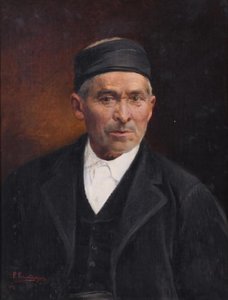
pedro ferrer
1903 -