

 プレビュー
プレビュー
 シェアする
シェアする シェアする
シェアする
 詳細を見る
詳細を見る

 ダウンロード
 似ている作品
 X線調査
X線調査 スライドショー
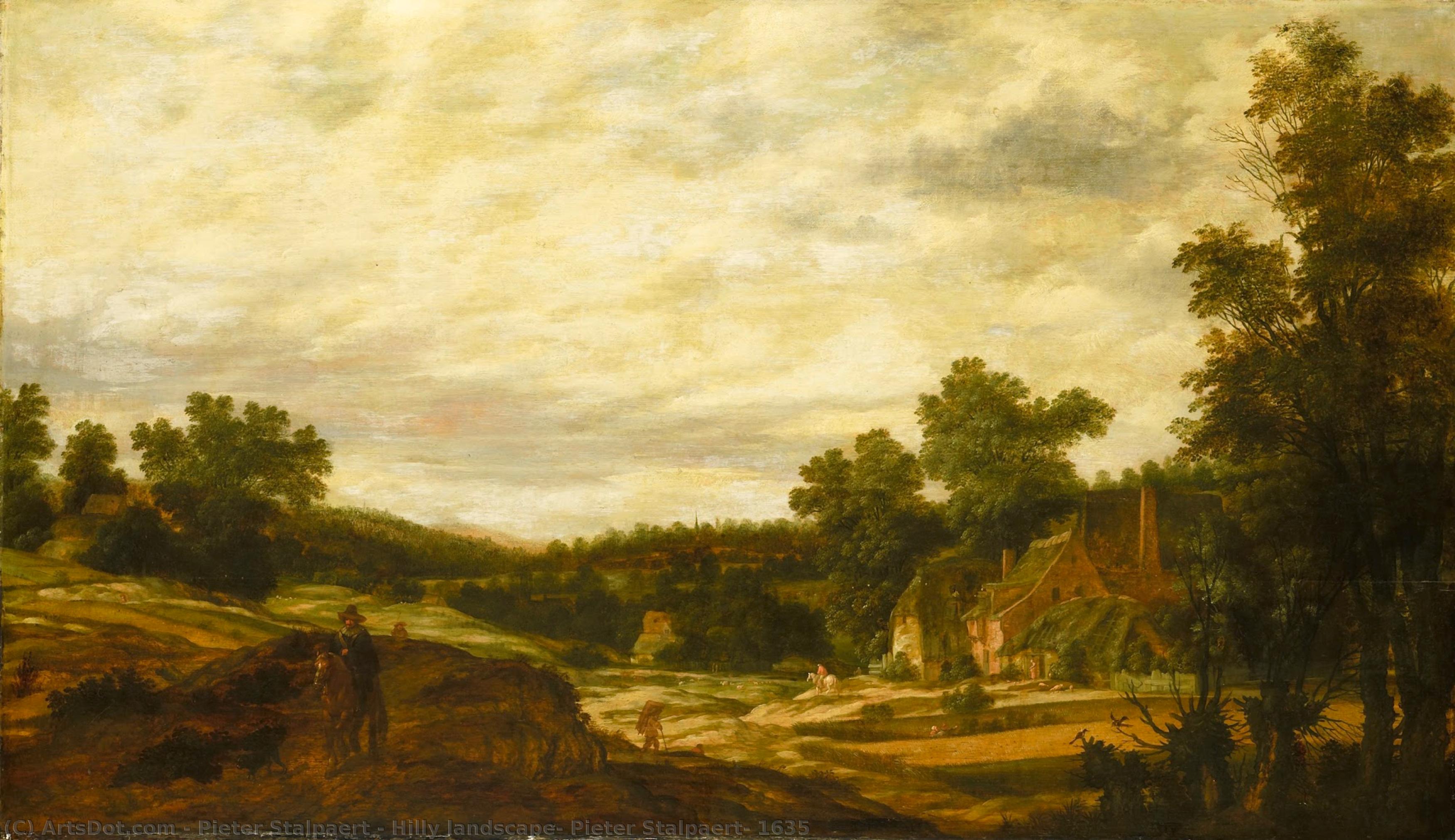
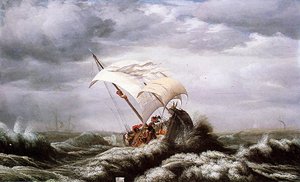
Hilly landscape, Pieter Stalpaert, 1635
 1635
1635 67.0 x 115.0 cm
 詳細を見る
詳細を見る
ジークレー/アートプリント
迅速な制作と多彩な仕上げオプションを備えた、ミュージアムクオリティのジークレーまたはキャンバスプリント。 ( 手描きの絵画を購入 画像を購入)




































作品のオリジナル比率に合わせた、当店の規定サイズからお選びください。

特定のフレームやスペースに合わせて、ご自身でサイズを指定することも可能です。選択されたサイズが元の画像の比率と一致しない場合、作品をトリミングするか、鏡面反射または単色での塗りつぶしによって画像を拡張いたします。制作を開始する前に、ご確認用のデジタルモックアップをお送りいたします。
画面上のプレビューには、実際のトリミングや拡張は反映されませんのでご注意ください。最終的な構図を正確に確認できるのは、モックアップのみとなります。
カスタムサイズも承っておりますが、元の比率を維持するためには、あらかじめ用意されたリストからサイズを選択することをお勧めいたします。


 ガラスオプションは、110cm未満のサイズでのみご利用いただけます。

Hilly landscape, Pieter Stalpaert, 1635
ジークレー/アートプリント
複製画のサイズ
-


合計金額
$ 62
作品詳細説明
関連作品



アーティストの略歴
François Clouet: A Master of Renaissance Portraiture
Born around 1510 and tragically dying in 1572, François Clouet remains a pivotal figure in the late Northern Renaissance art scene, particularly renowned for his exquisitely detailed portraits of the French court and nobility. While often overshadowed by contemporaries like Hans Holbein the Younger, Clouet’s work possesses a unique elegance and psychological depth that continues to captivate viewers today. His legacy rests not on grand, revolutionary innovations but rather on a consistent pursuit of refined realism and an uncanny ability to capture the essence of his subjects – their status, personality, and even a hint of their inner lives.
Clouet’s early career is somewhat shrouded in mystery, though it's believed he was apprenticed to Jean Fouquet, a prominent artist known for his illuminated manuscripts and portraiture. This formative period undoubtedly instilled in him a deep appreciation for detail and a sophisticated understanding of artistic conventions. He quickly established himself as a sought-after portraitist, initially serving the court of Francis I of France at Fontainebleau. It was during this time that he began to develop his signature style – characterized by meticulous observation, subtle expressions, and an almost photographic quality in rendering fabrics, jewelry, and other accessories.
The Influence of Bronzino and Mannerism
Clouet’s work is inextricably linked to the broader artistic currents of the late 16th century. He was deeply influenced by the Florentine painter Agnolo di Cosimo, known as Bronzino, a leading figure in the Mannerist movement. Bronzino's emphasis on cool colors, stylized figures, and an intellectualized approach to portraiture resonated strongly with Clouet. However, unlike Bronzino’s often overtly artificial style, Clouet retained a greater sense of naturalism, carefully balancing the influence of Mannerism with traditional Renaissance ideals.
The impact of Mannerism is evident in Clouet's compositions – frequently employing pyramidal arrangements and careful attention to detail. He was particularly adept at capturing the textures of luxurious fabrics, such as velvet, silk, and brocade, using a subtle layering of colors and meticulous rendering of folds and creases. His portraits are not merely representations of appearance; they are carefully constructed narratives that reveal the social status, wealth, and personality of their subjects. He frequently depicted members of the French court, including Francis I himself, as well as prominent figures like Claude Gouffier, a renowned diplomat and advisor to the king.
Technique and Style: A Portrait of Precision
Clouet’s technical skill is truly remarkable. His portraits are characterized by an astonishing level of detail – from the individual strands of hair to the intricate patterns on clothing. He employed a technique known as *pointillé*, using numerous small, closely spaced dots to create smooth gradations of tone and texture. This method allowed him to achieve a remarkably realistic effect, particularly in rendering skin tones and fabrics.
Furthermore, Clouet was a master of capturing subtle expressions. His portraits are not stiff or formal; they convey a sense of personality and emotion. He paid close attention to the eyes, capturing fleeting moments of thought, amusement, or contemplation. His ability to portray psychological depth within a relatively small format is a testament to his artistic skill and sensitivity.
Legacy and Historical Significance
Despite not achieving widespread fame during his lifetime, François Clouet’s work has been recognized as a significant contribution to the history of portraiture. His portraits offer invaluable insights into the lives and personalities of the French court in the late 16th century. His meticulous attention to detail and psychological realism set him apart from many of his contemporaries, establishing him as one of the most accomplished portraitists of his era.
Today, Clouet’s portraits are housed in major museums around the world, including the Louvre Museum in Paris and the National Gallery in London. They continue to be admired for their beauty, elegance, and enduring appeal – a testament to the skill and artistry of this often-overlooked master of Renaissance portraiture.
peeter stalpaert
1572 - , Belgium
基本情報
- Artistic Movement Or Style: Mannerism
- Artists Or Movements Influenced By This Artist:
- Bronzino
- Renaissance Painting
- Artists Who Influenced This Artist:
- Michelangelo
- Pontormo
- Date Of Birth: c. 1510
- Date Of Death: 22 December 1572
- Full Name: François Clouet
- Nationality: French
- Notable Artworks:
- Portrait of a Young Man
- Portraits of Francis I
- Place Of Birth: France

