

 プレビュー
プレビュー
 プリントを購入
 シェアする
シェアする シェアする
シェアする
 詳細を見る
詳細を見る

 ダウンロード
 似ている作品
 X線調査
X線調査 スライドショー
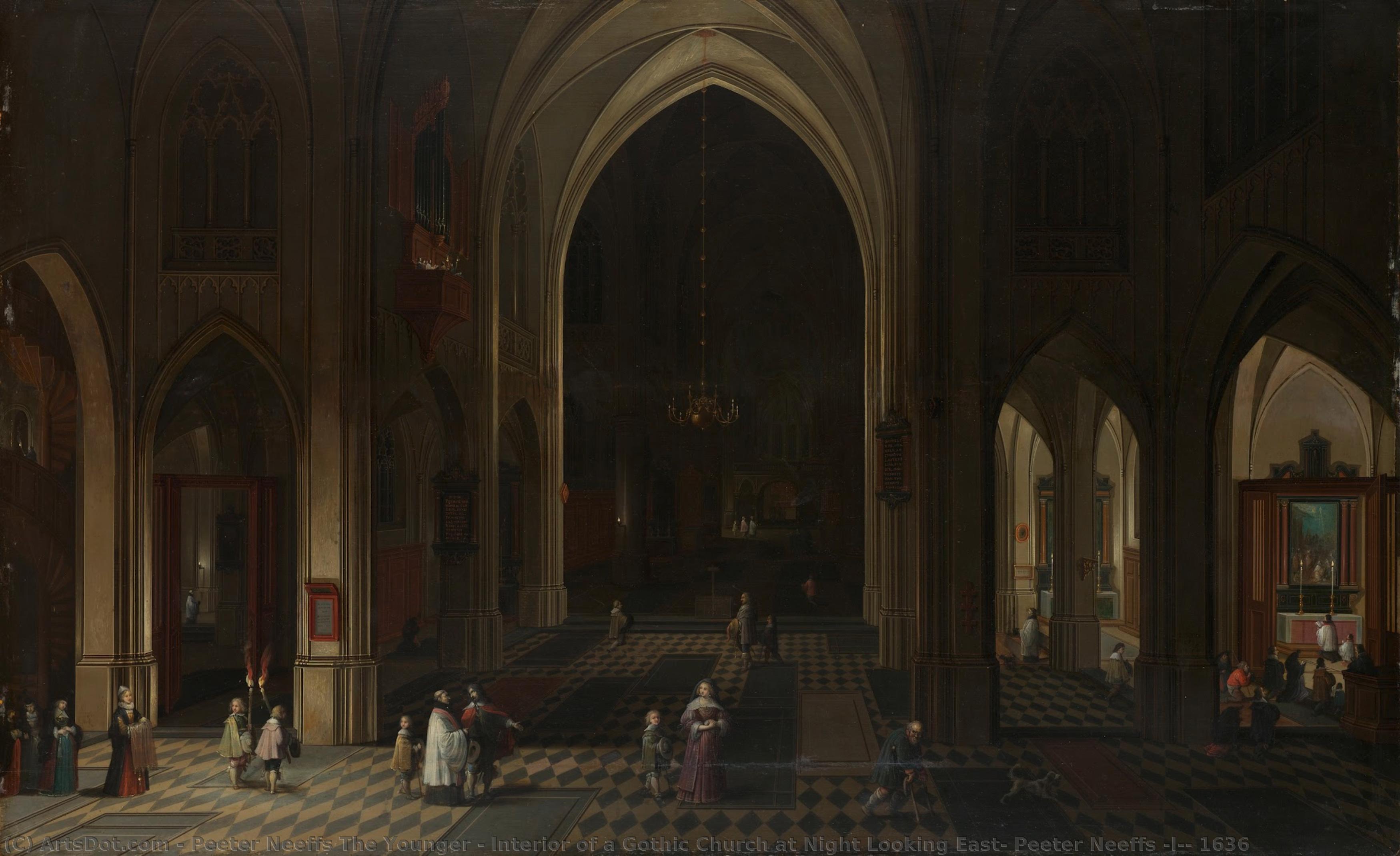
Interior of a Gothic Church at Night Looking East, Peeter Neeffs (I), 1636
 1636
1636 50.0 x 80.0 cm
 詳細を見る
詳細を見る
オンラインプレビューをはるかに凌ぐ、高解像度で鮮明なデジタル画像をご購入いただけます。
各ファイルは、社内の専門家が高度なツールと熟練した手作業によるレタッチを用いて、細心の注意を払って準備されています。すべての画像において、卓越した鮮明度、正確な色彩再現性、そして繊細なディテールを保証いたします。
最終ファイルは、プロフェッショナルな編集・印刷環境ですぐにご利用いただけるよう最適化された状態で、72時間以内にメールにてお届けいたします。これは、一流のデザインスタジオ、出版社、ギャラリーから信頼されているものと同等の品質です。
デジタル画像のご注文に付随する特典
高品質なデジタル画像配信を、確かな品質で。
ArtsDot.com を選ぶことは、単に画像を手に入れることではありません。それは、プロの手によって精密に仕上げられ、満足保証が付いた高品質なデジタルアートワークを受け取ることを意味します。ご注文いただいた際に自動的に付随する内容は、以下の通りです:

メールですぐにお届け
ご注文から72時間以内に、高解像度のデジタル画像ファイルがメールでお手元に届きます。すぐにそのままご利用いただけます。

AI技術で最適化されたデジタルファイル
お客様の作品は、高度なAIツールと専門家による手作業の編集を組み合わせてプロフェッショナルに最適化されており、細部のディテール、鮮明さ、そして正確な色再現性を最大限に引き出しています。

一生涯無料の再送サービス
ファイルを誤って削除したり、紛失してしまったりしましたか?ご安心ください。いつでも無料で再送いたします。

輸入手数料は一切かかりません
関税や手数料、配送料を気にすることなく、お気に入りのアートワークをすぐにお楽しみいただけます。デジタルダウンロードは常に免税です。

色彩再現の保証
プロ仕様のツールとカラーマネジメント技術を用いることで、デジタル画像が元の色を最大限に忠実に再現することを保証いたします。

60日間満足保証
ご購入いただいたデジタル画像にご満足いただけない場合は、60日以内であれば、修正または100%の返金(理由を問う必要はありません)をさせていただきます。

100% 返金保証
ご満足いただけない場合は、デジタルファイルを受け取ってから60日以内であれば、理由を問わず全額返金いたします。

まとめ買い割引
3枚購入で10%OFF - 5枚購入で15%OFF - 10枚以上購入で20%OFF。クリエイティブなプロジェクト、ギャラリー、エージェンシーに最適です。
関連作品





作家の略歴
Peeter the Younger Neeffs: A Flemish Master of Light and Shadow
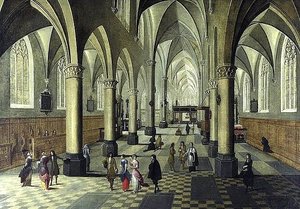
Peeter the Younger Neeffs, a name perhaps less familiar than his contemporaries Rubens or Van Dyck, nevertheless stands as a significant figure in 17th-century Flemish art. Born in Antwerp in 1620 and tragically passing away around 1675, Neeffs carved out a distinctive niche for himself primarily through the captivating depiction of church interiors – spaces imbued with both grandeur and an intimate sense of spirituality. While biographical details remain somewhat sparse, his artwork speaks volumes about his skill, meticulousness, and profound understanding of light, composition, and the human experience within sacred settings.
Neeffs’ early life is shrouded in a degree of obscurity. He was the younger son of Pieter Neefs the Elder, a highly respected architectural painter already established in Antwerp. This familial connection undoubtedly played a crucial role in shaping his artistic trajectory, providing him with an apprenticeship within his father's workshop and exposure to a rich tradition of depicting religious spaces. Unlike his father, who often focused on grand, sweeping compositions, Neeffs developed a particular fascination with the subtle nuances of light and shadow within these interiors – a technique that would become the hallmark of his style.
The Art of the Interior: A Unique Vision
Neeffs’ primary subject matter revolved around the architectural interiors of churches, particularly those of Antwerp Cathedral. However, he didn't simply replicate existing structures; rather, he created imagined spaces—a blend of realism and artistic license—that captured a profound sense of atmosphere and emotion. These weren’t mere technical exercises in perspective; they were carefully constructed narratives, often depicting religious processions or ceremonies unfolding within the dimly lit nave. His compositions frequently feature a deep recession into space, achieved through masterful use of linear perspective, drawing the viewer's eye towards an unseen vanishing point.
A defining characteristic of Neeffs’ work is his manipulation of light. He expertly employed chiaroscuro – the dramatic contrast between light and dark – to create a sense of depth, volume, and drama. He frequently depicted interiors bathed in a soft, ethereal glow, sometimes emanating from unseen windows or stained glass, while other times utilizing stark contrasts to highlight specific figures or architectural details. This skillful use of light wasn’t merely decorative; it served to heighten the spiritual significance of the scene and evoke a sense of reverence.
Collaboration and Influences
Neeffs' artistic practice was deeply intertwined with collaboration. He frequently worked alongside other prominent Antwerp painters, notably his father, Pieter Neefs the Elder, as well as Frans Francken III, David Teniers the Younger, and Bonaventura Peeters the Elder. These collaborations allowed him to expand his repertoire and refine his technique. The close stylistic similarities between his work and that of his father have sometimes created challenges in attributing individual works definitively, highlighting the complexities of artistic lineages within the Neefs family.
While influenced by the architectural paintings of Hendrik van Steenwijck the Elder – particularly his nocturnal church interiors – Neeffs developed a unique style characterized by its meticulous detail and psychological depth. The influence of Dutch Golden Age painters is also evident in his use of color and composition, though he retained a distinctly Flemish sensibility.
Notable Works and Legacy
Among Neeffs’ most celebrated works are “Interior of a Church” (Victoria & Albert Museum), which exemplifies his mastery of light and perspective; "The Interior of the Dominican Church, Antwerp, Looking East, with the Procession of the Holy Sacrament" (Musée du Louvre), showcasing his ability to capture the dynamism of religious ceremony; and “Saint Eustace,” a powerful depiction of the saint’s encounter with the stag. These paintings demonstrate not only his technical skill but also his capacity to imbue these architectural settings with profound emotional resonance.
Today, Peeter the Younger Neeffs' works are treasured possessions within prestigious museums such as the Prado Museum in Madrid and the National Gallery in London. His legacy endures as a testament to the enduring appeal of depicting sacred spaces—a genre that continues to inspire artists and captivate viewers with its evocative beauty and spiritual depth.
For further information about Peeter the Younger Neeffs’ life and artwork, please visit https://ArtsDot.com/@/peeter the younger neeffs and explore examples of his paintings at /en/art/show/art-d3cl2x-en/.
peeter the younger neeffs
1620 - 1675 , Belgium
プロフィール概要
- Artistic Movement Or Style: Baroque
- Artists Or Movements Influenced By This Artist: ['Jan van Huchtenburgh']
- Artists Who Influenced This Artist:
- Peter Paul Rubens
- Anthony van Dyck
- Date Of Birth: 1620 Antwerp, Belgium
- Date Of Death: 1675
- Full Name: Peeter the Younger Neeffs
- Nationality: Flemish
- Notable Artworks:
- Still life with flowers
- Portrait of a young woman
- The lute player
- Saint Eustace
- Place Of Birth: Antwerp, Belgium

