 プレビュー
プレビュー
 プリントを購入
 シェアする
シェアする シェアする
シェアする
 詳細を見る
詳細を見る

 ダウンロード
 似ている作品
 X線調査
X線調査 スライドショー
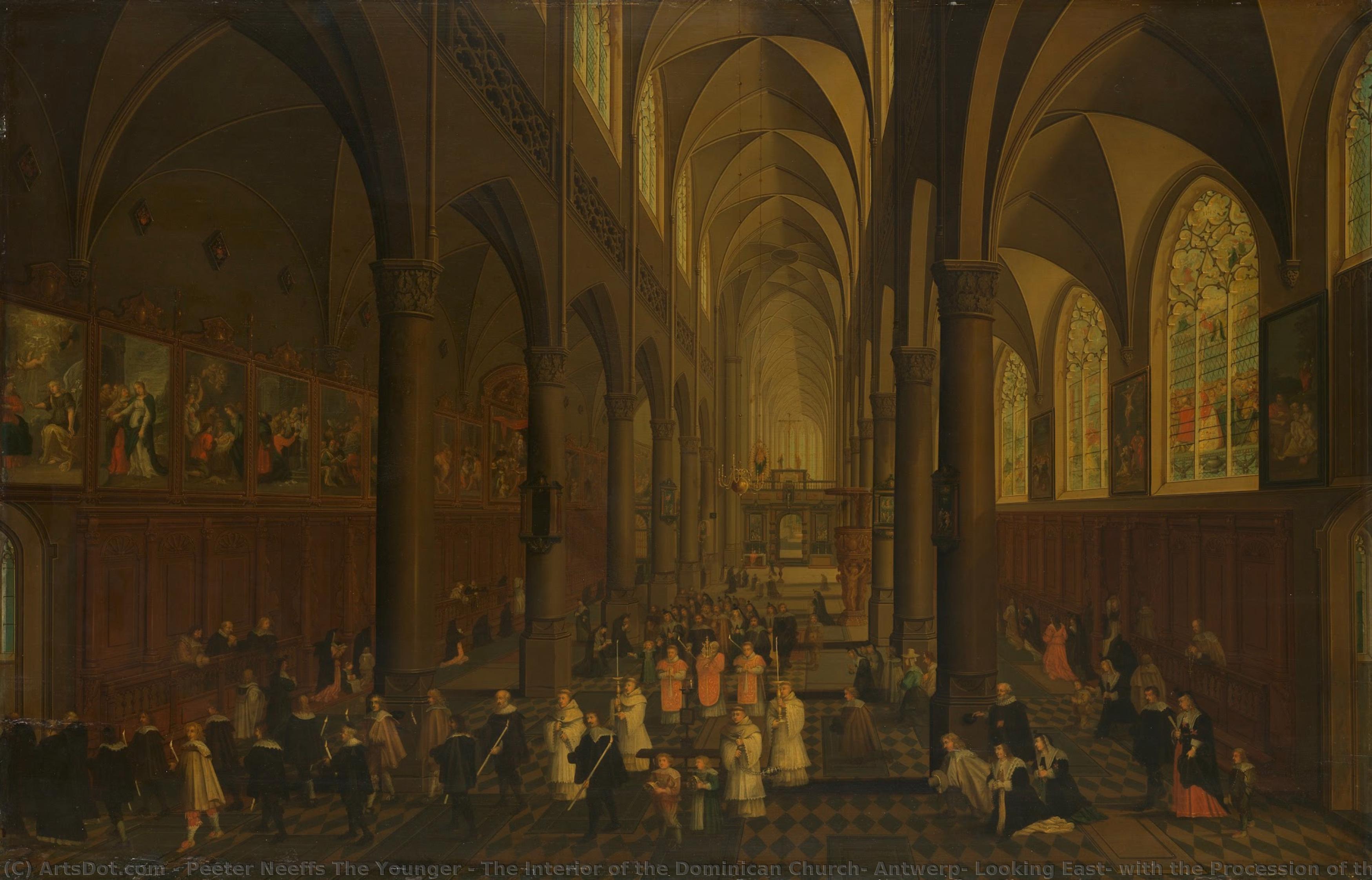
The Interior of the Dominican Church, Antwerp, Looking East, with the Procession of the Holy Sacrament, Peeter Neeffs (I), 1636
 1636
1636 68.0 x 105.0 cm
 詳細を見る
詳細を見る




































作品のオリジナル比率に合わせた、当店の規定サイズからお選びください。

特定のフレームやスペースに合わせて、ご希望のサイズをご入力いただけます。選択されたサイズが元の画像の比率と異なる場合、アートワークをトリミングするか、手描きで要素を追加して絵画を拡張いたします。デジタルモックアップ を制作し、制作開始前にご確認(承認)をいただきます。
画面上のプレビューは、実際のトリミングや拡張を正確に反映しているものではありません。最終的な構図は、モックアップによってのみ正確にご確認いただけます。
カスタムサイズもご利用いただけますが、元の比率を維持するためには、あらかじめ用意されたリストからサイズを選択することをお勧めいたします。
ご注文後、ArtsDot.com チームより詳細な指示をお送りするとともに、仕上がりイメージ(モックアップ)をご提供いたします。


 ガラスオプションは、110cm未満のサイズでのみご利用いただけます。

The Interior of the Dominican Church, Antwerp, Looking East, with the Procession of the Holy Sacrament, Peeter Neeffs (I), 1636
複製技法
複製画のサイズ
-


合計金額
$ 263
関連作品




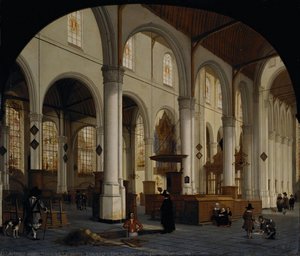
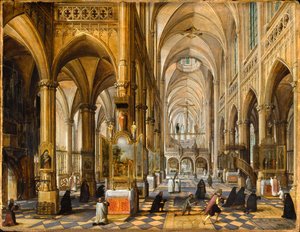

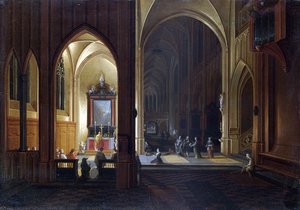
アーティストの略歴
Peeter the Younger Neeffs: A Flemish Master of Light and Shadow
Peeter the Younger Neeffs, a name perhaps less familiar than his contemporaries Rubens or Van Dyck, nevertheless stands as a significant figure in 17th-century Flemish art. Born in Antwerp in 1620 and tragically passing away around 1675, Neeffs carved out a distinctive niche for himself primarily through the captivating depiction of church interiors – spaces imbued with both grandeur and an intimate sense of spirituality. While biographical details remain somewhat sparse, his artwork speaks volumes about his skill, meticulousness, and profound understanding of light, composition, and the human experience within sacred settings.
Neeffs’ early life is shrouded in a degree of obscurity. He was the younger son of Pieter Neefs the Elder, a highly respected architectural painter already established in Antwerp. This familial connection undoubtedly played a crucial role in shaping his artistic trajectory, providing him with an apprenticeship within his father's workshop and exposure to a rich tradition of depicting religious spaces. Unlike his father, who often focused on grand, sweeping compositions, Neeffs developed a particular fascination with the subtle nuances of light and shadow within these interiors – a technique that would become the hallmark of his style.
The Art of the Interior: A Unique Vision
Neeffs’ primary subject matter revolved around the architectural interiors of churches, particularly those of Antwerp Cathedral. However, he didn't simply replicate existing structures; rather, he created imagined spaces—a blend of realism and artistic license—that captured a profound sense of atmosphere and emotion. These weren’t mere technical exercises in perspective; they were carefully constructed narratives, often depicting religious processions or ceremonies unfolding within the dimly lit nave. His compositions frequently feature a deep recession into space, achieved through masterful use of linear perspective, drawing the viewer's eye towards an unseen vanishing point.
A defining characteristic of Neeffs’ work is his manipulation of light. He expertly employed chiaroscuro – the dramatic contrast between light and dark – to create a sense of depth, volume, and drama. He frequently depicted interiors bathed in a soft, ethereal glow, sometimes emanating from unseen windows or stained glass, while other times utilizing stark contrasts to highlight specific figures or architectural details. This skillful use of light wasn’t merely decorative; it served to heighten the spiritual significance of the scene and evoke a sense of reverence.
Collaboration and Influences
Neeffs' artistic practice was deeply intertwined with collaboration. He frequently worked alongside other prominent Antwerp painters, notably his father, Pieter Neefs the Elder, as well as Frans Francken III, David Teniers the Younger, and Bonaventura Peeters the Elder. These collaborations allowed him to expand his repertoire and refine his technique. The close stylistic similarities between his work and that of his father have sometimes created challenges in attributing individual works definitively, highlighting the complexities of artistic lineages within the Neefs family.
While influenced by the architectural paintings of Hendrik van Steenwijck the Elder – particularly his nocturnal church interiors – Neeffs developed a unique style characterized by its meticulous detail and psychological depth. The influence of Dutch Golden Age painters is also evident in his use of color and composition, though he retained a distinctly Flemish sensibility.
Notable Works and Legacy
Among Neeffs’ most celebrated works are “Interior of a Church” (Victoria & Albert Museum), which exemplifies his mastery of light and perspective; "The Interior of the Dominican Church, Antwerp, Looking East, with the Procession of the Holy Sacrament" (Musée du Louvre), showcasing his ability to capture the dynamism of religious ceremony; and “Saint Eustace,” a powerful depiction of the saint’s encounter with the stag. These paintings demonstrate not only his technical skill but also his capacity to imbue these architectural settings with profound emotional resonance.
Today, Peeter the Younger Neeffs' works are treasured possessions within prestigious museums such as the Prado Museum in Madrid and the National Gallery in London. His legacy endures as a testament to the enduring appeal of depicting sacred spaces—a genre that continues to inspire artists and captivate viewers with its evocative beauty and spiritual depth.
For further information about Peeter the Younger Neeffs’ life and artwork, please visit https://ArtsDot.com/@/peeter the younger neeffs and explore examples of his paintings at /en/art/show/art-d3cl2x-en/.
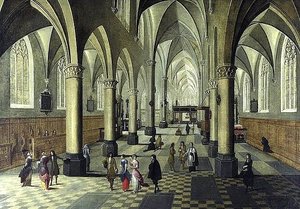
peeter the younger neeffs
1620 - 1675 , Belgium
基本情報
- Artistic Movement Or Style: Baroque
- Artists Or Movements Influenced By This Artist: ['Jan van Huchtenburgh']
- Artists Who Influenced This Artist:
- Peter Paul Rubens
- Anthony van Dyck
- Date Of Birth: 1620 Antwerp, Belgium
- Date Of Death: 1675
- Full Name: Peeter the Younger Neeffs
- Nationality: Flemish
- Notable Artworks:
- Still life with flowers
- Portrait of a young woman
- The lute player
- Saint Eustace
- Place Of Birth: Antwerp, Belgium