

 プレビュー
プレビュー
 プリントを購入
 シェアする
シェアする シェアする
シェアする
 詳細を見る
詳細を見る

 ダウンロード
 似ている作品
 X線調査
X線調査 スライドショー
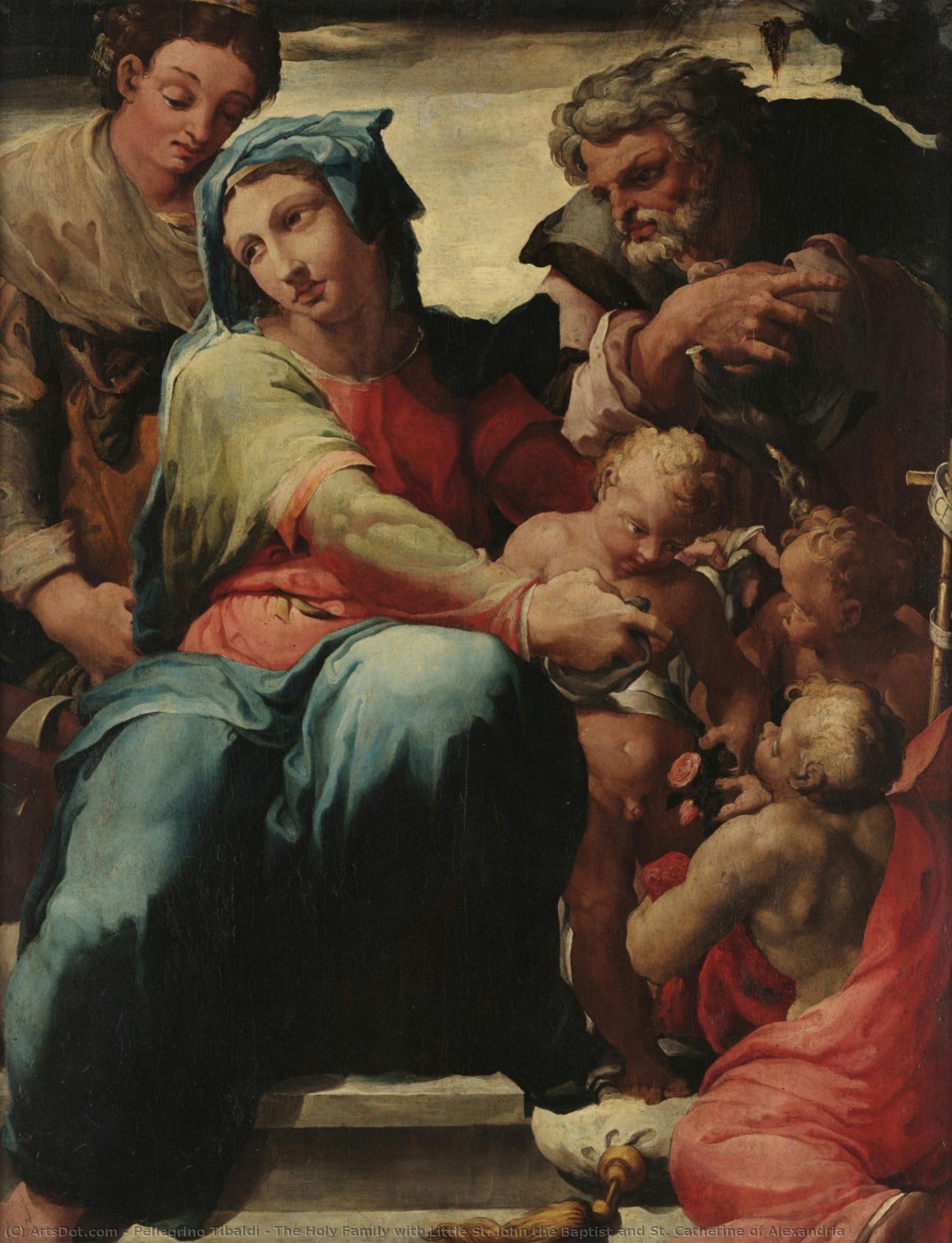
The Holy Family with Little St. John the Baptist and St. Catherine of Alexandria


 詳細を見る
詳細を見る
オンラインプレビューをはるかに凌ぐ、高解像度で鮮明なデジタル画像をご購入いただけます。
各ファイルは、社内の専門家が高度なツールと熟練した手作業によるレタッチを用いて、細心の注意を払って準備されています。すべての画像において、卓越した鮮明度、正確な色彩再現性、そして繊細なディテールを保証いたします。
最終ファイルは、プロフェッショナルな編集・印刷環境ですぐにご利用いただけるよう最適化された状態で、72時間以内にメールにてお届けいたします。これは、一流のデザインスタジオ、出版社、ギャラリーから信頼されているものと同等の品質です。
デジタル画像のご注文に付随する特典
高品質なデジタル画像配信を、確かな品質で。
ArtsDot.com を選ぶことは、単に画像を手に入れることではありません。それは、プロの手によって精密に仕上げられ、満足保証が付いた高品質なデジタルアートワークを受け取ることを意味します。ご注文いただいた際に自動的に付随する内容は、以下の通りです:

メールですぐにお届け
ご注文から72時間以内に、高解像度のデジタル画像ファイルがメールでお手元に届きます。すぐにそのままご利用いただけます。

AI技術で最適化されたデジタルファイル
お客様の作品は、高度なAIツールと専門家による手作業の編集を組み合わせてプロフェッショナルに最適化されており、細部のディテール、鮮明さ、そして正確な色再現性を最大限に引き出しています。

一生涯無料の再送サービス
ファイルを誤って削除したり、紛失してしまったりしましたか?ご安心ください。いつでも無料で再送いたします。

輸入手数料は一切かかりません
関税や手数料、配送料を気にすることなく、お気に入りのアートワークをすぐにお楽しみいただけます。デジタルダウンロードは常に免税です。

色彩再現の保証
プロ仕様のツールとカラーマネジメント技術を用いることで、デジタル画像が元の色を最大限に忠実に再現することを保証いたします。

60日間満足保証
ご購入いただいたデジタル画像にご満足いただけない場合は、60日以内であれば、修正または100%の返金(理由を問う必要はありません)をさせていただきます。

100% 返金保証
ご満足いただけない場合は、デジタルファイルを受け取ってから60日以内であれば、理由を問わず全額返金いたします。

まとめ買い割引
3枚購入で10%OFF - 5枚購入で15%OFF - 10枚以上購入で20%OFF。クリエイティブなプロジェクト、ギャラリー、エージェンシーに最適です。
A Vision of Divine Kinship: The Holy Family with Little St. John the Baptist and St. Catherine of Alexandria
To gaze upon this masterpiece by Pellegrino Tibaldi is to step directly into the charged atmosphere of the Italian High Renaissance, a moment when divine narrative met breathtaking humanism. This painting, executed around 1549, transcends a mere portrait; it is a complex theological tableau brimming with movement and profound connection. The central grouping—the Holy Family—is rendered not with placid serenity, but with an almost palpable energy. Observe the Virgin Mary, whose posture itself speaks of dramatic tension. She pivots her waist gracefully to the right while casting her gaze thoughtfully toward the left, creating a dynamic counterpoint that pulls the viewer's eye across the entire composition. Her outstretched arms do not merely hold; they seem to acknowledge, to guide, suggesting a relationship deeper than simple physical proximity.
Mastery in Mannerism: Tibaldi’s Imposing Figures
Pellegrino Tibaldi, an artist whose career bridged the late Mannerist flourish with the burgeoning Baroque drama, imbues every figure with monumental presence. His influence, clearly drawn from the towering achievements of Michelangelo and his circle, is evident in the stately, almost sculptural quality of the forms. The infant Christ, for instance, does not possess the delicate vulnerability one might expect; rather, he emerges as a powerful, kingly figure, lending an air of solemn majesty to the divine narrative. This technical prowess—the ability to render such imposing figures with grace and weight—marks Tibaldi as a master craftsman who commanded elite commissions across Bologna, Rome, and Spain.
Symbolism Woven into the Scene
The inclusion of Little St. John the Baptist and St. Catherine of Alexandria enriches the symbolic tapestry considerably. These flanking figures are not decorative additions; they participate in the sacred drama, each carrying their own weight of spiritual meaning. The overall setting, suggested by the visible outdoor environment and foreground elements like the bench, grounds this heavenly event within a relatable, earthly space. Furthermore, the subtle details—the presence of birds near the corners, or perhaps the depiction of one child feeding another from a bottle in the background—invite closer contemplation. These minute touches are the hallmarks of an artist who understood that symbolism resides not just in the main subjects, but in the very air surrounding them.
An Echo for the Modern Collector
For those seeking to bring the grandeur and intellectual depth of the Renaissance into a contemporary space, this work offers unparalleled resonance. The interplay between dramatic movement and carefully balanced composition ensures that the piece commands attention while inviting prolonged study. Owning a reproduction of this painting is not merely acquiring art; it is curating a focal point steeped in history, theological richness, and breathtaking artistic execution. It speaks to an appreciation for the period when art was at its most ambitious—a time when patrons demanded both divine narrative and impeccable human form.
関連作品









作家の略歴
The Versatile Visionary: The Life and Legacy of Pellegrino Tibaldi
In the vibrant, transformative era of late Mannerism and the dawn of the Baroque, few figures embodied the spirit of Renaissance polymathy as completely as Pellegrino Tibaldi. Born in 1527 in Puras, near Brescia, Tibaldi emerged from a lineage where art was woven into the very fabric of family life; his father, a skilled sculptor, provided the foundational understanding of form and volume that would later define Tibaldi’s unique approach to both canvas and stone. His early training under the renowned sculptor Giovanni Battista Falcone instilled in him a rigorous devotion to classical ideals and a meticulous attention to craftsmanship. This sculptural grounding became the hallmark of his painterly style, allowing him to imbue his figures with a monumental presence that seemed to transcend the flat surface of the fresco or oil painting.
As his career flourished, Tibaldi’s genius expanded far beyond the confines of the easel. He became a master of spatial harmony, bridging the gap between the two-dimensional world of painting and the three-dimensional reality of architecture. His architectural contributions reshaped the urban landscape of Milan, where he designed prestigious structures such as the Spinola Palace, the Erba Odescalchi Palace, and the Prospero Visconti Palace. In these works, Tibaldi demonstrated an exceptional ability to marry grandeur with geometric precision, creating environments that reflected the elegance and power of his patrons. Perhaps his most breathtaking achievement in this realm was his involvement with the Villa d'Este on Lake Como. Commissioned by Cardinal Tolomeo Gallio, Tibaldi oversaw a design that seamlessly integrated classical architectural elements with innovative landscaping, pushing the boundaries of how man-made structures could interact with the natural world.
A Master of Light, Drama, and Mannerist Elegance
Tibaldi’s painterly output is characterized by a captivating tension between the structured elegance of Mannerism and the burgeoning emotional intensity of the Baroque. His works often feature a sophisticated use of color and light to guide the viewer through complex, crowded compositions. In masterpieces such as The Adoration of the Christ Child (1568), one can witness his ability to blend classical grace with a new, more dramatic colorism. The way he depicts Mary and Jesus, surrounded by a celestial assembly of angels and sibyls, showcases a dynamic energy that was revolutionary for its time. This mastery of light is equally evident in his frescoes, such as the stunning depiction of the Raising of Lazarus, where dramatic lighting serves to heighten the spiritual gravity of the scene.
The artist's ability to manipulate texture and detail further distinguishes his oeuvre. Whether it is the intricate gold accents and delicate bird motifs found in his architectural details or the robust, muscular forms that echo his sculptural training, Tibaldi’s work invites deep contemplation. His compositions often utilize a sense of movement—a swirling, rhythmic quality that keeps the eye wandering through layers of symbolic meaning and anatomical precision. This stylistic fluidity allowed him to navigate the complex demands of various religious and noble patrons, moving effortlessly between the solemnity required for sacred altarpieces and the opulence necessary for palatial decorations.
Historical Significance and Artistic Endurance
The historical importance of Pellegrino Tibaldi lies in his role as a bridge between eras. He stood at the crossroads of the late Renaissance, carrying forward the refined traditions of his predecessors while simultaneously laying the groundwork for the theatricality and emotional depth of the Baroque period. His influence stretched across Europe, reaching into the royal courts of Spain and leaving an indelible mark on the artistic culture of Italy. Through his dual mastery of architecture and painting, he redefined the concept of the artist as a total creator of environments—one who does not merely decorate a space but fundamentally shapes its soul.
Today, Tibaldi’s legacy is preserved in some of the world's most prestigious collections and sacred sites. His works continue to inspire awe through their:
- Structural Integrity: A unique ability to bring sculptural weight and three-dimensional presence to two-dimensional surfaces.
- Architectural Innovation: The creation of lasting urban landmarks that balanced classical geometry with aesthetic splendor.
- Narrative Depth: The use of dramatic lighting and complex compositions to convey profound theological and mythological themes.

Pellegrino Tibaldi
1527 - 1596 , Italy
プロフィール概要
- Artistic Movement Or Style: Mannerist Art
- Artists Or Movements Influenced By This Artist: ['Renaissance Painting']
- Artists Who Influenced This Artist: ['Federico Zuccaro']
- Date Of Birth: 1527
- Date Of Death: 1596
- Full Name: Pellegrino Tibaldi
- Nationality: Italian
- Notable Artworks:
- The Holy Family
- Pelleg
- Place Of Birth: Puras, Italy

