

 プレビュー
プレビュー
 プリントを購入
 シェアする
シェアする シェアする
シェアする
 詳細を見る
詳細を見る

 ダウンロード
 似ている作品
 X線調査
X線調査 スライドショー
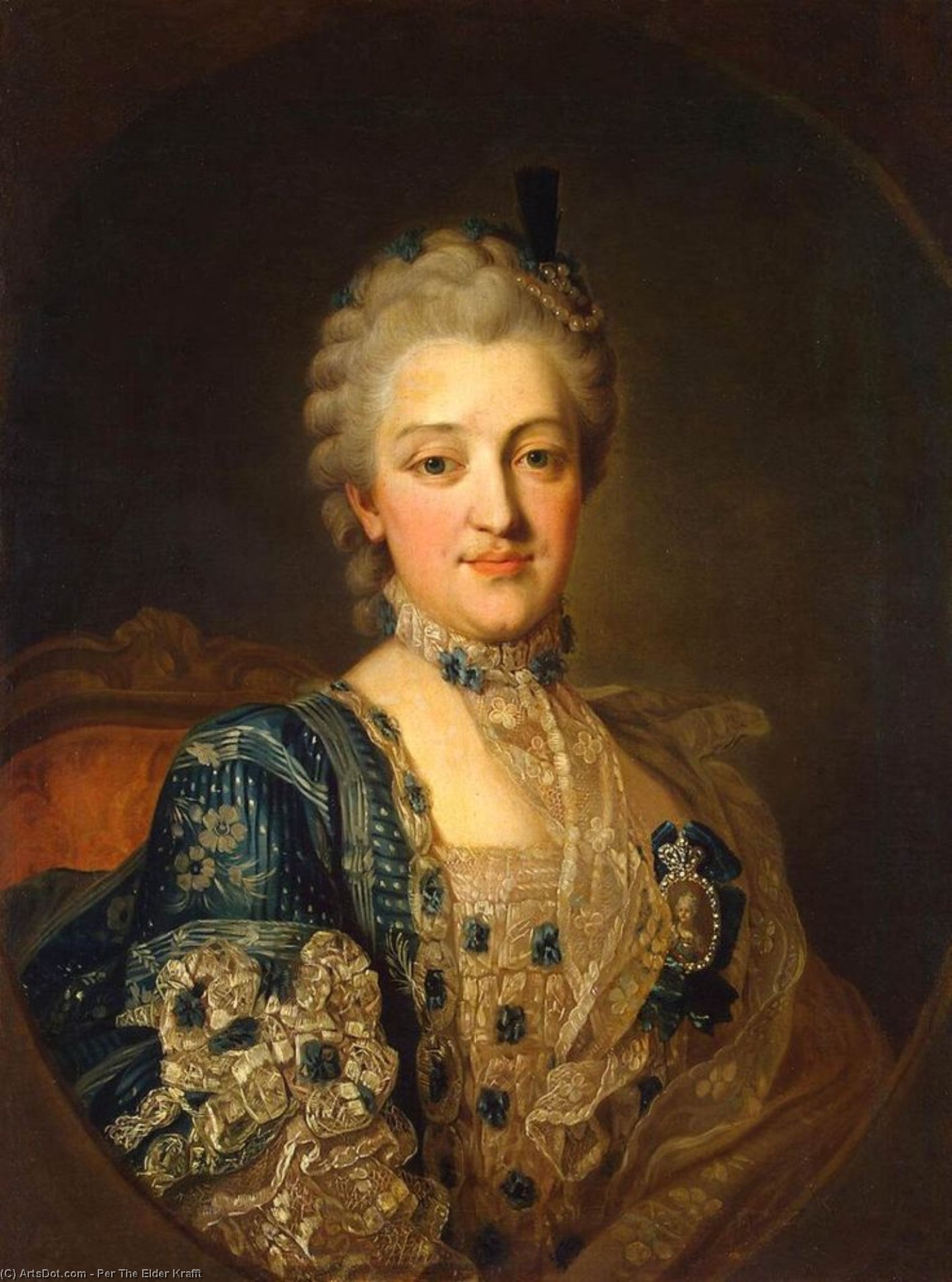
Portrait of Natalia Alexandrovna Repnina
 Oil On Canvas
- WallArt
- Rococo
 1767
1767 75.0 x 57.0 cm
 エルミタージュ美術館
 詳細を見る
詳細を見る




P118B $10

P118H $10

P118W $10

P438Z $10

P508JH $12

P508YH $12

P805H $10

P805Z $10

P919BZ $10

P919G $10

P919XJ $10

P959ZH $10

P968JZ $12

W106C $8

W218G $10

W218JH $8

W218Y $10

W307PJ $10

W316G $10

W316PJ $8

W316Y $10

W398PJ $8

W4111J $10

W500HY $15

W500JH $15

W692G $12

W849H $8

W940BG $15

W953PJ $8




作品のオリジナル比率に合わせた、当店の規定サイズからお選びください。

特定のフレームやスペースに合わせて、ご希望のサイズをご入力いただけます。選択されたサイズが元の画像の比率と異なる場合、アートワークをトリミングするか、手描きで要素を追加して絵画を拡張いたします。デジタルモックアップ を制作し、制作開始前にご確認(承認)をいただきます。
画面上のプレビューは、実際のトリミングや拡張を正確に反映しているものではありません。最終的な構図は、モックアップによってのみ正確にご確認いただけます。
カスタムサイズもご利用いただけますが、元の比率を維持するためには、あらかじめ用意されたリストからサイズを選択することをお勧めいたします。
ご注文後、ArtsDot.com チームより詳細な指示をお送りするとともに、仕上がりイメージ(モックアップ)をご提供いたします。


 ガラスオプションは、110cm未満のサイズでのみご利用いただけます。

Portrait of Natalia Alexandrovna Repnina
複製技法
複製画のサイズ
-


合計金額
$ 263
The Allure of Rococo Grace: A Portrait of Natalia Alexandrovna Repnina
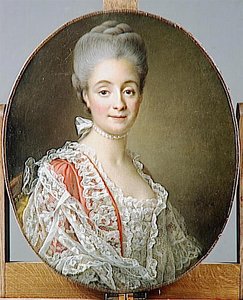
To gaze upon this portrait is to step directly into the gilded salons of 18th-century Sweden, where life was lived with an exquisite, almost breathless elegance. This depiction of Natalia Alexandrovna Repnina captures not merely a likeness, but an entire atmosphere—one steeped in the delicate ornamentation and sophisticated leisure characteristic of the Rococo period. The sitter possesses an air of serene composure; her gaze seems to hold the quiet confidence of nobility accustomed to being admired. The composition itself is masterfully intimate, drawing the viewer into a close encounter with the subject, whose presence dominates the canvas against a background that dissolves into suggestive shadow.
Technique and Material Splendor
The artist, working in the tradition established by masters like Per the Elder Krafft, employed oil paint on canvas to achieve a breathtaking level of textural detail. Observe how the light seems to physically interact with the materials depicted: the soft sheen catching the highlights in her meticulously styled hair, the intricate lacework of her garments, and the subtle, rich folds of silk. The brushwork is nothing short of meticulous; it speaks to hours of patient dedication, allowing the artist to render both the ephemeral softness of skin and the tangible weight of luxurious fabric with equal grace. This technical virtuosity ensures that even in a reproduction, the illusion of depth and material richness remains profoundly convincing.
Symbolism Woven into Fabric and Form
Every element within this portrait whispers tales of status and societal expectation. The elaborate dress, adorned with visible embroidery and fine jewelry, functions as a visual lexicon of wealth; it is a testament to the sitter's elevated standing within her society. The very style—the emphasis on organic curves over rigid geometry—is symbolic of the Rococo ethos itself: a celebration of beauty, pleasure, and refined ornamentation. These symbols elevate the portrait beyond mere documentation; they become artifacts embodying an entire cultural moment where outward splendor was paramount.
Historical Resonance and Emotional Impact
Dating to 1767, this work sits at a fascinating crossroads in art history, capturing the height of Rococo flourish just as Enlightenment ideals began to temper its excesses. For the modern admirer, the emotional impact is one of nostalgic romance. It offers an escape into a world defined by soft light and luxurious textures. Whether placed above a mantelpiece or incorporated into a grand drawing-room setting, this piece does more than decorate; it imbues a space with an immediate sense of cultivated history and timeless, aristocratic charm.
関連作品


アーティストの略歴
Per the Elder Krafft: A Swedish Portraitist Embodied in Rococo Elegance
To step into the world of Per the Elder Krafft is to enter a realm of gilded salons and breathless elegance, where the light of the Enlightenment meets the delicate ornamentation of the Rococo. Born in 1724 in Arboga, Sweden, Krafft emerged as a pivotal figure in Swedish art history, a master whose brush captured not merely the physical likenesses of his era, and but the very soul of the eighteenth-century aristocratic elite. His life and work serve as a window into a period defined by a fascinating juxtaposition of grace and burgeoning neoclassical structure, reflecting a society caught between the playful whimsy of the past and the disciplined ideals of a new age.
Krafft’s artistic evolution was shaped by a lineage of profound influence. His early training began in Uppsala, where his interest in the arts first took root, but it was through his studies under established masters that his technical virtuosity truly blossomed. In Stockholm, he became a dedicated pupil of the court painter Johan Henrik Scheffel, whose influence is clearly visible in Krafft’s early self-portraits and intimate family depictions. This foundation of precision was further enriched when Krafft traveled to Copenhagen, where he encountered the works of Carl Gustaf Pilo. From these mentors, Krafft inherited a meticulous attention to detail and an unparalleled ability to manipulate light, learning how to use chiaroscuro to sculpt form and imbue his subjects with a palpable, breathing presence.
The Art of the Aristocratic Narrative
The essence of Krafft’s oeuvre lies in its ability to weave complex narratives through the medium of portraiture. His canvases were far more than simple records of identity; they were carefully constructed tapestries of status, lineage, and moral virtue. Utilizing the soft, pastel palettes characteristic of the Rococo movement, Krafft breathed life into shimmering fabrics, intricate lacework, and the subtle sheen of silk. He possessed a rare technical ability to render the ephemeral softness of human skin alongside the tangible weight of luxurious textiles, creating an illusion of depth that draws the viewer into a close, intimate encounter with the sitter.
His subject matter often centered on the most prominent figures of European nobility, documenting the splendor of dynasties such as the Czartoryski. In his portrait of Izabela Lubomirska née Czartoryska, one can observe his mastery in conveying a sense of refined dignity and serene composure. Similarly, his depiction of the celebrated Russian ballerina, Natalia Alexandrovna Repnina, serves as a breathtaking testament to his skill. In this work, the artist captures an entire atmosphere of sophisticated leisure, where every fold of fabric and every glint of light whispers tales of wealth and societal expectation. Through these works, Krafft did not just paint people; he painted the very concept of nobility.
Legacy and Artistic Lineage
Beyond his individual achievements, Per the Elder Krafft’s historical significance is cemented by the artistic legacy he left within his own family. He was a patriarch of Swedish painting, father to artists who would continue to shape the nation's aesthetic landscape. His children, Per Krafft the Younger and the miniaturist Wilhelmina Krafft, both studied at the Royal Swedish Academy of Fine Arts, carrying forward the technical excellence and emotive depth instilled by their father. This familial continuity ensured that the refined sensibilities of his era would resonate well into the next century.
Ultimately, the work of Per the Elder Krafft remains a vital touchstone for understanding the cultural heartbeat of eighteenth-century Sweden. His ability to balance the playful asymmetry and organic curves of the Rococo with a profound psychological depth allows his portraits to transcend their historical moment. Even today, when we gaze upon his meticulously rendered subjects, we are reminded of a time when art was a grand celebration of beauty, grace, and the enduring allure of the human spirit.
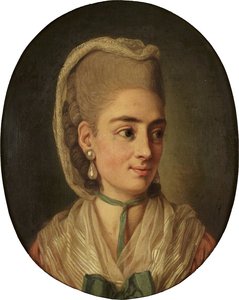
per the elder krafft
1724 - 1793 , Sweden
基本情報
- Artistic Movement Or Style: Rococo
- Date Of Birth: 1724
- Full Name: Per the Elder Krafft
- Nationality: Swedish
- Notable Artworks: ['Portrait of Natalia Repnina']
- Place Of Birth: Ärbo, Sweden
関連記事

華麗なるロココ:芸術史を彩る10大傑作の世界
華麗なるロココ美術の世界へ。バロックから生まれた優雅な芸術、その10大傑作を徹底解説!ブーシェ、フロマンなど巨匠たちの技と物語を紐解き、お部屋を彩るアートを見つけよう。ArtsDot.comで至高の美術館品質レプリカとインテリアアイデアを発見。

The Rococo Aesthetic: Opulence, Rebellion & the Pursuit of Pleasure in 18th-Century Art
Explore the opulent world of Rococo art! Discover its origins, key artists like Watteau & Boucher, and lasting influence on design. Expert insights for collectors & enthusiasts.
Golden Glow: How to Use Metallic Gold Artworks to Elevate Your Home Decor with Timeless Luxury
Discover how to elevate your home with the timeless elegance of metallic gold artworks. From sculptural metal pieces to gilded oil paintings, learn expert interior design tips for integrating luxurious gold accents into your space with sophistication and grace.
The Allure of Gold in Art History: Symbolism, Technique & Cultural Significance
Explore the rich history of gold in art! Discover symbolism, techniques & cultural significance from ancient civilizations to Klimt's masterpieces. Expert insights for collectors at ArtsDot.
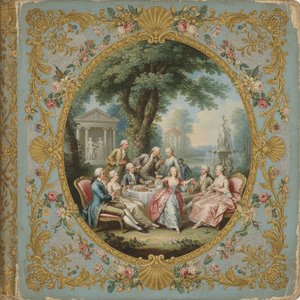
The Rococo Style: Aristocratic Leisure & the Pursuit of Delight in 18th-Century Art
Explore the opulent world of Rococo art! Discover Watteau, Boucher & Nattier's masterpieces. Expert insights for collectors seeking museum-quality reproductions and custom portraits at ArtsDot.

