

 プレビュー
プレビュー
 シェアする
シェアする シェアする
シェアする
 詳細を見る
詳細を見る

 ダウンロード
 似ている作品
 X線調査
X線調査 スライドショー
 統計情報
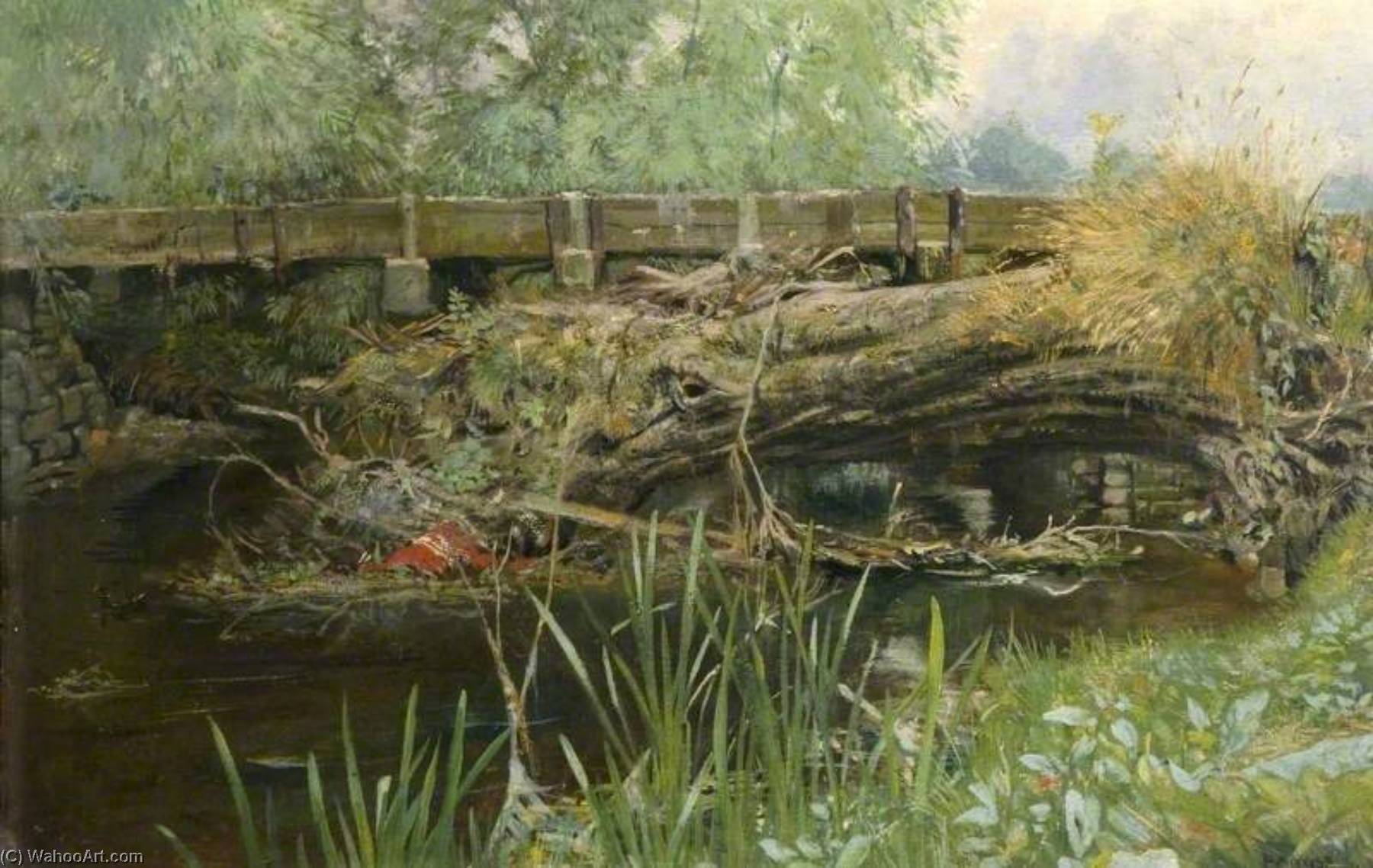
統計情報The Haunt of the Moorhen
 1914
1914 39.0 x 60.0 cm
 詳細を見る
詳細を見る
ジークレー/アートプリント
迅速な制作と多彩な仕上げオプションを備えた、ミュージアムクオリティのジークレーまたはキャンバスプリント。 ( 手描きの絵画を購入 デジタル画像販売へ切り替え)




































作品のオリジナル比率に合わせた、当店の規定サイズからお選びください。

特定のフレームやスペースに合わせて、ご自身でサイズを指定することも可能です。選択されたサイズが元の画像の比率と一致しない場合、作品をトリミングするか、鏡面反射または単色での塗りつぶしによって画像を拡張いたします。制作を開始する前に、ご確認用のデジタルモックアップをお送りいたします。
画面上のプレビューには、実際のトリミングや拡張は反映されませんのでご注意ください。最終的な構図を正確に確認できるのは、モックアップのみとなります。
カスタムサイズも承っておりますが、元の比率を維持するためには、あらかじめ用意されたリストからサイズを選択することをお勧めいたします。


 ガラスオプションは、110cm未満のサイズでのみご利用いただけます。

The Haunt of the Moorhen
ジークレー/アートプリント
複製画のサイズ
-


合計金額
$ 62
Artistic Style and Influences
Percival Arthur Wise's style is characterized by his attention to detail and ability to capture the essence of natural scenery. The The Haunt of the Moorhen painting showcases his skill in using oil on canvas to create a sense of depth and atmosphere. This piece is reminiscent of other works from the same period, such as August Macke's Farewell, which can be found on ArtsDot.com. Key Features of the painting include:- The use of earthy tones to create a sense of warmth and naturalness
- The incorporation of birds in the scene, adding to the overall atmosphere
- The unique composition, which draws the viewer's eye to the fallen tree
Artist Background
Percival Arthur Wise was a talented artist who created several notable works, including The Futility of War, 1914–1918, which can be found on ArtsDot.com. His paintings often featured natural scenery and were characterized by their attention to detail and use of color.The Poole Museum is home to an impressive collection of art and artifacts, including works by other notable artists such as Sydney Ure Smith Long, who created the painting The Spirit of the Plains in 1914. For more information on these artists and their works, visit ArtsDot.com.
関連作品









アーティストの略歴
Percival Arthur Wise: A Weaver of English Landscapes
Percival Arthur Wise (1884-1968) wasn’t a name that immediately resonates within the grand halls of art history, yet his canvases—particularly those depicting the evocative landscapes of rural England—hold a quiet power and enduring appeal. Born in Poole, Dorset, into a family with a strong artistic lineage – his father was a watercolorist – Wise inherited not just technical skill but also a deep-seated love for the natural world, a sentiment that would become the cornerstone of his artistic vision. His life unfolded against the backdrop of a rapidly changing Britain, witnessing both the decline of traditional rural life and the burgeoning influence of modernism, experiences which subtly shaped his distinctive style.
Wise’s early training was largely self-directed, honed through observation and diligent practice. He initially worked as a draughtsman for a shipping company, a profession that provided him with invaluable experience in capturing detail and perspective – skills he later applied to his painting. However, it was the landscapes surrounding Poole that truly captivated him, fueling a desire to translate their beauty onto canvas. His early works demonstrate a clear debt to the traditional English watercolorists of the 19th century, particularly the meticulous rendering of light and shadow characteristic of artists like William Havell and John Piper. Yet, Wise quickly developed his own unique approach, imbuing his paintings with a sense of atmosphere and mood that went beyond mere representation.
- Key Characteristics: Wise’s style is often described as ‘atmospheric realism.’ He wasn't interested in creating photographic reproductions; instead, he sought to capture the *feeling* of a place – the dampness of a moorland morning, the golden light filtering through ancient woodlands, the stillness of a coastal scene.
- Color Palette: His color choices were deliberately muted and subtle, relying on delicate washes of blues, greens, browns, and greys to evoke a sense of tranquility and depth. He masterfully employed glazing techniques to build up layers of color, creating luminous effects that seemed to shimmer with reflected light.
- Composition: Wise favored expansive compositions, often depicting vast landscapes with minimal figures or details. This allowed the viewer’s eye to wander across the canvas, immersing themselves in the scene and experiencing its scale and solitude.
The Influence of Place and Memory
Wise's work is inextricably linked to his deep connection to Dorset and the surrounding countryside. He spent much of his life exploring these landscapes, meticulously observing their ever-changing moods and seasons. This intimate knowledge informed every brushstroke, imbuing his paintings with a palpable sense of authenticity. However, it’s important to note that Wise wasn't simply documenting reality; he was also filtering it through the lens of memory and personal experience. His paintings are not objective records but rather subjective interpretations – reflections of his own emotional response to the world around him.
The influence of the Pre-Raphaelites is evident in Wise’s work, particularly their interest in folklore, mythology, and the beauty of the natural world. Like the Pre-Raphaelites, Wise sought to capture a sense of timelessness and spiritual significance within his landscapes. His paintings often evoke a feeling of melancholy and nostalgia, suggesting that they are glimpses into a lost or fading past. The title “The Haunt of the Moorhen,” for example, perfectly encapsulates this mood – a scene imbued with both beauty and a subtle undercurrent of sadness.
Notable Works and Recognition
Among Wise’s most celebrated works is "Steps to the Garden," a watercolor depicting a winding path leading through a dense woodland. The painting's masterful use of light and shadow, combined with its evocative atmosphere, has earned it widespread acclaim. Other notable paintings include “The Moorland Path,” “Coastal Scene at Lulworth Cove,” and numerous portraits, reflecting his versatility as an artist.
- Harvard & Sackler Museums: Wise’s work is held in the collections of both the Harvard Art Museums and the Arthur M. Sackler Gallery in Washington D.C., testament to the enduring quality and appeal of his art.
- Art UK Archive: The Art UK archive provides a comprehensive overview of Wise's career, including biographical information, images of his paintings, and critical essays.
A Legacy of Quiet Observation
Percival Arthur Wise’s artistic legacy lies not in grand gestures or revolutionary innovations but rather in the quiet observation and meticulous rendering of English landscapes. He was a master of capturing the subtle nuances of light, color, and atmosphere, creating paintings that invite contemplation and evoke a profound sense of connection to the natural world. While he may not be as widely recognized as some of his contemporaries, Wise’s work continues to resonate with viewers who appreciate its understated beauty and timeless appeal – a testament to the power of simple observation and heartfelt expression.
percival arthur wise
1885 - 1968
基本情報
- Artistic Movement Or Style: Landscape painting
- Artists Or Movements Influenced By This Artist: ['Romantic landscape art']
- Artists Who Influenced This Artist: ['William James Müller']
- Date Of Birth: 1884-11-27
- Date Of Death: 1968-05-13
- Full Name: Percival Arthur Wise
- Nationality: British
- Notable Artworks:
- The Haunt of the Moorhen
- Steps to the Garden
- Self Portrait
- Place Of Birth: Cardiff, Wales