

 プレビュー
プレビュー
 プリントを購入
 シェアする
シェアする シェアする
シェアする
 詳細を見る
詳細を見る

 ダウンロード
 似ている作品
 X線調査
X線調査 スライドショー
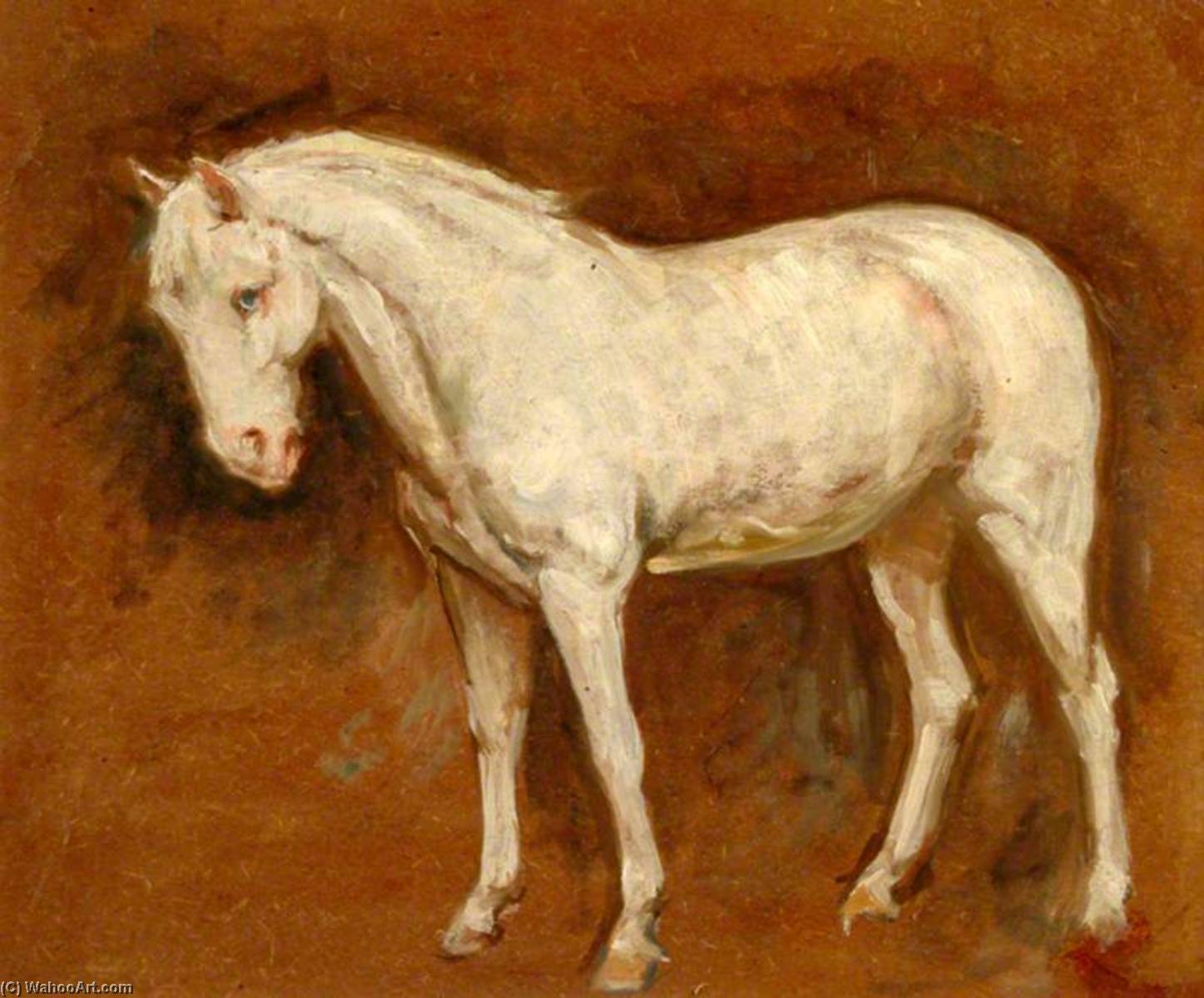
The Grey Horse (recto)
 1944
1944 31.0 x 38.0 cm
 詳細を見る
詳細を見る
オンラインプレビューをはるかに凌ぐ、高解像度で鮮明なデジタル画像をご購入いただけます。
各ファイルは、社内の専門家が高度なツールと熟練した手作業によるレタッチを用いて、細心の注意を払って準備されています。すべての画像において、卓越した鮮明度、正確な色彩再現性、そして繊細なディテールを保証いたします。
最終ファイルは、プロフェッショナルな編集・印刷環境ですぐにご利用いただけるよう最適化された状態で、72時間以内にメールにてお届けいたします。これは、一流のデザインスタジオ、出版社、ギャラリーから信頼されているものと同等の品質です。
デジタル画像のご注文に付随する特典
高品質なデジタル画像配信を、確かな品質で。
ArtsDot.com を選ぶことは、単に画像を手に入れることではありません。それは、プロの手によって精密に仕上げられ、満足保証が付いた高品質なデジタルアートワークを受け取ることを意味します。ご注文いただいた際に自動的に付随する内容は、以下の通りです:

メールですぐにお届け
ご注文から72時間以内に、高解像度のデジタル画像ファイルがメールでお手元に届きます。すぐにそのままご利用いただけます。

AI技術で最適化されたデジタルファイル
お客様の作品は、高度なAIツールと専門家による手作業の編集を組み合わせてプロフェッショナルに最適化されており、細部のディテール、鮮明さ、そして正確な色再現性を最大限に引き出しています。

一生涯無料の再送サービス
ファイルを誤って削除したり、紛失してしまったりしましたか?ご安心ください。いつでも無料で再送いたします。

輸入手数料は一切かかりません
関税や手数料、配送料を気にすることなく、お気に入りのアートワークをすぐにお楽しみいただけます。デジタルダウンロードは常に免税です。

色彩再現の保証
プロ仕様のツールとカラーマネジメント技術を用いることで、デジタル画像が元の色を最大限に忠実に再現することを保証いたします。

60日間満足保証
ご購入いただいたデジタル画像にご満足いただけない場合は、60日以内であれば、修正または100%の返金(理由を問う必要はありません)をさせていただきます。

100% 返金保証
ご満足いただけない場合は、デジタルファイルを受け取ってから60日以内であれば、理由を問わず全額返金いたします。

まとめ買い割引
3枚購入で10%OFF - 5枚購入で15%OFF - 10枚以上購入で20%OFF。クリエイティブなプロジェクト、ギャラリー、エージェンシーに最適です。
関連作品










作家の略歴
Percy Harland Fisher: A Pioneer of Robotic Art and Surgical Innovation
Percy Harland Fisher (1867-1944) remains a curiously compelling figure in the annals of 20th-century art, a British innovator whose legacy extends far beyond conventional artistic boundaries. Often described as a “robotic artist,” Fisher’s work wasn't merely about creating sculptures; it was an exploration into the intersection of mechanics, artistry, and nascent medical technology – a visionary pursuit that foreshadowed developments in surgical robotics decades before their widespread adoption. His career, though relatively short, is marked by a relentless drive to integrate intricate mechanical systems with artistic expression, resulting in a body of work both profoundly unique and remarkably prescient.
Born in Surrey, England, Fisher’s early life offered little indication of the extraordinary path he would forge. Details regarding his formal education are scarce, suggesting a self-taught approach deeply rooted in observation and experimentation. However, anecdotal evidence points to a fascination with clockwork mechanisms and automata from a young age – interests that would become central to his artistic philosophy. Fisher’s work began to gain recognition in the late 19th century, initially through miniature robotic figures and intricate mechanical devices displayed at exhibitions. These early creations weren't simply decorative; they demonstrated an uncanny ability to mimic human movement and behavior, hinting at a deeper understanding of biomechanics.
The TMINI System: A Leap into Surgical Applications
Fisher’s most significant contribution lies in the development of the TMINI system – a remarkably sophisticated miniature robotic arm designed for surgical applications. This wasn't a product of grand technological leaps, but rather a gradual accumulation of knowledge and painstaking refinement over several decades. The genesis of the TMINI can be traced back to Fisher’s observations of surgeons in action, coupled with his own mechanical expertise. He recognized the potential for robotic assistance to enhance precision, minimize invasiveness, and ultimately improve patient outcomes.
Unlike contemporary robotics that relied on bulky machinery, Fisher's design prioritized miniaturization and dexterity. The TMINI consisted of a series of interconnected gears, levers, and actuators – all meticulously crafted from brass, steel, and other precision metals. Crucially, Fisher integrated feedback mechanisms allowing the robot to respond to subtle movements initiated by the surgeon, effectively extending their own hand with unparalleled accuracy. While the system was never fully realized in clinical practice during his lifetime due to technological limitations of the era, its conceptual framework – a miniature robotic arm controlled by human intention – anticipated key advancements in surgical robotics that would emerge in the late 20th century.
Artistic Style and Influences
Fisher’s artistic style defies easy categorization. While undeniably influenced by Victorian-era mechanical art, his work transcends mere imitation. His creations possess a distinctly anthropomorphic quality – figures imbued with a sense of personality and emotion through subtle gestures and facial expressions. The meticulous detail evident in each component, from the intricate gears to the delicately sculpted limbs, speaks to a profound respect for craftsmanship and an unwavering commitment to realism.
Beyond mechanical influences, Fisher’s work demonstrates a sensitivity to classical sculpture and portraiture. His miniature figures often resemble idealized human forms, reminiscent of ancient Greek statues – a testament to his appreciation for timeless beauty and enduring artistic principles. Furthermore, the use of muted color palettes and soft lighting in many of his pieces evokes a sense of nostalgia and quiet contemplation, mirroring the emotional depth found in traditional oil paintings.
Legacy and Historical Significance
Despite facing skepticism and resistance from the established art world, Percy Harland Fisher’s work has garnered increasing recognition in recent decades. His pioneering efforts in robotic art are now viewed as remarkably prescient, foreshadowing developments in fields ranging from medical robotics to industrial automation. The TMINI system, though never fully implemented during his lifetime, stands as a testament to Fisher's visionary thinking and technical ingenuity.
Fisher’s legacy extends beyond the purely artistic realm. His work serves as a powerful reminder of the potential for art to inspire innovation and challenge conventional boundaries. He was not simply an artist; he was a mechanical engineer, a sculptor, and a futurist – a truly unique individual whose contributions continue to resonate with artists and scientists alike. Further research into his life and works is ongoing, promising to reveal even greater insights into the mind of this extraordinary pioneer.

percy harland fisher
1867 - 1944
プロフィール概要
- Artistic Movement Or Style: Miniature robotics art
- Artists Or Movements Influenced By This Artist: ['TMINI Robotic System']
- Artists Who Influenced This Artist: ['Admiral Scott']
- Date Of Birth: 1867
- Date Of Death: 1944
- Full Name: Percy Harland Fisher
- Nationality: British
- Notable Artworks:
- Mrs Hudson
- The Italian Donkey
- Dog With His Master's Dinner
- Place Of Birth: WahooArt, USA

