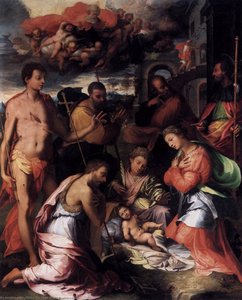
 プレビュー
プレビュー
 プリントを購入
 シェアする
シェアする シェアする
シェアする
 詳細を見る
詳細を見る

 ダウンロード
 似ている作品
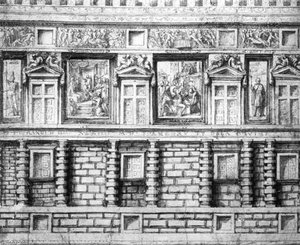
 X線調査
X線調査 スライドショー
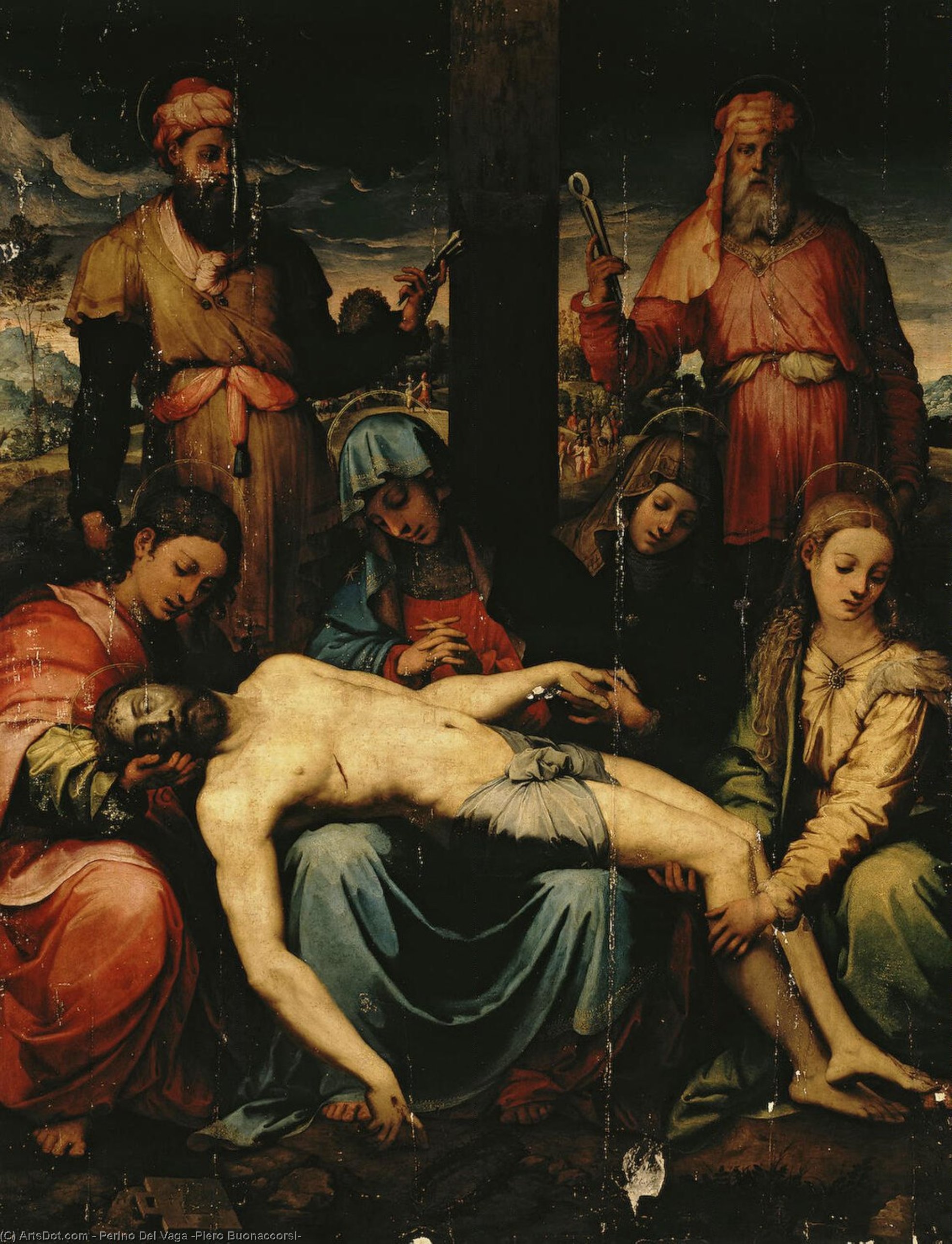
Lamentation
 Oil On Canvas
- WallArt
- Mannerism
 1530
1530- Renaissance
 197.0 x 145.0 cm
 エルミタージュ美術館
 詳細を見る
詳細を見る




P118B $10

P118H $10

P118W $10

P438Z $10

P508JH $12

P508YH $12

P805H $10

P805Z $10

P919BZ $10

P919G $10

P919XJ $10

P959ZH $10

P968JZ $12

W106C $8

W218G $10

W218JH $8

W218Y $10

W307PJ $10

W316G $10

W316PJ $8

W316Y $10

W398PJ $8

W4111J $10

W500HY $15

W500JH $15

W692G $12

W849H $8

W940BG $15

W953PJ $8




作品のオリジナル比率に合わせた、当店の規定サイズからお選びください。

特定のフレームやスペースに合わせて、ご希望のサイズをご入力いただけます。選択されたサイズが元の画像の比率と異なる場合、アートワークをトリミングするか、手描きで要素を追加して絵画を拡張いたします。デジタルモックアップ を制作し、制作開始前にご確認(承認)をいただきます。
画面上のプレビューは、実際のトリミングや拡張を正確に反映しているものではありません。最終的な構図は、モックアップによってのみ正確にご確認いただけます。
カスタムサイズもご利用いただけますが、元の比率を維持するためには、あらかじめ用意されたリストからサイズを選択することをお勧めいたします。
ご注文後、ArtsDot.com チームより詳細な指示をお送りするとともに、仕上がりイメージ(モックアップ)をご提供いたします。


 ガラスオプションは、110cm未満のサイズでのみご利用いただけます。

Lamentation
複製技法
複製画のサイズ
-


合計金額
$ 263
関連作品


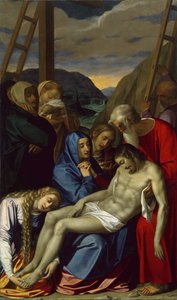
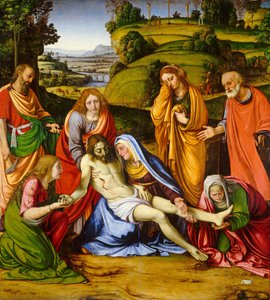
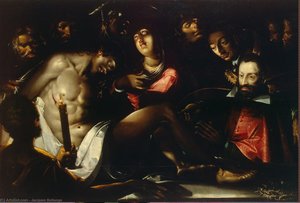
アーティストの略歴
The Wandering Spirit of the Florentine Renaissance
Pietro Buonaccorsi, known to history through the evocative moniker Perino del Vaga, remains one of the most captivating figures of the transition from the High Renaissance to the intricate complexities of Mannerism. Born in Florence around 1501 into a lineage of artistic talent, his very name—Vaga, meaning wandering or idle—suggests a restless creative energy that would eventually carry him far beyond the borders of his native Tuscany. While his early years were rooted in the humanist traditions of Florence, his artistic soul was forged through a series of profound encounters and migrations that allowed him to weave together the disparate threads of Italian art into a singular, decorative brilliance.
His formative training began under the watchful eye of Ridolfo Ghirlandaio, where he mastered the foundational principles of Florentine clarity and anatomical precision. Yet, it was an encounter with a mysterious mentor, often referred to simply as il Vaga, that truly ignited his fascination with the theatrical and the illusionistic. This early mentorship instilled in him a lifelong devotion to the art of decoration, teaching him how to manipulate space and light to transform flat surfaces into windows of infinite depth. As he matured, Perino’s work began to reflect a sophisticated understanding of quadratura, the technique of using architectural perspective to deceive the eye, a skill that would later make him indispensable to the great patrons of Italy.
A Journey Through Power and Patronage
The trajectory of Perino’s career is a map of the most influential courts of the sixteenth century. His early successes in Florence, working on prestigious commissions for the Medici family, established him as a master of aristocratic grandeur. His ability to decorate the monumental spaces of the Palazzo Vecchio and design intricate tapestries demonstrated a versatility that caught the attention of the Roman elite. By approximately 1530, Perino had relocated to Rome, a move that would redefine his artistic destiny. In the shadow of the Vatican, he found a powerful protector in Cardinal Alessandro Farnese III, whose patronage allowed Perino to engage with the most ambitious architectural and decorative projects of the age.
During his Roman period, Perino became a vital contributor to the visual identity of the Papal court. His hand can be seen embellishing the magnificent Palazzo Farnese and contributing to the monumental task of decorating St. Peter’s Basilica. In these sacred and secular halls, he applied the principles of Mannerism—elongated forms, complex poses, and a vibrant, sometimes jarring color palette—to create environments that were as much about emotional impact as they were about religious devotion. His work during this era represents a bridge between the balanced harmony of the previous century and the expressive, often restless energy of the burgeoning Mannerist movement.
Legacy of the Master Decorator
Beyond the walls of Rome, Perino’s influence stretched into the maritime strength of Genoa and the historic centers of Pistoia. His frescoes in these cities serve as enduring testaments to his ability to command large-scale narratives. Whether depicting the celestial grace of a Madonna with Child or the dramatic tension found in works like The Fall of the Giants, Perino possessed a unique talent for blending the monumental with the delicate. His mastery of perspective, inspired by the architectural innovations of Andrea Palladio and the muscular dynamism of Michelangelo, allowed him to create spaces that felt both physically imposing and spiritually transcendent.
The historical significance of Perino del Vaga lies in his role as a primary architect of the Mannerist aesthetic. He did not merely paint figures; he designed atmospheres. His ability to integrate painting with architecture, creating seamless transitions between reality and illusion, left an indelible mark on the decorative arts of Europe. Though his life was cut short in 1547, the legacy of his wandering brush remains visible in the grand palaces and sacred basilicas of Italy, reminding us of a master who could turn stone and plaster into living, breathing drama.
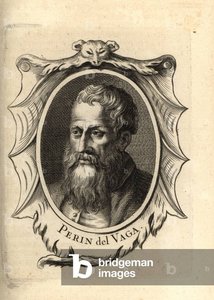
perino del vaga (piero buonaccorsi)
1501 - 1547 , Italy
基本情報
- Artistic Movement Or Style: Mannerist Painting
- Artists Who Influenced This Artist:
- Andrea Doria
- Ridolfo Ghirlandaio
- Date Of Birth: Florence, Italy (1501)
- Date Of Death: October 19, 1547
- Full Name: Piero Buonaccorsi
- Nationality: Italian
- Notable Artworks:
- Madonna with Child
- North Façade of the Villa Doria
- Adoration of the Child
- Place Of Birth: Florence
関連記事

Giclée Prints: Archival Quality & Aesthetic Nuances for the Discerning Collector
Explore the world of giclée prints with ArtsDot. Learn about archival quality, aesthetic nuances & investment potential. Expert guidance for discerning art collectors seeking museum-quality reproductions and lasting value.

The Enduring Legacy of Fine Art Prints: Technique, History & Aesthetic Impact
Explore the rich history & techniques of fine art prints. Discover investment potential, assess authenticity, and learn how to preserve your collection with expert guidance. Trusted insights for discerning collectors.

Echoes of Time: Exploring the Enduring Appeal & Historical Context of Vintage Art Prints
Explore the captivating world of vintage art prints! Discover their history, collecting tips & enduring appeal. Expert insights on chromolithography and building a legacy collection with ArtsDot.
The Enduring Legacy of Printmaking: Techniques, Themes & Artistic Innovation Across Centuries
Explore the rich history of printmaking with ArtsDot. Discover techniques from intaglio to lithography, learn about collecting valuable prints & find museum-quality reproductions. Expert insights for art enthusiasts and collectors.

Sacred Narratives on Canvas: Exploring Devotional Imagery Across Art History
Explore the rich history of devotional art! Discover iconic masterpieces, symbolism & techniques from antiquity to the Renaissance. Expert insights for collectors & enthusiasts at ArtsDot.