


 プレビュー
プレビュー
 プリントを購入
 シェアする
シェアする シェアする
シェアする
 詳細を見る
詳細を見る

 ダウンロード
 似ている作品
 X線調査
X線調査 スライドショー
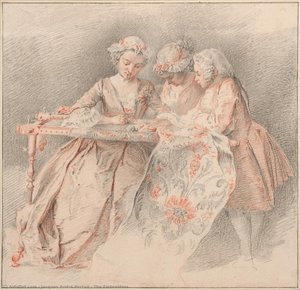
Princesses Elise and Fanny Liechtenstein


 詳細を見る
詳細を見る




P118B $10

P118H $10

P118W $10

P438Z $10

P508JH $12

P508YH $12

P805H $10

P805Z $10

P919BZ $10

P919G $10

P919XJ $10

P959ZH $10

P968JZ $12

W106C $8

W218G $10

W218JH $8

W218Y $10

W307PJ $10

W316G $10

W316PJ $8

W316Y $10

W398PJ $8

W4111J $10

W500HY $15

W500JH $15

W692G $12

W849H $8

W940BG $15

W953PJ $8




作品のオリジナル比率に合わせた、当店の規定サイズからお選びください。

特定のフレームやスペースに合わせて、ご希望のサイズをご入力いただけます。選択されたサイズが元の画像の比率と異なる場合、アートワークをトリミングするか、手描きで要素を追加して絵画を拡張いたします。デジタルモックアップ を制作し、制作開始前にご確認(承認)をいただきます。
画面上のプレビューは、実際のトリミングや拡張を正確に反映しているものではありません。最終的な構図は、モックアップによってのみ正確にご確認いただけます。
カスタムサイズもご利用いただけますが、元の比率を維持するためには、あらかじめ用意されたリストからサイズを選択することをお勧めいたします。
ご注文後、ArtsDot.com チームより詳細な指示をお送りするとともに、仕上がりイメージ(モックアップ)をご提供いたします。


 ガラスオプションは、110cm未満のサイズでのみご利用いただけます。

Princesses Elise and Fanny Liechtenstein
複製技法
複製画のサイズ
-


合計金額
$ 313
作品解説
A Glimpse of a Victorian Salon
Peter Fendi’s “Princesses Elise and Fanny Liechtenstein,” painted in 1838, isn't merely a portrait; it’s a meticulously crafted tableau vivant – a snapshot of a specific moment within the opulent yet intimate world of early 19th-century aristocratic life. The watercolor, now residing in the Albertina Museum in Vienna, transports us to a refined salon, bathed in the soft glow of diffused light, where three women are deeply engaged in the quiet ritual of needlework. Fendi masterfully captures not just appearances but also an atmosphere of gentle industry and familial connection, offering a rare glimpse into the domestic sphere of a wealthy Victorian household.
The composition is remarkably balanced, drawing our eye to the central figures – an older woman, likely a matriarch, and two younger girls. Their postures are relaxed yet purposeful, their hands deftly manipulating needles and thread. The arrangement suggests a shared activity, a moment of connection amidst the responsibilities of managing a household and upholding social standing. The elevated perspective subtly invites us into this private world, fostering a sense of intimacy and observation as if we’ve become silent witnesses to a cherished family tradition.
The Language of Watercolor: Technique and Detail
Fendi's skill lies not just in his subject matter but also in his masterful use of watercolor. The medium lends itself beautifully to capturing the delicate textures of fabric, the subtle sheen of hair, and the diffused light that permeates the room. Notice how he builds up tones through layers of translucent washes – a technique known as glazing – creating a luminous quality that seems to emanate from within the painting. The lines are fluid and graceful, reflecting the artist’s confident hand and his deep understanding of the medium's potential.
- Color Palette: Dominated by muted purples, browns, creams, and grays, the palette evokes a sense of understated elegance and quiet sophistication.
- Texture: Fendi skillfully renders textures through layering washes, creating a palpable softness in the clothing and hair.
- Light & Shadow: The subtle play of light and shadow adds depth and dimension to the scene, enhancing the feeling of realism and intimacy.
Historical Context: Biedermeier and the Domestic Ideal
“Princesses Elise and Fanny Liechtenstein” is a quintessential example of Biedermeier art – a style that flourished in Austria during the early to mid-19th century. Biedermeier, meaning “furnished room,” reflected a shift away from the grandiosity of Neoclassicism towards a more intimate and domestic focus. Artists like Fendi sought to depict scenes of everyday life, often centered around family and home, capturing a sense of comfort, security, and quiet dignity.
The painting speaks to Victorian ideals of femininity – emphasizing industry, diligence, and the importance of women’s roles within the household. It's a celebration of familial bonds and the rituals that sustained social order. The scene subtly reinforces the notion of a woman’s value being found in her domestic skills and her contribution to the family unit.
Symbolism and Emotional Resonance
Beyond its realistic depiction, the painting carries symbolic weight. The act of needlework itself represents more than just a pastime; it symbolizes industry, patience, and the creation of beauty within the confines of domestic life. The shared activity among the women suggests a strong sense of connection and mutual support. The overall mood is one of serenity and contentment – a quiet affirmation of family values and the simple pleasures of home.
“Princesses Elise and Fanny Liechtenstein” offers a poignant reminder of a bygone era, inviting us to contemplate the enduring themes of family, tradition, and the beauty found in everyday moments. It’s a captivating work that continues to resonate with viewers today, offering a window into the heart of Victorian society.
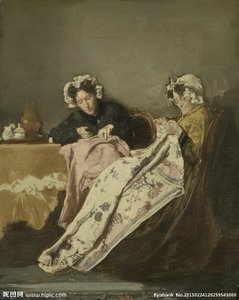
関連作品
アーティストの略歴
ペーター・フェンディ:ウィーン・ビーダーマイヤーの先駆者
1796年9月4日、ウィーンの中心部で産声を上げたペーター・フェンディは、単なる一人の画家という枠に留まりません。彼は、ビーダーマイヤー様式が花開いた時代のオーストリア美術において、極めて重要な役割を果たした人物でした。彼の人生には、幼少期にベビーベッドから転落し、生涯続く脊椎の疾患を抱えるという困難がつきまとっていました。しかし、皮肉なことにその身体的な制約こそが、彼の中に眠る驚異的な描画能力を呼び覚まし、その後の芸術的ヴィジョンを形作る原動力となったのです。教師であった父は、息子の天賦の才を見抜き、1810年には名門である聖アンナ美術アカデプリに彼を入学させました。ヨハン・マルティン・フィッシャーやフーベルト・マウラー、ヨハン・バプティスト・フォン・ランピ・ザ・エルダーといった高名な芸術家たちの指導の下、フェンディは技を磨き上げ、油彩画、水彩画、版画、エッチング、リトグラフ、さらには木彫に至るまで、その多才なキャリアの礎を築いていったのです。 フェンディの職業人生の幕開けは、1818年、帝国古銭・古美術ギャラリーでの仕事から始まりました。彼は、影響力のある美術収集家であり、皇帝ヨーゼフ2世の専属眼科医でもあったヨーゼフ・バルトの指導の下、素描家および彫刻家として研鑽を積みました。この地位は、彼に芸術界の核心部への貴重な接点を与え、宮廷の依頼に求められる極めて緻密な細部描写の技術を習得させることとなりました。1821年、油彩画『ヴィレニツァ』で金賞を受賞したことは、彼のキャリアにおける大きな節目となり、ウィーンの芸術界における名声を不動のものにしました。こうした評価は、1836年のウィーン美術アカデミー会員への選出へと繋がり、同業者たちの間での地位をさらに確固たるものにしたのです。オランダの響きとヴェネツィアのインスピレーション
フェンディの芸術様式は、二つの異なる、しかし互いに補完し合う源泉から深い影響を受けていました。それは、オランダの巨匠たちとイタリア・ルネサンスです。アドリアーン・ブラウェール、アドリアーン・ファン・オスターデ、そしてレンブラントといった画家たちの作品に見られる写実主義や風俗画の精神は、フェンディの心に深く共鳴しました。活気あふれる市場、酒場の情景、そして親密な家庭のひととき――彼が描く日常の風景には、人間観察に基づいた鋭い眼差しがあり、そこにはしばしば繊細なユーモアや社会への批評精神が込められています。同時に、1821年のヴェネツィアへの旅は、彼の芸術に決定的な変容をもたらしました。ジョヴァンニ・ベッリーニ、ティントレット、ティツィアーノ、パオロ・ヴェロネーゼといった巨匠たちの豪華絢爛なコレクションに没入することで、彼はドラマチックな構図、豊かな色彩、そして卓越した光の操り方を吸収しました。これらの要素は、後に彼の作品に荘厳さと演劇的な華やかさを吹き込むこととなったのです。リトグラフの革新と肖像画の真髄
伝統的な絵画技法を超えて、フェンディはリトグラフ(石版画)の分野における真の革新者でもありました。特に1830年代から40年代にかけて制作された多色刷りの版画は、当時の常識を覆すほど画期的なものであり、驚くべき技術的習熟と芸術的な感性を証明していました。これらの版画は単なる複製画ではなく、それ自体が独立した芸術作品であり、鮮やかなパレットとダイナミックな構図を用いてウィーンの生活風景を見事に描き出しました。さらに、フェンディは貴族から庶民に至るまで、あらゆる人々の肖像を描く、極めて需要の高い肖像画家でもありました。彼の肖像画は、被写体の心理的な深みや個性を描き出す能力において特筆すべきものがあり、それは彼の鋭い観察眼と人間への深い理解の証といえるでしょう。また、1841年に発行された5枚のオーストリア紙幣の彫刻を手掛けたことは、彼の彫刻家としての多才さを象徴する出来事でした。受け継がれる遺産と芸術的意義
ペーター・フェンディが遺した功績は、彼の署名が刻まれた個々の作品の枠を遥かに超えて広がっています。彼は、親密なスケール感、日常の写実的な描写、そして繊細な社会風刺を特徴とする「ビーダーマイヤー様式」の美学を形成する上で、決定的な役割を果たしました。その影響は、後世のオーストリア人芸術家たちの作品の中にも脈々と受け継がれています。緻密なディテールへのこだわりと、リトグラフにおける革新的なアプローチは、彼をビーダーマイヤー時代で最も重要な人物の一人として歴史に刻み込みました。今日、フェンディの絵画はアルベルティーナ美術館、ベルヴェデーレ宮殿、そしてヴァドゥスのリヒテンシュタイン公コレクションといった権威ある美術館に大切に収蔵されており、その芸術的貢献が世代を超えて研究され、称賛され続けています。彼の作品は、19世紀のオーストリア社会の美しさと複雑さを、卓越した技術と感受性をもって捉えた、かけがえのない窓なのです。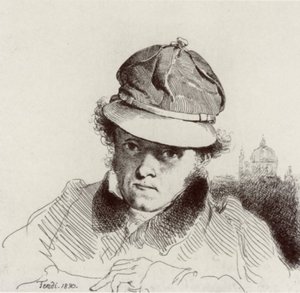
ペーター・フェンディ
1796 - 1842 , オーストリア
基本情報
- Artistic Movement Or Style: ビーダーマイヤー
- Artists Or Movements Influenced By This Artist:
- オランダの画家
- イタリア・ルネサンス
- Artists Who Influenced This Artist:
- レンブラント
- アドリアーン・ブラウェール
- ジョヴァンニ・ベッリーニ
- Date Of Birth: 1796年9月4日
- Date Of Death: 1842年8月28日
- Full Name: ペーター・フェンディ
- Nationality: オーストリア
- Notable Artworks:
- エリザとファンニー・リヒテンシュタイン王女
- 上昇
- 悲しい知らせ
- Place Of Birth: オーストリア、ウィーン
関連記事

Watercolor Wonders: 10 Masterpieces That Redefined Art History | ArtsDot
Journey through 10 legendary watercolor masterpieces by Sargent, Turner & Homer! Explore iconic landscapes, portraits & floral art that redefined history. Find museum-quality reproductions and curated decor ideas at ArtsDot.com.

Ephemeral Visions: Exploring the Artistic Legacy & Contemporary Practice of Watercolor Painting
Explore the captivating world of watercolor painting! Discover its rich history, essential techniques, influential artists & collecting tips. A comprehensive guide for art enthusiasts from ArtsDot.

Ephemeral Visions: Exploring the History & Emotional Resonance of Watercolor Painting
Explore the captivating history of watercolor painting, from ancient techniques to modern masters like Kandinsky & Blake. Discover essential artists, collecting tips & the emotional power of this luminous medium. Expert insights for art enthusiasts.
Ephemeral Visions: Exploring the Artistic Legacy & Nuances of Watercolor Painting
Explore the captivating world of watercolor painting! Discover its rich history, essential techniques, influential artists & collecting tips from art experts. A comprehensive guide for enthusiasts.
水彩の永続的な魅力:歴史、技法、そして現代の実践
水彩画の歴史、技法、現代の実践を深く探求。巨匠たちの名画から初心者向けテクニックまで解説。ArtsDot.comでは高品質な複製画やカスタムポートレートをご提供します。アートコンサルテーションも受付中。

