

 プレビュー
プレビュー
 プリントを購入
 シェアする
シェアする シェアする
シェアする
 詳細を見る
詳細を見る

 ダウンロード
 似ている作品
 X線調査
X線調査 スライドショー
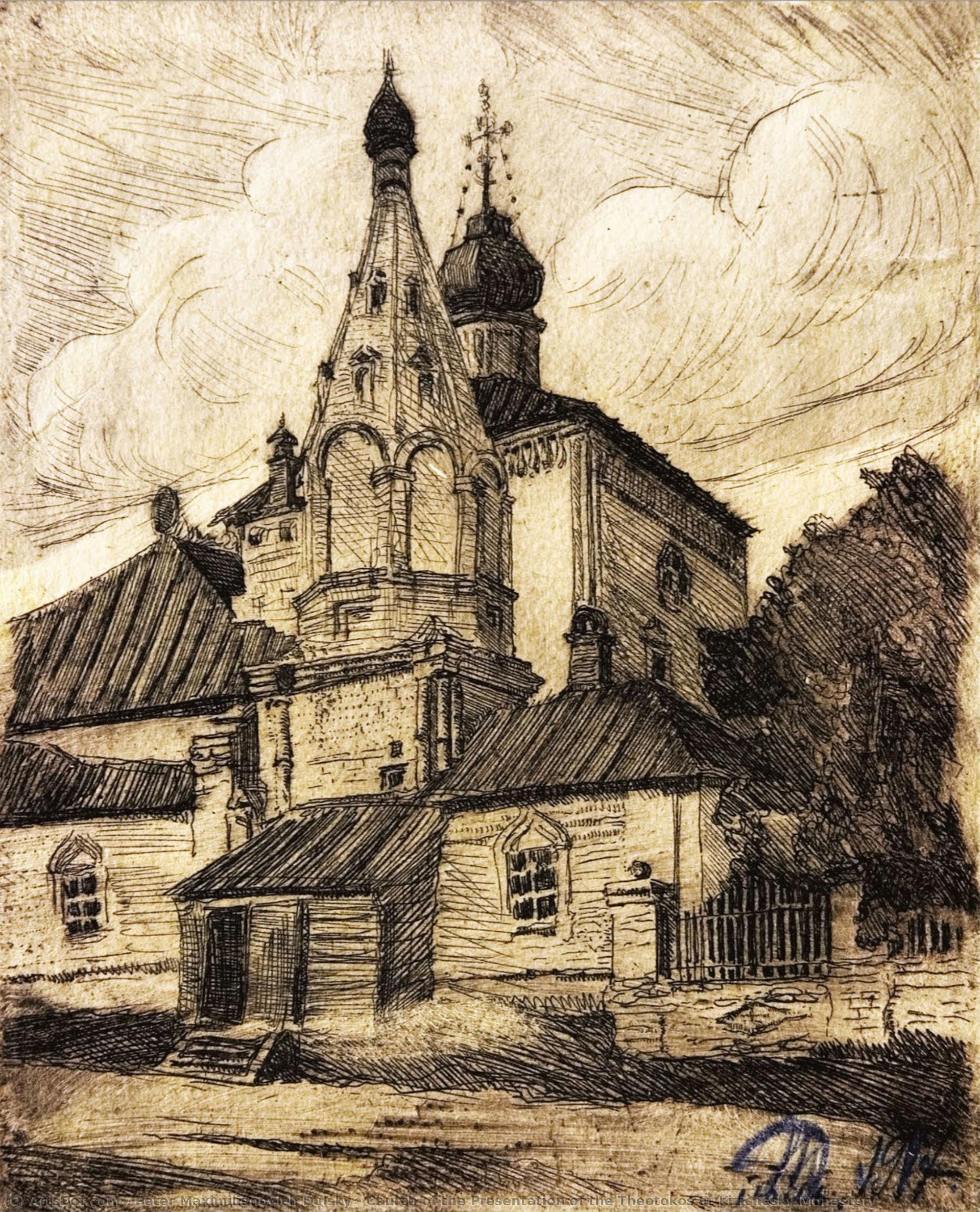
Church of the Presentation of the Theotokos at Kizichesky Monastery

 詳細を見る
詳細を見る




































作品のオリジナル比率に合わせた、当店の規定サイズからお選びください。

特定のフレームやスペースに合わせて、ご希望のサイズをご入力いただけます。選択されたサイズが元の画像の比率と異なる場合、アートワークをトリミングするか、手描きで要素を追加して絵画を拡張いたします。デジタルモックアップ を制作し、制作開始前にご確認(承認)をいただきます。
画面上のプレビューは、実際のトリミングや拡張を正確に反映しているものではありません。最終的な構図は、モックアップによってのみ正確にご確認いただけます。
カスタムサイズもご利用いただけますが、元の比率を維持するためには、あらかじめ用意されたリストからサイズを選択することをお勧めいたします。
ご注文後、ArtsDot.com チームより詳細な指示をお送りするとともに、仕上がりイメージ(モックアップ)をご提供いたします。


 ガラスオプションは、110cm未満のサイズでのみご利用いただけます。

Church of the Presentation of the Theotokos at Kizichesky Monastery
複製技法
複製画のサイズ
-


合計金額
$ 263
関連作品









アーティストの略歴
Vincent van Gogh: A Life Painted in Color and Emotion
Vincent van Gogh, a name synonymous with passionate brushstrokes and intensely colored landscapes, remains one of the most recognizable figures in art history. Born in 1853 in Groot-Zundert, Netherlands, his life was tragically short – just thirty-seven years – yet during that brief period, he produced over two thousand works, leaving behind an extraordinary legacy that continues to resonate with audiences worldwide. More than simply a painter, Van Gogh was a revolutionary who fundamentally altered the course of modern art, paving the way for Expressionism and influencing countless artists who followed.
Van Gogh’s early life offered little indication of his future artistic destiny. He was the eldest son of a Dutch Reformed minister and a bookseller's daughter, and initially pursued various paths – working as an art dealer, a missionary in Belgium, and even a teacher. These experiences, marked by periods of loneliness and disillusionment, shaped his worldview and fueled a deep-seated desire to connect with humanity through his work. It wasn’t until his late twenties that he finally dedicated himself fully to painting, driven by a profound need for self-expression and a yearning to capture the essence of life around him.
His artistic journey began in earnest during the winter of 1883-85 in Nuenen, where he lived with his parents. This period saw the development of his early style – characterized by dark, earthy tones and depictions of rural life, particularly peasant laborers. Works like *The Potato Eaters* (1885) exemplify this phase, conveying a sense of hardship and dignity through their somber palette and rough brushwork. He meticulously studied the techniques of older masters, notably Jean-François Millet, whose paintings of peasant life deeply influenced Van Gogh’s approach to depicting everyday subjects. However, he quickly moved beyond mere imitation, injecting his own emotional intensity into his work.
Parisian Influences: A Shift Towards Light and Color
In 1886, Van Gogh moved to Paris, a pivotal moment in his artistic development. The vibrant atmosphere of the city, coupled with his exposure to the Impressionist and Post-Impressionist movements, dramatically altered his style. He encountered artists like Claude Monet, Edgar Degas, and Paul Gauguin, absorbing their techniques and experimenting with new approaches to color and light. The influence of these movements is particularly evident in *Self-Portrait with a Straw Hat* (1887), where he employs brighter colors, looser brushstrokes, and a more dynamic composition than his earlier works.
Crucially, Van Gogh’s time in Paris also exposed him to the Neo-Impressionist theory of color. He studied the work of Georges Seurat and Paul Signac, who advocated for using pure, unmixed colors applied in small dots or dashes – a technique known as pointillism. While he never fully embraced pointillism, Van Gogh incorporated elements of this approach into his own paintings, creating shimmering surfaces and exploring the interplay of complementary colors to heighten emotional impact. His palette became increasingly vibrant, reflecting his growing interest in capturing the beauty and energy of the natural world.
The Southern France Years: A Search for Inspiration
Seeking a more idyllic environment and hoping to establish an artist’s colony, Van Gogh moved to Arles in Provence in 1888. This period marked a significant intensification of his artistic output and a deepening of his emotional expression. The intense sunlight, vibrant colors, and dramatic landscapes of southern France provided endless inspiration for his paintings. He painted numerous scenes of sunflowers, wheatfields, cypress trees, and the local inhabitants, imbuing them with an almost feverish intensity.
However, this period was also marked by increasing mental instability. He famously invited Paul Gauguin to join him in Arles, hoping for companionship and artistic collaboration. But their relationship quickly deteriorated, culminating in a violent argument that led to Van Gogh mutilating his own ear. This event underscored the fragility of his mental state and foreshadowed his eventual hospitalization.
Late Works and Legacy
Despite his struggles with mental illness, Van Gogh continued to paint prolifically during his time at the Saint-Paul-de-Mausole asylum in Saint-Rémy (1889-1890). His paintings from this period – including *The Starry Night* (1889) and *Wheatfield with Crows* (1890) – are among his most iconic, characterized by swirling brushstrokes, vibrant colors, and a sense of turbulent emotion. These works demonstrate an extraordinary ability to convey inner experience through visual form.
Van Gogh died in Auvers-sur-Oise on July 29, 1890, at the age of thirty-seven, from a gunshot wound inflicted by himself. During his lifetime, only one of his paintings, *The Red Vineyard*, was sold. However, after his death, his work gained increasing recognition and acclaim. Today, Vincent van Gogh is celebrated as one of the greatest artists in history – a visionary whose passionate brushstrokes continue to captivate and inspire audiences around the world. His legacy lies not only in his stunningly beautiful paintings but also in his profound exploration of human emotion and his unwavering commitment to expressing himself through art.

peter maximilianovich dulsky
1853 - 1901 , Russia
基本情報
- Artistic Movement Or Style: Post-Impressionism
- Artists Or Movements Influenced By This Artist:
- Fauves
- Expressionism
- Artists Who Influenced This Artist:
- Jean-François Millet
- Charles Bargue
- Date Of Birth: March 30, 1853
- Date Of Death: July 29, 1890
- Full Name: Vincent Willem van Gogh
- Nationality: Dutch
- Notable Artworks:
- Sunflowers
- Bedroom in Arles
- Starry Night
- Wheatfield with Crows
- Place Of Birth: Netherlands