

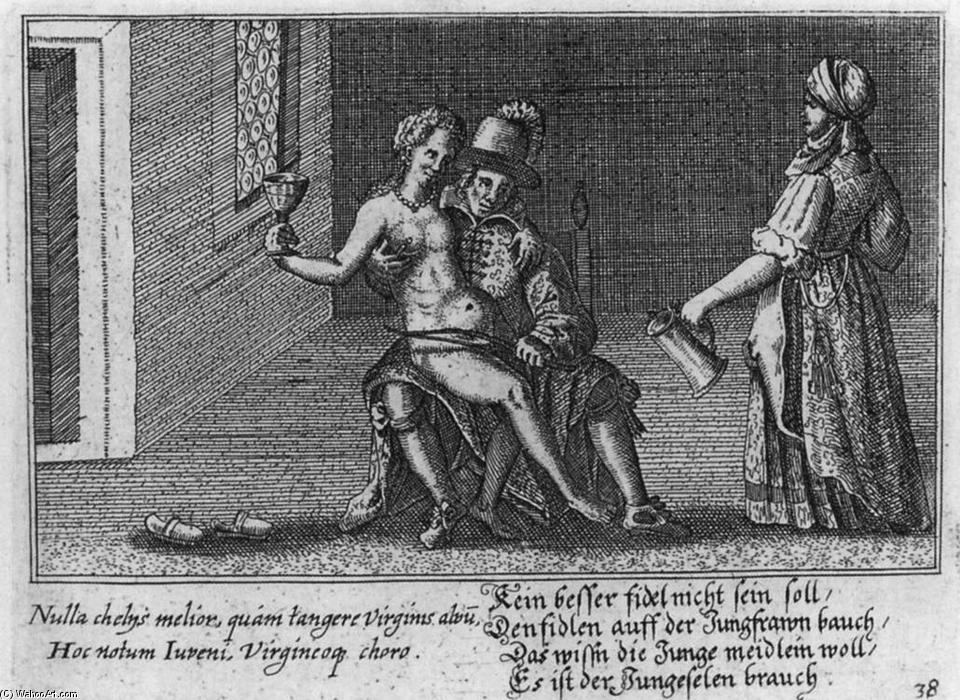
 プレビュー
プレビュー
 シェアする
シェアする シェアする
シェアする
 詳細を見る
詳細を見る

 ダウンロード
 似ている作品
 X線調査
X線調査 スライドショー
Illustration


 詳細を見る
詳細を見る
ジークレー/アートプリント
迅速な制作と多彩な仕上げオプションを備えた、ミュージアムクオリティのジークレーまたはキャンバスプリント。 ( 手描きの絵画を購入 画像を購入)




































作品のオリジナル比率に合わせた、当店の規定サイズからお選びください。

特定のフレームやスペースに合わせて、ご自身でサイズを指定することも可能です。選択されたサイズが元の画像の比率と一致しない場合、作品をトリミングするか、鏡面反射または単色での塗りつぶしによって画像を拡張いたします。制作を開始する前に、ご確認用のデジタルモックアップをお送りいたします。
画面上のプレビューには、実際のトリミングや拡張は反映されませんのでご注意ください。最終的な構図を正確に確認できるのは、モックアップのみとなります。
カスタムサイズも承っておりますが、元の比率を維持するためには、あらかじめ用意されたリストからサイズを選択することをお勧めいたします。


 ガラスオプションは、110cm未満のサイズでのみご利用いただけます。

Illustration
ジークレー/アートプリント
複製画のサイズ
-


合計金額
$ 62
関連作品





アーティストの略歴
The Bronze Legacy of Peter the Elder Rollos
In the grand tapestry of the Renaissance, few names evoke the tactile splendor of the Flemish tradition quite like Peter the Elder Rollos. A master whose hands breathed life into metal, Rollos emerged during a transformative era when the boundaries between craftsmanship and fine art began to dissolve. Though much of his personal history remains veiled by the mists of the fifteenth century, his presence is undeniably etched into the heavy, shimmering surfaces of the bronze and brass works that defined an age. As a pioneer of the Flemish landscape in sculpture, he did not merely shape material; he captured the very essence of humanist thought, translating the spiritual weight of the era into enduring, physical forms.
The origins of his genius are rooted in the vibrant, industrious atmosphere of Haarlem, a city that served as a crucible for artistic innovation. It is widely believed by scholars that Rollos underwent a formative apprenticeship under the legendary Jan van Eyck. This connection to the titan of Early Netherlandish painting profoundly shaped his sculptural language. From Eyck, Rollos inherited an almost obsessive devotion to microscopic detail and a profound understanding of how light interacts with surface texture. While Eyck mastered the alchemy of oil pigments, Rollos applied these principles to the manipulation of bronze, ensuring that every fold of stylized drapery and every intricate geometric pattern possessed a narrative depth that invited both scrutiny and spiritual contemplation.
Mastery of Form and Theological Narrative
The work of Rollos is characterized by a seamless marriage of technical virtuosity and profound symbolic intent. His sculptures were rarely mere ornaments; they functioned as silent preachers, conveying complex theological concepts through the language of metal. In his hands, bronze became a medium capable of expressing the dignity of the human spirit and the gravity of biblical chronicles. His ability to balance the heavy, monumental nature of his materials with a delicate, almost ethereal precision allowed him to create works that felt both grounded in the earth and reaching toward the divine.
His career was marked by prestigious commissions that saw his influence extend far beyond the borders of Flanders:
- Ecclesiastical Grandeur: His monumental contributions to various European churches provided focal points for liturgical devotion, using intricate metalwork to illustrate sacred histories.
- The Roman Ambition: Perhaps his most breathtaking achievement was his involvement with the St. Peter’s Basilica altar in Rome, a project that demonstrated his ability to compete on the highest international stage and elevate sculptural art to new heights of grandeur.
- Noble Patronage: Beyond the church, his works graced the private households of the European nobility, serving as symbols of status, intellect, and refined taste.
Historical Significance and Enduring Influence
The historical significance of Peter the Elder Rollos lies in his role as a bridge between the medieval artisan tradition and the burgeoning humanist movement of the Renaissance. He took the meticulous, symbolic traditions of the North and infused them with the monumental scale and anatomical awareness that would define the coming centuries. His mastery of brasswork and bronze sculpture helped establish a standard of excellence that influenced subsequent generations of metalworkers and sculptors across the continent.
Even as the centuries passed, the echoes of his craftsmanship remained. By integrating the observational precision of the Flemish painters into the three-dimensional realm of sculpture, Rollos helped create a visual culture where the material world and the spiritual realm were inextricably linked. His legacy is not found merely in museum archives, but in the very way we perceive the interplay of light, shadow, and substance in the great works of the Renaissance tradition.
peter the elder rollos
Germany
基本情報
- Artistic Movement Or Style: Flemish Renaissance
- Artists Or Movements Influenced By This Artist: ['Jan Brueghel the Elder']
- Artists Who Influenced This Artist: ['Pieter Bruegel the Elder']
- Date Of Birth: c. 1460
- Date Of Death: 1529
- Full Name: Peter Vischer the Elder
- Nationality: German
- Notable Artworks:
- The Hunters in the Snow
- The Peasant Wedding
- Place Of Birth: Germany