

 プレビュー
プレビュー
 シェアする
シェアする シェアする
シェアする
 詳細を見る
詳細を見る

 ダウンロード
 似ている作品
 X線調査
X線調査 スライドショー
 統計情報
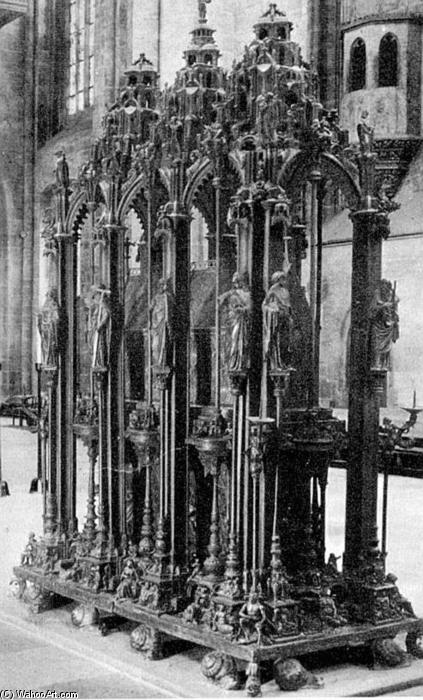
統計情報Shrine of St Sebald


 詳細を見る
詳細を見る
ジークレー/アートプリント
迅速な制作と多彩な仕上げオプションを備えた、ミュージアムクオリティのジークレーまたはキャンバスプリント。 ( 手描きの絵画を購入 デジタル画像販売へ切り替え)




































作品のオリジナル比率に合わせた、当店の規定サイズからお選びください。

特定のフレームやスペースに合わせて、ご自身でサイズを指定することも可能です。選択されたサイズが元の画像の比率と一致しない場合、作品をトリミングするか、鏡面反射または単色での塗りつぶしによって画像を拡張いたします。制作を開始する前に、ご確認用のデジタルモックアップをお送りいたします。
画面上のプレビューには、実際のトリミングや拡張は反映されませんのでご注意ください。最終的な構図を正確に確認できるのは、モックアップのみとなります。
カスタムサイズも承っておりますが、元の比率を維持するためには、あらかじめ用意されたリストからサイズを選択することをお勧めいたします。


 ガラスオプションは、110cm未満のサイズでのみご利用いただけます。

Shrine of St Sebald
ジークレー/アートプリント
複製画のサイズ
-


合計金額
$ 62
関連作品
アーティストの略歴
A Legacy Forged in Nuremberg: The Life of Peter the Younger Vischer
Peter the Younger Vischer (1487–1528) remains a captivating figure within the storied annals of the German Renaissance, representing a unique intersection of sculptural heritage and the delicate precision of printmaking. Born into the prestigious Vischer workshop in Nuremberg, Peter was destined to be part of an artistic dynasty that defined the city's visual identity. His upbringing was steeped in the atmosphere of a thriving foundry, where the rhythmic clang of metalwork and the scent of molten bronze provided the backdrop for his early education. As a member of a family deeply rooted in the artisan community, he inherited a profound understanding of form and texture, a legacy established by his father, Hermann Vischer the Elder. This foundation in craftsmanship allowed him to approach the more delicate mediums of woodcuts and engravings with a structural sensibility rarely seen in his contemporaries. The evolution of Peter’s artistic voice was profoundly shaped by his exposure to the broader European landscape. While his roots were firmly planted in the traditions of Nuremberg, his travels between 1512 and 1514 served as a transformative period of discovery. Immersed in the burgeoning aesthetics of the Italian Renaissance, he witnessed firsthand the revival of classical ideals, the mastery of human anatomy, and a new approach to light and shadow. This encounter with Southern European elegance breathed new life into his German training, allowing him to infuse his intricate prints with a sophisticated grace. His work began to bridge the gap between the meticulous, often dense detail characteristic of Northern art and the balanced, harmonious compositions emerging from the Italian peninsula.Mastery of Line and Narrative: The Artistry of Print
In the realm of printmaking, Peter the Younger Vischer achieved a level of technical virtuosity that captured both the spiritual and the secular essence of his era. His mastery of the woodcut and engraving allowed him to manipulate fine lines to create depth, texture, and emotion. He possessed an uncanny ability to render the weight of fabric, the subtle contours of a human face, and the architectural grandeur of Nuremberg’s streets with equal precision. His subject matter was as diverse as his influences; he moved seamlessly between the solemnity of religious iconography and the vibrant energy of urban life. His repertoire of works offers a window into the soul of the 16th century:- Religious Devotion: Through intricate engravings, he brought biblical narratives to life, using light and shadow to evoke a sense of divine presence and human suffering.
- Classical Mythology: Works such as Orpheus and Eurydice demonstrate his ability to interpret classical themes through a Northern lens, blending mythic tragedy with Renaissance elegance.
- Civic Pride and Portraiture: His depictions of urban life and notable figures, including the Monument of Frederick the Wise, serve as vital historical records of the political and social structures of his time.
Historical Significance and Enduring Influence
Though history occasionally places him in the shadow of his more famous kin, the significance of Peter the Younger Vischer cannot be overstated. He was a crucial link in the chain of Nuremberg’s artistic development, helping to transition the city's output from purely functional metalwork to high-art printmaking. His ability to synthesize the rugged strength of German craftsmanship with the refined grace of Italian Renaissance ideals helped create a unique stylistic language that resonated across Europe. His contributions provided a vital medium for the dissemination of ideas during a period of intense religious and social upheaval. Through his prints, the complex theological debates and the changing social hierarchies of the Reformation could be visualized and shared far beyond the borders of Nuremberg. Today, his work stands as a testament to a master who, while working within a family tradition, successfully carved out an individual identity defined by meticulous detail, emotional depth, and an unyielding pursuit of artistic excellence.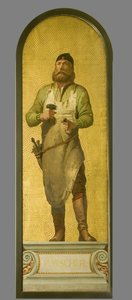
peter the younger vischer
1487 - 1528 , Germany
基本情報
- Artistic Movement Or Style: Renaissance German Art
- Artists Or Movements Influenced By This Artist: ['Italian Renaissance Art']
- Artists Who Influenced This Artist: ['Peter Vischer the Elder']
- Date Of Birth: 1487, Nuremberg
- Date Of Death: 1528, Nuremberg
- Full Name: Peter Vischer the Younger
- Nationality: German
- Notable Artworks:
- Shrine of St Sebald
- Monument Frederick Wise
- Place Of Birth: Nuremberg, Germany