

 プレビュー
プレビュー
 プリントを購入
 シェアする
シェアする シェアする
シェアする
 詳細を見る
詳細を見る

 ダウンロード
 似ている作品
 X線調査
X線調査 スライドショー
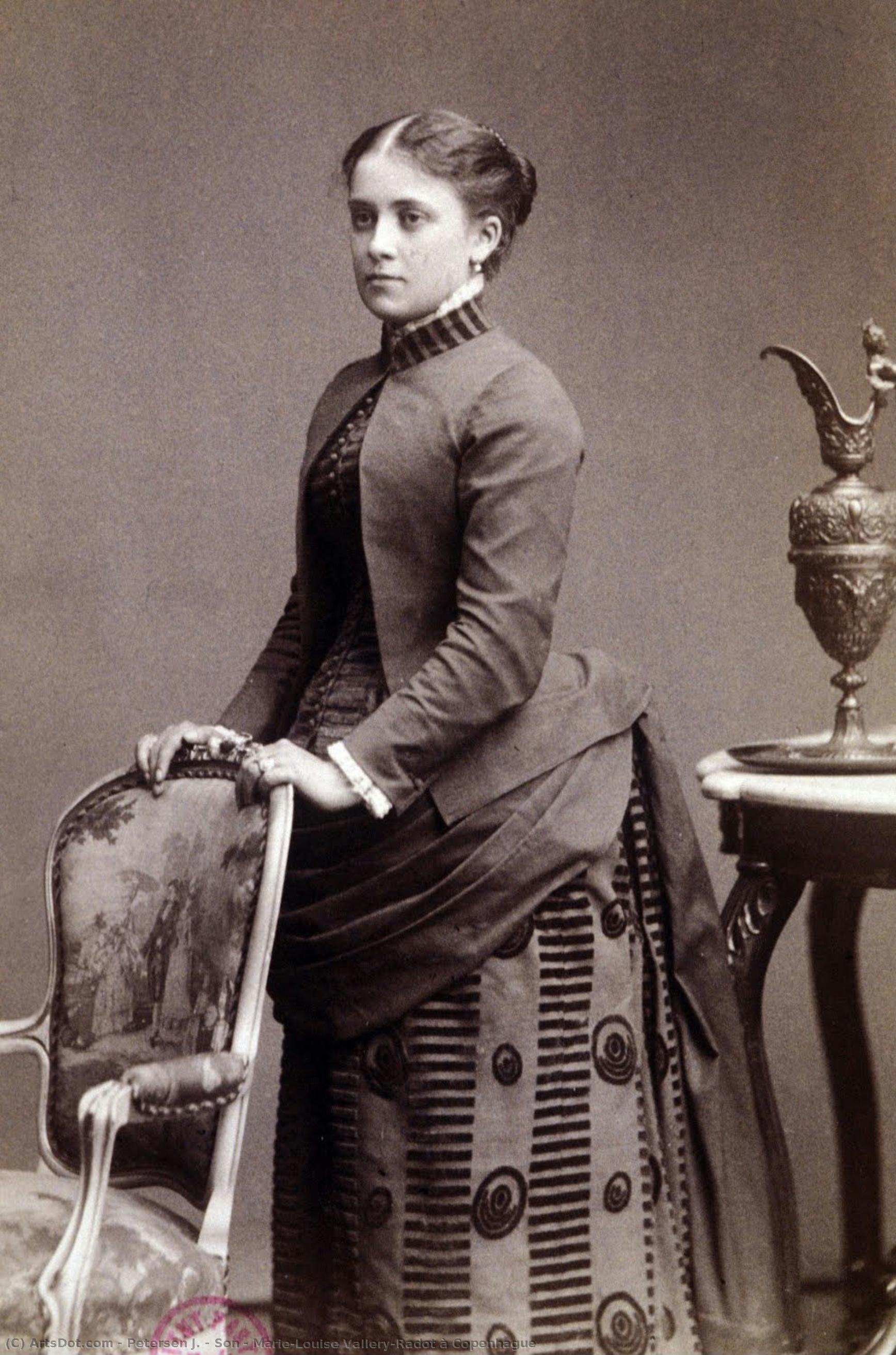
Marie-Louise Vallery-Radot à Copenhague


 詳細を見る
詳細を見る




































作品のオリジナル比率に合わせた、当店の規定サイズからお選びください。

特定のフレームやスペースに合わせて、ご希望のサイズをご入力いただけます。選択されたサイズが元の画像の比率と異なる場合、アートワークをトリミングするか、手描きで要素を追加して絵画を拡張いたします。デジタルモックアップ を制作し、制作開始前にご確認(承認)をいただきます。
画面上のプレビューは、実際のトリミングや拡張を正確に反映しているものではありません。最終的な構図は、モックアップによってのみ正確にご確認いただけます。
カスタムサイズもご利用いただけますが、元の比率を維持するためには、あらかじめ用意されたリストからサイズを選択することをお勧めいたします。
ご注文後、ArtsDot.com チームより詳細な指示をお送りするとともに、仕上がりイメージ(モックアップ)をご提供いたします。


 ガラスオプションは、110cm未満のサイズでのみご利用いただけます。

Marie-Louise Vallery-Radot à Copenhague
複製技法
複製画のサイズ
-


合計金額
$ 263
作品解説








アーティストの略歴
Early Life and Artistic Foundations
Peter Thomsen Petersen, later known as Tom P., emerged into the Danish art world in 1861, born in the small town of Thisted to Christian Tullin Petersen, a pharmacist, and Maren Andrea Thomsen. This upbringing, while seemingly distant from the realm of artistic expression, subtly shaped his future perspective. His early education at Maribo grammar school provided a solid foundation, but it was his enrollment in 1877 at the Royal Danish Academy of Fine Arts that truly ignited his passion. There, under the tutelage of C.V. Nielsen—an architect by trade—Petersen began to cultivate an interest in architectural subjects, a theme that would become central to his oeuvre.
The influence of Nielsen proved pivotal; it steered Petersen away from purely figurative work and towards a meticulous observation of structures and urban landscapes. This initial phase was further enriched by studies at the Kunstnernes Frie Studieskoler and a formative period working alongside Léon Bonnat in Paris between 1883 and 1884. Bonnat, known for his realistic depictions and mastery of light, instilled in Petersen a dedication to precise rendering and atmospheric depth—qualities that would distinguish his later paintings.
A Rising Profile: Recognition and Travel
Petersen’s talent didn't go unnoticed. In 1889, he received an Honorable Mention at the prestigious Exposition Universelle, marking a significant step in his burgeoning career. This recognition opened doors to further opportunities, culminating in a travel stipend from the Academy in 1892 that allowed him to immerse himself in the artistic heritage of Italy. This journey proved transformative, exposing him to Renaissance architecture and the vibrant colors of the Mediterranean—elements that subtly infused his subsequent work.
The year 1891 also brought a personal milestone: marriage. However, it was the turn of the century that witnessed a pivotal shift in Petersen’s artistic direction. Already recognized for his landscapes and cityscapes, he made a conscious decision to dedicate himself to illustration, a medium that allowed him to reach a wider audience and explore new avenues of creative expression.
The Prolific Illustrator: Capturing Danish Life
This foray into illustration proved remarkably successful. Over the next several decades, Petersen produced an astonishing 300+ illustrations for prominent Danish and German magazines, most notably *Illustreret Tidende*. His subject matter was diverse yet consistently evocative—old buildings steeped in history, picturesque rural scenes, and vibrant cityscapes from Germany (Rothenburg ob der Tauber being a particular favorite) and Denmark. These weren’t merely decorative images; they were carefully crafted windows into the soul of these places, capturing their unique character and atmosphere.
Beyond his magazine work, Petersen lent his talents to illustrating classic literary works, including *Danish Folk Tales* by Svend Grundtvig, *The Fidget* by Ludvig Holberg, and *Denmark in descriptions and photos of Danish Writers and Artists* by Martinus Galschiøt. He even ventured across the Atlantic, illustrating Thomas Bailey Aldrich’s *The Story of a Bad Boy*. His illustrations weren't simply accompaniments to text; they were integral to the storytelling process, adding depth and visual richness to these beloved narratives.
Founding a Legacy: The Graphic Artists’ Society and Faaborg Museum
Petersen wasn’t solely focused on his own artistic pursuits. He actively contributed to the Danish art community, becoming a co-founder of the “Graphic Artists' Society” in 1909 and serving on its governing board until 1911. This commitment to fostering collaboration and supporting fellow artists underscored his belief in the power of collective creativity.
In 1910, he played a crucial role in establishing the Faaborg Museum, an institution dedicated to showcasing Danish art and culture. He remained on its board until his death in 1926, ensuring that future generations would have access to the artistic treasures of Denmark.
Historical Significance and Enduring Appeal
While perhaps not a household name internationally, Peter Tom-Petersen (Tom P.) occupies a significant place in Danish art history. His illustrations provide invaluable insights into the social and cultural landscape of late 19th and early 20th century Denmark and Germany. They are more than just historical documents; they are beautifully rendered works of art that capture the essence of a bygone era.
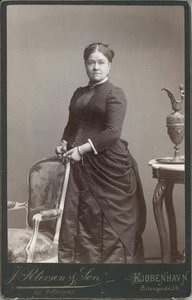
His meticulous attention to detail, atmospheric depth, and evocative use of color continue to resonate with audiences today. The studio Petersen J. & Son, founded in 1884, initially focused on portraiture—documenting the likenesses of prominent scientists, politicians, and artists—but it was Tom P.’s later work as an illustrator that cemented his legacy. His paintings and illustrations are a testament to the power of observation, the beauty of everyday life, and the enduring appeal of classical portraiture.
petersen j. & son
1884 - , Denmark
基本情報
- Artistic Movement Or Style: Cityscapes & Architectural Paintings
- Date Of Birth: March 5, 1861
- Date Of Death: July 27, 1926
- Full Name: Peter Tom-Petersen
- Nationality: Danish
- Notable Artworks:
- Marie Pasteur in Copenhagen
- Marie-Louise Vallery-Radot à Copenhague
- Place Of Birth: Copenhagen, Denmark

