

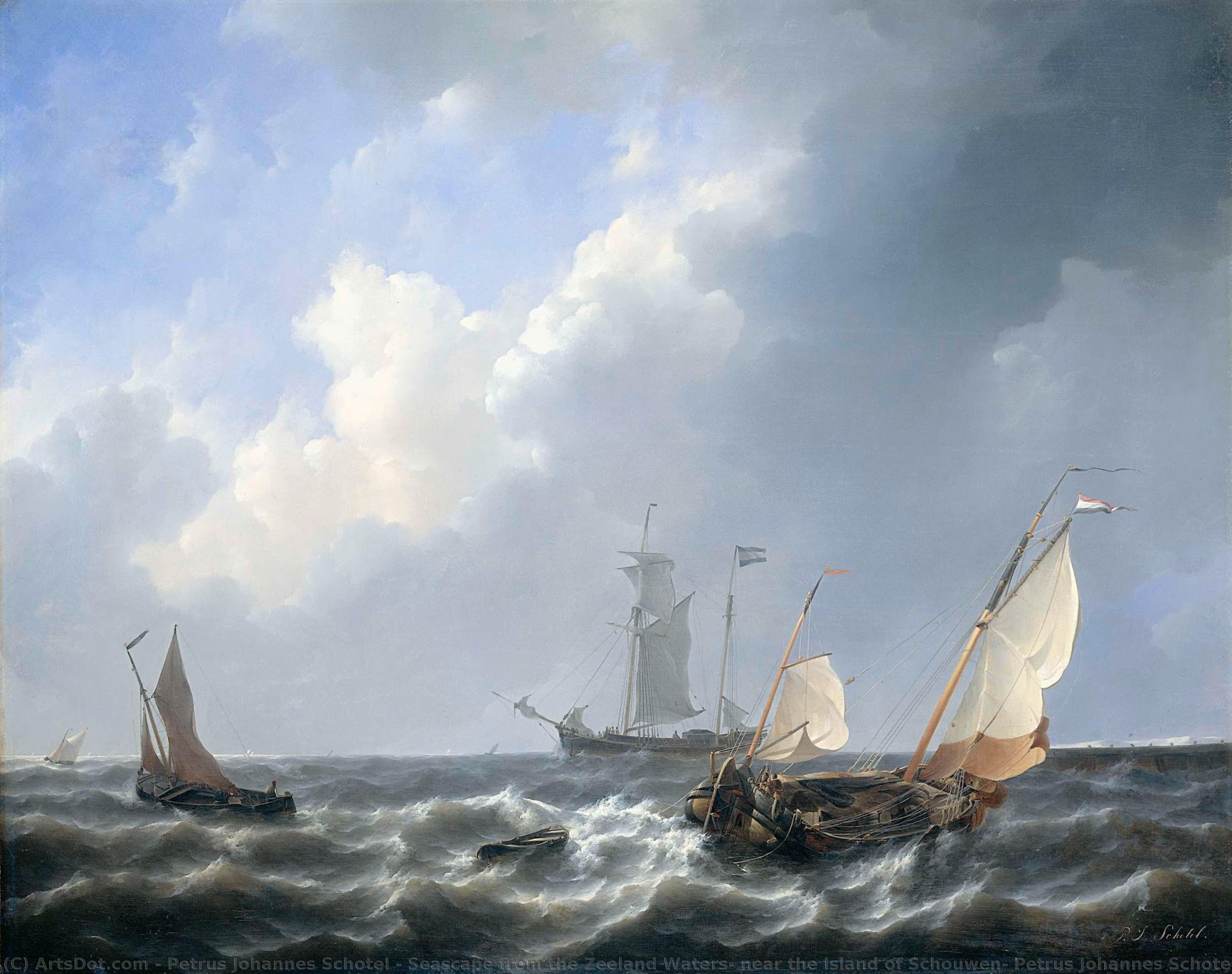
 プレビュー
プレビュー
 シェアする
シェアする シェアする
シェアする
 詳細を見る
詳細を見る

 ダウンロード
 似ている作品
 X線調査
X線調査 スライドショー
Seascape from the Zeeland Waters, near the Island of Schouwen, Petrus Johannes Schotel, 1825 - 1827
 1827
1827 73.0 x 91.0 cm
 詳細を見る
詳細を見る
ジークレー/アートプリント
迅速な制作と多彩な仕上げオプションを備えた、ミュージアムクオリティのジークレーまたはキャンバスプリント。 ( 手描きの絵画を購入 画像を購入)




































作品のオリジナル比率に合わせた、当店の規定サイズからお選びください。

特定のフレームやスペースに合わせて、ご自身でサイズを指定することも可能です。選択されたサイズが元の画像の比率と一致しない場合、作品をトリミングするか、鏡面反射または単色での塗りつぶしによって画像を拡張いたします。制作を開始する前に、ご確認用のデジタルモックアップをお送りいたします。
画面上のプレビューには、実際のトリミングや拡張は反映されませんのでご注意ください。最終的な構図を正確に確認できるのは、モックアップのみとなります。
カスタムサイズも承っておりますが、元の比率を維持するためには、あらかじめ用意されたリストからサイズを選択することをお勧めいたします。


 ガラスオプションは、110cm未満のサイズでのみご利用いただけます。

Seascape from the Zeeland Waters, near the Island of Schouwen, Petrus Johannes Schotel, 1825 - 1827
ジークレー/アートプリント
複製画のサイズ
-


合計金額
$ 62
関連作品









アーティストの略歴
A Legacy Etched in Seascape: The Life and Art of Petrus Johannes Schotel
Petrus Johannes Schotel, born in the historic city of Dordrecht, Netherlands, in 1808, was a painter deeply immersed in a maritime tradition. His life unfolded against the backdrop of a nation intimately connected to the sea—a world of bustling harbors, formidable vessels, and ever-changing skies. He wasn’t merely documenting scenes; he was capturing a spirit, an essence of Dutch seafaring that resonated with national pride and romantic sensibility. Schotel inherited his artistic calling from his father, Johannes Christiaan Schotel, a renowned marine painter in his own right. This familial connection proved pivotal, shaping not only his initial style but also instilling a profound respect for the technical intricacies of ships and the dramatic power of the ocean. The younger Schotel didn’t simply follow in his father's footsteps; he refined and personalized the tradition, adding layers of atmospheric detail and emotional depth to his canvases.Early Training and Artistic Development
Schotel’s early artistic education was firmly rooted in the style of his father. He absorbed the techniques of realistic depiction, focusing on accurate portrayals of vessels and maritime life. However, a crucial turning point came with his travels to France between 1827 and 1829. This sojourn exposed him to new influences, prompting a shift towards a warmer color palette while simultaneously reinforcing his commitment to the dramatic elements inherent in seascapes. He began to experiment with light and shadow, creating more evocative and emotionally charged compositions. The influence of Romanticism is palpable in these works—a fascination with nature’s power, a sense of sublime beauty tinged with an awareness of its potential for destruction. This period marked a transition from meticulous documentation to artistic interpretation, where the sea became not just a subject but a powerful emotional force. His dedication extended beyond mere observation; he became deeply knowledgeable about the technical aspects of shipbuilding and navigation, a skill that would later lead him to a teaching position at the Dutch Royal Naval Institute in Medemblik.A Teacher and Chronicler of Maritime Life
From 1830 to 1848, Schotel served as a drawing teacher at the Marine Institute in Medemblik, imparting his knowledge and passion for maritime art to a new generation of naval officers and aspiring artists. This role underscores his commitment to preserving and promoting Dutch seafaring traditions. He wasn’t just teaching technical skills; he was instilling an appreciation for the beauty and complexity of the marine world. His expertise in ship design and nautical history made him a highly respected figure within the maritime community. Beyond his pedagogical duties, Schotel continued to paint prolifically, producing hundreds of works that captured the essence of Dutch sea life. His paintings depict bustling harbors filled with freight ships, dramatic scenes of vessels battling stormy seas, and tranquil river views dotted with sailboats. He meticulously rendered every detail—the rigging of a ship, the texture of waves, the play of light on water—creating images that were both visually stunning and historically accurate.Family Tradition and Lasting Influence
The Schotel family’s artistic legacy extended beyond Petrus Johannes himself. His daughter, Petronella Elisabeth Schotel, followed in his footsteps as a painter, continuing the tradition of capturing Dutch landscapes and maritime scenes. His sister, Christina Petronella Schotel, also pursued a career in art, specializing in still life and flower paintings. This familial dedication to artistic expression highlights the importance of inherited talent and the nurturing environment within the Schotel household. The family’s shared passion for detail is evident in their work—a consistent style and even similar signatures on artwork. Schotel's influence wasn’t limited to his immediate family; he inspired a generation of Dutch marine painters, shaping the aesthetic landscape of 19th-century art. His works continue to be highly sought after by collectors worldwide, particularly in the Netherlands, Denmark, and New York, serving as enduring reminders of a rich maritime heritage.Historical Significance and Enduring Appeal
Petrus Johannes Schotel’s paintings offer more than just beautiful depictions of seascapes; they provide valuable insights into 19th-century Dutch life and culture. His works capture the economic importance of seafaring, the technological advancements in shipbuilding, and the romantic allure of exploration. He documented a world that was rapidly changing—a transition from sail to steam, from traditional trade routes to global commerce. Schotel’s legacy lies not only in his artistic skill but also in his ability to preserve a sense of national identity through his paintings. His meticulous attention to detail and emotional depth continue to resonate with audiences today, making him one of the most celebrated Dutch marine painters of the 19th century. His work stands as a testament to the enduring power of art to capture history, evoke emotion, and celebrate the beauty of the natural world. He died in Dresden, Germany, in 1865, leaving behind a rich artistic heritage that continues to inspire and captivate viewers around the globe.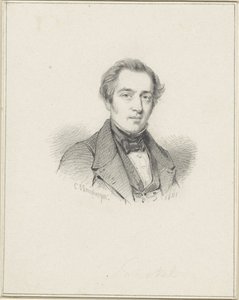
petrus johannes schotel
1808 - 1865 , Netherlands
基本情報
- Artistic Movement Or Style: Marine painting, Romanticism
- Artists Or Movements Influenced By This Artist:
- Petronella Elisabeth Schotel
- Christina Petronella Schotel
- Artists Who Influenced This Artist: ['Johannes Christiaan Schotel']
- Date Of Birth: November 11, 1808
- Date Of Death: July 23, 1865
- Full Name: Petrus Johannes Schotel
- Nationality: Dutch
- Notable Artworks:
- Seascape from the Zeeland Waters
- Ship, seascape paintings
- Place Of Birth: Dordrecht, Netherlands