

 プレビュー
プレビュー
 シェアする
シェアする シェアする
シェアする
 詳細を見る
詳細を見る

 ダウンロード
 似ている作品
 X線調査
X線調査 スライドショー
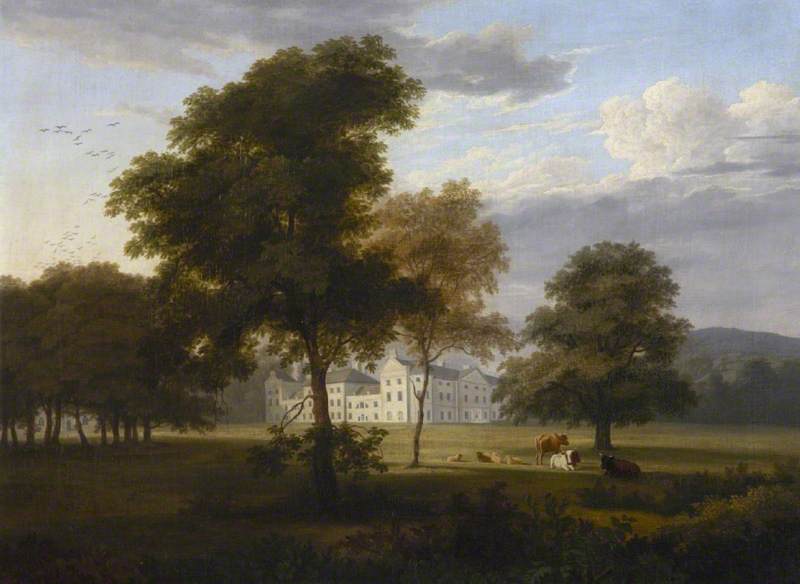
Saltram from the South West
 Romanticism
 1813
1813 49.0 x 66.0 cm
 National Trust
 詳細を見る
詳細を見る
ジークレー/アートプリント
迅速な制作と多彩な仕上げオプションを備えた、ミュージアムクオリティのジークレーまたはキャンバスプリント。 ( 手描きの絵画を購入 画像を購入)




































作品のオリジナル比率に合わせた、当店の規定サイズからお選びください。

特定のフレームやスペースに合わせて、ご自身でサイズを指定することも可能です。選択されたサイズが元の画像の比率と一致しない場合、作品をトリミングするか、鏡面反射または単色での塗りつぶしによって画像を拡張いたします。制作を開始する前に、ご確認用のデジタルモックアップをお送りいたします。
画面上のプレビューには、実際のトリミングや拡張は反映されませんのでご注意ください。最終的な構図を正確に確認できるのは、モックアップのみとなります。
カスタムサイズも承っておりますが、元の比率を維持するためには、あらかじめ用意されたリストからサイズを選択することをお勧めいたします。


 ガラスオプションは、110cm未満のサイズでのみご利用いただけます。

Saltram from the South West
ジークレー/アートプリント
複製画のサイズ
-


合計金額
$ 62
関連作品
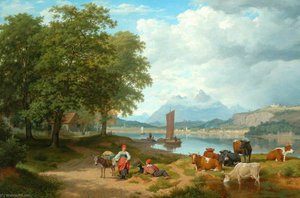
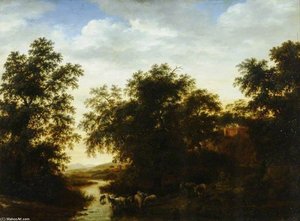
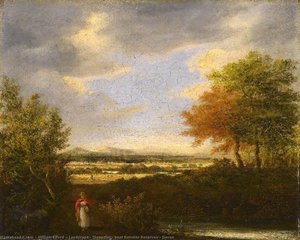
アーティストの略歴
The Soul of the Landscape: The Life and Legacy of Philip Hutchins Rogers
In the golden age of British Romanticism, few artists captured the profound dialogue between humanity and the natural world as poignantly as Philip Hutchins Rogers. Born in the coastal environs of Plymouth, Devon, in 1794, Rogers emerged from a period of intense intellectual awakening. His early years were shaped by the rugged beauty of the English West Country, a landscape that would serve as both his muse and his primary subject. This formative connection to the earth was deepened through his education at Plymouth Grammar School, where he studied under the esteemed botanist and geologist Dr. John Bidlake. It was under Bidlake’s tutelage that Rogers learned to look beyond the mere surface of nature, developing an eye for the scientific precision of flora and geology while simultaneously nurturing a Romantic sensibility that sought the emotional resonance within the wild.
The artistic circle in which Rogers moved was nothing short of extraordinary. Alongside contemporaries such as Samuel Prout, Benjamin Haydon, and Charles Lock Eastlake, he participated in a shared movement that redefined the boundaries of British landscape and marine painting. This cohort of artists shared a fascination with the sublime—the idea that nature could evoke feelings of awe, terror, and spiritual transcendence. Rogers’s work became a bridge between the meticulous observation of his scientific mentors and the expressive, often dramatic, interpretations characteristic of the Romantic era. His ability to blend a commitment to realism with an evocative use of light and atmosphere allowed him to create works that felt both tangibly real and deeply dreamlike.
Mastery of Light and Atmosphere
Rogers’s technical evolution is most evident in his diverse range of subjects, from the maritime drama of the English Channel to the tranquil vistas of the European continent. One of his most significant early achievements was the 1813 masterpiece, The Bombardment of Algiers. Commissioned by the Royal Academy, this ambitious work demonstrated his capacity for large-scale narrative painting and technical prowess, earning critical acclaim and a subsequent engraving that brought his vision to a wider public. This period of his career showcased a mastery of movement and tension, capturing the chaotic energy of naval conflict against the backdrop of an unforgiving sea.
As his career progressed, Rogers’s focus shifted toward more serene and contemplative landscapes. His depictions of Dartmoor National Park are particularly noteworthy; in these works, he meticulously rendered the rugged terrain, the shifting mists, and the atmospheric weight of the moorland, turning the local landscape into a stage for emotional expression. This talent for capturing the "spirit of place" extended to his travels across Europe. His explorations of the Spanish coast yielded evocative panoramas of the Mediterranean, while his later years spent on the Continent—driven by both economic necessity and artistic curiosity—led to stunning depictions of the German countryside. His 1838 work, Bavarian Landscape, stands as a testament to this period, showcasing a peaceful, idyllic harmony between rural life and the majestic mountains of Germany.
A Lasting Impression on British Art
The significance of Philip Hutchins Rogers lies in his ability to harmonize the scientific with the poetic. While his works often featured local views around Plymouth—some of which found permanent homes in prestigious collections like Saltram House—they were never merely topographical records. Instead, they were windows into a world where every hill, tree, and wave carried a weight of meaning. His style, characterized by expressive brushwork and a sophisticated use of color, helped pave the way for future generations of landscape painters to explore the subjective experience of the natural world.
Though he passed away in 1853 near Baden-Baden, his contribution to the British school of painting remains indelible. His legacy is found in:
- The integration of scientific observation and Romantic emotion, a hallmark of his training under Dr. Bidlake.
- The elevation of local landscapes, such as Dartmoor and Plymouth Sound, into subjects of high art and national importance.
- A versatile mastery of genre, ranging from the intense drama of marine combat to the quietude of pastoral European scenes.
Today, the works of Rogers continue to resonate with those who find beauty in the interplay of light, shadow, and the enduring majesty of the earth.
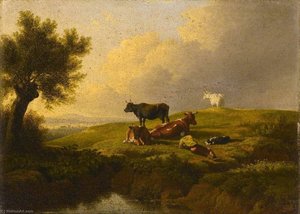
philip hutchins rogers
1794 - 1853
基本情報
- Artistic Movement Or Style: Romanticism
- Artists Or Movements Influenced By This Artist: ['Charles Lock Eastlake']
- Artists Who Influenced This Artist:
- John Bidlake
- Samuel Prout
- Date Of Birth: 1794 Plymouth Devon England
- Date Of Death: 1853 Lichtenthal Baden-Baden Germany
- Full Name: Philip Hutchins Rogers
- Nationality: English
- Notable Artworks:
- The Bombardment of Algiers
- Dartmoor
- Place Of Birth: Plymouth England
関連記事
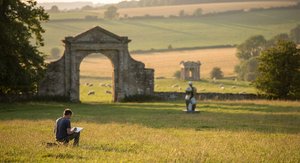
Idyllic Visions: Exploring the Pastoral Scene in Art History – From Arcadia to Modern Interpretations
Explore the captivating history of pastoral art from classical Arcadia to modern masterpieces. Discover key artists like Millet & Cole at ArtsDot. Find serene landscape paintings for your home.
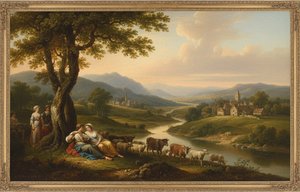
Idyllic Visions: Exploring the Pastoral Tradition in Western Art – Themes, Techniques & Enduring Appeal
Explore the rich history of pastoral art from classical Arcadia to contemporary interpretations. Discover key artists, themes & collecting tips at ArtsDot.
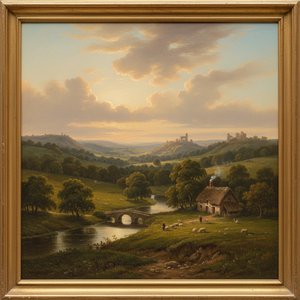
George Barret the Elder: Pioneering British Pastoral Painting & Landscape's Rise
Explore the life & art of George Barret Sr., a pioneer of British pastoral painting. Discover his influence on Romantic landscape art, patronage, and collecting tips from ArtsDot.

Evocations of Place: A Historical Journey Through Landscape Art
Explore the rich history of landscape art with ArtsDot. Discover renowned artists, movements like Impressionism & Romanticism, and expert guidance for collecting timeless pieces. Find your perfect serene escape today!

ロマン派ランドスケープ:時代を彩る巨匠の10選|アートとインテリアの世界
ロマン派絵画の時代を彩る10選。巨匠たちの風景が織りなす感動の世界へ。ターナー、ルーベンスなど、名作の裏話と高精細複製でアートをお部屋に。ArtsDot.comで至福のアート体験を。

