

 プレビュー
プレビュー
 プリントを購入
 シェアする
シェアする シェアする
シェアする
 詳細を見る
詳細を見る

 ダウンロード
 似ている作品
 X線調査
X線調査 スライドショー
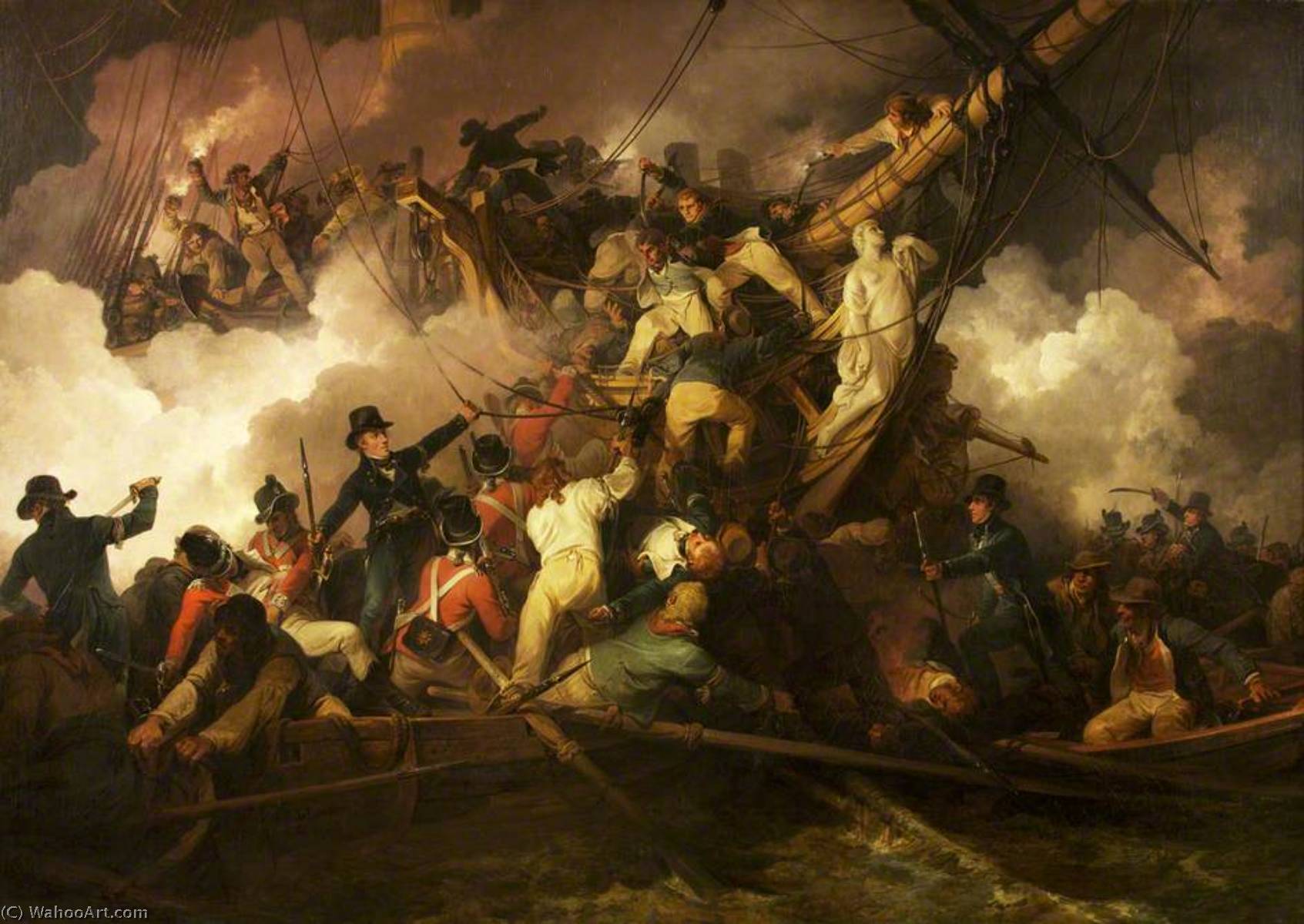
The Cutting Out of the French Corvette 'La Chevrette'
 Acrylic On Canvas
- WallArt
- Romanticism
 1802
1802 152.0 x 165.0 cm
 Bristol Museum - Art Gallery
 詳細を見る
詳細を見る
オンラインプレビューをはるかに凌ぐ、高解像度で鮮明なデジタル画像をご購入いただけます。
各ファイルは、社内の専門家が高度なツールと熟練した手作業によるレタッチを用いて、細心の注意を払って準備されています。すべての画像において、卓越した鮮明度、正確な色彩再現性、そして繊細なディテールを保証いたします。
最終ファイルは、プロフェッショナルな編集・印刷環境ですぐにご利用いただけるよう最適化された状態で、72時間以内にメールにてお届けいたします。これは、一流のデザインスタジオ、出版社、ギャラリーから信頼されているものと同等の品質です。
デジタル画像のご注文に付随する特典
高品質なデジタル画像配信を、確かな品質で。
ArtsDot.com を選ぶことは、単に画像を手に入れることではありません。それは、プロの手によって精密に仕上げられ、満足保証が付いた高品質なデジタルアートワークを受け取ることを意味します。ご注文いただいた際に自動的に付随する内容は、以下の通りです:

メールですぐにお届け
ご注文から72時間以内に、高解像度のデジタル画像ファイルがメールでお手元に届きます。すぐにそのままご利用いただけます。

AI技術で最適化されたデジタルファイル
お客様の作品は、高度なAIツールと専門家による手作業の編集を組み合わせてプロフェッショナルに最適化されており、細部のディテール、鮮明さ、そして正確な色再現性を最大限に引き出しています。

一生涯無料の再送サービス
ファイルを誤って削除したり、紛失してしまったりしましたか?ご安心ください。いつでも無料で再送いたします。

輸入手数料は一切かかりません
関税や手数料、配送料を気にすることなく、お気に入りのアートワークをすぐにお楽しみいただけます。デジタルダウンロードは常に免税です。

色彩再現の保証
プロ仕様のツールとカラーマネジメント技術を用いることで、デジタル画像が元の色を最大限に忠実に再現することを保証いたします。

100日間満足保証
ご購入いただいたデジタル画像にご満足いただけない場合は、100日以内であれば、理由を問わず修正または100%の返金対応をさせていただきます。

100% 返金保証
ご満足いただけない場合は、デジタルファイルを受け取ってから100日以内であれば、理由を問わず全額返金いたします。

まとめ買い割引
3枚購入で10%OFF - 5枚購入で15%OFF - 10枚以上購入で20%OFF。クリエイティブなプロジェクト、ギャラリー、エージェンシーに最適です。
The Cutting Out of the French Corvette ‘La Chevrette’ – A Dramatic Tableau of Naval Victory
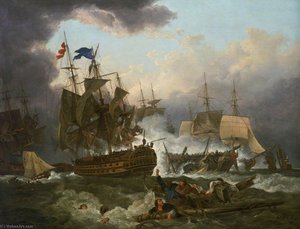
Philip James de Loutherbourg's “The Cutting Out of the French Corvette ‘La Chevrette’,” painted in 1802, is more than just a historical depiction; it’s a visceral experience. This monumental canvas transports the viewer directly into the heart of a pivotal naval engagement during the Napoleonic Wars – a desperate gamble that ultimately secured a strategic victory for Britain. De Loutherbourg, a figure who seamlessly blended artistic talent with theatrical innovation, masterfully captures not only the action but also the palpable tension and raw emotion of this daring operation.
The scene unfolds within the confines of Camaret Bay in Brittany, a location strategically chosen by the British to launch their audacious plan. Four Royal Navy frigates – the Robust, Doris, Beaulieu, and Uranie – are depicted maneuvering stealthily towards the French corvette ‘La Chevrette,’ which was anchored under the protection of shore batteries. The composition is meticulously arranged, emphasizing the contrast between the sleek, agile British vessels and the more cumbersome French ship. The artist’s keen eye for detail extends to the individual figures on board, each contributing to the chaotic yet controlled drama of the moment – sailors scrambling across decks, officers barking orders, and soldiers poised with muskets.
A Masterclass in Romantic Drama and Technical Skill
De Loutherbourg was a pivotal figure in the transition from Neoclassicism to Romanticism. His work is characterized by an intense emotionality, dramatic lighting, and a fascination with grand historical events. “The Cutting Out of the Chevrette” exemplifies these qualities perfectly. The artist employs a rich, dark palette – deep blues, browns, and blacks – to create a sense of gloom and urgency, punctuated by flashes of brilliant white light representing the cannon fire and the desperate struggle for control. His brushwork is loose and expressive, conveying movement and energy with remarkable skill. Note the dynamic diagonals created by the ships’ sails and the figures’ postures; these elements contribute significantly to the painting's sense of dynamism.
Technically, de Loutherbourg was a highly accomplished painter, trained initially in Paris under Van Loo and Casanova. However, he quickly developed his own distinctive style, influenced by his fascination with theatrical design and his inventive use of lighting effects. He experimented extensively with techniques to simulate the dramatic atmosphere of a stage production, foreshadowing later developments in photography and cinema. The painting’s scale – 152 x 165 cm – further enhances its impact, enveloping the viewer within the scene and amplifying the sense of immediacy.
Symbolism and Historical Significance
Beyond its immediate depiction of a naval battle, “The Cutting Out of the Chevrette” carries significant symbolic weight. The capture of ‘La Chevrette’ was a crucial victory for Britain, demonstrating their ability to outmaneuver and overcome the seemingly invincible French fleet. It bolstered British morale during a period of intense anxiety about Napoleon's ambitions and served as a potent symbol of national resilience. The painting itself became an important propaganda tool, used to celebrate British naval prowess and reinforce public confidence in the war effort.
Furthermore, the scene embodies the Romantic fascination with heroism, courage, and the sublime – the awe-inspiring power of nature and human action. The figures engaged in combat are portrayed as embodying these qualities, their faces etched with determination and fear. The painting’s dramatic lighting and dynamic composition evoke a sense of grandeur and excitement, transporting the viewer to a moment of intense historical significance. It's a testament to de Loutherbourg's ability to capture not just a historical event but also the emotional core of human experience.
A Timeless Masterpiece – Perfect for Reproduction
“The Cutting Out of the French Corvette ‘La Chevrette’” remains a captivating and historically significant work of art. Its dramatic composition, masterful technique, and powerful symbolism continue to resonate with viewers today. A high-quality reproduction offers an exceptional opportunity to bring this iconic scene into your home or office, serving as a striking conversation piece and a reminder of Britain's daring naval exploits during the Napoleonic Wars. Consider framing it in a classic style to complement its historical subject matter – perhaps within a dark wood frame to enhance the painting’s dramatic atmosphere.
関連作品
作家の略歴
フィリップ・ジェームズ・ド・ルテールブルグ:芸術、演劇、そして陰謀に彩られた生涯
- 生誕:フランス、ストラスブール(1740年)
- 没年:1812年
フィリップ・ジャック・ド・ルテールブルグの名でも知られるフィリップ・ジェームズ・ド・ルテールブルグは、劇的な海戦の描写、広大な風景画、そして演劇デザインへの革新的な貢献によって称賛された、フランス・イギリスの両国にまたがる画家です。彼の数十年におよぶキャリアは、芸術的な多才さ、オカルトへの束の間の傾倒、そして後世の芸術家たちに与えた多大な影響によって特徴づけられています。
幼少期と芸術的修行
1740年にストラスブールで生まれたルテールブルグの幼少期は、版画家であり細密画家でもあった父の手によって形作られました。当初は聖職に就く運命にありましたが、彼はその道を捨て、芸術の道へと突き進みました。パリでの正式な修行は、シャルル=アンドレ・ヴァン・ローやフランチェスコ・ジュゼッペ・カサノヴァといった巨匠たちの指導の下で始まりました。ルテールブルグは瞬く間に類まれな才能を発揮し、人物や動物を描き込んだ風景画によって1763年のサロンで高い評価を得ました。その後も続くサロンでの展示は成功を収め続け、ドニ・ディドロのような影響力のある批評家からも称賛を浴びました。1767年にはフランス・アカデミーに選出されており、これは彼の高まりゆく名声の証といえるでしょう。
イギリスでの躍進:海戦、風景、そして演劇の世界
1771年、ルテールブルグはロンドンへと移住し、そこですぐに著名な芸術家としての地位を確立しました。デヴィッド・ギャリックによる重要な紹介がきっかけとなり、ドリュリー・レーン劇場における舞台デザインの重要な依頼を受けることとなります。彼の演劇における革新性は画期的であり、1781年には「エイドフォシコン」を創出しました。これは遠近法と錯視効果を利用して没入感のある場面を作り出す機械仕掛けの劇場でした。この発明は彼の独創性を世に示し、演劇技術の先駆者としての地位を決定づけました。
それと同時に、ルテールブルグは歴史画、特に海戦の描写において名声を博しました。彼の最も有名な作品である『ハウ提督の戦闘、あるいは輝かしき6月1日』(1795年)は、イギリスの重要な勝利を記念するものであり、彼を海洋史の主要な記録者として確立させました。彼の風景画は、時に演劇的すぎると批判されることもありましたが、イギリスの田園地帯の絵画的な美しさを捉え、当時の美学的理想を反映したものでした。
- 代表作:ハウ提督の戦闘、あるいは輝かしき6月1日、アルマダの滅亡、夜のコールブルックデール
オカルトへの傾倒と晩年
驚くべき転換として、ルテールブルグは1789年に絵画を一時的に放棄し、錬金術や超自然的な現象への関心を追求しました。彼は、不老不死や神秘的な力を偽って主張したことで悪名高い人物、アレッサンドロ・ディ・カジロストと交流を持つようになります。ルテールブルグはカジロストが死刑判決を受けるまで彼と共に旅をしましたが、この時期の詳細については、今なお謎に包まれた部分が多く残っています。その後、彼の信仰による治癒行為に対する世間の反発を受け、彼は再び絵画の世界へと戻り、歴史的な主題に焦点を当てながら、風景画や肖像画の制作を続けました。
遺産と影響力
フィリップ・ジェームズ・ド・ルテールブルグは、歴史画、風景画、そして演劇デザインの境界を繋いだ多才な芸術家として、永続的な遺産を残しました。彼の革新的なエイドフォシコンは後の舞台技術の発展に影響を与え、その劇的な海戦図は海洋国家としての時代の精神を捉えました。彼の作品は、ナショナル・マリティム・ミュージアムや大英博物館をはじめ、世界中の数多くの美術館に収蔵されています。また、J.M.W.ターナーのような芸術家たちに影響を与えたことでも知られており、イギリスにおけるロマン主義芸術の発展に対する彼の多大な貢献を証明しています。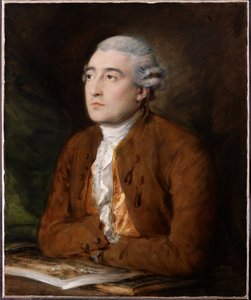
フィリップ・ジェームズ・ド・ルテールブルグ
1740 - 1812 , フランス
プロフィール概要
- Artistic Movement Or Style: ロマン主義
- Artists Or Movements Influenced By This Artist: ['ターナー']
- Date Of Birth: 1740-10-31
- Date Of Death: 1812-03-11
- Full Name: フィリップ・ジェームズ・デ・ルターブルグ
- Nationality: フランス系イギリス人
- Notable Artworks:
- ハウ提督の戦い、または栄光ある6月1日
- アルマダの滅亡
- 夜のコールブルックデール
- 雷雨の中の騎手と家畜
- Place Of Birth: フランス、ストラスブール