

 プレビュー
プレビュー
 プリントを購入
 シェアする
シェアする シェアする
シェアする
 詳細を見る
詳細を見る

 ダウンロード
 似ている作品
 X線調査
X線調査 スライドショー
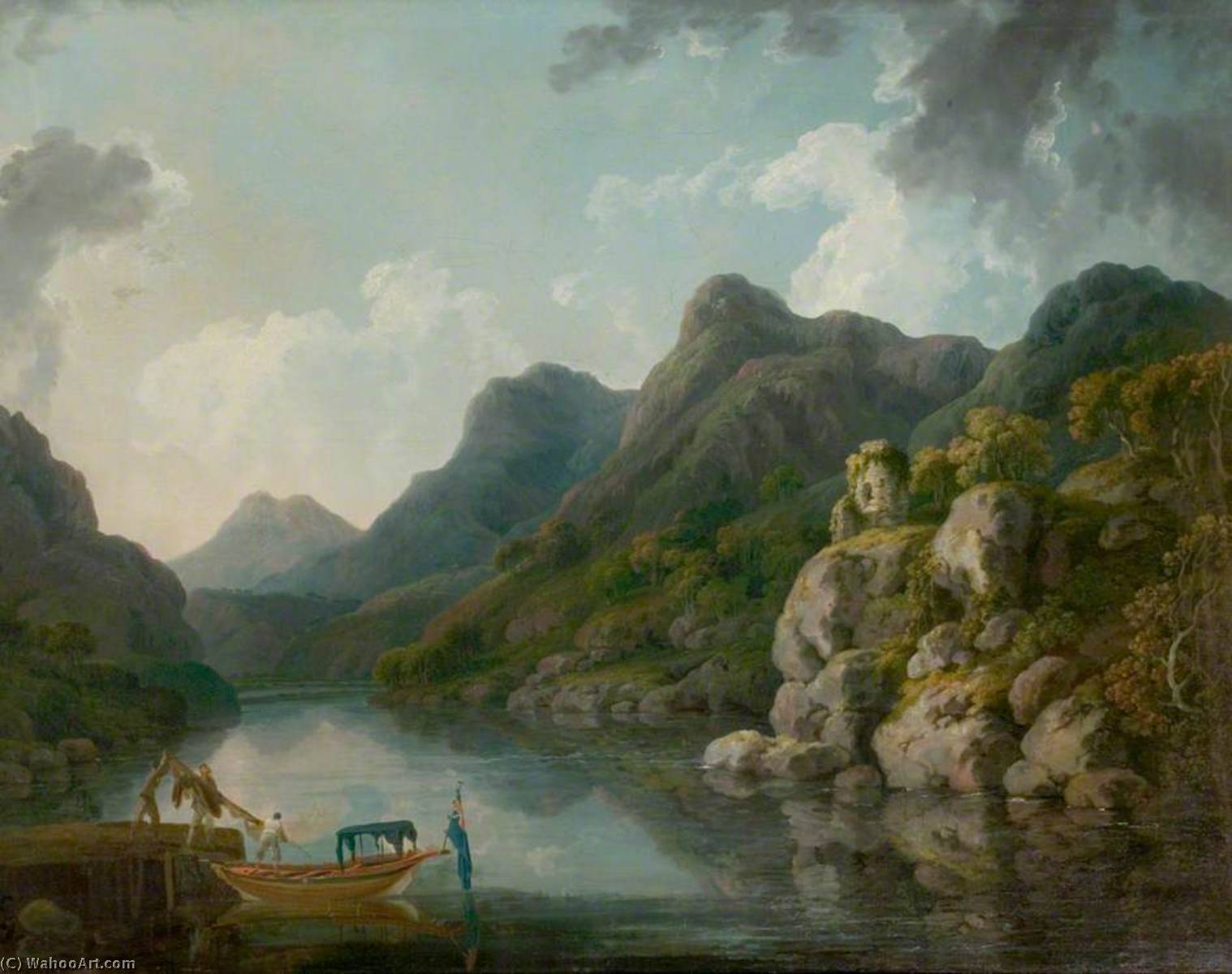
View of Snowdon with the Castle of Dolbadarn from Llanberis
 Oil On Canvas
- WallArt
- Romanticism
 1787
1787- 19th Century
 95.0 x 123.0 cm
 Wollaton Hall
 詳細を見る
詳細を見る




P118B $10

P118H $10

P118W $10

P438Z $10

P508JH $12

P508YH $12

P805H $10

P805Z $10

P919BZ $10

P919G $10

P919XJ $10

P959ZH $10

P968JZ $12

W106C $8

W218G $10

W218JH $8

W218Y $10

W307PJ $10

W316G $10

W316PJ $8

W316Y $10

W398PJ $8

W4111J $10

W500HY $15

W500JH $15

W692G $12

W849H $8

W940BG $15

W953PJ $8




作品のオリジナル比率に合わせた、当店の規定サイズからお選びください。

特定のフレームやスペースに合わせて、ご希望のサイズをご入力いただけます。選択されたサイズが元の画像の比率と異なる場合、アートワークをトリミングするか、手描きで要素を追加して絵画を拡張いたします。デジタルモックアップ を制作し、制作開始前にご確認(承認)をいただきます。
画面上のプレビューは、実際のトリミングや拡張を正確に反映しているものではありません。最終的な構図は、モックアップによってのみ正確にご確認いただけます。
カスタムサイズもご利用いただけますが、元の比率を維持するためには、あらかじめ用意されたリストからサイズを選択することをお勧めいたします。
ご注文後、ArtsDot.com チームより詳細な指示をお送りするとともに、仕上がりイメージ(モックアップ)をご提供いたします。


 ガラスオプションは、110cm未満のサイズでのみご利用いただけます。

View of Snowdon with the Castle of Dolbadarn from Llanberis
複製技法
複製画のサイズ
-


合計金額
$ 263
A Vista of Majesty: Philip James de Loutherbourg’s “View of Snowdon with the Castle of Dolbadarn from Llanberis”
Philip James de Loutherbourg's "View of Snowdon with the Castle of Dolbadarn from Llanberis," painted in 1787, is more than just a landscape; it’s a carefully constructed tableau of Romantic ideals and a poignant meditation on humanity’s relationship with the sublime. This evocative work transports the viewer to the rugged beauty of North Wales, capturing not merely a scene but an atmosphere—a feeling of awe and quiet contemplation born from confronting the grandeur of nature.
The painting immediately establishes a sense of scale through its expansive horizontal format. The eye is drawn into the distance, following the winding course of the river that snakes through the valley below, ultimately disappearing into the hazy blue embrace of Snowdon’s slopes. The castle of Dolbadarn, perched precariously on a craggy outcrop, stands as a testament to human ambition against the backdrop of ancient stone and enduring mountain. The inclusion of a small boat in the foreground subtly introduces an element of human presence, anchoring the scene while simultaneously emphasizing the vastness of the surrounding wilderness. Llanberis, nestled at the foot of the mountain, provides a vital point of reference, grounding the viewer within this specific Welsh landscape – a location easily identified through further research (see link below for more information).
- Historical Context: Painted during the height of the Romantic era, the work reflects the movement’s fascination with nature's power and beauty. Loutherbourg, a key figure in this period, moved beyond traditional academic painting to embrace dramatic lighting, dynamic compositions, and an emotional intensity that resonated deeply with his contemporaries.
- The Artist: Philip James de Loutherbourg was a multifaceted artist whose career spanned diverse fields – from theatrical design to scientific illustration. His background as a stage designer profoundly influenced his approach to landscape painting, imbuing his works with a sense of drama and spectacle.
A Symphony of Line and Texture: Deconstructing the Technique
Loutherbourg’s masterful technique is immediately apparent in the careful rendering of texture and form. The artist employs a predominantly linear approach, defining the contours of the mountains with sharp, precise lines that create a sense of solidity and permanence. However, this linearity is skillfully balanced by a rich tapestry of brushstrokes – particularly evident in the depiction of the rocks and foliage. These textured surfaces suggest both roughness and depth, inviting the viewer to almost feel the cool stone beneath their fingertips or the damp earth beneath their feet.
The muted color palette—dominated by shades of grey, blue, and brown—contributes significantly to the painting’s atmospheric quality. The diffused lighting, characteristic of an overcast day, casts soft shadows and creates a sense of tranquility. Loutherbourg's use of atmospheric perspective – diminishing the detail and lightening the colors of distant elements – effectively conveys depth and distance, drawing the viewer into the heart of the landscape.
Symbolism and Emotional Resonance
Beyond its purely descriptive qualities, “View of Snowdon with the Castle of Dolbadarn from Llanberis” is rich in symbolic meaning. The imposing presence of Snowdon itself represents the sublime—that overwhelming sense of awe and wonder experienced when confronted with nature’s immense power. The castle, a remnant of a bygone era, serves as a reminder of human ambition and the fleeting nature of earthly endeavors against the backdrop of enduring natural forces.
The small boat in the foreground can be interpreted as a symbol of humanity's desire to connect with and understand the natural world. It’s a tiny vessel navigating an immense expanse, highlighting both our vulnerability and our capacity for exploration. The overall effect is one of quiet contemplation—a suggestion that true beauty lies not in conquering nature but in appreciating its majesty and finding solace within its embrace.
A Timeless Masterpiece: Reproduction and Beyond
“View of Snowdon with the Castle of Dolbadarn from Llanberis” remains a captivating work of art, offering a glimpse into the Romantic era’s fascination with nature and the enduring appeal of Welsh landscapes. High-quality reproductions capture the painting's atmospheric depth and textural richness, making it an ideal addition to any interior space. Its serene beauty and evocative symbolism continue to resonate with viewers today, reminding us of the profound connection between humanity and the natural world.
関連作品
アーティストの略歴
フィリップ・ジェームズ・ド・ルテールブルグ:芸術、演劇、そして陰謀に彩られた生涯
- 生誕:フランス、ストラスブール(1740年)
- 没年:1812年
フィリップ・ジャック・ド・ルテールブルグの名でも知られるフィリップ・ジェームズ・ド・ルテールブルグは、劇的な海戦の描写、広大な風景画、そして演劇デザインへの革新的な貢献によって称賛された、フランス・イギリスの両国にまたがる画家です。彼の数十年におよぶキャリアは、芸術的な多才さ、オカルトへの束の間の傾倒、そして後世の芸術家たちに与えた多大な影響によって特徴づけられています。
幼少期と芸術的修行
1740年にストラスブールで生まれたルテールブルグの幼少期は、版画家であり細密画家でもあった父の手によって形作られました。当初は聖職に就く運命にありましたが、彼はその道を捨て、芸術の道へと突き進みました。パリでの正式な修行は、シャルル=アンドレ・ヴァン・ローやフランチェスコ・ジュゼッペ・カサノヴァといった巨匠たちの指導の下で始まりました。ルテールブルグは瞬く間に類まれな才能を発揮し、人物や動物を描き込んだ風景画によって1763年のサロンで高い評価を得ました。その後も続くサロンでの展示は成功を収め続け、ドニ・ディドロのような影響力のある批評家からも称賛を浴びました。1767年にはフランス・アカデミーに選出されており、これは彼の高まりゆく名声の証といえるでしょう。
イギリスでの躍進:海戦、風景、そして演劇の世界
1771年、ルテールブルグはロンドンへと移住し、そこですぐに著名な芸術家としての地位を確立しました。デヴィッド・ギャリックによる重要な紹介がきっかけとなり、ドリュリー・レーン劇場における舞台デザインの重要な依頼を受けることとなります。彼の演劇における革新性は画期的であり、1781年には「エイドフォシコン」を創出しました。これは遠近法と錯視効果を利用して没入感のある場面を作り出す機械仕掛けの劇場でした。この発明は彼の独創性を世に示し、演劇技術の先駆者としての地位を決定づけました。
それと同時に、ルテールブルグは歴史画、特に海戦の描写において名声を博しました。彼の最も有名な作品である『ハウ提督の戦闘、あるいは輝かしき6月1日』(1795年)は、イギリスの重要な勝利を記念するものであり、彼を海洋史の主要な記録者として確立させました。彼の風景画は、時に演劇的すぎると批判されることもありましたが、イギリスの田園地帯の絵画的な美しさを捉え、当時の美学的理想を反映したものでした。
- 代表作:ハウ提督の戦闘、あるいは輝かしき6月1日、アルマダの滅亡、夜のコールブルックデール
オカルトへの傾倒と晩年
驚くべき転換として、ルテールブルグは1789年に絵画を一時的に放棄し、錬金術や超自然的な現象への関心を追求しました。彼は、不老不死や神秘的な力を偽って主張したことで悪名高い人物、アレッサンドロ・ディ・カジロストと交流を持つようになります。ルテールブルグはカジロストが死刑判決を受けるまで彼と共に旅をしましたが、この時期の詳細については、今なお謎に包まれた部分が多く残っています。その後、彼の信仰による治癒行為に対する世間の反発を受け、彼は再び絵画の世界へと戻り、歴史的な主題に焦点を当てながら、風景画や肖像画の制作を続けました。
遺産と影響力
フィリップ・ジェームズ・ド・ルテールブルグは、歴史画、風景画、そして演劇デザインの境界を繋いだ多才な芸術家として、永続的な遺産を残しました。彼の革新的なエイドフォシコンは後の舞台技術の発展に影響を与え、その劇的な海戦図は海洋国家としての時代の精神を捉えました。彼の作品は、ナショナル・マリティム・ミュージアムや大英博物館をはじめ、世界中の数多くの美術館に収蔵されています。また、J.M.W.ターナーのような芸術家たちに影響を与えたことでも知られており、イギリスにおけるロマン主義芸術の発展に対する彼の多大な貢献を証明しています。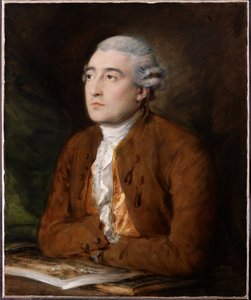
フィリップ・ジェームズ・ド・ルテールブルグ
1740 - 1812 , フランス
基本情報
- Artistic Movement Or Style: ロマン主義
- Artists Or Movements Influenced By This Artist: ['ターナー']
- Date Of Birth: 1740-10-31
- Date Of Death: 1812-03-11
- Full Name: フィリップ・ジェームズ・デ・ルターブルグ
- Nationality: フランス系イギリス人
- Notable Artworks:
- ハウ提督の戦い、または栄光ある6月1日
- アルマダの滅亡
- 夜のコールブルックデール
- 雷雨の中の騎手と家畜
- Place Of Birth: フランス、ストラスブール
関連記事

ロマン派ランドスケープ:時代を彩る巨匠の10選|アートとインテリアの世界
ロマン派絵画の時代を彩る10選。巨匠たちの風景が織りなす感動の世界へ。ターナー、ルーベンスなど、名作の裏話と高精細複製でアートをお部屋に。ArtsDot.comで至福のアート体験を。
Philip James de Loutherbourg: Romantic Visions of Maritime Life & the Sublime
Explore the dramatic naval scenes & landscapes of Philip James de Loutherbourg (1740-1812), a key figure in Romantic painting. Discover his legacy, theatrical innovations & iconic works like 'The Battle of the Nile' at ArtsDot.

ゴヤ傑作25選:スペインの魂を揺さぶる、深遠な芸術の世界 | ArtsDot
ゴヤ傑作25選:ロマン主義を代表するスペインの巨匠、フランシスコ・デ・ゴヤの世界へ。黒衣の女からマハまで、魂を揺さぶる絵画の物語と技法を紐解きます。ArtsDotで高品質なアートレプリカを見つけ、インテリアに深みと風格を。今すぐコレクションをご覧ください。

Evocations of Place: A Historical Journey Through Landscape Art
Explore the rich history of landscape art with ArtsDot. Discover renowned artists, movements like Impressionism & Romanticism, and expert guidance for collecting timeless pieces. Find your perfect serene escape today!

ジョン・コンスタブルの傑作25選:英国風景画の巨匠が描く自然と光の詩 | ArtsDot
ジョン・コンスタブルの傑作25選。英国風景画の巨匠が描く自然と光の詩の世界へ。ロマン主義を代表する絵画、デダム・ヴェールやヘイ・ウェインなど、ArtsDotで高品質なアートプリントをお楽しみください。インテリアに深みと感動を。コレクションはこちら。

