 プレビュー
プレビュー
 プリントを購入
 シェアする
シェアする シェアする
シェアする
 詳細を見る
詳細を見る

 ダウンロード
 似ている作品
 X線調査
X線調査 スライドショー
Girl in a Blue Dress


 詳細を見る
詳細を見る




P118B $10

P118H $10

P118W $10

P438Z $10

P508JH $12

P508YH $12

P805H $10

P805Z $10

P919BZ $10

P919G $10

P919XJ $10

P959ZH $10

P968JZ $12

W106C $8

W218G $10

W218JH $8

W218Y $10

W307PJ $10

W316G $10

W316PJ $8

W316Y $10

W398PJ $8

W4111J $10

W500HY $15

W500JH $15

W692G $12

W849H $8

W940BG $15

W953PJ $8




作品のオリジナル比率に合わせた、当店の規定サイズからお選びください。

特定のフレームやスペースに合わせて、ご希望のサイズをご入力いただけます。選択されたサイズが元の画像の比率と異なる場合、アートワークをトリミングするか、手描きで要素を追加して絵画を拡張いたします。デジタルモックアップ を制作し、制作開始前にご確認(承認)をいただきます。
画面上のプレビューは、実際のトリミングや拡張を正確に反映しているものではありません。最終的な構図は、モックアップによってのみ正確にご確認いただけます。
カスタムサイズもご利用いただけますが、元の比率を維持するためには、あらかじめ用意されたリストからサイズを選択することをお勧めいたします。
ご注文後、ArtsDot.com チームより詳細な指示をお送りするとともに、仕上がりイメージ(モックアップ)をご提供いたします。


 ガラスオプションは、110cm未満のサイズでのみご利用いただけます。

Girl in a Blue Dress
複製技法
複製画のサイズ
-


合計金額
$ 263
作品解説
A Moment Frozen in Blue: Philip Wilson Steer’s ‘Girl in a Blue Dress’
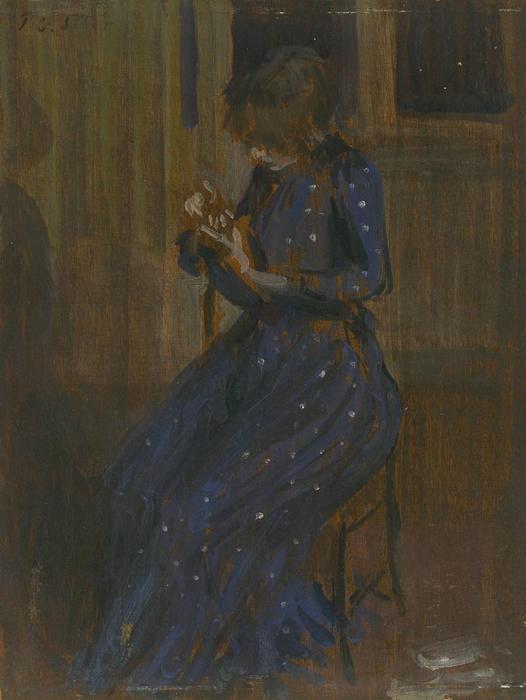
Philip Wilson Steer's “Girl in a Blue Dress,” painted around 1891, isn’t merely a portrait; it’s a carefully constructed tableau of quiet contemplation and subtle emotion. The painting captures a young woman seated on a simple wooden chair, bathed in the diffused light of an interior space – likely a study or parlor – that hints at both domestic comfort and a certain melancholic restraint. It's a work that speaks volumes through its restraint, inviting viewers to ponder her thoughts and the story hinted at within this single, frozen moment.
Steer, a pivotal figure in British Impressionism, was deeply influenced by the artistic currents of Paris during his formative years. He absorbed the techniques of artists like Manet and Monet, particularly their ability to capture fleeting moments of light and atmosphere. However, Steer developed a distinctly personal style, characterized by a luminous palette, delicate brushwork, and an acute sensitivity to the psychological nuances of his subjects. “Girl in a Blue Dress” exemplifies this approach perfectly – it’s not a dramatic depiction but rather a subtle exploration of mood and character.
The Language of Color and Light
Steer masterfully employs color to establish the painting's atmosphere. The dominant hue, of course, is blue—a rich, velvety shade that envelops the figure and the surrounding space. This isn’t a bright, cheerful blue; it’s muted, almost somber, suggesting introspection or perhaps a hint of sadness. The interplay of light and shadow is equally crucial. The soft illumination, seemingly emanating from an unseen window, casts gentle highlights on the girl's dress and hands, drawing attention to her delicate features while simultaneously obscuring details, creating a sense of mystery. Notice how Steer uses broken color—small dabs and strokes rather than solid blocks—to create a shimmering effect, mimicking the play of light on fabric.
The technique itself is remarkably refined. Steer’s brushwork is loose yet controlled, conveying both spontaneity and precision. He employs short, broken strokes to build up form and texture, particularly in the folds of the dress. The layering of paint creates a remarkable sense of depth and luminosity, as if the scene were imbued with an inner light. This attention to detail—the subtle variations in tone, the delicate rendering of fabric—is what elevates “Girl in a Blue Dress” beyond a simple likeness.
A Portrait of Quietude and Symbolism
The girl herself is remarkably enigmatic. She’s not gazing directly at the viewer; instead, she's absorbed in a small book or perhaps a collection of photographs – an object that hints at her interests and inner life. Her posture is relaxed yet poised, suggesting a quiet confidence and self-awareness. The simple wooden chair, the muted colors, and the lack of overt ornamentation all contribute to the painting’s sense of understated elegance.
Some art historians have suggested that the blue dress itself holds symbolic significance, perhaps representing melancholy or introspection – fitting with the overall mood of the piece. The book she holds could be interpreted as a window into her thoughts and dreams, offering a glimpse beyond the surface appearance. The presence of another figure partially visible in the background adds to this sense of mystery, suggesting a hidden narrative or a complex relationship.
A Timeless Appeal
“Girl in a Blue Dress” is more than just a beautiful painting; it’s a poignant meditation on beauty, solitude, and the complexities of human emotion. Steer's ability to capture such subtle nuances of feeling through his masterful use of color, light, and brushwork has ensured its enduring appeal. It remains a captivating work that continues to resonate with viewers today, inviting us to contemplate the quiet moments of our own lives.
Reproductions of this exquisite painting offer a wonderful opportunity to bring Steer’s evocative vision into your home or office. ArtsDot provides high-quality hand-painted reproductions that faithfully capture the original's luminous beauty and emotional depth, allowing you to experience the magic of “Girl in a Blue Dress” for years to come.
関連作品
アーティストの略歴
生い立ちと芸術的基盤
1860年、バーケンヘッドに生まれたフィリップ・ウィルソン・スティアーは、芸術一家の出身でした。父は肖像画家であり、熱心な美術教師でもありました。幼少期からのこの環境は彼の人生を決定づける感受性を育み、後の彼の芸術的道を形作ることになります。3歳という若さでモンマス近くのウィッチュurchに移り住んだことで、彼はイギリスの田園風景との繋がりを深め、その影響は彼の作品全体に響き渡ります。正式な教育はヒレフォード大聖堂学校から始まり、基礎的な素養を身につけた後、本格的に芸術への道を追求しました。スティアーの修行はグロスター美術学校とサウス・ケンジントン・ドラウィングスクールで続けられましたが、1880年から1884年までのパリ滞在が真に転換点となりました。アカデミー・ジュリアンで学び、後にエコール・デ・ボザールのアレクサンドル・カバネルのもとで研鑽を積んだ彼は、新しいアイデアや絵画へのアプローチに満ち溢れた世界に出会いました。印象主義の受容と独自のスタイル
パリはスティアーの芸術的成長のためのるつぼとなりました。彼はエドゥアール・マネとジェームズ・マクニール・ホイッスラーの作品に深く感銘を受け、光、色彩、大気を捉える革新的な技法を吸収しました。この経験は彼の中に印象主義への情熱を燃え上がらせましたが、彼は単にそれを模倣することはありませんでした。スティアーはこれらのフランスの影響を、彼の生まれ持ったイギリスの感覚と巧みに融合させ、他に類を見ない独自のスタイルを築き上げました。彼の絵画は、移ろいゆく瞬間を捉える驚くべき能力によって特徴づけられます—水面での太陽光の戯れ、海岸の空気の儚さなどです。彼は緩やかな筆致と鮮やかな色彩を用い、単に風景を描写するだけでなく、感情を引き出し、没入感のある臨場感を創り出しました。彼の作品には、銀色で半透明な光に包まれたビーチシーンや海景が繰り返し登場し、これらの環境の新鮮さと輝きを見事に表現しています。初期の作品である「音楽室」は、構成と光に対する彼の実力を示しており、サフォークの海岸都市の活気に満ちたエネルギーを捉えた「ワルバースウィック桟橋で走る少女たち」のような作品は、彼の才能が開花したことを物語っています。近代美術の擁護者とエタプルの影響
スティアーは絵を描くだけに満足せず、積極的にイギリスの芸術的景観を形作りました。彼はニュー・イングリッシュ・アート・クラブの設立に重要な役割を果たし、伝統的な趣味が依然として支配的だった時代において、現代的な芸術表現を擁護する組織でした。このプラットフォームと1889年のロンドン印象派展を含む王立アカデミーでの定期的な展示会を通じて、彼は新しいアイデアを紹介し、従来の規範に挑戦しました。1887年にエタプル美術植民地で過ごした時間は、彼の芸術的ビジョンをさらに洗練させました。この活気に満ちたアーティストコミュニティは、実験と協力を刺激する環境を提供し、光と大気を捉える能力を高めました。スティアーはジョン・コンスタブル、J.M.W.ターナー、さらにはフランソワ・ブーシェなど、多様な巨匠からインスピレーションを得ましたが、常にこれらの影響を彼自身のユニークな視点を通して解釈しました。遺産、評価、そして永続的な影響
フィリップ・ウィルソン・スティアーは健康上の問題により1940年に絵を描くのをやめざるを得なくなり、2年後の81歳で亡くなりました。彼の功績は生前に広く認められ、メリット勲章が授与されました。今日、彼の作品はテートギャラリーやウフィツィ美術館を含む世界中の著名なコレクションに収蔵されており、国際的な評価の証となっています。絵画そのものだけでなく、スティアーの遺産は、スレード美術学校での長年の絵画講師としての活動にも及びます。彼は長年にわたり、若い世代のアーティストに技術的なスキルだけでなく、観察力と芸術的誠実さへの深い理解を教え込みました。イギリスにおける印象主義の開発と受容への彼の貢献は否定できず、伝統と近代性を巧みに架橋し、イギリス美術の風景に永続的な足跡を残した重要な人物としての地位を確立しています。「病者」のような作品は、豊かな質感と感動的な視線が特徴であり、「ラドローのテム川」は、穏やかな美しさと卓越した筆致を強調しており、彼の芸術的ビジョンの時代を超越した質を示しています。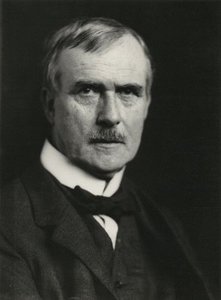
フィリップ・ウィルソン・スティアー
1860 - 1942 , イギリス
基本情報
- Artistic Movement Or Style: 印象派
- Artists Or Movements Influenced By This Artist: ['イギリス印象派']
- Artists Who Influenced This Artist:
- マネ
- ウィスラー
- コンスタブル
- Date Of Birth: 1860年
- Date Of Death: 1942年
- Full Name: フィリップ・ウィルソン・スティアー
- Nationality: イギリス人
- Notable Artworks (List Of Titles):
- 音楽の部屋
- 少女達の走る姿
- 療養中
- Place Of Birth (City And Country): バーケンヘッド, イギリス
関連記事
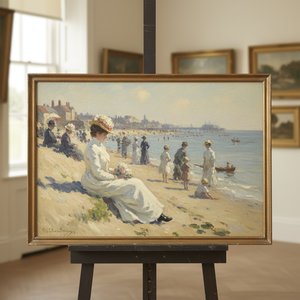
Philip Wilson Steer: Capturing Modern Life & British Impressionism's Essence
Explore the life & art of Philip Wilson Steer, a leading British Impressionist painter. Discover his coastal scenes, influences, and legacy. Expert analysis & high-quality reproductions at ArtsDot.
Slate Blue Masterpieces: 10 Iconic Paintings & Timeless Home Decor Ideas
Immerse yourself in the captivating world of slate blue! Explore 10 iconic paintings by Monet, Van Gogh & Renoir. Discover their stories, techniques & find museum-quality art reproductions for your home at .

Serene Blue Backgrounds: Discover Soulful Art to Transform Your Space with Timeless Elegance
Transform your home with soulful blue art. From serene Monet impressions to modern textured sculptures, discover curated masterpieces designed to inspire calm. Explore expert art consultations and bespoke hand-painted reproductions to create your personal sanctuary.
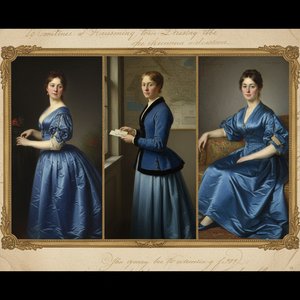
Azure Visions: Exploring Representations of the Blue Dress in Western Art History
Explore the rich history of the blue dress in Western art! Discover its symbolism, from Renaissance masterpieces to modern interpretations by artists like Martin & Schiele. Uncover cultural meanings and artistic techniques.
The Allure of Azure: Exploring the Symbolic & Aesthetic Depths of Blue in Art History
Explore the rich history of blue in art! Discover its symbolism, from ancient pigments to modern masterpieces by Kandinsky & Seurat. Uncover the psychological impact and cultural meanings behind this captivating hue.