

 プレビュー
プレビュー
 シェアする
シェアする シェアする
シェアする
 詳細を見る
詳細を見る

 ダウンロード
 似ている作品
 X線調査
X線調査 スライドショー
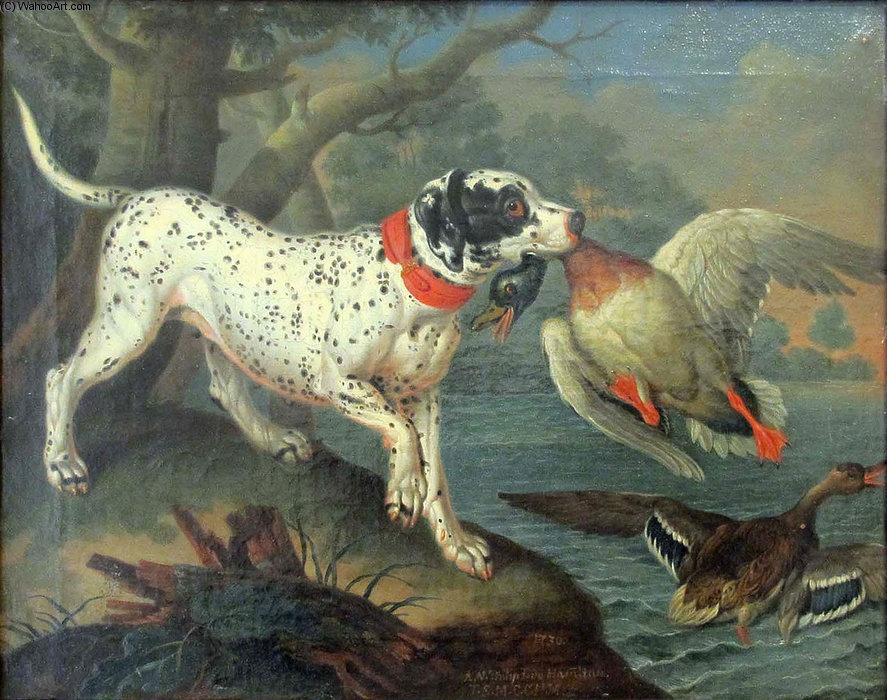
Anatre Selvatiche Cacciate Da Un Cane

 詳細を見る
詳細を見る
ジークレー/アートプリント
迅速な制作と多彩な仕上げオプションを備えた、ミュージアムクオリティのジークレーまたはキャンバスプリント。 ( 手描きの絵画を購入 画像を購入)




































作品のオリジナル比率に合わせた、当店の規定サイズからお選びください。

特定のフレームやスペースに合わせて、ご自身でサイズを指定することも可能です。選択されたサイズが元の画像の比率と一致しない場合、作品をトリミングするか、鏡面反射または単色での塗りつぶしによって画像を拡張いたします。制作を開始する前に、ご確認用のデジタルモックアップをお送りいたします。
画面上のプレビューには、実際のトリミングや拡張は反映されませんのでご注意ください。最終的な構図を正確に確認できるのは、モックアップのみとなります。
カスタムサイズも承っておりますが、元の比率を維持するためには、あらかじめ用意されたリストからサイズを選択することをお勧めいたします。


 ガラスオプションは、110cm未満のサイズでのみご利用いただけます。

Anatre Selvatiche Cacciate Da Un Cane
ジークレー/アートプリント
複製画のサイズ
-


合計金額
$ 62
関連作品
アーティストの略歴
Philipp Ferdinand de Hamilton: A Viennese Hunter’s Vision
Born in Brussels around 1664, Philipp Ferdinand de Hamilton emerged as a significant figure in 18th-century European art, primarily known for his captivating depictions of hunting scenes. His life and artistic journey were deeply intertwined with the legacy of his father, James de Hamilton, a Scottish painter who instilled in him the foundational skills and passion for capturing the natural world. De Hamilton’s career unfolded largely within the vibrant court circles of Austria, particularly during his tenure as a court painter from 1705 to 1750 in Vienna – a period that profoundly shaped his artistic style and subject matter.
The early influence of James de Hamilton is undeniable. Like his father, Philipp inherited a strong tradition of still life painting, but he quickly distinguished himself through his masterful renderings of wildlife and the dramatic narratives inherent in hunting expeditions. His work reflects a keen observation of animal behavior combined with an understanding of composition and light – elements honed under his father’s tutelage. The brothers' shared artistic lineage is further evidenced by similarities in their style, particularly in the detailed portrayal of animals and the use of rich, earthy tones characteristic of Flemish painting.
Vienna: A Crucible for Artistic Development
Vienna provided a fertile ground for de Hamilton’s artistic development. The city's court was a hub of cultural activity during this period, attracting artists from across Europe. De Hamilton’s time as a court painter allowed him to immerse himself in the refined tastes and expectations of the aristocracy, influencing his subject matter and compositional choices. His paintings frequently depicted scenes of aristocratic hunts – a popular pastime among the Viennese elite – offering glimpses into their lifestyle and social customs. These weren't merely depictions of hunting; they were carefully staged narratives designed to showcase skill, wealth, and connection with nature.
Furthermore, Vienna’s artistic environment fostered experimentation and innovation. While rooted in Flemish traditions, de Hamilton’s work demonstrates a growing awareness of contemporary trends, including the Baroque emphasis on dramatic lighting and dynamic movement. His compositions often feature a sense of immediacy and action, capturing the fleeting moments of pursuit and capture.
The Language of Hunting Scenes
De Hamilton's fame rests primarily on his hunting scenes, but these were more than just depictions of sport; they were carefully constructed visual narratives. He meticulously rendered each element – from the proud posture of the hounds to the wary expressions of the prey – conveying a sense of realism and drama. The inclusion of human figures within the scenes highlights the role of skill, strategy, and social status in the pursuit of game. The animals themselves are portrayed with remarkable detail, showcasing de Hamilton’s deep understanding of their anatomy and behavior.
Consider his work, “Dead Game,” a dramatic still life that exemplifies this approach. The arrangement of the fallen fox and ducks is not arbitrary; it's carefully orchestrated to create a sense of pathos and contemplation – a reminder of the cycle of life and death inherent in the natural world. Similarly, "Anatre Selvatiche Cacciate Da Un Cane" (Wild Animals Hunted by a Dog) captures the energy and excitement of the hunt with dynamic brushstrokes and a strong sense of movement.
Family Legacy and Continuing Influence
De Hamilton’s artistic career was inextricably linked to that of his brother, Johann Georg de Hamilton. While Philipp focused primarily on hunting scenes, Johann specialized in similar subjects, often emphasizing the beauty and grandeur of the forest landscape. The brothers' shared interests and stylistic similarities suggest a collaborative spirit within their family – a legacy of artistic training and mutual inspiration. Karl Wilhelm de Hamilton, another member of this artistic lineage, further expanded upon these themes, demonstrating the enduring appeal of depicting wildlife and aristocratic pursuits.
Philipp Ferdinand de Hamilton’s work continues to resonate today, offering a valuable window into 18th-century European art and culture. His paintings are testaments to his skill as an artist and his ability to capture the essence of both the natural world and the social customs of his time. His legacy lives on through reproductions like those offered by ArtsDot.com, allowing audiences worldwide to appreciate the beauty and artistry of this remarkable painter.
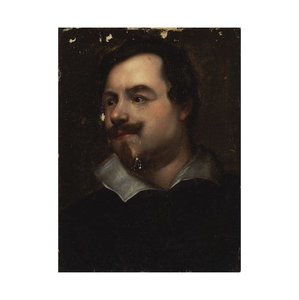
Philipp Ferdinand de Hamilton
1664 - 1750 , Belgium
基本情報
- Artistic Movement Or Style: Hunting scenes
- Artists Or Movements Influenced By This Artist: ['Karl Wilhelm de Hamilton']
- Artists Who Influenced This Artist: James de Hamilton
- Date Of Birth: c. 1664
- Date Of Death: 1750
- Full Name: Philipp Ferdinand de Hamilton
- Nationality: Flemish
- Notable Artworks:
- Dead Game
- Still Life...
- Anatre Selvatiche...
- Place Of Birth: Brussels, Belgium
関連記事
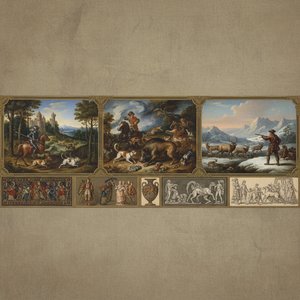
The Pursuit of Power & Prestige: Hunting Scenes in Western Art
Explore the rich history of hunting scenes in Western art, from royal pursuits to powerful allegories. Discover masterpieces & expert insights for discerning collectors. ArtsDot offers museum-quality reproductions.
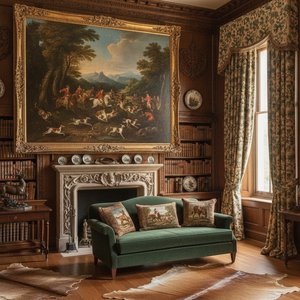
Capturing the Chase: Infusing Interiors with the Dramatic Grandeur of Historical Hunting Scene Artworks
Transform your space with the dramatic grandeur of hunting scene art. ArtsDot.com offers exquisite, hand-painted oil reproductions of Baroque landscapes and custom historical portraits. Discover museum-quality craftsmanship and bespoke artistry to bring timeless prestige to your home.
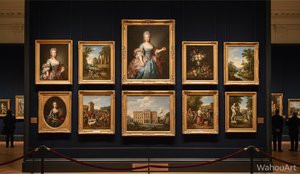
18th Century Masters: 10 Artworks That Define an Era | ArtsDot
Journey through 18th century art! Explore 10 iconic paintings – from Rococo elegance to Neoclassical grandeur. Discover Fragonard, David & more. Find museum-quality reproductions and elevate your home decor on ArtsDot.com.
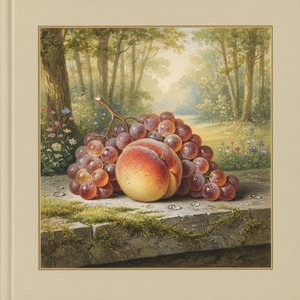
William Henry Hunt: Luminosity & Detail in Early 19th-Century Watercolour Painting
Explore the captivating watercolour paintings of William Henry Hunt (1790-1864). Discover his mastery of naturalistic detail, luminous technique & influence on 19th-century art. Learn about collecting Hunt's work and its enduring value.
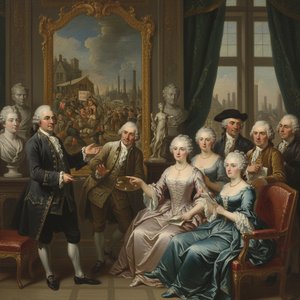
Reflections of an Age: Social Commentary & Artistic Representation in 18th-Century Society
Explore the social commentary & artistic representation of 18th-century society. Discover Rococo masterpieces, portraiture's power, and shifting historical perspectives. Expert insights for art lovers.