 プレビュー
プレビュー
 プリントを購入
 シェアする
シェアする シェアする
シェアする
 詳細を見る
詳細を見る

 ダウンロード
 似ている作品
 X線調査
X線調査 スライドショー
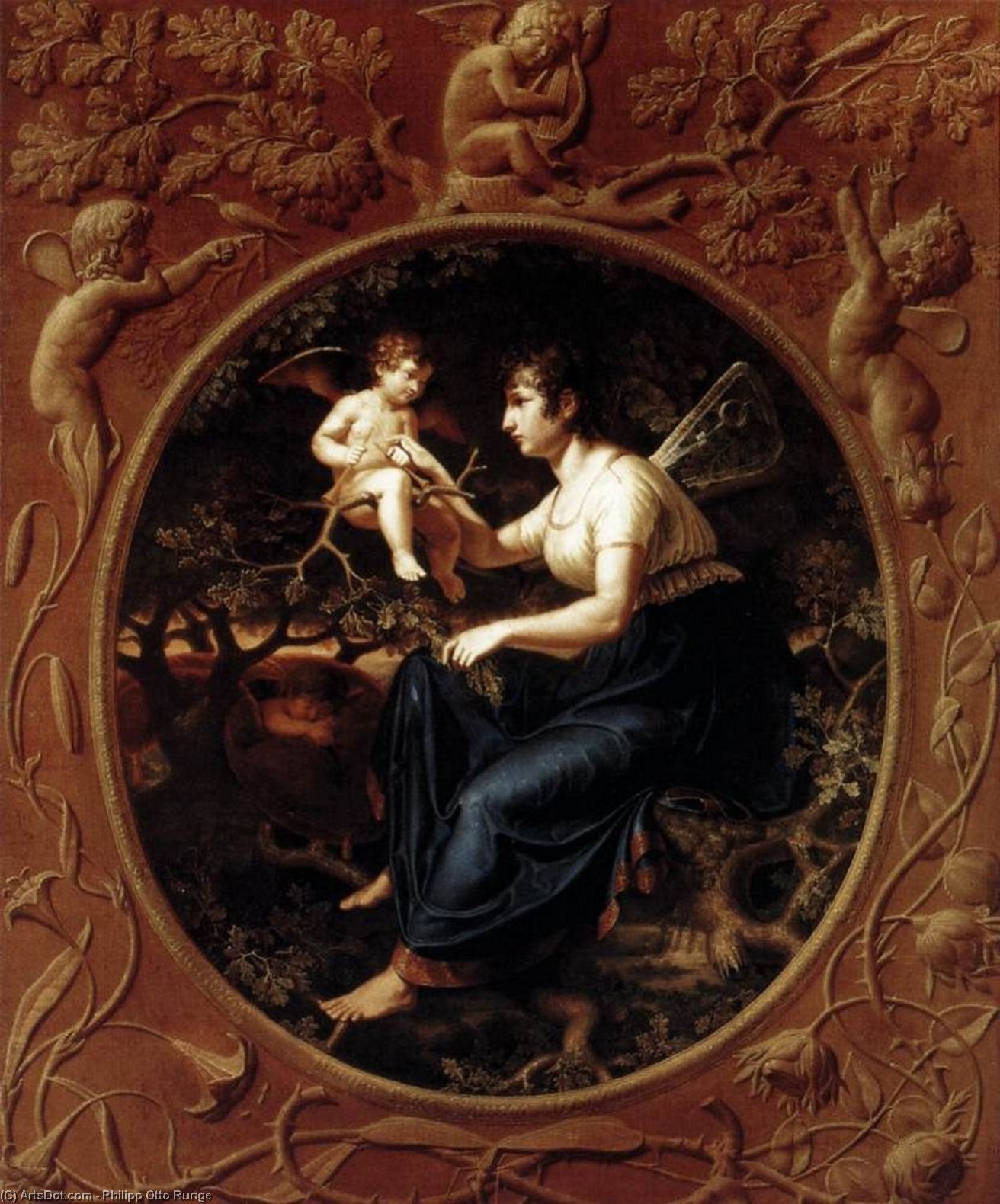
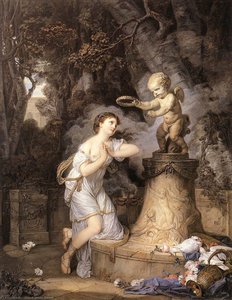
The Lesson of the Nightingale
 Acrylic On Canvas
- WallArt
- German Romanticism
 1804
1804 105.0 x 86.0 cm
 ハンブルク美術館
 詳細を見る
詳細を見る




P118B $10

P118H $10

P118W $10

P438Z $10

P508JH $12

P508YH $12

P805H $10

P805Z $10

P919BZ $10

P919G $10

P919XJ $10

P959ZH $10

P968JZ $12

W106C $8

W218G $10

W218JH $8

W218Y $10

W307PJ $10

W316G $10

W316PJ $8

W316Y $10

W398PJ $8

W4111J $10

W500HY $15

W500JH $15

W692G $12

W849H $8

W940BG $15

W953PJ $8




作品のオリジナル比率に合わせた、当店の規定サイズからお選びください。

特定のフレームやスペースに合わせて、ご希望のサイズをご入力いただけます。選択されたサイズが元の画像の比率と異なる場合、アートワークをトリミングするか、手描きで要素を追加して絵画を拡張いたします。デジタルモックアップ を制作し、制作開始前にご確認(承認)をいただきます。
画面上のプレビューは、実際のトリミングや拡張を正確に反映しているものではありません。最終的な構図は、モックアップによってのみ正確にご確認いただけます。
カスタムサイズもご利用いただけますが、元の比率を維持するためには、あらかじめ用意されたリストからサイズを選択することをお勧めいたします。
ご注文後、ArtsDot.com チームより詳細な指示をお送りするとともに、仕上がりイメージ(モックアップ)をご提供いたします。


 ガラスオプションは、110cm未満のサイズでのみご利用いただけます。

The Lesson of the Nightingale
複製技法
複製画のサイズ
-


合計金額
$ 263
作品解説
A Vision of Childhood and Spiritual Harmony
Philipp Otto Runge’s “The Lesson of the Nightingale,” painted in 1804-05, isn't merely a depiction of a serene woodland scene; it’s a profound meditation on childhood innocence, spiritual yearning, and the delicate balance between nature and humanity. Born into a family steeped in shipbuilding tradition yet nurtured by an artistic sensibility, Runge sought to transcend the conventional landscape painting of his time, aiming instead for a symbolic language that resonated with the burgeoning spirit of German Romanticism. This particular work, created during a period of intense personal reflection and philosophical inquiry, embodies this ambition brilliantly – it’s a visual poem brimming with layered meaning.
The scene itself is deceptively simple: a young woman, radiating an almost ethereal beauty, cradles a baby in her arms. She sits upon the earth, surrounded by lush vegetation and bathed in a soft, diffused light. Yet, within this apparent tranquility lies a complex web of symbolism. The woman’s wings, subtly suggested rather than overtly displayed, immediately evoke associations with angels or nymphs – figures representing divine grace and nurturing power. The setting is not a specific location but a carefully constructed allegory, designed to represent the soul's journey towards enlightenment. Runge himself described it as an attempt to present contemporary philosophy in art, drawing heavily from the writings of Jakob Boehme and other mystical thinkers.
Color and Symbolism: A Language of Light
Runge’s masterful use of color is central to the painting's evocative power. He eschewed the bright, vibrant hues favored by earlier landscape painters in favor of a muted palette dominated by greens, browns, and blues – colors associated with nature, tranquility, and introspection. However, within this restrained scheme, he employs subtle shifts in tone and hue to create a sense of depth and atmosphere. The light filtering through the trees is particularly noteworthy, casting dappled shadows that suggest both warmth and mystery. The inclusion of three birds—one perched near the top-left corner, another at the bottom-right, and a third above the woman’s head—further enriches the symbolic landscape. These avian figures aren't simply decorative elements; they represent messengers of spiritual wisdom, echoing the central theme of learning and guidance.
The presence of two other figures on the left and right sides of the image adds another layer to the composition. They are often interpreted as representing the past and future, or perhaps the conscious and unconscious mind. The careful arrangement of these elements—the woman, the child, the birds, and the secondary figures—creates a harmonious whole, suggesting a state of equilibrium and spiritual fulfillment. The painting’s title itself, “The Lesson of the Nightingale,” alludes to a fable by Friedrich Klopstock, in which a nightingale teaches Cupid (Love) how to sing, illustrating the importance of finding one's voice and expressing oneself authentically.
A Window into Romanticism
“The Lesson of the Nightingale” is a quintessential example of German Romantic art. It reflects the movement’s fascination with nature, spirituality, and the power of imagination. Unlike the classical emphasis on reason and order, Romantic artists sought to capture the emotional intensity of experience and explore the mysteries of the human soul. Runge's work embodies these ideals through its symbolic language, evocative atmosphere, and profound sense of spiritual yearning. His artistic practice was deeply intertwined with his philosophical beliefs, and “The Lesson of the Nightingale” serves as a testament to this intellectual and aesthetic convergence.
Furthermore, Runge’s innovative approach to landscape painting—his deliberate avoidance of traditional perspective and his emphasis on symbolic representation—prefigured many of the developments in Romantic art that would emerge in subsequent decades. His work stands as a poignant reminder of a brief but brilliant artistic career cut short by illness, yet one that left an enduring legacy on the history of European art.
関連作品

アーティストの略歴
内なるビジョンに照らされた生涯
ドイツ・ロマン主義の芽生えとともに響く名前、フィリップ・オットー・ルンゲ。彼の短い生涯は、その深遠さと独創性に反するものでした。1777年、スウェーデン領ポメラニア地方のヴォルガストで生まれ、造船業に携わる家系とプロイセン貴族との繋がりを持つルンゲの幼少期は病気に苦しみ、彼の芸術的探求を深く形作る思索的な性格を育みました。この肉体的な脆弱な時期はまた、彼が生涯を通じて続けた*ハサミを使ったシルエット*という才能を育み、その卓越した精度で形式と感情を蒸留する天性の能力の証となりました。彼の正式な訓練は他の多くの画家よりも遅れて始まり、最初はハンブルクにある弟ダニエルの会社での商業見習いからでした。しかし、芸術的表現への衝動はあまりにも強く、1800年にコペンハーゲンに渡り、イェンス・ユールの指導のもとで絵画を学び始めました。これがルンゲがドイツでもっとも革新的で精神的に駆動力のあるアーティストへと向かう旅の真の始まりでした。ロマン主義的象徴主義の夜明け
1801年にドレスデンに移り住んだことが、ルンゲの芸術的発展に大きな影響を与えました。ここでは、カスパール・ダーヴィト・フリードリヒやルートヴィヒ・ティークといった重要な人物と出会いました。また、この時期にパウリーネ・バッセンゲと出会い、1804年に結婚しました。この頃から、ヤコブ・ベーメの神秘的な著作への関心が高まり、宇宙の隠された調和を探求する彼の哲学は、ルンゲ自身の精神的な傾倒と深く共鳴しました。転換期となったのは1803年、偶然ワイマールでヨハン・ヴォルフガング・フォン・ゲーテと出会ったことでした。彼らは色彩理論や芸術表現という共通の関心に基づいた友情を築きました。この出会いは変革的なものであり、ルンゲは芸術における象徴的な言語をさらに深く探求し、万物の相互接続性を探求することを促しました。彼の初期作品は、新古典主義的な抑制から離れ、個人的な意味合いが込められた感情的に充電された風景や肖像画へと変化し始めました。例えば、*ヒュルゼンベックの子どもたち*(1805)は単なる肖像画ではなく、家族の親密さと幼少期の無邪気さを描いた感動的な作品であり、ほぼ幽玄な品質で表現されています。宇宙的言語としての色彩
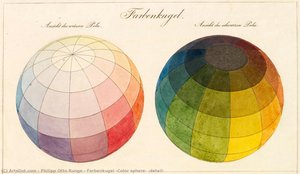
ルンゲが最も永続的に残した遺産は、彼の画期的な色彩理論の研究にあります。彼は色彩が単なる視覚現象ではなく、私たちの現実の認識を形作り、神聖な秩序を反映する基本的な力であると信じていました。この信念は、1810年に彼が結核で33歳という若さで早逝する直前に発表した*Farben-Kugel*(色彩球)の開発につながりました。色彩球は単なる科学的な論文ではありませんでした。それは、白と黒が反対の極を表し、青、黄、赤といった原色がキリスト教三位一体を象徴するように、色のスペクトル全体を3次元の形にマッピングしようとした試みでした。青は神と夜を、赤は朝、夕方、イエスを、そして黄色は聖霊を表していました。ルンゲの綿密な円盤混合実験は、彼の理論的枠組みを裏付けるための実証的なサポートを提供しようとしたものであり、色彩が調和のとれたブレンドによって広大な色合いを生み出すことができることを示しました。この探求は孤立したものではなく、彼の芸術的実践と絡み合っており、絵画やスケッチにおける色彩の象徴的な使用に影響を与えました。‘一日の時’の未完の交響曲
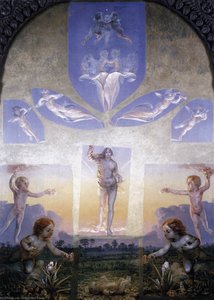
ルンゲは、絵画、詩、音楽、建築を統一された感覚体験に融合させた*Gesamtkunstwerk*(総合芸術作品)を構想しました。この野心は、1803年に始まった彼の連作*Tageszeiten*(一日の時)において最も壮大な表現を見ました。このプロジェクトは、朝、正午、夕方、夜を表す4つの巨大な絵画で構成され、それぞれが音楽と詩を伴い、特別に設計された建物内で鑑賞されるように意図されていました。「朝」のバージョンは2つしか完成していませんが、サイクル全体のスケッチは、ルンゲの象徴主義に対する深い理解と、時間の精神的な本質をとらえようとする願望を示しています。これらの作品は伝統的な風景画からの脱却であり、自然に宗教的および感情的な重要性を付与しました。彼は単に外部世界を描こうとしたのではなく、その内なる調和と神聖な存在を伝えようとしました。このコンセプトはその時代には革命的であり、後の抽象芸術やマルチメディア・インスタレーションの発展を予見していました。永続的な影響
彼のキャリアは病気によって短く中断されましたが、フィリップ・オットー・ルンゲがドイツ・ロマン主義と現代美術の発展に与えた影響は否定できません。彼の色彩理論の研究は、バウハウス運動に関連する世代のアーティストに影響を与えました。象徴主義と感情表現への彼の強調は、後の表現主義画家への道を開きました。ルンゲの科学的探求、精神的な信念、そして芸術的革新のユニークなブレンドは、今もなお人々を魅了し、刺激し続けています。彼は依然として美術史における重要な人物であり、人間の認識の深淵と宇宙の神秘を探求することを恐れなかった先見性のあるアーティストです。彼の作品は単なる絵画ではありません。それは内なるビジョンへの窓であり、私たちに万物の深遠な相互接続性を熟考するよう誘います。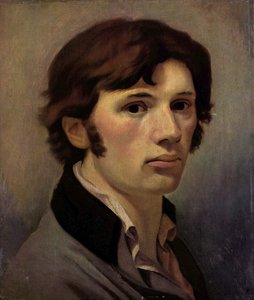
フィリップ・オットー・ルンゲ
1777 - 1810 , ドイツ
基本情報
- Artistic Movement Or Style: ロマン主義
- Artists Or Movements Influenced By This Artist: ['カスパール・ダーヴィト・フリードリヒ']
- Artists Who Influenced This Artist:
- ヤコブ・ベーメ
- ヨハン・ヴォルフガング・フォン・ゲーテ
- Date Of Birth: 1777年
- Date Of Death: 1810年
- Full Name: フィリップ・オットー・ルンゲ
- Nationality: ドイツ人
- Notable Artworks (List Of Titles):
- ヒュルゼンベックの子どもたち
- 大いなる朝
- 色彩球
- Place Of Birth (City And Country): ヴォルガスト、ドイツ
関連記事
Unveiling Hidden Meanings: Allegory in Western Art History
Explore the rich history of allegory in Western art! Discover hidden meanings in masterpieces from Giotto to Bosch & beyond. Expert insights for collectors and enthusiasts at ArtsDot.
The Evocative Brushstroke: Exploring Emotion, Individuality & the Sublime in Romanticism's Artistic Landscape
Explore the passionate world of Romanticism! Discover masterpieces by Friedrich & Goya, delve into the sublime, and understand the movement's lasting impact on art history. Expert analysis & insights at ArtsDot.
ロマン主義を彩る至宝:時代を象徴する10大名作の世界
ロマン主義を代表する10大名作を紐解く!ドラクロワ、ルーベンスなど巨匠たちの情熱と色彩が息づく世界。時代を超えて愛される傑作の物語を深く探求し、お部屋に彩りを添える高品質なアートプリントを見つけましょう。ArtsDot.comで全ての作品を発見してください。
The Sublime and the Sensual: Exploring Emotion & Individuality in Romanticism's Artistic Revolution
Explore the passionate world of Romanticism! Discover masterpieces by Friedrich & Goya, delve into the sublime, and understand the movement's lasting impact on art history. Expert analysis & insights.
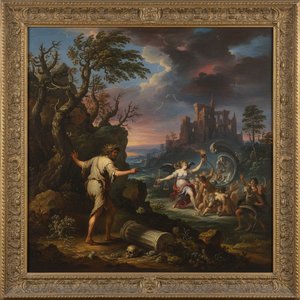
Salvator Rosa: A Baroque Rebel's Vision of Landscape, Allegory & the Human Condition
Explore the captivating world of Salvator Rosa, a rebellious Baroque master. Discover his dramatic landscapes, allegorical paintings & lasting influence on Romanticism. Hand-painted reproductions available at ArtsDot.