

 プレビュー
プレビュー
 プリントを購入
 シェアする
シェアする シェアする
シェアする
 詳細を見る
詳細を見る

 ダウンロード
 似ている作品
 X線調査
X線調査 スライドショー
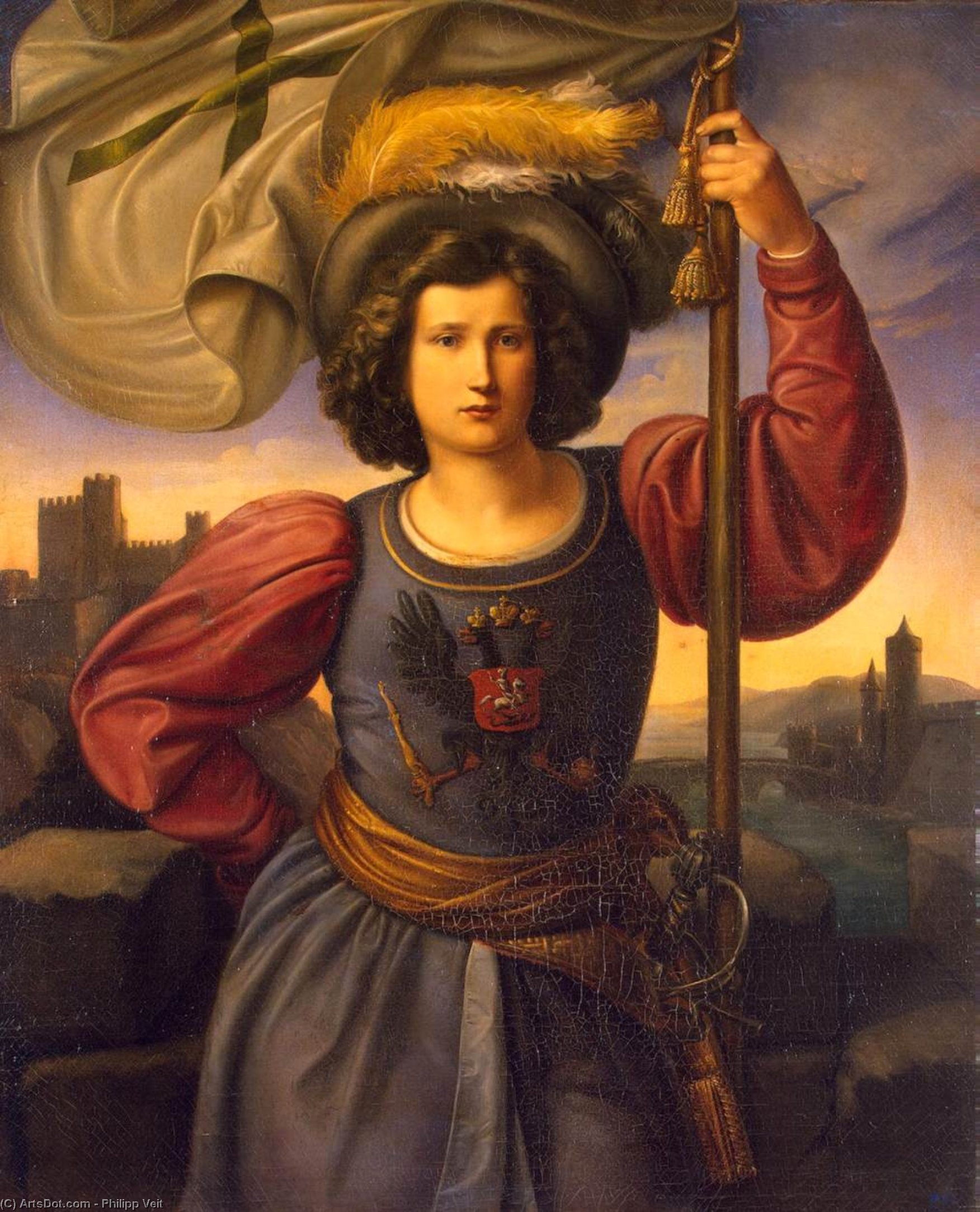
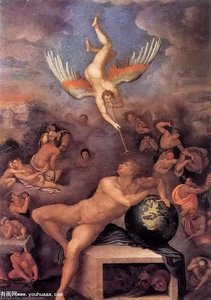
Allegory of Russia
 Oil On Canvas
- WallArt
- Romanticism
 1840
1840- 19th Century
 121.0 x 91.0 cm
 エルミタージュ美術館
 詳細を見る
詳細を見る




P118B $10

P118H $10

P118W $10

P438Z $10

P508JH $12

P508YH $12

P805H $10

P805Z $10

P919BZ $10

P919G $10

P919XJ $10

P959ZH $10

P968JZ $12

W106C $8

W218G $10

W218JH $8

W218Y $10

W307PJ $10

W316G $10

W316PJ $8

W316Y $10

W398PJ $8

W4111J $10

W500HY $15

W500JH $15

W692G $12

W849H $8

W940BG $15

W953PJ $8




作品のオリジナル比率に合わせた、当店の規定サイズからお選びください。

特定のフレームやスペースに合わせて、ご希望のサイズをご入力いただけます。選択されたサイズが元の画像の比率と異なる場合、アートワークをトリミングするか、手描きで要素を追加して絵画を拡張いたします。デジタルモックアップ を制作し、制作開始前にご確認(承認)をいただきます。
画面上のプレビューは、実際のトリミングや拡張を正確に反映しているものではありません。最終的な構図は、モックアップによってのみ正確にご確認いただけます。
カスタムサイズもご利用いただけますが、元の比率を維持するためには、あらかじめ用意されたリストからサイズを選択することをお勧めいたします。
ご注文後、ArtsDot.com チームより詳細な指示をお送りするとともに、仕上がりイメージ(モックアップ)をご提供いたします。


 ガラスオプションは、110cm未満のサイズでのみご利用いただけます。

Allegory of Russia
複製技法
複製画のサイズ
-


合計金額
$ 263
作品解説
Allegory of Russia: A Romantic Vision Embodied in Oil Paint
The painting “Allegory of Russia,” attributed to Philipp Veit (1793-1877), stands as a testament to the Romantic movement’s fascination with national identity and its embrace of bold artistic expression. Created in 1840, this monumental canvas—measuring 121 x 91 cm—captures a complex symbolic representation of Russia during its formative years under Tsar Nicholas I, reflecting both aspirations for grandeur and anxieties about European influence. Veit’s masterful technique—characterized by thick impasto brushstrokes and vibrant color palettes—elevates the artwork beyond mere visual depiction into an immersive experience that speaks to the spirit of its time.- Subject Matter: The central figure is a woman draped in opulent robes, holding aloft a banner emblazoned with the imperial Russian flag – a deliberate allusion to the nation’s ambition for unity and prestige amidst the turbulent political landscape of Europe.
- Style & Technique: Veit's approach aligns closely with Nazarene painting, prioritizing spiritual depth and emotional intensity over academic realism. The artist skillfully employed oil paint on canvas, utilizing layering and blending techniques to achieve remarkable textural richness and luminosity.
- Historical Context: Painted during Nicholas I’s reign (1825-1855), “Allegory of Russia” reflects the anxieties surrounding Russia's perceived vulnerability to Western powers. The depiction of fortified castles symbolizes defense against external threats, mirroring the Tsar’s policies aimed at consolidating national power and preserving traditional values.
- Symbolism: Beyond its literal representation, the painting is laden with symbolic significance. The woman embodies Russia as a noble matriarch—a figure of strength and resilience—while the flag signifies patriotism and allegiance to imperial authority. The castles represent fortified defenses against foreign intrusion.
- Emotional Impact: Veit’s emotive brushwork conveys a palpable sense of grandeur and solemn contemplation, inviting viewers to contemplate the nation's destiny and its role in European affairs. It is an artwork that resonates with themes of faith, duty, and national pride—elements central to Romantic idealism.
Philipp Veit: A Pioneer of Fresco Revival
Philipp Veit (1793-1877) emerged as a prominent figure in German Romanticism, championing the revival of fresco painting – a technique that had fallen out of favor during the Neoclassical era. Unlike many of his contemporaries who favored polished surfaces and idealized forms, Veit sought to recapture the expressive power of Byzantine art, prioritizing textural depth and vibrant color harmonies. His artistic vision was profoundly influenced by biblical iconography and spiritual contemplation, resulting in paintings imbued with a palpable sense of solemnity and emotional resonance.- Early Life & Artistic Training: Born in Berlin, Veit received an exceptional education—primarily focused on theology and art history—which shaped his intellectual pursuits and artistic sensibilities.
- Notable Works: Veit’s oeuvre includes numerous religious scenes depicting biblical narratives with dramatic flair and meticulous detail. His paintings are distinguished by their bold color palettes and masterful use of impasto, creating surfaces that pulsate with life and conveying profound spiritual emotion.
- Nazarene Movement Leadership: Veit spearheaded the Nazarene movement—a group of German artists who deliberately rejected academic conventions in favor of a more spiritually informed aesthetic. This movement aimed to reinvigorate Christian art by returning to Byzantine models and prioritizing expressive color and texture.
The Hermitage’s Acquisition & Artistic Significance
“Allegory of Russia” entered the Hermitage Museum's collection in 1861, originating from the Ropsha Palace—a lavish estate commissioned by Empress Alexandra Feodorovna as a symbol of Russian grandeur and cultural prestige. The painting exemplifies Veit’s commitment to Romantic ideals—specifically, the pursuit of national identity alongside engagement with European artistic traditions. Its inclusion within the Hermitage underscores its enduring importance as a masterpiece of German Romanticism and a compelling visual representation of Russia's aspirations during Nicholas I’s reign.- Provenance: The painting’s journey from Ropsha Palace to the Hermitage reflects the museum’s dedication to preserving cultural heritage and showcasing exceptional artworks from across Europe.
- Hermitage Exhibition: “The State Hermitage Museum” hosted a dedicated exhibition focusing on Veit's artistic legacy, highlighting his contribution to the Nazarene movement and celebrating his masterful depiction of Russia as a noble matriarch—a figure embodying strength and resilience.
Ocean’s Bridge Reproduction: Bringing Artistic Brilliance Home
Ocean’s Bridge offers meticulously crafted oil painting reproductions of “Allegory of Russia,” ensuring that Veit Philipp's artistic vision is accessible to collectors worldwide. Each reproduction adheres to the highest standards of quality—employing skilled artisans who utilize traditional techniques and premium materials to faithfully recreate the original artwork's textures, colors, and emotional impact. Ocean’s Bridge’s commitment to authenticity guarantees that you receive a piece of art history—a stunning visual testament to Romantic idealism and Veit Philipp’s unparalleled artistic skill.関連作品


アーティストの略歴
アレクサンダー・ロズリン:肖像画とロココの輝きを極めたスウェーデンの巨匠
1718年7月15日、スウェーデンのマルメローに生まれたアレクサンダー・ロズリンは、18世紀後半のヨーロッパ美術界において極めて重要な存在でした。レンブラントやレイノルズといった同時代の巨匠たちにしばしば影を潜めがちでしたが、ロズリンが体現した古典主義的な抑制とロココの奔放さが見事に融合した肖像画は、並外れた心理的深みと技術的な輝きを放っていました。彼のキャリアは数十年間にわたり広がり、スウェーデンやロシアからフランスやイタリアに至るヨーロッパ中の貴族たちに描く作品を手がけました。それは、目覚ましい適応力と、被写体の本質を見事に捉える比類なき技術を証明しています。彼は1793年7月5日にパリで世を去り、今日なお鑑賞者を魅了し続ける、精緻に描き込まれた肖像画という遺産を残しました。
初期の生活と芸術的修行
ロズリンの幼少期は、驚異的な絵画の才能に彩られていました。彼の父ハンス・ロズリンが海軍医であったこともあり、アレクサンダーはこの分野において幼い頃から並外れた適性を示しました。彼はスウェーデンのカールスクロナで、海軍士官であるラース・エレンビルらの指導のもと、正式な製図の訓練を始め、当初は海軍の製図家としてのキャリアを目指していました。しかし、彼はすぐにミニチュア絵画へとその才能を転じさせます。この技術こそが、彼の観察眼と細部へのこだわりという能力を磨き上げ、後の肖像画家としての成功に不可欠な資質となりました。当時、ストックホルムの芸術的な潮流、特に優雅さ、落ち着き、洗練された美しさを重んじた古典的な肖像画の大家であったイアシン・リゴやニコラ・ド・ラルジエールらの作品から深く影響を受けていたのです。
パリ時代:ロココの洗練と王室の庇護
1752年、ロズリンはフランスへの変革的な旅に出ます。これが彼の芸術家としてのキャリアにおいて最も重要な時期となりました。彼はパリに拠点を定め、活気あふれる芸術シーンに身を浸し、すぐに被写体の個性を捉える能力で名声を高めます。この期間に、彼は独自のスタイルを確立します。それは、古典主義の原則と、ロココ特有のきらめく色彩や遊び心あふれる装飾が見事に融合したものでした。彼はフランス社会の著名な人たちから依頼を受けました。その一人に、ジャンヌ・ソフィー・ド・ヴィニエロ・デュ・プレッシ伯爵夫人からの肖像画があり、これは後にミネアポリス美術館によって驚くべき300万ドルで収蔵されました。この時期の彼の作品は、布地、宝石、質感に対する目覚ましい理解を示しており、単なる似姿を超え、地位、富、そして個性を喚起する表現へと昇華させていたのです。
特筆すべき作品と芸術様式
ロズリンの芸術様式は、いくつかの重要な要素によって定義されています。彼は被写体の心理的な機微を描き出す並外れた能力を持っており、その感情、仕草、そして内面生活を驚くほどの繊細さで捉えていました。色彩の使用法も特筆すべき点です。彼は豊かな色調のパレットを用い、しばしば玉虫色の効果を取り入れることで、贅沢さと豪華さの感覚を生み出しました。古典主義的な抑制とロココの過剰な装飾を巧みに融合させることで、彼の肖像画は優雅でありながらダイナミックなものとなっていました。最も称賛される作品の例としては、個性の捉え方と細部への熟練度が際立つド・ヴィニエロ伯爵夫人の肖像画や、ニューヨークのメトロポリタン美術館に展示された作品群が挙げられます。彼の作品は光と影に対する深い理解を反映しており、その構図に劇的な強度を与えているのです。
遺産と歴史的意義
アレクサンダー・ロズリンが18世紀の肖像画にもたらした貢献は計り知れません。彼は技術的な熟練さと心理的な洞察力を組み合わせる比類なき能力を示し、何世紀経った今なお驚くほど魅力的であり続ける肖像画を生み出しました。同時代の作家たちほど広く認知されているわけではないかもしれませんが、彼の影響力は後世の芸術家たちの作品の中に見て取ることができます。彼の作品群は、18世紀後半のヨーロッパの社会や文化の風景を垣間見せてくれる貴重な窓であり、貴族階級の富、権力、そして芸術的な感性を映し出しています。彼の肖像画は単なる個人の描写ではありません。それらは、人間の性格の複雑さ、そして過ぎ去りし時代の憧憬を描き出した、丹念に構築された物語なのです。
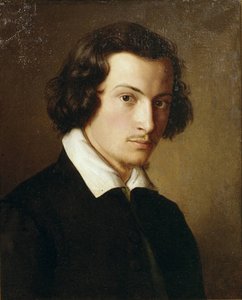
フィリップ・ヴァイト
1793 - 1877 , ドイツ
基本情報
- Artistic Movement Or Style: 古典主義とロココ
- Artists Or Movements Influenced By This Artist: ['指定なし']
- Artists Who Influenced This Artist:
- イアサン=リゴー
- ニコラ・ド・ラルジエール
- Date Of Birth: 1718年7月15日
- Date Of Death: 1793年7月5日
- Full Name: アレクサンダー・ロズリン
- Nationality: スウェーデン
- Notable Artworks:
- ジャンヌ=ソフィー・ド・ヴィニエロ
- ピニャテッリ伯爵夫人の肖像
- Place Of Birth: マルメー、スウェーデン
関連記事

The Enduring Legacy of Oil on Canvas: Technique, History & Aesthetic Impact
Explore the rich history & techniques of oil painting – from Renaissance masters to Impressionism. Discover pigments, layering methods, and why this timeless medium endures. Expert insights for artists & art enthusiasts.
Ivan Bilibin: A Synthesis of Folklore, Modernism & National Identity in Russian Illustration
Explore the enchanting world of Ivan Bilibin, a master Russian illustrator who synthesized folklore, Art Nouveau & national identity. Discover his iconic fairy tale illustrations and legacy with ArtsDot.

Oil on Canvas: A Historical & Technical Exploration of a Timeless Artistic Medium
Explore the rich history & enduring techniques of oil painting on canvas. Discover the science behind its longevity, conservation practices, and contemporary relevance. Expert insights for art enthusiasts.
Victor Vasnetsov: Myth, Nationalism & the Revival of Russian Fairy Tale Painting
Explore the captivating world of Victor Vasnetsov, a co-founder of Russian folklorist painting. Discover his iconic works, influence on national identity, and lasting legacy in this expert guide.

The Enduring Power of Painting: A Historical & Contemporary Exploration of Form and Emotion
Explore the rich history & enduring techniques of oil painting with ArtsDot. Discover masterpieces, learn about art collecting, and find authentic handmade reproductions crafted by skilled artists.

