

 プレビュー
プレビュー
 プリントを購入
 シェアする
シェアする シェアする
シェアする
 詳細を見る
詳細を見る

 ダウンロード
 似ている作品
 X線調査
X線調査 スライドショー
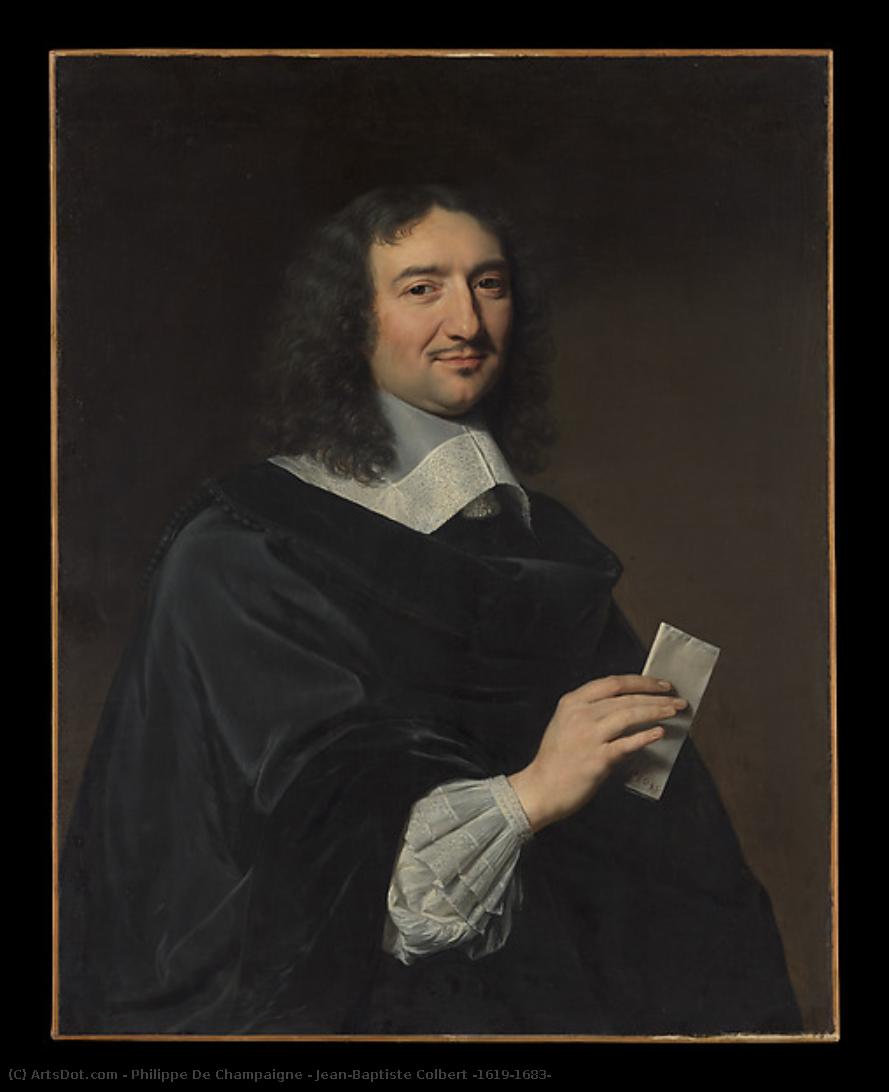
Jean-Baptiste Colbert (1619–1683)
 Oil On Canvas
- WallArt
- Baroque
 1655
1655- Early Modern
 92.0 x 72.0 cm
 メトロポリタン美術館
 詳細を見る
詳細を見る




P118B $10

P118H $10

P118W $10

P438Z $10

P508JH $12

P508YH $12

P805H $10

P805Z $10

P919BZ $10

P919G $10

P919XJ $10

P959ZH $10

P968JZ $12

W106C $8

W218G $10

W218JH $8

W218Y $10

W307PJ $10

W316G $10

W316PJ $8

W316Y $10

W398PJ $8

W4111J $10

W500HY $15

W500JH $15

W692G $12

W849H $8

W940BG $15

W953PJ $8




作品のオリジナル比率に合わせた、当店の規定サイズからお選びください。

特定のフレームやスペースに合わせて、ご希望のサイズをご入力いただけます。選択されたサイズが元の画像の比率と異なる場合、アートワークをトリミングするか、手描きで要素を追加して絵画を拡張いたします。デジタルモックアップ を制作し、制作開始前にご確認(承認)をいただきます。
画面上のプレビューは、実際のトリミングや拡張を正確に反映しているものではありません。最終的な構図は、モックアップによってのみ正確にご確認いただけます。
カスタムサイズもご利用いただけますが、元の比率を維持するためには、あらかじめ用意されたリストからサイズを選択することをお勧めいたします。
ご注文後、ArtsDot.com チームより詳細な指示をお送りするとともに、仕上がりイメージ(モックアップ)をご提供いたします。


 ガラスオプションは、110cm未満のサイズでのみご利用いただけます。

Jean-Baptiste Colbert (1619–1683)
複製技法
複製画のサイズ
-


合計金額
$ 263
The Essence of Power: A Masterpiece of French Baroque
In the grand tapestry of the seventeenth century, few images capture the intersection of political intellect and artistic majesty as profoundly as Philippe de Champaigne’s Portrait of Jean-Bapiste Colbert. Painted in 1655, this work is far more than a mere likeness of the man who would become the architect of France's economic golden age; it is a psychological study of authority. As the first Minister of Finance under King Louis XIV, Colbert was a titan of administration, and Champaigne captures this weight of responsibility through a masterful use of chiaroscuro. The subject emerges from a deep, velvety darkness, his presence commanding the viewer's attention through a subtle yet piercing gaze that suggests both a sharp intellect and an unshakeable resolve.
The composition is a triumph of Baroque balance, utilizing a pyramidal structure that places Colbert at the apex of a stable, imposing form. This geometric precision serves a symbolic purpose, mirroring the stability Colbert brought to the French treasury and the centralized power of the Bourbon monarchy. Clad in the somber, dignified attire of the era—a black suit contrasted by a crisp white collar—the sitter embodies an aristocratic elegance that eschews gaudy ornamentation in favor of a more profound, understated prestige. The muted palette of browns, creams, and deep blacks creates a timeless atmosphere, ensuring that the focus remains entirely on the character etched into the subject's face.
Technique and the Art of Light
To behold this portrait is to witness the technical virtuosity of Philippe de Champaigne, an artist whose journey from Brussels to the heart of Paris allowed him to synthesize diverse European influences. Using oil on canvas, Champaigne employs a meticulous brushwork technique that breathes life into the textures of fabric and skin. The luminosity of the paint allows for a delicate play of light across Colbert's features, creating a sense of three-dimensional depth that draws the eye inward. This careful manipulation of light and shadow does not merely illuminate the subject; it sculpts him, lending a monumental quality to his physical form.
For the discerning collector or interior designer, this piece offers an unparalleled opportunity to introduce a sense of historical gravity and sophisticated drama into a space. The painting’s ability to anchor a room with its dark, contemplative tones makes it an ideal centerpiece for libraries, executive studies, or formal galleries. It is a work that invites long periods of reflection, offering a window into the soul of the French Baroque era—a time when art was used as a deliberate instrument of statecraft and a mirror of human ambition.
関連作品



アーティストの略歴
光と影に刻まれた生涯
1602年、ブリュッセルで生まれたフィリップ・ド・シャンパーニュは、フランス・バロック絵画を代表する重要な画家として台頭しました。しかし、彼のルーツは王国国境の外にありました。彼は特権的な環境の中で育ったのではなく、芸術への才能が芽生えた謙虚な家庭で育ちました。初期の芸術的探求は、風景画家であるジャック・フーキエールのもとでの基礎訓練から始まりました。この基盤は、1621年に若きシャンパーニュがパリに足を踏み入れた際に非常に重要となりました。パリは彼の故郷となり、才能が開花するキャンバスとなる都市でした。そこで彼はニコラ・プーサンと出会い、その後の構成力とドラフティング技術を決定づける影響を受けました。リュクサンブール宮殿での初期の仕事は、ニコラ・デュシェンヌの下での装飾への貢献を通じて、彼の芸術的軌跡を設定する重要な経験となりました。それは吸収的な影響の時代であり、最終的にはバロックのドラマと独特のフランスの感性を融合させたスタイルを築き上げました。権力と信仰の筆致
シャンパーニュの名前は、宗教画と肖像画という、彼の時代の支配的な潮流を反映した二つの柱として知られるようになりました。彼のキャンバスは単なる描写ではなく、感情的な強度とバロック美学を定義する明暗法(キアロスクーロ)の巧みな表現によって注入された声明でした。荒野の聖ヒエロニムス、オメール・タロンの肖像、そして律法の石板を持つモーセは彼の技術の証であり、それぞれの筆致が人間の形と精神的な重みに深い理解を示しています。彼は小規模な作品に限定されず、ノートルダム大聖堂のために多くの絵画を制作し、複雑なディテールで大規模な構図を考案・実行する能力を示しました。しかし、リシュリュー枢機卿の連作肖像画が彼の歴史的な地位を確固たるものにしました。権力ある政治家の11の異なる側面を捉えたこれらの肖像画は、シャンパーニュの芸術的才能だけでなく、フランスで最も影響力のある人物の一人との緊密な関係も反映していました。これらは単なる似顔絵ではなく、権力と支配力を投影するように慎重に構築されたイメージでした。フランス美術の創始者
シャンパーニュは画家であるだけでなく、フランス美術界そのものの建築家でもありました。王立絵画彫刻アカデミーの創設メンバーとして、彼は芸術的訓練を形式化し、王国における卓越性の基準を確立する上で重要な役割を果たしました。この機関はフランスの芸術的アイデンティティの礎となり、バロックのダイナミズムと古典的な抑制のバランスをとる独特のスタイルを育みました。シャンパーニュはこのブレンドに大きく貢献しました。彼の影響力は自身の生涯を超えて広がり、彼が築き上げた基盤の上に構築する後世のフランス人画家たちへの道を開きました。今日、彼の作品はルーブル美術館やノートルダム大聖堂を含む世界中の著名な博物館で展示されており、彼の遺産は畏敬と賞賛を呼び起こし続けています。芸術的厳格性への献身の影響は、今日の美術教育にも依然として感じられています。進化するビジョンと精神的な深み
キャリアを通じて、シャンパーニュのスタイルは微妙ではあるものの重要な進化を遂げました。彼の後期の作品には、宗教画に特に顕著な陰鬱さと内省性が現れています。聖書の場面は単なる物語ではなく、神の恵みを強調するカトリック運動であるジャンセニズムの影響を受けて、静かな敬虔さで満たされた精神的な考察のための手段となりました。この変化は、フランス社会における宗教的熱意の高まりを反映した作品のムードと主題に現れました。彼の肖像画においても、外見だけでなく被写体の内面を描き出す新たな心理的な深みが生まれました。フィリップ・ド・シャンパーニュの芸術的旅は継続的な洗練の過程であり、知性と魂の両方に訴えかける作品へと結実しました。息子のジャン=バティスト・ド・シャンパーニュもまた画家となり、家族の芸術への献身を受け継ぎ、創造的な遺産を確かなものにしました。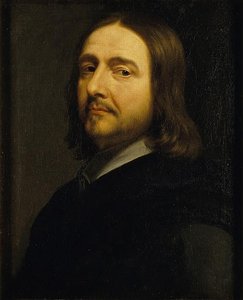
フィリップ・ド・シャンパーニュ
1602 - 1674 , オランダ
基本情報
- Artistic Movement Or Style: バロック様式
- Artists Or Movements Influenced By This Artist: ['フランス絵画']
- Artists Who Influenced This Artist: ['ニコラ・プッサン']
- Date Of Birth: 1602年
- Date Of Death: 1674年
- Full Name: フィリップ・ド・シャンパーニュ
- Nationality: フランス人
- Notable Artworks (List Of Titles):
- 聖ヒエロニモの荒野
- オメール・タロンの肖像
- モーセと十戒
- リシュリュー枢機卿
- Place Of Birth (City And Country): ブリュッセル、オランダ
関連記事

Giclée Prints: Archival Quality & Aesthetic Nuances for the Discerning Collector
Explore the world of giclée prints with ArtsDot. Learn about archival quality, aesthetic nuances & investment potential. Expert guidance for discerning art collectors seeking museum-quality reproductions and lasting value.

バロックのドラマ:現代のインテリアに壮麗さと情感を取り込む
バロック様式の歴史、絵画、家具の魅力をご紹介。ArtsDotでは、高品質な油絵複製やカスタムポートレートをご提供し、現代のインテリアに壮麗さと情感を取り入れます。アートコンサルテーションも承ります。
Simon Vouet: A Baroque Master's Journey from Italian Influence to French Classicism
Explore the life & art of Simon Vouet, a pivotal French Baroque painter who introduced Italian styles to France. Discover his masterpieces and lasting influence on 17th-century art.
Art Prints vs. Oil Paintings: A Newlywed's Guide to Curating a Timeless Home Collection
Discover how to choose between exquisite hand-painted oil reproductions and versatile art prints. Our expert guide for newlyweds helps you balance budget and beauty to curate a timeless, soulful home collection filled with meaning and lasting legacy.

Echoes of Time: Exploring the Enduring Appeal & Historical Context of Vintage Art Prints
Explore the captivating world of vintage art prints! Discover their history, collecting tips & enduring appeal. Expert insights on chromolithography and building a legacy collection with ArtsDot.