

 プレビュー
プレビュー
 シェアする
シェアする シェアする
シェアする
 詳細を見る
詳細を見る

 ダウンロード
 似ている作品
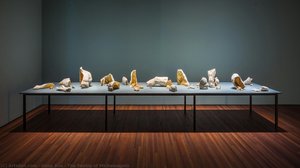
 X線調査
X線調査 スライドショー
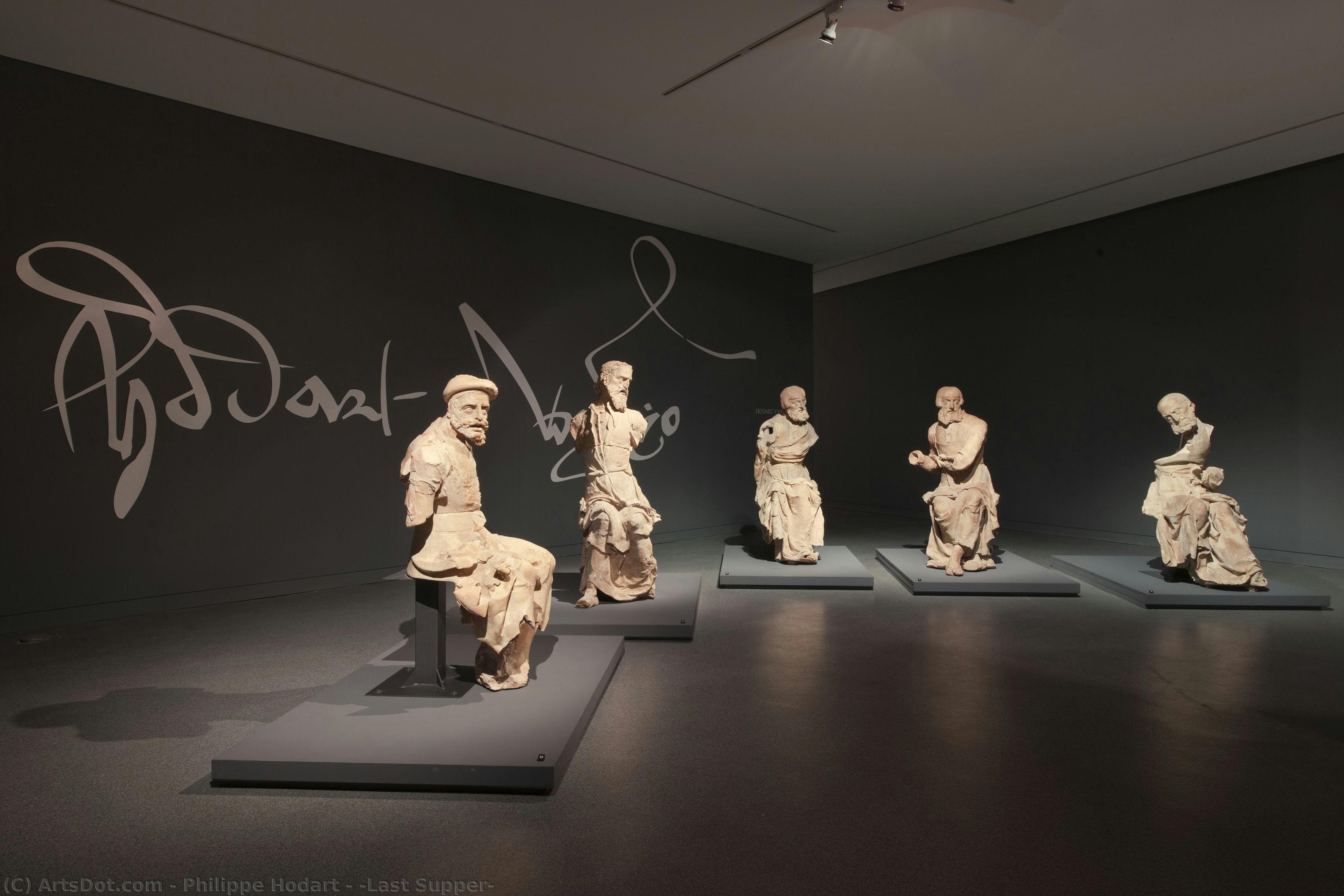
Last Supper
 1500
1500 160.0 x 58.0 cm
 Machado de Castro National Museum
 詳細を見る
詳細を見る
ジークレー/アートプリント
迅速な制作と多彩な仕上げオプションを備えた、ミュージアムクオリティのジークレーまたはキャンバスプリント。 ( 手描きの絵画を購入 画像を購入)




































作品のオリジナル比率に合わせた、当店の規定サイズからお選びください。

特定のフレームやスペースに合わせて、ご自身でサイズを指定することも可能です。選択されたサイズが元の画像の比率と一致しない場合、作品をトリミングするか、鏡面反射または単色での塗りつぶしによって画像を拡張いたします。制作を開始する前に、ご確認用のデジタルモックアップをお送りいたします。
画面上のプレビューには、実際のトリミングや拡張は反映されませんのでご注意ください。最終的な構図を正確に確認できるのは、モックアップのみとなります。
カスタムサイズも承っておりますが、元の比率を維持するためには、あらかじめ用意されたリストからサイズを選択することをお勧めいたします。


 ガラスオプションは、110cm未満のサイズでのみご利用いただけます。

Last Supper
ジークレー/アートプリント
複製画のサイズ
-


合計金額
$ 62
関連作品






アーティストの略歴
A Sculptor of Faith: The Enigmatic Life and Lasting Legacy of Philippe Hodart
The Renaissance, a period defined by rebirth and artistic flourishing, produced countless masters whose names echo through the centuries. Yet, among these luminaries stands Philippe Hodart – or Filipe Hodart as he was known in Iberia – a figure shrouded in mystery, yet indelibly marked on the landscape of European sculpture. Active primarily during the 16th century, Hodart’s life remains sparsely documented, a tantalizing puzzle for art historians. Born around 1490 in France, his journey led him to Spain and Portugal where he left behind a singular testament to his skill: a breathtaking terracotta depiction of the Last Supper. This monumental work, now housed within the Museu Nacional de Machado de Castro in Coimbra, Portugal, is not merely a sculpture; it’s a powerful expression of faith rendered with remarkable naturalism and emotional depth. The scarcity of biographical details only adds to the allure surrounding Hodart, allowing his artistry to speak volumes where written records fall silent.The Last Supper: A Renaissance Masterpiece in Terracotta
Hodart's enduring fame rests almost entirely upon this extraordinary ensemble. Commissioned for the Monastery of Saint Michael in Coimbra, the terracotta figures representing Christ and his apostles are not simply representations but intensely human portrayals. The scene unfolds with a dramatic realism rarely seen in contemporary sculpture. Each apostle is imbued with distinct personality – from the shock on Judas’s face to the questioning gaze of Peter, the anguish of John leaning upon Christ's shoulder. The figures aren’t static; they are caught in moments of profound reaction, conveying the weight of betrayal and impending sacrifice. What sets Hodart apart is his masterful handling of terracotta, a medium often considered less prestigious than marble or bronze. He elevates it to an extraordinary level, achieving a nuanced texture and expressive detail that rivals works crafted from more traditional materials. The composition itself is innovative, eschewing the rigid formality common in earlier depictions of this biblical event. The apostles are grouped organically around Christ, creating a sense of intimacy and immediacy that draws the viewer into the heart of the narrative.Influences and Artistic Development
Pinpointing Hodart’s specific artistic influences proves challenging given the limited context surrounding his life. However, scholars suggest connections to the French Renaissance sculpture tradition, particularly the work of Jean Goujon and other artists who embraced classical forms and naturalistic representation. The influence of Italian Renaissance masters like Donatello and Michelangelo is also discernible, evident in Hodart’s attention to anatomical accuracy and his ability to convey psychological depth through sculptural form. It's likely that Hodart travelled extensively, absorbing diverse artistic currents before establishing himself in the Iberian Peninsula. His work demonstrates a keen understanding of both Northern European realism and Italian Renaissance ideals, forging a unique style that blended these influences into something distinctly his own. The choice of terracotta itself may reflect a pragmatic response to local materials and patronage demands, but Hodart transformed this practical consideration into an artistic triumph.Hodart’s Place in Art History
Despite the relative obscurity surrounding his personal life, Philippe Hodart occupies a significant position within the broader narrative of Renaissance art. His *Last Supper* stands as a testament to the power of sculpture to convey religious emotion and human drama. It represents a high point in terracotta artistry, demonstrating the medium’s potential for expressive nuance and technical sophistication.- The work foreshadowed later developments in Baroque sculpture
- It influenced subsequent generations of Portuguese sculptors.
- Hodart's emphasis on naturalism and emotional realism anticipated trends that would become central to the artistic movements of the 17th century.
A Lasting Enigma
The story of Philippe Hodart is ultimately one of artistic triumph over historical silence. While the details of his life may remain elusive, his *Last Supper* speaks with undeniable eloquence – a powerful reminder of the enduring human capacity for faith, emotion, and creative expression. He was not merely a sculptor; he was a storyteller in clay, capable of capturing the most profound moments of human experience with breathtaking skill and sensitivity. The mystery surrounding Hodart only deepens our appreciation for his artistry, inviting us to contemplate the life behind the work and the enduring power of art to transcend time and circumstance.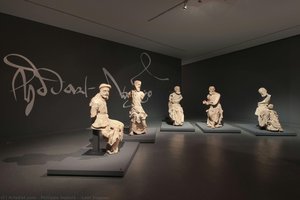
philippe hodart
France
基本情報
- Artistic Movement Or Style: Renaissance sculpture
- Current Status: Living
- Date Of Birth: c. 1490
- Full Name: Philippe Hodart
- Nationality: French
- Notable Artworks: ['The Last Supper']
- Other Names: Filipe Hodart, Odart
- Place Of Birth: France