

 プレビュー
プレビュー
 プリントを購入
 シェアする
シェアする シェアする
シェアする
 詳細を見る
詳細を見る

 ダウンロード
 似ている作品
 X線調査
X線調査 スライドショー
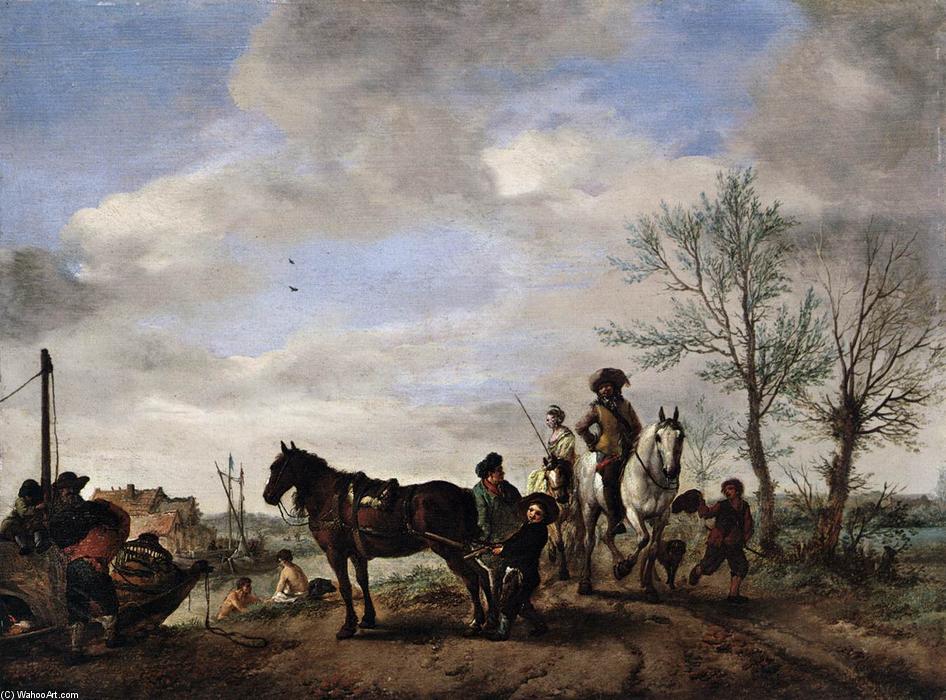
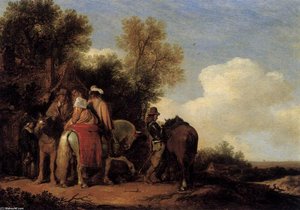
A Man and a Woman on Horseback
 Oil On Canvas
- WallArt
- Dutch Realism
 1653
1653 31.0 x 41.0 cm
 メトロポリタン美術館
 詳細を見る
詳細を見る




P118B $10

P118H $10

P118W $10

P438Z $10

P508JH $12

P508YH $12

P805H $10

P805Z $10

P919BZ $10

P919G $10

P919XJ $10

P959ZH $10

P968JZ $12

W106C $8

W218G $10

W218JH $8

W218Y $10

W307PJ $10

W316G $10

W316PJ $8

W316Y $10

W398PJ $8

W4111J $10

W500HY $15

W500JH $15

W692G $12

W849H $8

W940BG $15

W953PJ $8




作品のオリジナル比率に合わせた、当店の規定サイズからお選びください。

特定のフレームやスペースに合わせて、ご希望のサイズをご入力いただけます。選択されたサイズが元の画像の比率と異なる場合、アートワークをトリミングするか、手描きで要素を追加して絵画を拡張いたします。デジタルモックアップ を制作し、制作開始前にご確認(承認)をいただきます。
画面上のプレビューは、実際のトリミングや拡張を正確に反映しているものではありません。最終的な構図は、モックアップによってのみ正確にご確認いただけます。
カスタムサイズもご利用いただけますが、元の比率を維持するためには、あらかじめ用意されたリストからサイズを選択することをお勧めいたします。
ご注文後、ArtsDot.com チームより詳細な指示をお送りするとともに、仕上がりイメージ(モックアップ)をご提供いたします。


 ガラスオプションは、110cm未満のサイズでのみご利用いただけます。

A Man and a Woman on Horseback
複製技法
複製画のサイズ
-


合計金額
$ 313
作品解説
A Window into Dutch Rural Life: Philips Wouwerman’s “A Man and a Woman on Horseback”
Philips Wouwerman's "A Man and a Woman on Horseback," painted around 1653-54, stands as a quintessential example of Dutch Golden Age landscape painting—a genre celebrated for its meticulous observation of the natural world and its ability to convey nuanced emotions. More than just a depiction of scenery, this artwork offers a glimpse into the daily rhythms of seventeenth-century peasant life along a tranquil canal in Haarlem, Netherlands. Its enduring appeal lies not only in its visual beauty but also in the profound symbolism embedded within its composition and execution.The Scene: Rural Tranquility Captured in Detail
The painting presents a carefully constructed vista—a pathway winding through lush greenery towards a distant cluster of buildings. Dominating the foreground is a canal, reflecting the overcast sky with subtle blues and greens. At the center stands a gentleman astride a magnificent white horse, accompanied by an elegant woman seated sideaddle on a sorrel mare. These figures engage in leisurely riding—a pastime indicative of the prosperous middle class during this period—adding dynamism to the otherwise serene landscape. Scattered children are present, furthering the portrayal of familial life and reinforcing the painting’s connection to everyday existence. The artist's keen eye for detail is evident in every element: from the textured foliage of the trees to the subtle folds of clothing worn by the riders.Technique and Style: Mastering Dutch Realism
Wouwerman employed a masterful technique rooted firmly in Dutch Realism, prioritizing accuracy and observation above stylistic embellishment. Thin glazes of oil paint were layered upon canvas, creating a luminous effect that captures the diffused light of an overcast day. Loose brushstrokes contribute to the painting’s naturalistic feel, mirroring the organic forms of the landscape. Lines delineate shapes—the road, trees, boats, and figures—establishing perspective and guiding the viewer's gaze across the scene. The artist skillfully utilized tonal variations to convey depth and atmosphere, emphasizing the subdued mood characteristic of the genre. This meticulous approach aligns with the broader artistic movement that sought to represent reality as faithfully as possible.Symbolism Beyond Representation: Reflecting Societal Values
“A Man and a Woman on Horseback” transcends mere visual representation; it speaks to deeper societal values prevalent during the Dutch Golden Age. The depiction of horseback riding symbolizes status and leisure—a privilege enjoyed by those who possessed wealth and influence. However, the inclusion of children underscores the importance of family and tradition within rural communities. Furthermore, the tranquil canal setting represents harmony with nature—a core element of humanist thought that permeated artistic expression at the time. Wouwerman’s work serves as a testament to the Dutch fascination with portraying the commonplace, elevating it into something beautiful and meaningful.Emotional Resonance: A Moment Frozen in Time
Ultimately, “A Man and a Woman on Horseback” evokes a feeling of quiet contemplation—a snapshot of a moment suspended in time. The muted color palette and soft lighting contribute to this serene atmosphere, inviting viewers to immerse themselves in the scene’s tranquility. Despite its simplicity, the painting possesses considerable emotional depth, capturing not only the visual splendor of the Dutch countryside but also the spirit of an era defined by artistic innovation and humanist ideals. It remains a powerful reminder of the beauty found in everyday life and the enduring legacy of Philips Wouwerman's contribution to art history.関連作品

アーティストの略歴
フィリップス・ヴーウェルマン:オランダ黄金時代の風景と躍動
17世紀のオランダ絵画界を彩ったフィリップス・ヴーウェルマン(1619年5月24日洗礼 - 1668年5月19日没)は、狩猟風景、農村生活、そして戦場の情景を描いた画家として知られています。彼の作品は、オランダ黄金時代の活気と豊かな自然を鮮やかに映し出し、今日でも多くの人々を魅了し続けています。ハーレムで生まれたヴーウェルマンの生涯は、絵画への情熱と卓越した才能に彩られたものでした。
幼少期と芸術的素養
フィリップス・ヴーウェルマンは、画家であったパウウェルス・ヨーストズ・ヴーウェルマンの息子としてハーレムに生まれました。彼の初期の教育については詳しい記録は残っていませんが、著名な肖像画家であるフランツ・ハルス(1581/85–1666)に師事したと考えられています。ハルスの影響は直接的には見られませんが、基礎的な訓練を受けたことは間違いありません。また、初期のヴーウェルマンは、ピーター・ファン・ラール(1592/99–after 1642)のような *bamboccianti* の伝統に触れ、日常生活やジャンルの場面を描くことに影響を受けました。
芸術的発展と独自のスタイル
初期には *bamboccianti* 画家の様式を模倣していましたが、1640年代半ば頃からヴーウェルマンは独自のスタイルを確立し始めます。彼の作品に特徴的なのは、斜面が印象的に描かれ、樹木が前景として奥行きを生み出す構図です。多くの場合、馬を伴った人物たちがこれらの風景の中に配置されています。1650年代頃には、ヴーウェルマンのスタイルはさらに成熟し、ジャンルの場面、旅人たちのいる風景、騎兵戦、軍事キャンプ、農民たちの祭りなど、幅広い主題を描くようになりました。特に、様々な品種の馬を躍動感あふれる姿で表現する卓越した技術は、同時代の画家たちをも凌駕していました。美術史家フレデリック・J・デュパルクは彼を「間違いなく17世紀オランダ最高の馬の画家」と評しています。
主要な業績と遺産
ヴーウェルマンの作品は、生前より高い評価を受け、18世紀にも人気が衰えませんでした。彼の絵画はヨーロッパ各地の著名なコレクションに収められ、ドレスデンやサンクトペテルブルクの宮廷でも愛されました。その制作数は驚くほど多く、初期のカタログには約800点の作品が掲載されていましたが、後に1200点を超えるようになりました。近年の研究では、約570点が真正な作品として確認されていますが、多くの模倣者や追随者が存在することも明らかになっています。彼の兄弟であるヤン(1629–1666)とピーテル(1623–1682)も画家であり、初期にはフィリップスの作品と混同されることもありました。ピーテルは独自のスタイルを確立しましたが、ヤンはより自律的な風景画家として認められています。
歴史的意義
ヴーウェルマンの貢献は、活気あふれる市場や狩猟遠征から、劇的な戦場や穏やかな田園風景まで、幅広い場面を驚くほど詳細かつダイナミックに描き出したことにあります。馬を描写する卓越した技術と、作品の中に織り込まれたユーモラスな物語性は、彼を同時代の最も著名で影響力のある画家の一人として確固たる地位を築かせました。2009年と2010年にはカッセルとハーグで回顧展が開催され、彼の遺産は再び光彩を放ちました。ヴーウェルマンの作品は、オランダ黄金時代の精神を今に伝える貴重な文化財であり続けています。
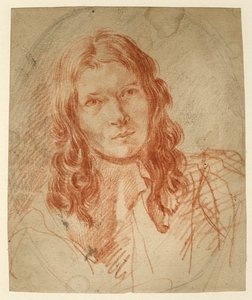
フィリップ・ウーウェルマン
1619 - 1668 , オランダ
基本情報
- Artistic Movement Or Style: オランダ黄金時代
- Artists Or Movements Influenced By This Artist:
- ヤン・ファン・ヒュクテンブルフ
- ヨセフ・ファン・ブレダール
- カレル・ファン・ファレンス
- Artists Who Influenced This Artist:
- ピーター・ファン・ラー
- フランツ・ハルス
- ヤン・ウェインツ
- Date Of Birth: 1619年5月24日
- Date Of Death: 1668年5月19日
- Full Name: フィリップス・ウーウェルマン
- Nationality: オランダ人
- Notable Artworks:
- Two Horses
- Two Horsemen at a Gipsy Encampment
- Dune Landscape with a Signal Post
- A Horse Fair near an Army Camp
- Horsepond near a Boundary Stone
- Place Of Birth (City And Country): オランダ、ハールレム
関連記事

黄金世紀の巨匠たち:バロック絵画が彩る10選|ArtsDot
オランダ黄金時代の10大傑作を紐解く!レンブラント、フェルメール…バロック絵画の魅力と時代背景を深く探求。ArtsDotで、至高のアートコレクションと空間演出のヒントを見つけよう。高品質なアートプリントで、お部屋を華やかに。
Golden Light & Dutch Skies: Bringing the Magic of Dutch Golden Age Landscapes into Your Home
Transform your home with the breathtaking light of Dutch Golden Age landscapes. Discover how hand-painted oil reproductions of masterworks like Ruisdael and Vermeer bring timeless elegance, atmosphere, and soulful texture to modern interiors. Elevate your space with museum-quality art.
Nicolaes Berchem: Dutch Golden Age Pastoralism & the Evolution of Landscape Painting
Explore the captivating world of Nicolaes Berchem, a leading Dutch Golden Age painter. Discover his idyllic landscapes, masterful technique & lasting influence on art history. Learn more at ArtsDot.
Charles Leickert: Capturing the Dutch Golden Age Light – A Comprehensive Study of Technique, Context, and Legacy
Explore the captivating winter landscapes of Charles Leickert, a master of Dutch Golden Age light & atmosphere. Discover his techniques, symbolism, and lasting legacy – a comprehensive study for art enthusiasts and collectors.

Illuminating Innovation: Exploring the Dutch Golden Age of Painting
Explore the Dutch Golden Age of painting with ArtsDot. Discover Rembrandt, Vermeer & other Masters. Learn about key characteristics, iconic artworks, and lasting influence. Expert insights for collectors & enthusiasts.

