

 プレビュー
プレビュー
 プリントを購入
 シェアする
シェアする シェアする
シェアする
 詳細を見る
詳細を見る

 ダウンロード
 似ている作品
 X線調査
X線調査 スライドショー
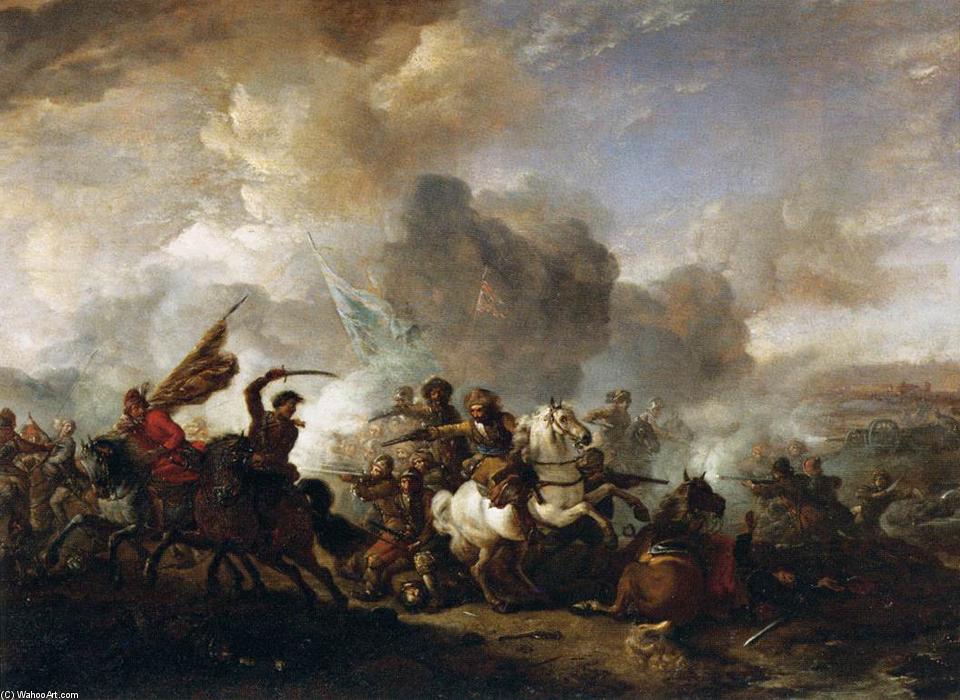
Skirmish of Horsemen between Orientals and Imperials
 Oil On Canvas
- WallArt
- Baroque
 1550
1550 34.0 x 47.0 cm
 ルーブル美術館
 詳細を見る
詳細を見る
オンラインプレビューをはるかに凌ぐ、高解像度で鮮明なデジタル画像をご購入いただけます。
各ファイルは、社内の専門家が高度なツールと熟練した手作業によるレタッチを用いて、細心の注意を払って準備されています。すべての画像において、卓越した鮮明度、正確な色彩再現性、そして繊細なディテールを保証いたします。
最終ファイルは、プロフェッショナルな編集・印刷環境ですぐにご利用いただけるよう最適化された状態で、72時間以内にメールにてお届けいたします。これは、一流のデザインスタジオ、出版社、ギャラリーから信頼されているものと同等の品質です。
デジタル画像のご注文に付随する特典
高品質なデジタル画像配信を、確かな品質で。
ArtsDot.com を選ぶことは、単に画像を手に入れることではありません。それは、プロの手によって精密に仕上げられ、満足保証が付いた高品質なデジタルアートワークを受け取ることを意味します。ご注文いただいた際に自動的に付随する内容は、以下の通りです:

メールですぐにお届け
ご注文から72時間以内に、高解像度のデジタル画像ファイルがメールでお手元に届きます。すぐにそのままご利用いただけます。

AI技術で最適化されたデジタルファイル
お客様の作品は、高度なAIツールと専門家による手作業の編集を組み合わせてプロフェッショナルに最適化されており、細部のディテール、鮮明さ、そして正確な色再現性を最大限に引き出しています。

一生涯無料の再送サービス
ファイルを誤って削除したり、紛失してしまったりしましたか?ご安心ください。いつでも無料で再送いたします。

輸入手数料は一切かかりません
関税や手数料、配送料を気にすることなく、お気に入りのアートワークをすぐにお楽しみいただけます。デジタルダウンロードは常に免税です。

色彩再現の保証
プロ仕様のツールとカラーマネジメント技術を用いることで、デジタル画像が元の色を最大限に忠実に再現することを保証いたします。

60日間満足保証
ご購入いただいたデジタル画像にご満足いただけない場合は、60日以内であれば、修正または100%の返金(理由を問う必要はありません)をさせていただきます。

100% 返金保証
ご満足いただけない場合は、デジタルファイルを受け取ってから60日以内であれば、理由を問わず全額返金いたします。

まとめ買い割引
3枚購入で10%OFF - 5枚購入で15%OFF - 10枚以上購入で20%OFF。クリエイティブなプロジェクト、ギャラリー、エージェンシーに最適です。
作品の詳細
A Chaotic Symphony of Steel and Color: Philips Wouwerman’s “Skirmish of Horsemen”
Philips Wouwerman's "Skirmish of Horsemen between Orientals and Imperials," painted around 1550-60s, isn’t merely a depiction of battle; it’s a visceral plunge into the heart of conflict. This dynamic Baroque masterpiece, now housed within the Louvre Museum in Paris, captures a moment of intense chaos and brutal beauty, offering a compelling glimpse into the military strategies and societal tensions of its era. The painting immediately assaults the viewer with its sheer density – a teeming field alive with charging horses, clashing swords, and the fallen bodies of warriors representing both Eastern and Western armies. It’s a scene designed to evoke not just observation, but a profound sense of immersion in the violence unfolding before one's eyes.
Baroque Drama: Light, Movement, and Emotional Intensity
Wouwerman was a master of the Baroque style, and this work exemplifies his signature approach. The composition is relentlessly energetic, driven by diagonal lines created by the charging horses and the scattered bodies. Heavy brushstrokes dominate the canvas, lending a sense of immediacy and urgency to the scene. Light plays a crucial role, dramatically slashed across the battlefield, highlighting key figures and creating pools of deep shadow that emphasize the horror and confusion of war. The artist doesn’t shy away from depicting the gruesome realities of combat – severed limbs, bloodied armor, and expressions of agony are all rendered with unflinching realism. This isn't a romanticized portrayal of heroism; it’s a stark reminder of the devastating cost of conflict.
Symbolism in the Battlefield: Flags, Armor, and the Cost of Victory
Beyond the immediate spectacle of violence, “Skirmish of Horsemen” is rich with symbolic elements. The prominent flag being carried aloft by a mounted figure represents leadership and the pursuit of victory – a potent symbol of ambition and power. The varied armor styles worn by the soldiers hint at the diverse origins of the opposing forces, suggesting a clash of cultures and ideologies. Notice also the fallen warriors; their scattered bodies underscore the immense human cost of war, transforming individual lives into casualties in a grand, destructive drama. The inclusion of both Eastern and Western armies adds another layer of complexity, hinting at broader geopolitical tensions and power struggles.
Technique and Materials: Oil on Wood – A Foundation for Drama
Wouwerman’s choice of medium—oil paint on wood—contributed significantly to the painting's dramatic effect. Oil paints allowed him to achieve a remarkable level of detail, capturing the textures of armor, clothing, and horsehair with astonishing accuracy. The impasto technique – applying thick layers of paint – adds considerable physicality to the work, creating a sense of depth and volume that draws the viewer into the scene. The rough texture of the wood panel beneath the paint further enhances this tactile quality, grounding the fantastical elements of the battle in a tangible reality. It’s a testament to Wouwerman's skill that he could transform such a demanding medium into a vehicle for such intense emotional expression.
A Window into 16th-Century Warfare and Artistic Vision
“Skirmish of Horsemen” offers a valuable window into the military practices and social dynamics of 16th-century Europe. It reflects a period marked by constant warfare, shifting alliances, and intense competition for power. Wouwerman’s depiction of battle transcends mere documentation; it's an artistic interpretation that captures the psychological impact of conflict – the fear, the chaos, and the brutal reality of human violence. Today, this painting continues to resonate with viewers, reminding us of the enduring relevance of its themes and the profound power of art to confront difficult truths.
関連作品



作家の略歴
フィリップス・ヴーウェルマン:オランダ黄金時代の風景と躍動
17世紀のオランダ絵画界を彩ったフィリップス・ヴーウェルマン(1619年5月24日洗礼 - 1668年5月19日没)は、狩猟風景、農村生活、そして戦場の情景を描いた画家として知られています。彼の作品は、オランダ黄金時代の活気と豊かな自然を鮮やかに映し出し、今日でも多くの人々を魅了し続けています。ハーレムで生まれたヴーウェルマンの生涯は、絵画への情熱と卓越した才能に彩られたものでした。
幼少期と芸術的素養
フィリップス・ヴーウェルマンは、画家であったパウウェルス・ヨーストズ・ヴーウェルマンの息子としてハーレムに生まれました。彼の初期の教育については詳しい記録は残っていませんが、著名な肖像画家であるフランツ・ハルス(1581/85–1666)に師事したと考えられています。ハルスの影響は直接的には見られませんが、基礎的な訓練を受けたことは間違いありません。また、初期のヴーウェルマンは、ピーター・ファン・ラール(1592/99–after 1642)のような *bamboccianti* の伝統に触れ、日常生活やジャンルの場面を描くことに影響を受けました。
芸術的発展と独自のスタイル
初期には *bamboccianti* 画家の様式を模倣していましたが、1640年代半ば頃からヴーウェルマンは独自のスタイルを確立し始めます。彼の作品に特徴的なのは、斜面が印象的に描かれ、樹木が前景として奥行きを生み出す構図です。多くの場合、馬を伴った人物たちがこれらの風景の中に配置されています。1650年代頃には、ヴーウェルマンのスタイルはさらに成熟し、ジャンルの場面、旅人たちのいる風景、騎兵戦、軍事キャンプ、農民たちの祭りなど、幅広い主題を描くようになりました。特に、様々な品種の馬を躍動感あふれる姿で表現する卓越した技術は、同時代の画家たちをも凌駕していました。美術史家フレデリック・J・デュパルクは彼を「間違いなく17世紀オランダ最高の馬の画家」と評しています。
主要な業績と遺産
ヴーウェルマンの作品は、生前より高い評価を受け、18世紀にも人気が衰えませんでした。彼の絵画はヨーロッパ各地の著名なコレクションに収められ、ドレスデンやサンクトペテルブルクの宮廷でも愛されました。その制作数は驚くほど多く、初期のカタログには約800点の作品が掲載されていましたが、後に1200点を超えるようになりました。近年の研究では、約570点が真正な作品として確認されていますが、多くの模倣者や追随者が存在することも明らかになっています。彼の兄弟であるヤン(1629–1666)とピーテル(1623–1682)も画家であり、初期にはフィリップスの作品と混同されることもありました。ピーテルは独自のスタイルを確立しましたが、ヤンはより自律的な風景画家として認められています。
歴史的意義
ヴーウェルマンの貢献は、活気あふれる市場や狩猟遠征から、劇的な戦場や穏やかな田園風景まで、幅広い場面を驚くほど詳細かつダイナミックに描き出したことにあります。馬を描写する卓越した技術と、作品の中に織り込まれたユーモラスな物語性は、彼を同時代の最も著名で影響力のある画家の一人として確固たる地位を築かせました。2009年と2010年にはカッセルとハーグで回顧展が開催され、彼の遺産は再び光彩を放ちました。ヴーウェルマンの作品は、オランダ黄金時代の精神を今に伝える貴重な文化財であり続けています。
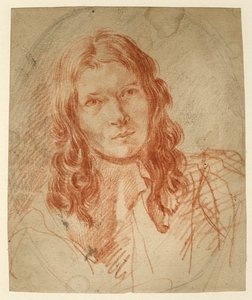
フィリップ・ウーウェルマン
1619 - 1668 , オランダ
プロフィール概要
- Artistic Movement Or Style: オランダ黄金時代
- Artists Or Movements Influenced By This Artist:
- ヤン・ファン・ヒュクテンブルフ
- ヨセフ・ファン・ブレダール
- カレル・ファン・ファレンス
- Artists Who Influenced This Artist:
- ピーター・ファン・ラー
- フランツ・ハルス
- ヤン・ウェインツ
- Date Of Birth: 1619年5月24日
- Date Of Death: 1668年5月19日
- Full Name: フィリップス・ウーウェルマン
- Nationality: オランダ人
- Notable Artworks:
- Two Horses
- Two Horsemen at a Gipsy Encampment
- Dune Landscape with a Signal Post
- A Horse Fair near an Army Camp
- Horsepond near a Boundary Stone
- Place Of Birth (City And Country): オランダ、ハールレム

