

 シェアする
シェアする シェアする
シェアする
 詳細を見る
詳細を見る

 ダウンロード
 似ている作品
 スライドショー
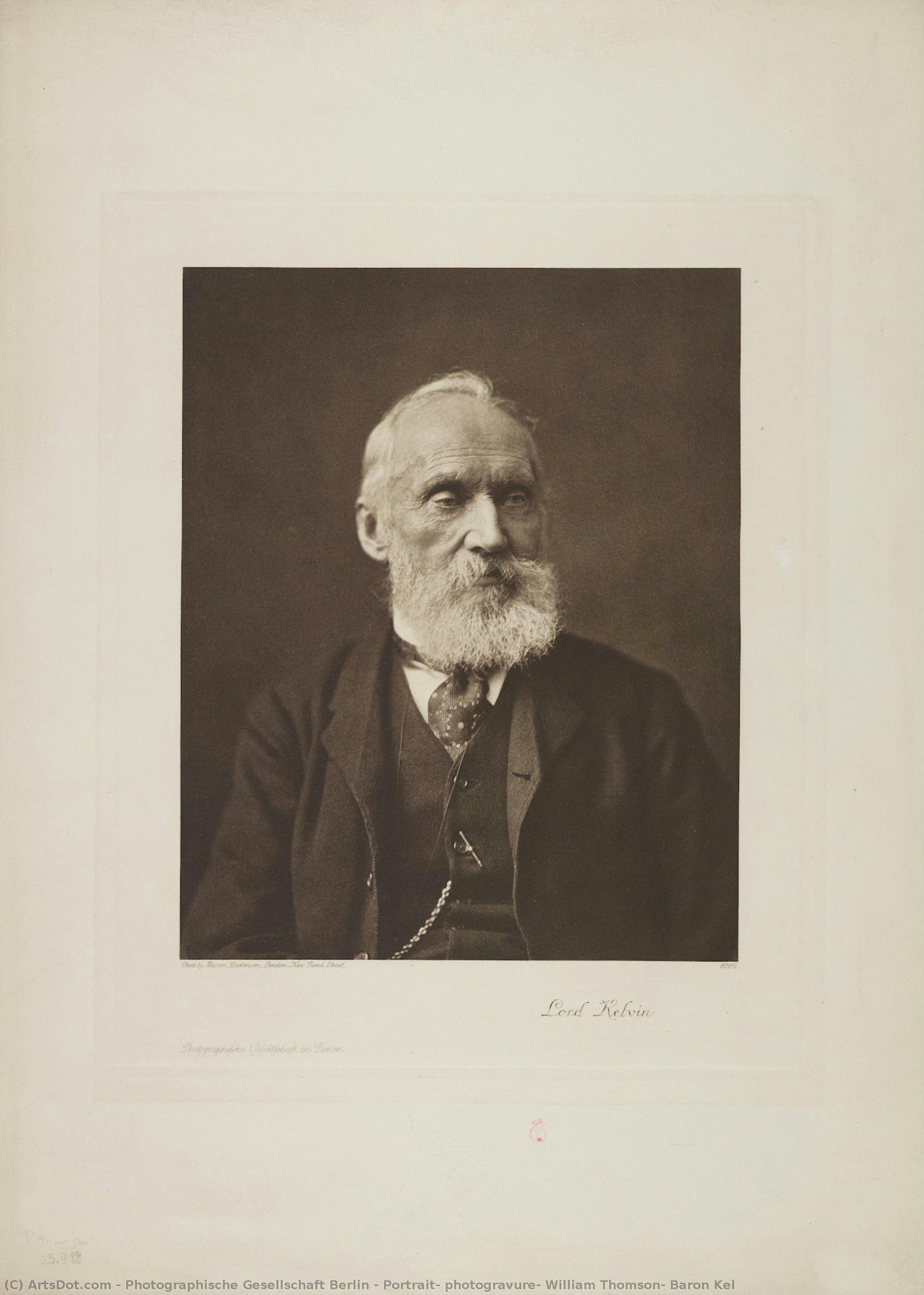
Portrait, photogravure, William Thomson, Baron Kel


 詳細を見る
詳細を見る
ジークレー/アートプリント
迅速な制作と多彩な仕上げオプションを備えた、ミュージアムクオリティのジークレーまたはキャンバスプリント。 ( 手描きの絵画を購入 画像を購入)




































作品のオリジナル比率に合わせた、当店の規定サイズからお選びください。

特定のフレームやスペースに合わせて、ご自身でサイズを指定することも可能です。選択されたサイズが元の画像の比率と一致しない場合、作品をトリミングするか、鏡面反射または単色での塗りつぶしによって画像を拡張いたします。制作を開始する前に、ご確認用のデジタルモックアップをお送りいたします。
画面上のプレビューには、実際のトリミングや拡張は反映されませんのでご注意ください。最終的な構図を正確に確認できるのは、モックアップのみとなります。
カスタムサイズも承っておりますが、元の比率を維持するためには、あらかじめ用意されたリストからサイズを選択することをお勧めいたします。


 ガラスオプションは、110cm未満のサイズでのみご利用いただけます。

Portrait, photogravure, William Thomson, Baron Kel
ジークレー/アートプリント
複製画のサイズ
-


合計金額
$ 62
A Window Into Victorian Intellect: The Portrait of William Thomson
The Photographische Gesellschaft Berlin’s output represents more than just photographic documentation; it embodies a fervent pursuit of elevating photography to the realm of fine art. This remarkable portrait, meticulously crafted in photogravure around 1919, offers a rare glimpse into the life and intellect of Sir William Thomson, later Baron Kelvin – a titan of Victorian science and engineering. The image transcends a simple likeness, becoming a carefully constructed tableau that speaks volumes about the era’s fascination with scientific progress, societal standing, and the burgeoning power of visual representation.
The photograph itself is a testament to the photogravure process—a technique demanding immense skill and patience. Unlike the immediate results achievable through albumen printing, photogravure involved creating a reversed image on a copper plate using a photographic negative, then meticulously etching it with acid. This painstaking method yielded astonishingly rich tonal gradations and unparalleled detail, capturing the subtle nuances of texture in Thomson’s suit, the weight of his gaze, and the dignified lines etched upon his face. The resulting print possesses an almost velvety quality, a tangible demonstration of the medium's capacity to reproduce photographic realism with exceptional depth and subtlety.
The Man Behind the Numbers: Contextualizing Thomson
William Thomson’s life was inextricably linked to the defining scientific advancements of his time. Known as “Lord Kelvin,” he made groundbreaking contributions to thermodynamics, electromagnetism, and naval engineering. He served as President of the Royal Society and held numerous prestigious positions, embodying the intellectual leadership of Victorian Britain. The photograph captures him not merely as a scientist, but as a symbol of national pride – a man who had shaped the technological landscape of his era. The backdrop, bearing his name, subtly reinforces this symbolic weight, positioning him within the hallowed halls of scientific achievement.
Furthermore, the portrait reflects the broader cultural anxieties and aspirations of the period. The late 19th and early 20th centuries witnessed a growing belief in science as the key to unlocking progress and solving humanity’s problems. Thomson, representing this ethos, embodies the Victorian ideal of the rational, objective mind – a figure whose intellect was believed to hold the answers to complex challenges. The formality of his attire and pose speaks to the importance placed on decorum and respectability within scientific circles.
Symbolism in Detail: A Study in Restraint
Beyond its technical brilliance, the portrait is rich with subtle symbolic details. Thomson’s serious expression conveys a sense of profound contemplation – an intellectual engagement that demands careful observation. The dark suit, impeccably tailored, signifies his status and authority, while the tie, neatly knotted, suggests order and discipline. The lighting, carefully controlled to minimize glare and highlight key features, directs the viewer's attention to Thomson’s face, emphasizing his intelligence and gravitas.
Notably, the photograph eschews overt displays of emotion or personality. This deliberate restraint is characteristic of portraiture during this period, reflecting a belief that true character could be revealed through actions and achievements rather than outward expressions. The composition itself—a straightforward frontal view—further reinforces this sense of objectivity, presenting Thomson as an exemplar of rational thought and scientific rigor.
A Legacy in Print: Reproduction and Artistic Resonance
The Photographische Gesellschaft Berlin’s photogravures remain highly prized today not only for their technical mastery but also for their evocative power. Reproductions of this portrait offer a unique opportunity to experience the beauty and sophistication of early photographic art, transporting viewers back to a pivotal moment in the history of visual culture. Whether displayed in a private collection or incorporated into an interior design scheme, this image serves as a potent reminder of Victorian intellectualism, scientific innovation, and the enduring legacy of one of Britain’s greatest minds.
関連作品
関連記事

Beyond the Lens: Photography's Enduring Influence on Modern & Contemporary Art
Explore photography's pivotal role in shaping modern & contemporary art. Discover key movements, influential artists like Stieglitz, and expert collecting advice from ArtsDot.

Monochrome Visions: Exploring the Aesthetic & Historical Significance of Black & White Photography
Explore the rich history & artistic power of black and white photography. From early techniques to iconic masters like Ansel Adams, discover why monochrome continues to captivate art lovers today. Expert insights for collectors.

Pictorialism: A Search for Artistic Photography's Soul – Aesthetics, Techniques & Legacy
Explore the captivating world of Pictorialism – a pivotal movement that transformed photography into fine art. Discover key artists like Stieglitz & Käsebier, techniques, and collecting tips from experts.

Witnessing History Through Lens & Light: Documentary Photography's Enduring Legacy
Explore the powerful history of documentary photography – from its origins to contemporary masters like Gordon Parks & W. Eugene Smith. Discover how this art form shapes our understanding of society and witness pivotal moments in time.
ベルリン国立美術館の至宝25選:名画と芸術の物語 | ArtsDot
ベルリン国立美術館の至宝25選。ネフェルティティ像、ペルガモン祭壇など、名画と芸術作品の物語を紐解きます。シンケルの建築美も堪能。ArtsDot.comで高品質な複製画やインテリアアートを探求し、お部屋に永遠の輝きを。

