

 シェアする
シェアする シェアする
シェアする
 詳細を見る
詳細を見る

 ダウンロード
 似ている作品
 スライドショー
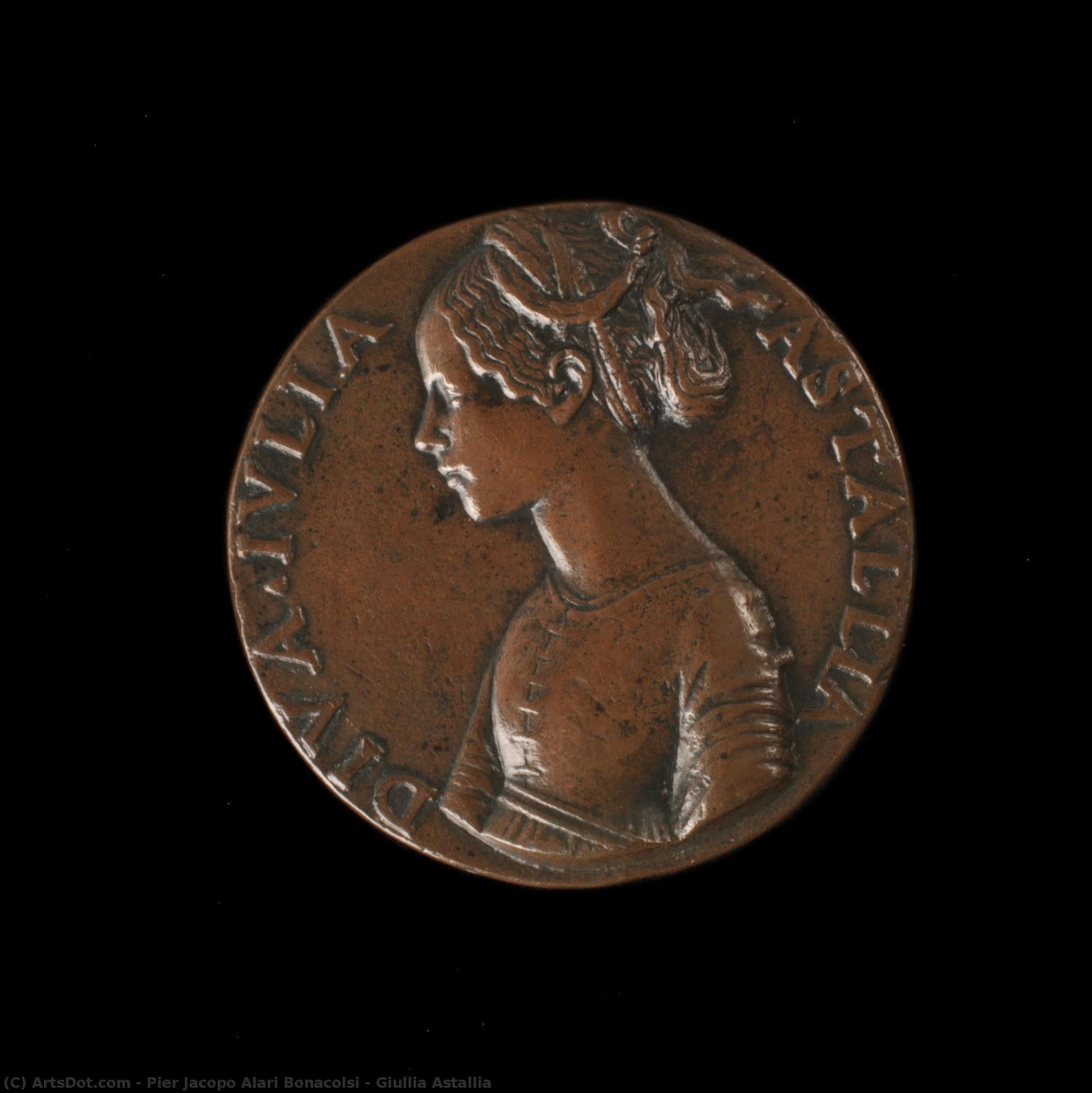
Giullia Astallia


 詳細を見る
詳細を見る
ジークレー/アートプリント
迅速な制作と多彩な仕上げオプションを備えた、ミュージアムクオリティのジークレーまたはキャンバスプリント。 ( 手描きの絵画を購入 画像を購入)




































作品のオリジナル比率に合わせた、当店の規定サイズからお選びください。

特定のフレームやスペースに合わせて、ご自身でサイズを指定することも可能です。選択されたサイズが元の画像の比率と一致しない場合、作品をトリミングするか、鏡面反射または単色での塗りつぶしによって画像を拡張いたします。制作を開始する前に、ご確認用のデジタルモックアップをお送りいたします。
画面上のプレビューには、実際のトリミングや拡張は反映されませんのでご注意ください。最終的な構図を正確に確認できるのは、モックアップのみとなります。
カスタムサイズも承っておりますが、元の比率を維持するためには、あらかじめ用意されたリストからサイズを選択することをお勧めいたします。


 ガラスオプションは、110cm未満のサイズでのみご利用いただけます。

Giullia Astallia
ジークレー/アートプリント
複製画のサイズ
-


合計金額
$ 62
作品詳細説明
The Echoes of Antiquity: A Glimpse Through Bronze
To gaze upon this depiction, ostensibly rendered on bronze, is to participate in a dialogue spanning centuries. The subject, Giullia Astallia, presents us with an image steeped in the rich patina of history. It is not merely a portrait; it is a captured moment of contemplation, a visage seemingly lifted from the annals of Renaissance artistry and classical revivalism. The woman’s downward gaze, eyes softly closed, invites the viewer into a private space—a sanctuary of thought that transcends the immediate concerns of our modern world. This piece speaks in hushed tones of forgotten narratives and enduring beauty.
Mastery in Metal: Technique and Craftsmanship
The execution suggests an extraordinary level of skill, particularly given the medium. While the original work may have been a coin or medallion, its reproduction allows us to appreciate the meticulous detail achieved by artists channeling the spirit of masters like Pier Jacopo Alari Bonacolsi. The rendering captures the subtle musculature beneath the drapery and the delicate fall of long hair with remarkable fidelity. The contrast between the warm tones of the bronze—or its faithful reproduction—and the stark, enveloping black background is nothing short of dramatic. This high contrast serves to isolate the figure, forcing our attention entirely onto the serene contours of her face and the elegant sweep of her attire.
Historical Resonance: The Renaissance Gaze
The context surrounding such works points directly toward the fervent intellectual currents of the Italian Renaissance. Artists during this period were obsessed with rediscovering and reinterpreting classical ideals, viewing antiquity not as a distant past, but as a living blueprint for human perfection. Bonacolsi’s own life embodies this spirit—a sculptor echoing the glories of Rome. Owning or displaying a reproduction inspired by this era connects the modern collector to that profound moment when art sought to bridge the gap between classical grandeur and burgeoning humanism. It is an artifact imbued with the weight of scholarly pursuit and artistic devotion.
Symbolism of Stillness and Beauty
The symbolism inherent in Giullia Astallia is deeply resonant. The closed eyes suggest meditation, perhaps a moment just before waking or just after deep reflection. This stillness becomes a powerful metaphor for the art of living—the necessity of pausing amidst life's clamor to hear one's inner voice. For the collector, this piece serves as an exquisite focal point, capable of transforming any space into a gallery of quiet contemplation. It speaks to enduring feminine grace and the timeless pursuit of idealized beauty.
Curating Contemplation for Your Space
For the discerning interior designer or art lover, this reproduction offers unparalleled depth. Whether placed against a dark velvet backdrop in a study, mounted on a mantelpiece, or displayed as a singular piece of decorative metalwork, its presence elevates the surrounding environment. It is an object that does not shout for attention but rather commands it through sheer, quiet dignity. To bring Giullia Astallia into your home is to invite a sophisticated dialogue with history, artistry, and the enduring mystery of the human spirit.
関連作品

アーティストの略歴
A Renaissance Sculptor’s Echoes: Pier Jacopo Alari Bonacolsi (l'Antico)
The name Pier Jacopo Alari Bonacolsi, more commonly known as l'Antico – “the Ancient One” – resonates with a profound sense of artistic reverence. Born around 1460 in Mantua, Italy, during the height of the Italian Renaissance, he wasn’t merely a sculptor; he was a conduit to the past, a meticulous interpreter of classical forms, and a key figure in shaping the Gonzaga court's obsession with antiquity. His life unfolded within a world of burgeoning artistic patronage, political intrigue, and an almost obsessive desire to recapture the glories of Rome and Greece – a pursuit that profoundly influenced his distinctive style and enduring legacy.
Bonacolsi’s early years remain shrouded in relative obscurity, typical for artists of noble lineage during this period. However, it's believed he received training as a goldsmith, an invaluable skill that undoubtedly informed his later work with bronze. This background provided him with the technical mastery necessary to replicate and reinterpret classical forms with astonishing precision. His rise to prominence began within the opulent court of Gianfrancesco Gonzaga at Gazzuolo, a strategically important estate where the young marquis sought to establish a refined artistic environment. This early association with the Gonzaga family would prove pivotal, setting the stage for his subsequent career as their principal sculptor and establishing a deep connection between art and political power.
- Early Patronage: Gianfrancesco Gonzaga and Isabella d'Este
- Location of Work: Gazzuolo and Mantua
- Skillset: Goldsmithing, Bronze Casting, Restoration
The Language of Antiquity: Style and Technique
What truly distinguishes l’Antico’s work is his remarkably faithful adherence to the *all'antica* style – “in the manner of the ancients.” This wasn’t simply imitation; it was a deliberate attempt to recreate the idealized beauty, proportion, and technical skill of Greek and Roman sculpture. His bronzes are characterized by an almost unnerving realism, achieved through painstaking detail and a mastery of surface treatment. The cool, silvery patination – often enhanced with touches of gold and silver inlay – evokes the patina of age and lends his sculptures an air of timelessness.
Unlike many contemporary sculptors who focused on dramatic narratives or expressive gestures, l’Antico specialized in portraiture and studies of classical figures. He meticulously copied existing Roman statues, but he also developed a unique ability to imbue these reproductions with psychological depth. His portraits aren't merely representations of physical likeness; they capture the essence of character, conveying intelligence, serenity, or even subtle emotion. This was achieved through carefully calibrated details – the angle of the eyes, the curve of the lips, the tension in the shoulders – all rendered with exquisite precision.
His technique involved a complex process of wax modeling followed by casting in bronze. Crucially, he preserved his original wax models, allowing him to create multiple replicas of his works—a revolutionary practice at the time that ensured the longevity and dissemination of his art. This dedication to preserving the original forms was a testament to his respect for the classical tradition and his desire to share it with a wider audience.
The Gonzaga Court: A Crucible of Artistic Innovation
L’Antico's career flourished within the vibrant court of Isabella d'Este, one of the most influential patrons of the arts in Renaissance Italy. She recognized his exceptional talent and commissioned numerous works from him, including portraits of her husband, Francesco II Gonzaga, and various studies of classical figures. The Gonzaga court itself became a center for artistic innovation, attracting leading artists, scholars, and intellectuals – a veritable melting pot of ideas and influences.
The Gonzaga’s vast collection of Roman antiquities—sculptures, coins, mosaics, and frescoes—provided l'Antico with invaluable inspiration. He studied these artifacts firsthand, meticulously analyzing their forms, proportions, and techniques. This direct engagement with the classical past fueled his own artistic development and allowed him to create sculptures that were both faithful reproductions and subtle reinterpretations of ancient models.
- Key Patron: Isabella d'Este
- Court Environment: A hub for artists, scholars, and intellectuals
- Influence: Direct study of Roman antiquities
Legacy and Significance
Pier Jacopo Alari Bonacolsi’s contribution to the Renaissance is profound. He wasn't just a skilled sculptor; he was a key figure in reviving interest in classical antiquity, shaping artistic tastes, and establishing new standards of technical excellence. His sculptures served as models for subsequent generations of artists, influencing the development of portraiture and sculpture throughout Europe.
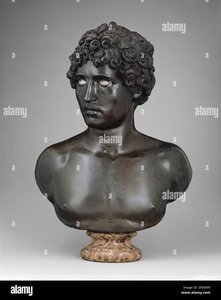
His work continues to be admired today for its exquisite detail, psychological depth, and faithful representation of classical forms. The fact that several of his original bronze models survive—including the striking portraits of Emperor Antoninus Pius and the captivating *Spinario* (a depiction of a young man with a basket)—testifies to the enduring quality of his art. L’Antico's legacy lies not only in the beauty of his sculptures but also in his role as a bridge between the past and the present, reminding us of the timeless power of classical ideals.
pier jacopo alari bonacolsi
1528 , Italy
基本情報
- Artistic Movement Or Style: Renaissance, all'antica
- Artists Or Movements Influenced By This Artist:
- Isabella d'Este
- Gonzaga Family
- Artists Who Influenced This Artist:
- Andrea Mantegna
- Roman Sculpture
- Date Of Birth: c. 1460
- Date Of Death: 1528
- Full Name: Pier Jacopo Alari Bonacolsi
- Nationality: Italian
- Notable Artworks:
- Antonin Pius Bust
- Medallions Gonzaga
- Hercules & Hydra
- Place Of Birth: Mantua, Italy
関連記事

Bronze Age to Modern Masters: 10 Sculptures That Redefined Art | ArtsDot
Journey through art history with 10 legendary bronze sculptures – from Michelangelo's David to Rodin’s Thinker. Explore the stories, techniques & timeless beauty of these masterpieces. Find museum-quality reproductions & elevate your home decor on ArtsDot.com.

Bronze Sculptures That Defined Art History | ArtsDot
Journey through art history with our Top 10 bronze sculptures! Explore masterpieces by Rodin, Michelangelo & more. Discover stories behind iconic statues and find museum-quality reproductions for your home decor at ArtsDot.com.

The Enduring Legacy of Bronze: A Historical & Artistic Exploration for the Collector
Explore the rich history & enduring appeal of bronze sculpture with expert insights for collectors at ArtsDot. Learn about casting techniques, iconic artists, collecting tips & contemporary interpretations.
The Enduring Legacy of Bronze: History, Technique & Artistic Expression for the Collector
Explore the rich history & enduring appeal of bronze sculpture with expert insights for collectors at ArtsDot. Learn about casting techniques, iconic artists, and collecting tips.
The Enduring Legacy of Bronze Sculpture: A Collector's Guide to Form & Cultural Significance
Explore the rich history & enduring appeal of bronze sculpture with expert insights for collectors at ArtsDot. Learn about casting techniques, iconic artists, and collecting tips to build a discerning art collection.

