

 プレビュー
プレビュー
 プリントを購入
 シェアする
シェアする シェアする
シェアする
 詳細を見る
詳細を見る

 ダウンロード
 似ている作品
 X線調査
X線調査 スライドショー
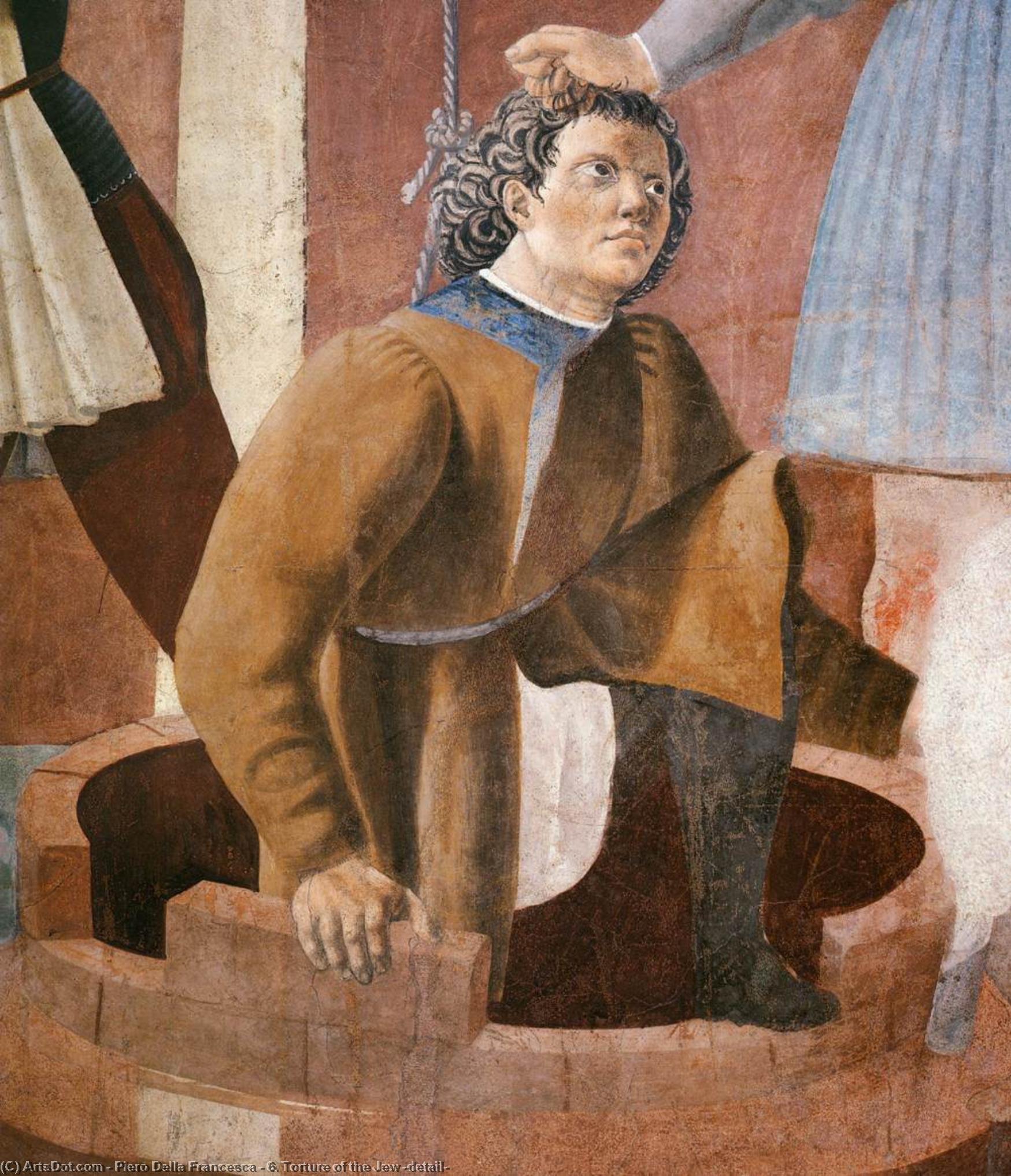
6. Torture of the Jew (detail)


 詳細を見る
詳細を見る
オンラインプレビューをはるかに凌ぐ、高解像度で鮮明なデジタル画像をご購入いただけます。
各ファイルは、社内の専門家が高度なツールと熟練した手作業によるレタッチを用いて、細心の注意を払って準備されています。すべての画像において、卓越した鮮明度、正確な色彩再現性、そして繊細なディテールを保証いたします。
最終ファイルは、プロフェッショナルな編集・印刷環境ですぐにご利用いただけるよう最適化された状態で、72時間以内にメールにてお届けいたします。これは、一流のデザインスタジオ、出版社、ギャラリーから信頼されているものと同等の品質です。
デジタル画像のご注文に付随する特典
高品質なデジタル画像配信を、確かな品質で。
ArtsDot.com を選ぶことは、単に画像を手に入れることではありません。それは、プロの手によって精密に仕上げられ、満足保証が付いた高品質なデジタルアートワークを受け取ることを意味します。ご注文いただいた際に自動的に付随する内容は、以下の通りです:

メールですぐにお届け
ご注文から72時間以内に、高解像度のデジタル画像ファイルがメールでお手元に届きます。すぐにそのままご利用いただけます。

AI技術で最適化されたデジタルファイル
お客様の作品は、高度なAIツールと専門家による手作業の編集を組み合わせてプロフェッショナルに最適化されており、細部のディテール、鮮明さ、そして正確な色再現性を最大限に引き出しています。

一生涯無料の再送サービス
ファイルを誤って削除したり、紛失してしまったりしましたか?ご安心ください。いつでも無料で再送いたします。

輸入手数料は一切かかりません
関税や手数料、配送料を気にすることなく、お気に入りのアートワークをすぐにお楽しみいただけます。デジタルダウンロードは常に免税です。

色彩再現の保証
プロ仕様のツールとカラーマネジメント技術を用いることで、デジタル画像が元の色を最大限に忠実に再現することを保証いたします。

60日間満足保証
ご購入いただいたデジタル画像にご満足いただけない場合は、60日以内であれば、修正または100%の返金(理由を問う必要はありません)をさせていただきます。

100% 返金保証
ご満足いただけない場合は、デジタルファイルを受け取ってから60日以内であれば、理由を問わず全額返金いたします。

まとめ買い割引
3枚購入で10%OFF - 5枚購入で15%OFF - 10枚以上購入で20%OFF。クリエイティブなプロジェクト、ギャラリー、エージェンシーに最適です。
The Haunting Echoes of Suffering: A Detailed Examination of Piero della Francesca’s ‘6. Torture of the Jew’
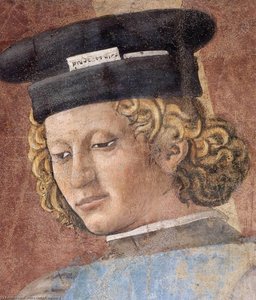
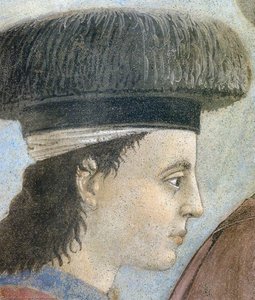
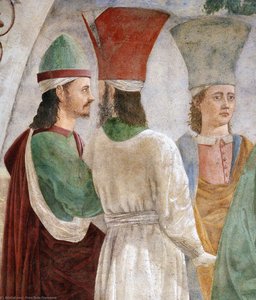
Piero della Francesca's '6. Torture of the Jew (detail)' is not merely a painting; it’s an unflinching confrontation with human cruelty and a poignant meditation on faith, persecution, and the enduring struggle for redemption. Completed in 1452 as part of a larger fresco cycle within the Museum San Francesco in Arezzo, Italy, this work transcends its historical context to resonate powerfully with contemporary audiences. The painting’s immediate impact is one of stark realism – a brutal depiction of physical torment rendered with an almost clinical precision that amplifies its horror. Yet, beneath this surface severity lies a complex tapestry of symbolism and theological reflection, inviting viewers to contemplate the nature of suffering and the potential for grace even in the darkest of circumstances.
The scene itself is profoundly unsettling. A man, his head confined within a cage-like structure – a basket or perhaps a rudimentary form of torture device – is subjected to an unseen act of violence. Above him stands another figure, shrouded in shadow and seemingly engaged in the infliction of pain. The dominant color scheme—a searing red background—intensifies the drama, drawing the eye directly to the man’s face, etched with agony and despair. Della Francesca masterfully employs perspective, creating a sense of spatial depth that draws us into this intimate moment of suffering. Notice how the figures are rendered with an almost sculptural quality; their bodies are not merely representations but seem to possess a tangible weight and presence. This meticulous attention to detail—the folds of cloth, the texture of skin, the subtle nuances of expression—is characteristic of Della Francesca’s style and contributes significantly to the painting's emotional impact.
The Renaissance Context: Faith, Violence, and the True Cross
To fully appreciate ‘6. Torture of the Jew,’ it’s crucial to understand the historical and religious climate in which it was created. The mid-15th century was a period of profound transformation in Italy, marked by the rise of humanism, burgeoning artistic innovation, and persistent religious tensions. The fresco cycle within the Museum San Francesco is deeply intertwined with the legend of the True Cross—a central pilgrimage site for Christians at the time. This narrative, detailing the discovery and veneration of the wood believed to be from Christ’s crucifixion, permeated Florentine society and art. The ‘Torture of the Jew’ serves as a counterpoint to this celebratory theme, exploring the darker side of faith – the persecution faced by Jewish communities within Christian Europe.
Della Francesca's approach was revolutionary for his time. He moved away from the expressive, emotionally charged style of Giotto and instead embraced a more rational and geometrically precise manner. This is evident in the painting’s composition—a carefully constructed arrangement of figures and space that prioritizes clarity and order over dramatic gesture. The use of perspective, borrowed from ancient mathematical principles, creates an illusion of depth and realism, while simultaneously conveying a sense of detachment and objectivity. This calculated approach reflects Della Francesca's humanist sensibilities – his belief in the power of reason and observation to understand the world.
Symbolism and Interpretation: Beyond the Visible
The painting is laden with symbolic meaning that extends far beyond its immediate depiction of torture. The red background, often associated with sacrifice and blood, underscores the violence being perpetrated. The cage-like structure confining the man’s head can be interpreted as a symbol of imprisonment—both physical and spiritual. Some scholars suggest it represents the Jewish people's confinement within a hostile society. The unseen torturer remains deliberately obscured, representing the facelessness of prejudice and the anonymity of evil.
Crucially, the painting doesn’t offer easy answers or moral judgments. It presents a raw and unsettling depiction of suffering without explicitly condemning the perpetrator. Instead, it invites viewers to confront their own complicity in acts of injustice and to consider the possibility of compassion and understanding even towards those who inflict harm. The overall atmosphere is one of profound melancholy—a reminder of the enduring capacity for cruelty within humanity and the ongoing need for empathy and reconciliation.
Relevance in Modern Times: A Timeless Testament
Despite being created over six centuries ago, ‘6. Torture of the Jew’ remains remarkably relevant today. Its depiction of human suffering transcends its historical context to speak to universal themes of persecution, injustice, and the importance of defending human rights. In an era marked by ongoing conflicts and social divisions, this painting serves as a powerful reminder of the dangers of intolerance and the imperative to stand against all forms of oppression. Reproductions of this work offer a valuable opportunity for reflection and dialogue, prompting us to examine our own values and consider how we can contribute to a more just and compassionate world.
To explore high-quality reproductions of Piero della Francesca’s ‘6. Torture of the Jew (detail)’ and other masterpieces from this era, please visit ArtsDot.com. For further information on Italian art history and the legend of the True Cross, we invite you to explore resources such as Wikipedia: Culture of Italy and True Cross.
関連作品
作家の略歴
ピエロ・デッラ・フランチェスカ:静謐と秩序の探求者
15世紀初期ルネサンスを代表する画家、ピエロ・デッラ・フランチェスカ。彼の名は、単なる芸術家という枠を超え、数学者、幾何学者としても知られています。ウンブリア地方の小さな町サンセポルクロで生まれ、その生涯は謎に包まれている部分も多いものの、残された作品群は、静謐な美と秩序への飽くなき探求を物語っています。フランチェスカの芸術は、単なる写実性を超え、知性と精神性が融合した独自の表現へと昇華されており、後世の芸術家たちに多大な影響を与えました。
生い立ちと初期の試み:フィレンツェとの出会い
ピエロ・デッラ・フランチェスカは、1415年頃、サンセポルクロで生まれました。父は革細工師であり、裕福な家庭環境で育ったピエロは、幼少期から教育を受け、読み書き能力も身につけました。1430年代には、地元の画家アントニオ・ダンギアリのもとで修行を積み、その後、芸術の中心地であるフィレンツェへと旅立ちます。そこで彼は、マサッチョの革新的な壁画や、フィリッポ・ブルネレスキの建築的才能に触発され、遠近法という新たな表現手法に魅せられます。ドメニコ・ヴェネツィアーノとの共同制作を通じて、フランチェスカはフィレンツェの芸術様式を深く理解し、自身の芸術性を磨き上げていったのです。
真実の十字架:傑作が生み出す静謐な世界
ピエロ・デッラ・フランチェスカの名声を決定づけたのは、アレーッツォのサン・フランチェスコ教会に描かれた『真実の十字架物語』の壁画です。この作品群は、十字架の木材が発見されるまでの伝説を壮大なスケールで描き出しており、その構成と色彩、そして何よりも人物の表情には、深い精神性と静謐さが漂っています。遠近法を駆使した緻密な空間描写は、見る者を圧倒し、まるで現実世界に入り込んだかのような錯覚を与えます。フランチェスカは、単なる物語を描くのではなく、人間の内面にある信仰心や希望といった普遍的なテーマを表現しようとしたのです。
数学と芸術の融合:遠近法への探求
ピエロ・デッラ・フランチェスカの芸術の特徴として、数学的知識との融合が挙げられます。彼は、レオナルド・ダ・ヴィンチやミケランジェロに先駆けて、遠近法の理論を深く研究し、それを自身の作品に応用しました。『遠近法に関する画法』という著書にも残されているように、彼は幾何学的な計算に基づいた正確な空間表現を追求しました。その結果、フランチェスカの作品は、単なる写実性を超え、秩序と調和がもたらす美しさを体現したものとなっています。彼の絵画は、まるで精密機械のように完璧に計算され、配置された要素が、見る者の心を静かに魅了するのです。
後世への影響:ルネサンスを越えた普遍性
ピエロ・デッラ・フランチェスカの芸術は、生前の評価とは異なり、20世紀になってようやくその真価が再認識されました。レオナルド・ダ・ヴィンチやラファエロといった巨匠たちも、彼の作品から影響を受けたと伝えられており、ルネサンス美術における重要な位置を占めています。フランチェスカの静謐で秩序立った世界観は、現代においても多くの人々に感動を与え続けています。彼の芸術は、単なる過去の遺産ではなく、普遍的な美と知性の探求という形で、未来へと受け継がれていくでしょう。
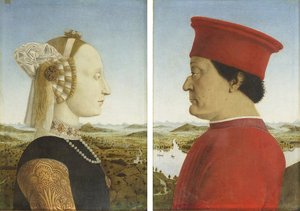
ピエロ・デッラ・フランチェスカ
1415 - 1492 , イタリア
プロフィール概要
- フルネーム: ピエロ・デッラ・フランチェスカ
- 主な作品:
- 受胎告知
- 真の十字架の伝説
- モンテフェルトロ祭壇画
- 出生地: サンセポルクロ(イタリア)
- 国籍: イタリア
- 影響を与えたアーティスト:
- レオナルド・ダ・ヴィンチ
- ラファエロ
- 影響を受けたアーティスト:
- マサッチョ
- ドメニコ・ヴェネツィアーノ
- 死亡年月日: 1492年10月12日
- 生年月日: 1415年頃
- 芸術運動またはスタイル: 初期ルネサンス

