

 プリントを購入
 シェアする
シェアする シェアする
シェアする
 詳細を見る
詳細を見る

 ダウンロード
 似ている作品
 スライドショー
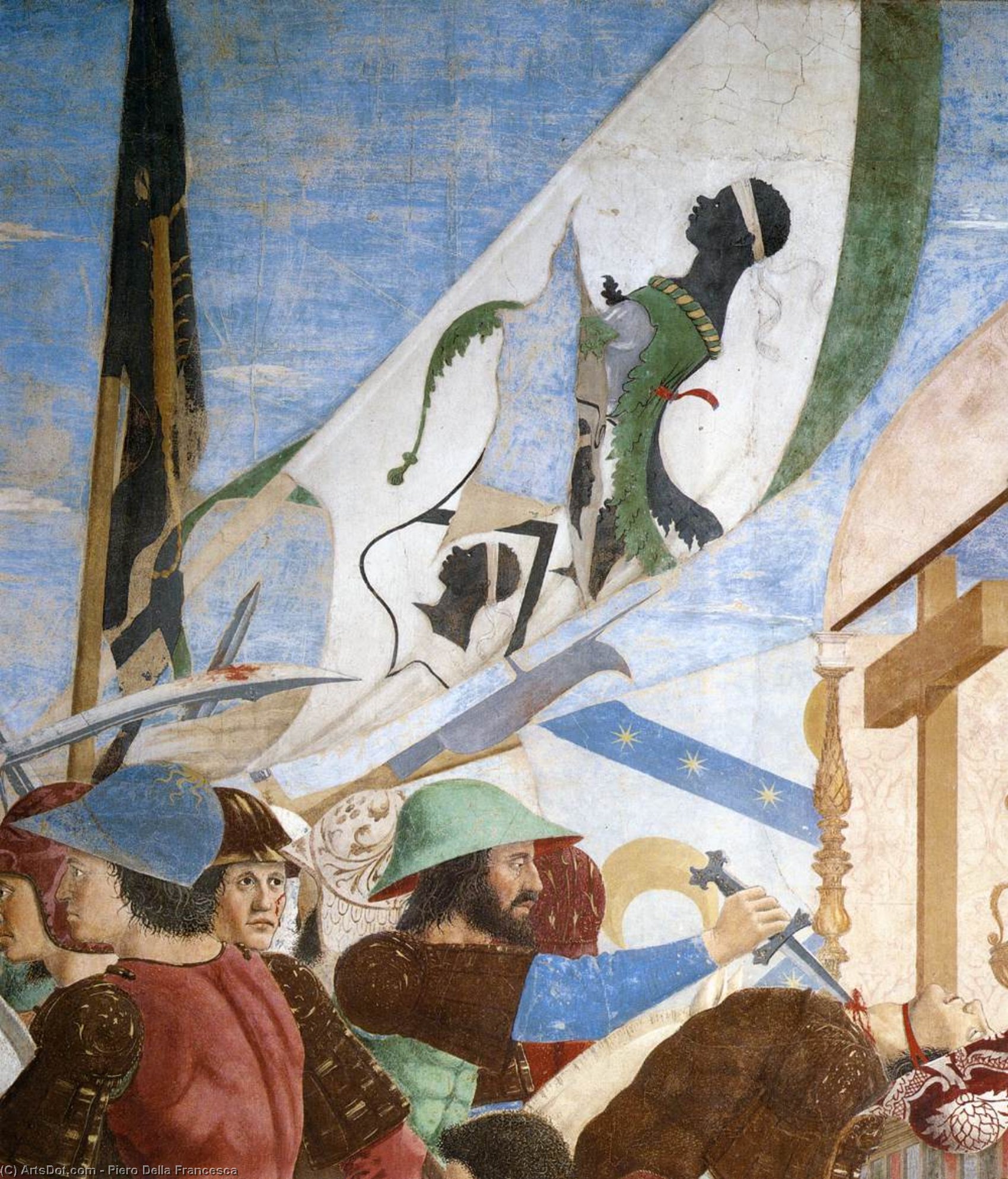
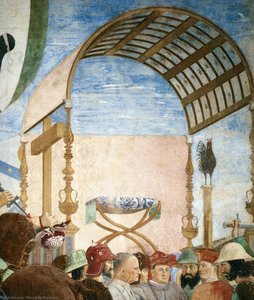
8. Battle between Heraclius and Chosroes (detail) (15)


 詳細を見る
詳細を見る
オンラインプレビューをはるかに凌ぐ、高解像度で鮮明なデジタル画像をご購入いただけます。
各ファイルは、社内の専門家が高度なツールと熟練した手作業によるレタッチを用いて、細心の注意を払って準備されています。すべての画像において、卓越した鮮明度、正確な色彩再現性、そして繊細なディテールを保証いたします。
最終ファイルは、プロフェッショナルな編集・印刷環境ですぐにご利用いただけるよう最適化された状態で、72時間以内にメールにてお届けいたします。これは、一流のデザインスタジオ、出版社、ギャラリーから信頼されているものと同等の品質です。
デジタル画像のご注文に付随する特典
高品質なデジタル画像配信を、確かな品質で。
ArtsDot.com を選ぶことは、単に画像を手に入れることではありません。それは、プロの手によって精密に仕上げられ、満足保証が付いた高品質なデジタルアートワークを受け取ることを意味します。ご注文いただいた際に自動的に付随する内容は、以下の通りです:

メールですぐにお届け
ご注文から72時間以内に、高解像度のデジタル画像ファイルがメールでお手元に届きます。すぐにそのままご利用いただけます。

AI技術で最適化されたデジタルファイル
お客様の作品は、高度なAIツールと専門家による手作業の編集を組み合わせてプロフェッショナルに最適化されており、細部のディテール、鮮明さ、そして正確な色再現性を最大限に引き出しています。

一生涯無料の再送サービス
ファイルを誤って削除したり、紛失してしまったりしましたか?ご安心ください。いつでも無料で再送いたします。

輸入手数料は一切かかりません
関税や手数料、配送料を気にすることなく、お気に入りのアートワークをすぐにお楽しみいただけます。デジタルダウンロードは常に免税です。

色彩再現の保証
プロ仕様のツールとカラーマネジメント技術を用いることで、デジタル画像が元の色を最大限に忠実に再現することを保証いたします。

60日間満足保証
ご購入いただいたデジタル画像にご満足いただけない場合は、60日以内であれば、修正または100%の返金(理由を問う必要はありません)をさせていただきます。

100% 返金保証
ご満足いただけない場合は、デジタルファイルを受け取ってから60日以内であれば、理由を問わず全額返金いたします。

まとめ買い割引
3枚購入で10%OFF - 5枚購入で15%OFF - 10枚以上購入で20%OFF。クリエイティブなプロジェクト、ギャラリー、エージェンシーに最適です。
作品の詳細
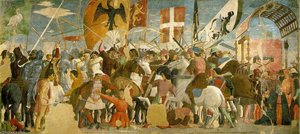
A Clash of Empires: Piero della Francesca’s “Battle between Heraclius and Chosroes”
Piero della Francesca's "Battle between Heraclius and Chosroes," painted around 1458-66, isn’t merely a depiction of warfare; it’s a meticulously constructed tableau of power, strategy, and the brutal realities of historical conflict. Housed within the magnificent Basilica of San Francesco in Arezzo, Italy, this fresco transcends its subject matter to become a profound meditation on human ambition, imperial rivalry, and the enduring legacy of bygone eras. The sheer scale of the work – spanning 329 x 747 centimeters – immediately commands attention, drawing the viewer into a chaotic yet strangely ordered scene that feels both intensely immediate and profoundly distant in time. It’s a testament to Piero's mastery of perspective and his ability to imbue a historical narrative with an almost unsettling sense of realism.- The Narrative Core: The fresco recounts the pivotal 615 CE clash between the Byzantine Emperor Heraclius and the Sassanian King Chosroes over possession of the True Cross, a relic of immense religious significance. This wasn’t simply a military engagement; it represented a struggle for spiritual dominance, a contest between two empires vying for control of a sacred object. Piero doesn't offer a romanticized account of heroism; instead, he presents a stark and unflinching portrayal of the carnage inherent in such conflicts.
- Renaissance Precision: Painted during the Early Renaissance, this work exemplifies the period’s burgeoning interest in classical principles of perspective and proportion. Piero meticulously employs linear perspective to create an illusion of depth, drawing the eye into the heart of the battle and establishing a clear spatial hierarchy. The figures are rendered with remarkable anatomical accuracy, reflecting a deep understanding of human form – a departure from the more stylized representations common in earlier periods.
A Symphony of Muted Colors and Geometric Forms
Piero della Francesca’s artistic signature is immediately recognizable in this fresco. He eschews vibrant hues, favoring instead a restrained palette dominated by earthy tones – ochres, browns, grays, and subtle blues. This deliberate choice contributes to the work's somber mood, emphasizing the gravity of the scene and lending it an almost timeless quality. The composition itself is remarkably geometric, with figures arranged in carefully calculated patterns that echo the principles of mathematical harmony. The use of overlapping planes and receding lines creates a sense of spatial depth, while the repetition of shapes and forms reinforces the overall structure of the image. Notice how the arrangement of soldiers mirrors the layout of the battlefield, creating a visual rhythm that guides the viewer’s eye through the chaos.- The Role of Light: The lighting is particularly noteworthy – diffused and almost ethereal, casting long shadows across the scene and highlighting key figures. This subtle manipulation of light and shadow adds to the fresco's dramatic effect, creating a sense of atmosphere and emphasizing the emotional intensity of the battle.
- Symbolic Details: Even in this seemingly straightforward depiction of combat, Piero incorporates symbolic elements. The presence of the True Cross, prominently displayed on Chosroes’ throne, underscores the religious stakes of the conflict. The fallen warriors, depicted with a degree of realism that is both unsettling and compelling, serve as a stark reminder of the human cost of war.
Beyond the Battlefield: A Reflection on Power and Fate
“Battle between Heraclius and Chosroes” isn’t simply a historical record; it's a profound meditation on power, ambition, and the inevitability of fate. Piero doesn’t glorify war or celebrate military prowess. Instead, he presents a scene of brutal conflict, where victory is achieved through violence and loss is inevitable. The figures are rendered with a sense of stoicism, suggesting that they have accepted their roles in this grand drama of history. The overall effect is one of quiet contemplation – an invitation to reflect on the enduring themes of human existence.- Historical Context: The fresco’s creation coincided with a period of intense political and religious upheaval in Europe, as the Renaissance was taking hold and new ideas were challenging traditional beliefs. Piero della Francesca's work reflects this intellectual ferment, demonstrating his willingness to engage with complex historical narratives and explore profound philosophical questions.
- Legacy: Piero’s mastery of perspective and his ability to convey emotion through art have profoundly influenced generations of artists. The “Battle between Heraclius and Chosroes” remains a cornerstone of the Early Renaissance, demonstrating the period's artistic innovation and its enduring fascination with classical principles.
Reproductions and Further Exploration
High-quality reproductions of "Battle between Heraclius and Chosroes" capture the fresco’s remarkable detail and atmospheric quality. For those seeking to experience this masterpiece firsthand, a visit to the Basilica of San Francesco in Arezzo is highly recommended. Beyond the original, exploring related works by Piero della Francesca, such as “The Legend of the True Cross” series, offers valuable insights into his artistic vision and intellectual interests. For further research, consider visiting ArtsDot.com for detailed information about the artwork’s history, symbolism, and technical aspects, or explore resources like the Web Gallery of Art (https://www.wga.hu/html_m/p/piero/2/8/) for high-resolution images and scholarly articles.関連作品
![The Arezzo Cycle - Battle Between Heraclius And Chosroes (detail) [04] — ピエロ・デッラ・フランチェスカ, Early Renaissance](/media/artworks/images-thumb/77/cf/77cf9c2c320e7d78dfc40623cecb195a.jpg)
作家の略歴
ピエロ・デッラ・フランチェスカ:静謐と秩序の探求者
15世紀初期ルネサンスを代表する画家、ピエロ・デッラ・フランチェスカ。彼の名は、単なる芸術家という枠を超え、数学者、幾何学者としても知られています。ウンブリア地方の小さな町サンセポルクロで生まれ、その生涯は謎に包まれている部分も多いものの、残された作品群は、静謐な美と秩序への飽くなき探求を物語っています。フランチェスカの芸術は、単なる写実性を超え、知性と精神性が融合した独自の表現へと昇華されており、後世の芸術家たちに多大な影響を与えました。
生い立ちと初期の試み:フィレンツェとの出会い
ピエロ・デッラ・フランチェスカは、1415年頃、サンセポルクロで生まれました。父は革細工師であり、裕福な家庭環境で育ったピエロは、幼少期から教育を受け、読み書き能力も身につけました。1430年代には、地元の画家アントニオ・ダンギアリのもとで修行を積み、その後、芸術の中心地であるフィレンツェへと旅立ちます。そこで彼は、マサッチョの革新的な壁画や、フィリッポ・ブルネレスキの建築的才能に触発され、遠近法という新たな表現手法に魅せられます。ドメニコ・ヴェネツィアーノとの共同制作を通じて、フランチェスカはフィレンツェの芸術様式を深く理解し、自身の芸術性を磨き上げていったのです。
真実の十字架:傑作が生み出す静謐な世界
ピエロ・デッラ・フランチェスカの名声を決定づけたのは、アレーッツォのサン・フランチェスコ教会に描かれた『真実の十字架物語』の壁画です。この作品群は、十字架の木材が発見されるまでの伝説を壮大なスケールで描き出しており、その構成と色彩、そして何よりも人物の表情には、深い精神性と静謐さが漂っています。遠近法を駆使した緻密な空間描写は、見る者を圧倒し、まるで現実世界に入り込んだかのような錯覚を与えます。フランチェスカは、単なる物語を描くのではなく、人間の内面にある信仰心や希望といった普遍的なテーマを表現しようとしたのです。
数学と芸術の融合:遠近法への探求
ピエロ・デッラ・フランチェスカの芸術の特徴として、数学的知識との融合が挙げられます。彼は、レオナルド・ダ・ヴィンチやミケランジェロに先駆けて、遠近法の理論を深く研究し、それを自身の作品に応用しました。『遠近法に関する画法』という著書にも残されているように、彼は幾何学的な計算に基づいた正確な空間表現を追求しました。その結果、フランチェスカの作品は、単なる写実性を超え、秩序と調和がもたらす美しさを体現したものとなっています。彼の絵画は、まるで精密機械のように完璧に計算され、配置された要素が、見る者の心を静かに魅了するのです。
後世への影響:ルネサンスを越えた普遍性
ピエロ・デッラ・フランチェスカの芸術は、生前の評価とは異なり、20世紀になってようやくその真価が再認識されました。レオナルド・ダ・ヴィンチやラファエロといった巨匠たちも、彼の作品から影響を受けたと伝えられており、ルネサンス美術における重要な位置を占めています。フランチェスカの静謐で秩序立った世界観は、現代においても多くの人々に感動を与え続けています。彼の芸術は、単なる過去の遺産ではなく、普遍的な美と知性の探求という形で、未来へと受け継がれていくでしょう。
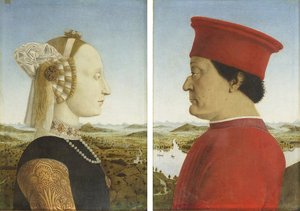
ピエロ・デッラ・フランチェスカ
1415 - 1492 , イタリア
プロフィール概要
- フルネーム: ピエロ・デッラ・フランチェスカ
- 主な作品:
- 受胎告知
- 真の十字架の伝説
- モンテフェルトロ祭壇画
- 出生地: サンセポルクロ(イタリア)
- 国籍: イタリア
- 影響を与えたアーティスト:
- レオナルド・ダ・ヴィンチ
- ラファエロ
- 影響を受けたアーティスト:
- マサッチョ
- ドメニコ・ヴェネツィアーノ
- 死亡年月日: 1492年10月12日
- 生年月日: 1415年頃
- 芸術運動またはスタイル: 初期ルネサンス

