

 プレビュー
プレビュー
 プリントを購入
 シェアする
シェアする シェアする
シェアする
 詳細を見る
詳細を見る

 ダウンロード
 似ている作品
 X線調査
X線調査 スライドショー
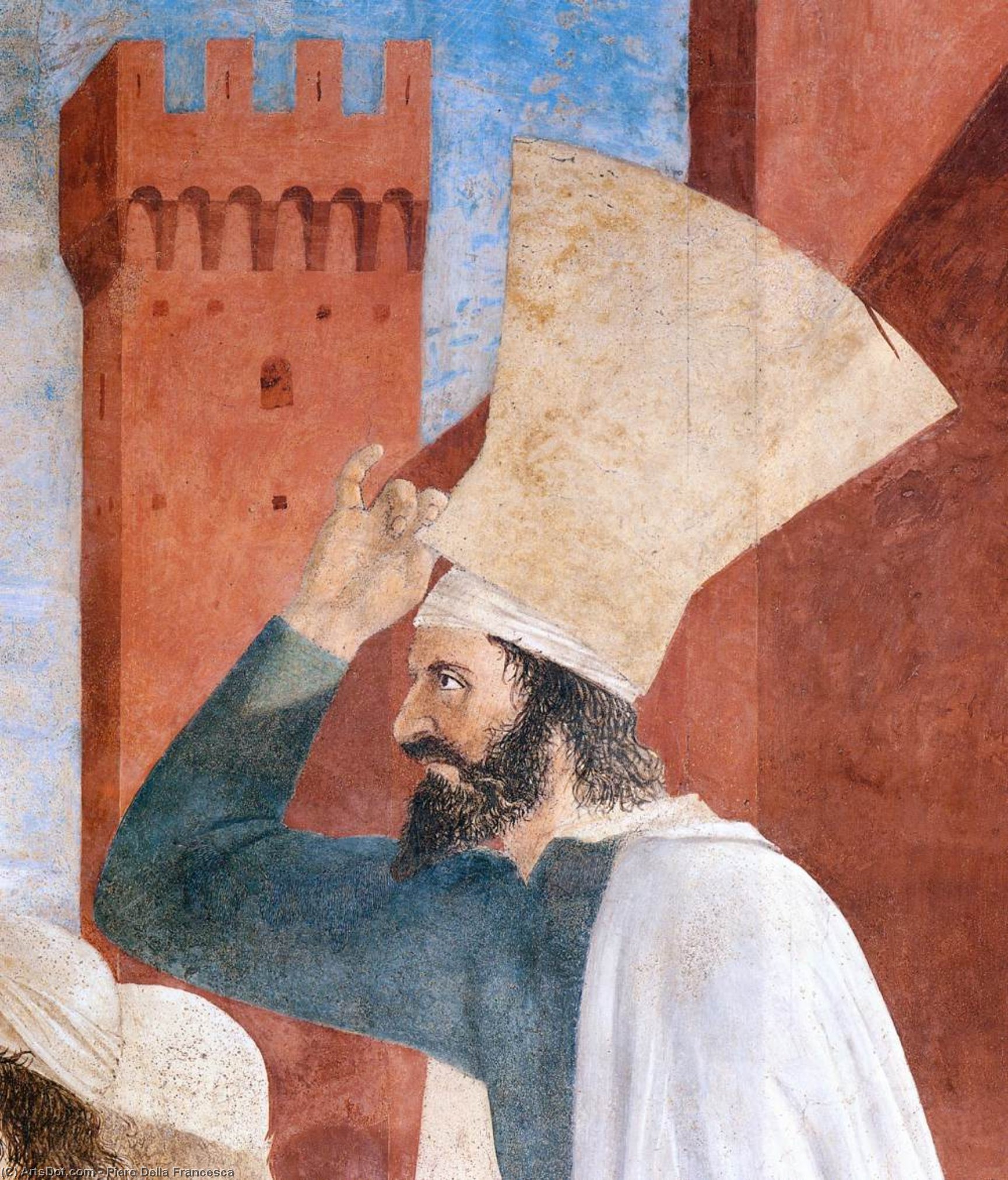
9. Exaltation of the Cross (detail)


 詳細を見る
詳細を見る
オンラインプレビューをはるかに凌ぐ、高解像度で鮮明なデジタル画像をご購入いただけます。
各ファイルは、社内の専門家が高度なツールと熟練した手作業によるレタッチを用いて、細心の注意を払って準備されています。すべての画像において、卓越した鮮明度、正確な色彩再現性、そして繊細なディテールを保証いたします。
最終ファイルは、プロフェッショナルな編集・印刷環境ですぐにご利用いただけるよう最適化された状態で、72時間以内にメールにてお届けいたします。これは、一流のデザインスタジオ、出版社、ギャラリーから信頼されているものと同等の品質です。
デジタル画像のご注文に付随する特典
高品質なデジタル画像配信を、確かな品質で。
ArtsDot.com を選ぶことは、単に画像を手に入れることではありません。それは、プロの手によって精密に仕上げられ、満足保証が付いた高品質なデジタルアートワークを受け取ることを意味します。ご注文いただいた際に自動的に付随する内容は、以下の通りです:

メールですぐにお届け
ご注文から72時間以内に、高解像度のデジタル画像ファイルがメールでお手元に届きます。すぐにそのままご利用いただけます。

AI技術で最適化されたデジタルファイル
お客様の作品は、高度なAIツールと専門家による手作業の編集を組み合わせてプロフェッショナルに最適化されており、細部のディテール、鮮明さ、そして正確な色再現性を最大限に引き出しています。

一生涯無料の再送サービス
ファイルを誤って削除したり、紛失してしまったりしましたか?ご安心ください。いつでも無料で再送いたします。

輸入手数料は一切かかりません
関税や手数料、配送料を気にすることなく、お気に入りのアートワークをすぐにお楽しみいただけます。デジタルダウンロードは常に免税です。

色彩再現の保証
プロ仕様のツールとカラーマネジメント技術を用いることで、デジタル画像が元の色を最大限に忠実に再現することを保証いたします。

60日間満足保証
ご購入いただいたデジタル画像にご満足いただけない場合は、60日以内であれば、修正または100%の返金(理由を問う必要はありません)をさせていただきます。

100% 返金保証
ご満足いただけない場合は、デジタルファイルを受け取ってから60日以内であれば、理由を問わず全額返金いたします。

まとめ買い割引
3枚購入で10%OFF - 5枚購入で15%OFF - 10枚以上購入で20%OFF。クリエイティブなプロジェクト、ギャラリー、エージェンシーに最適です。
作品の詳細
The Genesis of a Vision: Piero della Francesca and “The Legend of the True Cross”
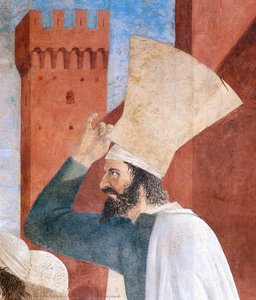
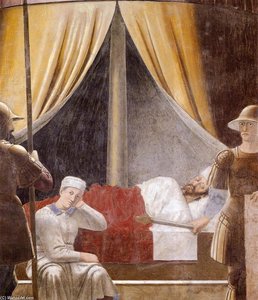
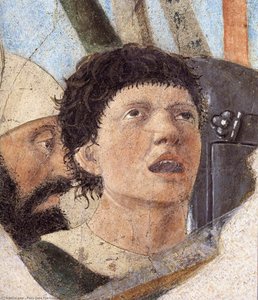
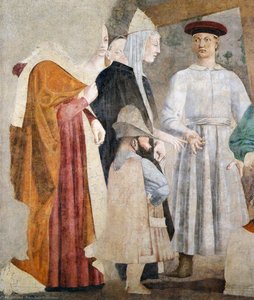
Within the serene confines of the Basilica of San Francesco in Arezzo, Italy, resides a fresco that transcends mere religious depiction—it is a profound exploration of perspective, light, and human experience. “Exaltation of the Cross (detail),” created by Piero della Francesca around 1466, isn’t simply a scene from biblical lore; it's a meticulously constructed geometric drama, a testament to the artist’s revolutionary approach to painting. This particular detail offers a glimpse into a larger narrative – “The Legend of the True Cross,” based on Jacobus de Voragine’s 13th-century "Golden Legend" – which recounts the arduous journey of the True Cross from its origins in the Garden of Eden to its veneration as the instrument of Christ's sacrifice. Piero, a master of his craft, skillfully blends this sacred tale with an unprecedented understanding of spatial relationships and color theory, establishing himself as a pivotal figure in the transition from Gothic to Renaissance art.
The fresco’s genesis lies within the context of a burgeoning artistic landscape. Florence, at the time, was experiencing a fervent revival of classical learning and a radical shift in artistic philosophy. Artists like Masaccio were pioneering the use of linear perspective—a mathematical system for creating realistic depth on a flat surface—and Piero absorbed these innovations with remarkable precision. He wasn’t merely depicting a scene; he was constructing an illusion, inviting the viewer to step into a meticulously rendered world governed by rational order and geometric harmony. The figures themselves are not idealized in the manner of earlier religious art; they possess a quiet dignity and a sense of timelessness that speaks to Piero's profound understanding of human form.
The Language of Light: Composition, Color, and Symbolism
Piero della Francesca’s genius lies not just in his technical mastery but also in his masterful manipulation of light. He understood that light wasn’t simply a source of illumination; it was an active agent shaping form, revealing texture, and creating atmosphere. In “Exaltation of the Cross,” light doesn't flood the scene indiscriminately; instead, it is carefully directed to sculpt the figures, highlighting their musculature and drapery with subtle gradations of tone. The stark contrast between light and shadow—chiaroscuro—adds a dramatic intensity to the composition, lending a three-dimensional quality that was revolutionary for its time.
The color palette is equally restrained yet profoundly effective. Piero favored earthy tones – ochres, siennas, and umbers – creating a sense of solidity and permanence. The vibrant red of the cloth held by the figures draws the eye immediately, symbolizing sacrifice and divine power. Beyond mere representation, each element carries symbolic weight. The arrangement of the figures, their gestures, and even their clothing are carefully chosen to convey theological meaning and reinforce the narrative’s central themes of faith, devotion, and triumph over adversity. Notice, for example, how the light seems to emanate from the cross itself, illuminating the scene with a divine radiance.
A Window into Early Renaissance Perspective
“Exaltation of the Cross” is more than just a beautiful painting; it’s an architectural marvel. Piero della Francesca employed a sophisticated system of linear perspective—a technique that allows artists to create the illusion of depth and space on a flat surface—with astonishing accuracy. The converging lines of the architecture, particularly the towering brick structures in the background, meet at a single vanishing point, creating a convincing sense of distance. This meticulous attention to detail demonstrates Piero’s deep understanding of mathematics and his commitment to representing reality with scientific precision.
Furthermore, the fresco's composition is remarkably balanced and harmonious. The figures are arranged in a pyramidal structure, drawing the viewer’s eye upwards towards the central point—the cross itself. This compositional strategy reinforces the painting’s message of ascension and spiritual elevation. Piero’s work profoundly influenced subsequent generations of artists, establishing a new standard for realism and spatial illusionism that would shape the course of Renaissance art.
Reverence and Reproduction: Bringing Piero's Vision to Life
The Basilica of San Francesco in Arezzo remains a pilgrimage site for art lovers and devotees alike. The “Exaltation of the Cross” is one of the most revered works within its walls, a testament to Piero della Francesca’s genius and his enduring legacy. ArtsDot offers meticulously crafted hand-painted reproductions that capture the essence of this masterpiece, allowing you to experience its beauty and complexity in your own home or studio.
Our artists painstakingly recreate every detail—from the subtle nuances of light and shadow to the intricate folds of the drapery—using traditional techniques and archival-quality materials. Whether you choose a large-scale mural reproduction or a smaller, more intimate print, you’ll receive a work of art that faithfully reflects Piero della Francesca's vision and captures the spiritual power of this iconic fresco. Explore our collection today and bring a piece of Renaissance history into your space.
関連作品
作家の略歴
ピエロ・デッラ・フランチェスカ:静謐と秩序の探求者
15世紀初期ルネサンスを代表する画家、ピエロ・デッラ・フランチェスカ。彼の名は、単なる芸術家という枠を超え、数学者、幾何学者としても知られています。ウンブリア地方の小さな町サンセポルクロで生まれ、その生涯は謎に包まれている部分も多いものの、残された作品群は、静謐な美と秩序への飽くなき探求を物語っています。フランチェスカの芸術は、単なる写実性を超え、知性と精神性が融合した独自の表現へと昇華されており、後世の芸術家たちに多大な影響を与えました。
生い立ちと初期の試み:フィレンツェとの出会い
ピエロ・デッラ・フランチェスカは、1415年頃、サンセポルクロで生まれました。父は革細工師であり、裕福な家庭環境で育ったピエロは、幼少期から教育を受け、読み書き能力も身につけました。1430年代には、地元の画家アントニオ・ダンギアリのもとで修行を積み、その後、芸術の中心地であるフィレンツェへと旅立ちます。そこで彼は、マサッチョの革新的な壁画や、フィリッポ・ブルネレスキの建築的才能に触発され、遠近法という新たな表現手法に魅せられます。ドメニコ・ヴェネツィアーノとの共同制作を通じて、フランチェスカはフィレンツェの芸術様式を深く理解し、自身の芸術性を磨き上げていったのです。
真実の十字架:傑作が生み出す静謐な世界
ピエロ・デッラ・フランチェスカの名声を決定づけたのは、アレーッツォのサン・フランチェスコ教会に描かれた『真実の十字架物語』の壁画です。この作品群は、十字架の木材が発見されるまでの伝説を壮大なスケールで描き出しており、その構成と色彩、そして何よりも人物の表情には、深い精神性と静謐さが漂っています。遠近法を駆使した緻密な空間描写は、見る者を圧倒し、まるで現実世界に入り込んだかのような錯覚を与えます。フランチェスカは、単なる物語を描くのではなく、人間の内面にある信仰心や希望といった普遍的なテーマを表現しようとしたのです。
数学と芸術の融合:遠近法への探求
ピエロ・デッラ・フランチェスカの芸術の特徴として、数学的知識との融合が挙げられます。彼は、レオナルド・ダ・ヴィンチやミケランジェロに先駆けて、遠近法の理論を深く研究し、それを自身の作品に応用しました。『遠近法に関する画法』という著書にも残されているように、彼は幾何学的な計算に基づいた正確な空間表現を追求しました。その結果、フランチェスカの作品は、単なる写実性を超え、秩序と調和がもたらす美しさを体現したものとなっています。彼の絵画は、まるで精密機械のように完璧に計算され、配置された要素が、見る者の心を静かに魅了するのです。
後世への影響:ルネサンスを越えた普遍性
ピエロ・デッラ・フランチェスカの芸術は、生前の評価とは異なり、20世紀になってようやくその真価が再認識されました。レオナルド・ダ・ヴィンチやラファエロといった巨匠たちも、彼の作品から影響を受けたと伝えられており、ルネサンス美術における重要な位置を占めています。フランチェスカの静謐で秩序立った世界観は、現代においても多くの人々に感動を与え続けています。彼の芸術は、単なる過去の遺産ではなく、普遍的な美と知性の探求という形で、未来へと受け継がれていくでしょう。
ピエロ・デッラ・フランチェスカ
1415 - 1492 , イタリア
プロフィール概要
- フルネーム: ピエロ・デッラ・フランチェスカ
- 主な作品:
- 受胎告知
- 真の十字架の伝説
- モンテフェルトロ祭壇画
- 出生地: サンセポルクロ(イタリア)
- 国籍: イタリア
- 影響を与えたアーティスト:
- レオナルド・ダ・ヴィンチ
- ラファエロ
- 影響を受けたアーティスト:
- マサッチョ
- ドメニコ・ヴェネツィアーノ
- 死亡年月日: 1492年10月12日
- 生年月日: 1415年頃
- 芸術運動またはスタイル: 初期ルネサンス

