 シェアする
シェアする シェアする
シェアする
 詳細を見る
詳細を見る

 ダウンロード
 似ている作品
 スライドショー
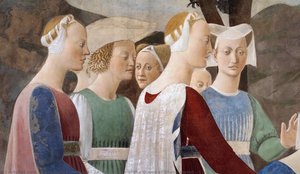
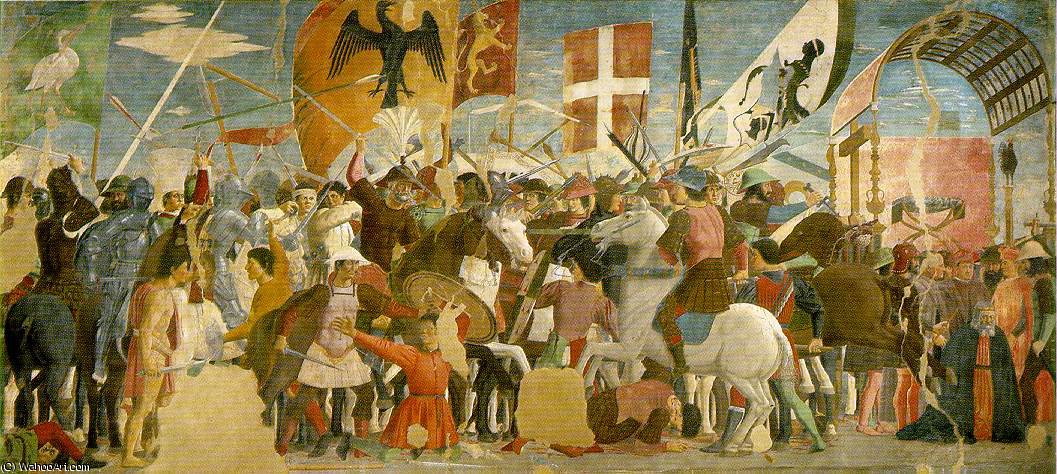
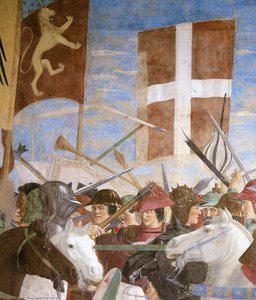
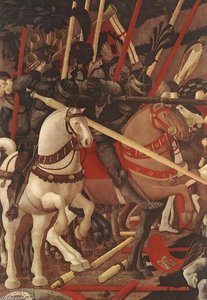
The Arezzo Cycle - Battle between Heraclius and Chosroes


 詳細を見る
詳細を見る
ジークレー/アートプリント
迅速な制作と多彩な仕上げオプションを備えた、ミュージアムクオリティのジークレーまたはキャンバスプリント。 ( 手描きの絵画を購入 画像を購入)




































作品のオリジナル比率に合わせた、当店の規定サイズからお選びください。

特定のフレームやスペースに合わせて、ご自身でサイズを指定することも可能です。選択されたサイズが元の画像の比率と一致しない場合、作品をトリミングするか、鏡面反射または単色での塗りつぶしによって画像を拡張いたします。制作を開始する前に、ご確認用のデジタルモックアップをお送りいたします。
画面上のプレビューには、実際のトリミングや拡張は反映されませんのでご注意ください。最終的な構図を正確に確認できるのは、モックアップのみとなります。
カスタムサイズも承っておりますが、元の比率を維持するためには、あらかじめ用意されたリストからサイズを選択することをお勧めいたします。


 ガラスオプションは、110cm未満のサイズでのみご利用いただけます。

The Arezzo Cycle - Battle between Heraclius and Chosroes
ジークレー/アートプリント
複製画のサイズ
-


合計金額
$ 62
作品詳細説明
A Clash of Empires: Piero della Francesca’s ‘Battle between Heraclius and Chosroes’
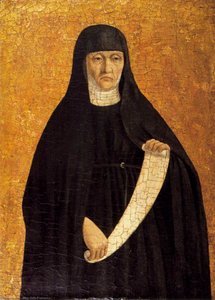
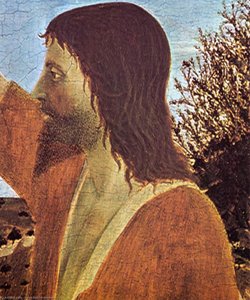
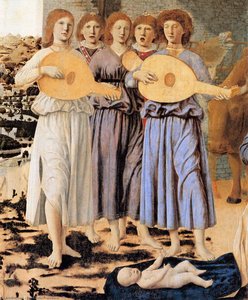
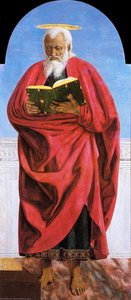
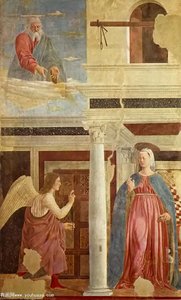
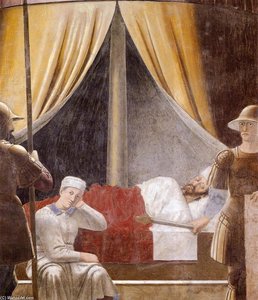
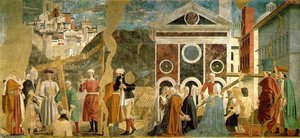
This monumental fresco fragment, part of Piero della Francesca's celebrated *Arezzo Cycle* within the Basilica di San Francesco in Arezzo, Italy, offers a captivating glimpse into a pivotal moment of historical conflict. Commissioned to illustrate the Legend of the True Cross, this scene depicts the legendary battle between the Byzantine Emperor Heraclius and the Sasanian King Khosrow II – a clash that dramatically reshaped the geopolitical landscape of the 7th century. While seemingly focused on military confrontation, Piero elevates the narrative beyond mere historical recounting, imbuing it with profound symbolic weight and serene dignity.Masterful Style & Renaissance Innovation
Piero della Francesca (1415-1492) was a defining figure of the Early Renaissance, renowned for his pioneering application of mathematical principles to artistic composition. In ‘Battle between Heraclius and Chosroes,’ this is strikingly evident. The artist employs a deliberate geometric structure – figures are arranged with calculated precision, creating a sense of order even within the chaos of battle. His use of perspective, though not fully developed as in later Renaissance works, demonstrates a clear understanding of spatial relationships and depth. The flattened planes and subtly modeled forms contribute to the fresco’s distinctive clarity and monumental quality. Piero's style is characterized by *tranquil humanism*, even when depicting violent events; there’s a remarkable restraint that sets him apart from more emotionally charged artists.Technique & Materials: Fresco Secco
The *Arezzo Cycle* is executed primarily in fresco secco – a technique where pigments are applied to dry plaster, rather than the traditional *buon fresco* method of painting on wet plaster. This allowed Piero greater control over detail and color saturation but also contributed to the fragility of the work over time. The visible brushstrokes and somewhat rough texture are characteristic of this technique, adding a tactile quality to the scene. The earthy palette – ochres, browns, reds, and greens – is typical of Tuscan painting during this period, while brighter hues in banners and clothing draw the eye and emphasize key elements.Historical Context & Symbolic Narrative
The battle depicted isn’t simply a historical record; it's deeply embedded within the religious narrative of the True Cross. According to legend, this victory by Heraclius paved the way for the recovery of relics associated with Christ’s crucifixion. The heraldic banners displaying coats of arms aren’t merely decorative – they represent the noble families and factions involved in both sides of the conflict, adding layers of political and social significance. The inclusion of onlookers, witnessing the battle from a distance, suggests the event's impact on the broader population and its symbolic resonance beyond the battlefield. Piero skillfully blends historical accuracy with religious allegory, creating a work that is both informative and spiritually evocative.Emotional Impact & Lasting Legacy
Despite the depiction of warfare, ‘Battle between Heraclius and Chosroes’ doesn't evoke visceral horror or dramatic tension. Instead, Piero presents a scene of dignified conflict, imbued with a sense of solemnity and order. The figures, though engaged in combat, appear almost statuesque, their movements deliberate and controlled. This creates an emotional distance that allows viewers to contemplate the broader themes of power, faith, and destiny. The fresco’s enduring appeal lies in its unique blend of artistic innovation, historical depth, and spiritual resonance – a testament to Piero della Francesca's genius and his lasting contribution to the Renaissance canon. A reproduction of this work would bring a sense of timeless elegance and intellectual weight to any interior space.関連作品
![The Arezzo Cycle - Battle Between Heraclius And Chosroes (detail) [04] — ピエロ・デッラ・フランチェスカ, Early Renaissance](/media/artworks/images-thumb/77/cf/77cf9c2c320e7d78dfc40623cecb195a.jpg)
![The Arezzo Cycle - Battle Between Heraclius And Chosroes (detail) [03] — ピエロ・デッラ・フランチェスカ, Early Renaissance](/media/artworks/images-thumb/77/e6/77e6f94f44ab51559a65795e66b223c1.jpg)
アーティストの略歴
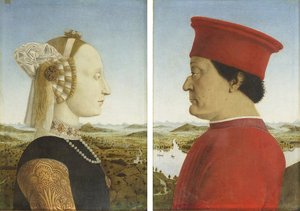
ピエロ・デッラ・フランチェスカ:静謐と秩序の探求者
15世紀初期ルネサンスを代表する画家、ピエロ・デッラ・フランチェスカ。彼の名は、単なる芸術家という枠を超え、数学者、幾何学者としても知られています。ウンブリア地方の小さな町サンセポルクロで生まれ、その生涯は謎に包まれている部分も多いものの、残された作品群は、静謐な美と秩序への飽くなき探求を物語っています。フランチェスカの芸術は、単なる写実性を超え、知性と精神性が融合した独自の表現へと昇華されており、後世の芸術家たちに多大な影響を与えました。
生い立ちと初期の試み:フィレンツェとの出会い
ピエロ・デッラ・フランチェスカは、1415年頃、サンセポルクロで生まれました。父は革細工師であり、裕福な家庭環境で育ったピエロは、幼少期から教育を受け、読み書き能力も身につけました。1430年代には、地元の画家アントニオ・ダンギアリのもとで修行を積み、その後、芸術の中心地であるフィレンツェへと旅立ちます。そこで彼は、マサッチョの革新的な壁画や、フィリッポ・ブルネレスキの建築的才能に触発され、遠近法という新たな表現手法に魅せられます。ドメニコ・ヴェネツィアーノとの共同制作を通じて、フランチェスカはフィレンツェの芸術様式を深く理解し、自身の芸術性を磨き上げていったのです。
真実の十字架:傑作が生み出す静謐な世界
ピエロ・デッラ・フランチェスカの名声を決定づけたのは、アレーッツォのサン・フランチェスコ教会に描かれた『真実の十字架物語』の壁画です。この作品群は、十字架の木材が発見されるまでの伝説を壮大なスケールで描き出しており、その構成と色彩、そして何よりも人物の表情には、深い精神性と静謐さが漂っています。遠近法を駆使した緻密な空間描写は、見る者を圧倒し、まるで現実世界に入り込んだかのような錯覚を与えます。フランチェスカは、単なる物語を描くのではなく、人間の内面にある信仰心や希望といった普遍的なテーマを表現しようとしたのです。
数学と芸術の融合:遠近法への探求
ピエロ・デッラ・フランチェスカの芸術の特徴として、数学的知識との融合が挙げられます。彼は、レオナルド・ダ・ヴィンチやミケランジェロに先駆けて、遠近法の理論を深く研究し、それを自身の作品に応用しました。『遠近法に関する画法』という著書にも残されているように、彼は幾何学的な計算に基づいた正確な空間表現を追求しました。その結果、フランチェスカの作品は、単なる写実性を超え、秩序と調和がもたらす美しさを体現したものとなっています。彼の絵画は、まるで精密機械のように完璧に計算され、配置された要素が、見る者の心を静かに魅了するのです。
後世への影響:ルネサンスを越えた普遍性
ピエロ・デッラ・フランチェスカの芸術は、生前の評価とは異なり、20世紀になってようやくその真価が再認識されました。レオナルド・ダ・ヴィンチやラファエロといった巨匠たちも、彼の作品から影響を受けたと伝えられており、ルネサンス美術における重要な位置を占めています。フランチェスカの静謐で秩序立った世界観は、現代においても多くの人々に感動を与え続けています。彼の芸術は、単なる過去の遺産ではなく、普遍的な美と知性の探求という形で、未来へと受け継がれていくでしょう。
ピエロ・デッラ・フランチェスカ
1415 - 1492 , イタリア
基本情報
- フルネーム: ピエロ・デッラ・フランチェスカ
- 主な作品:
- 受胎告知
- 真の十字架の伝説
- モンテフェルトロ祭壇画
- 出生地: サンセポルクロ(イタリア)
- 国籍: イタリア
- 影響を与えたアーティスト:
- レオナルド・ダ・ヴィンチ
- ラファエロ
- 影響を受けたアーティスト:
- マサッチョ
- ドメニコ・ヴェネツィアーノ
- 死亡年月日: 1492年10月12日
- 生年月日: 1415年頃
- 芸術運動またはスタイル: 初期ルネサンス
関連記事

家族の遺産を壁画で彩る:伝統技法が紡ぐ、時を超越する美と記憶
古代から現代までの壁画の歴史と技法を解説。日本の壁画文化やカスタムオーダーによる家族の遺産表現、保存・修復技術まで網羅。専門家が時を超越する美と記憶を紡ぐ芸術的価値をご案内します。
Piero della Francesca: Renaissance Perspective, Divine Proportion & the Pursuit of Ideal Form
Explore the revolutionary art of Piero della Francesca – master of perspective, divine proportion & Renaissance humanism. Discover his iconic paintings & lasting influence on art history.

The Enduring Legacy of Fresco Painting: Techniques, History & Contemporary Relevance
Explore the rich history & enduring artistry of fresco painting – from Giotto to Michelangelo! Discover techniques, conservation efforts, & modern applications. Learn how ArtsDot brings this timeless art form to your home.

The Enduring Legacy of Fresco: Technique, History & Artistic Expression Across Cultures
Explore the rich history & enduring legacy of fresco painting! Discover ancient techniques, Giotto's masterpieces, and modern applications. Expert insights for art lovers & professionals.
Art That Lives With You: The Emotional Power of a Custom Interior Fresco
Discover the emotional power & timeless beauty of custom interior frescoes. Explore history, design tips & expert guidance from – creating lasting legacies.