

 プレビュー
プレビュー
 プリントを購入
 シェアする
シェアする シェアする
シェアする
 詳細を見る
詳細を見る

 ダウンロード
 似ている作品
 X線調査
X線調査 スライドショー
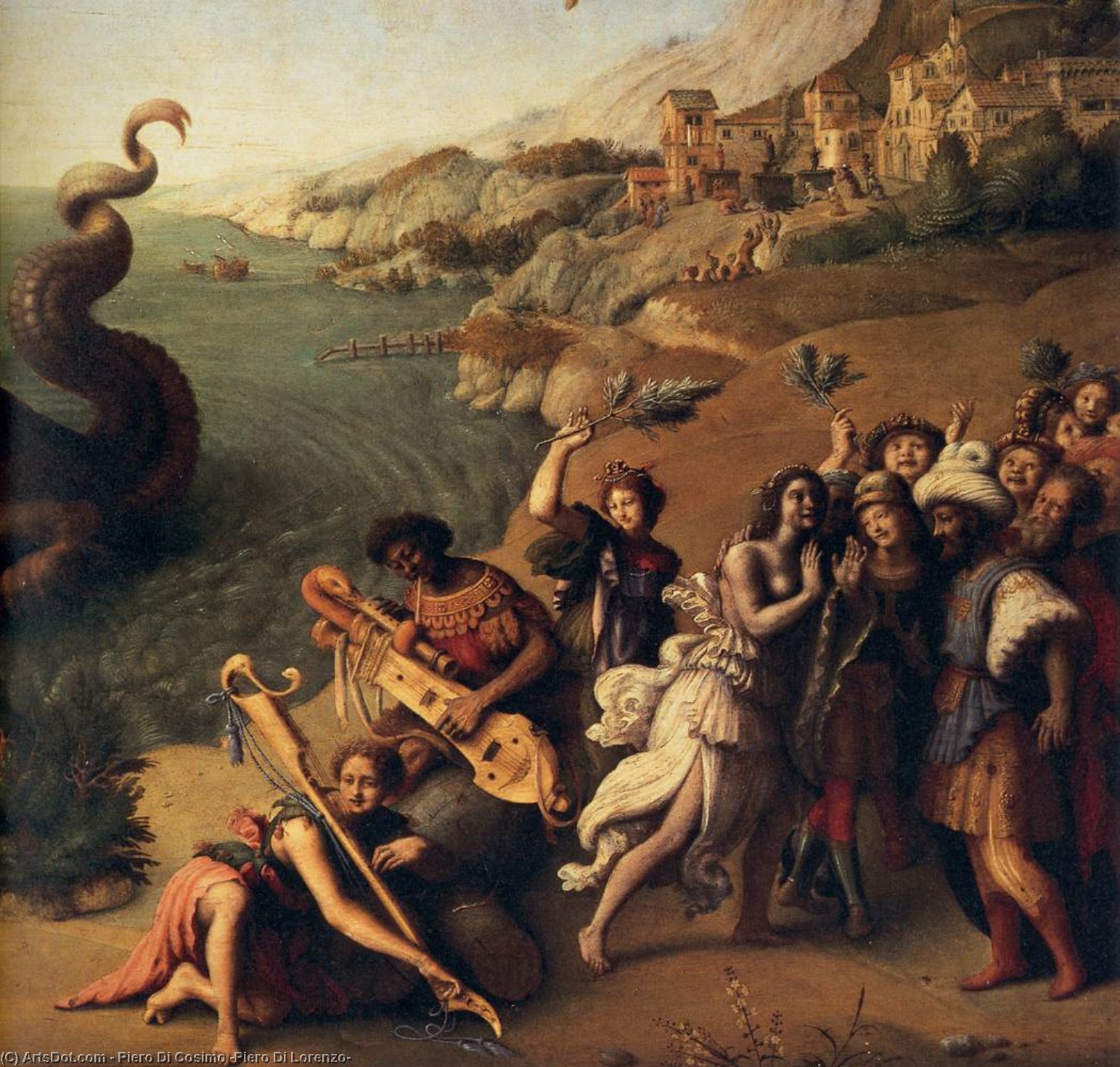
Perseus Frees Andromeda (detail) (10)


 詳細を見る
詳細を見る




P118B $10

P118H $10

P118W $10

P438Z $10

P508JH $12

P508YH $12

P805H $10

P805Z $10

P919BZ $10

P919G $10

P919XJ $10

P959ZH $10

P968JZ $12

W106C $8

W218G $10

W218JH $8

W218Y $10

W307PJ $10

W316G $10

W316PJ $8

W316Y $10

W398PJ $8

W4111J $10

W500HY $15

W500JH $15

W692G $12

W849H $8

W940BG $15

W953PJ $8




作品のオリジナル比率に合わせた、当店の規定サイズからお選びください。

特定のフレームやスペースに合わせて、ご希望のサイズをご入力いただけます。選択されたサイズが元の画像の比率と異なる場合、アートワークをトリミングするか、手描きで要素を追加して絵画を拡張いたします。デジタルモックアップ を制作し、制作開始前にご確認(承認)をいただきます。
画面上のプレビューは、実際のトリミングや拡張を正確に反映しているものではありません。最終的な構図は、モックアップによってのみ正確にご確認いただけます。
カスタムサイズもご利用いただけますが、元の比率を維持するためには、あらかじめ用意されたリストからサイズを選択することをお勧めいたします。
ご注文後、ArtsDot.com チームより詳細な指示をお送りするとともに、仕上がりイメージ(モックアップ)をご提供いたします。


 ガラスオプションは、110cm未満のサイズでのみご利用いただけます。

Perseus Frees Andromeda (detail) (10)
複製技法
複製画のサイズ
-


合計金額
$ 263
The Mythic Dance of Hero and Fate
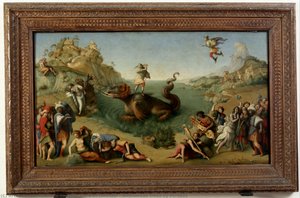
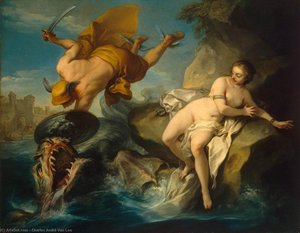
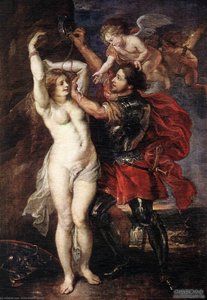
Piero di Cosimo’s “Perseus Frees Andromeda” isn't merely a depiction of a classical myth; it’s a vibrant, almost theatrical rendering of a timeless struggle between fate, heroism, and the enduring power of love. Painted in 1513, during the height of Florentine Renaissance artistic fervor, this work transcends its narrative roots to become a profound meditation on human agency within a world governed by divine forces. The scene unfolds with an arresting dynamism – Perseus, powerfully sculpted and radiating determination, wrestles with the monstrous Cetus, the sea monster sent as punishment for Cassiopeia’s vanity. The composition isn't static; it pulses with movement, conveyed through the swirling currents of the water, the straining muscles of the hero, and the terrified posture of Andromeda, her gaze fixed on a distant hope. Cosimo masterfully utilizes color – rich blues and greens dominate the turbulent sea, contrasting sharply with the warmer tones of Perseus’s armor and the earthy hues of the landscape – to heighten the drama and emphasize the pivotal moment.
Renaissance Vision: A Bridge Between Fantasy and Reality
Piero di Cosimo stands apart from his contemporaries not for adhering strictly to classical ideals, but for imbuing them with a distinctly imaginative spirit. He was a master of blending meticulous observation of nature – evident in the detailed rendering of the waves and the rugged coastline – with fantastical elements that were characteristic of Renaissance art. This is particularly striking in “Perseus Frees Andromeda.” The figures are rendered with an almost sculptural quality, reminiscent of Donatello’s bronze sculptures, yet they possess a heightened sense of emotion and drama. The background landscape, though idealized, feels grounded in reality, suggesting a connection to the natural world that was increasingly valued during this period. Cosimo's approach reflects the broader cultural shifts occurring in Florence – a burgeoning humanist thought combined with an artistic experimentation that sought to capture not just the appearance of things but also their underlying essence.
Symbolism and Narrative Depth
The painting is laden with symbolic meaning, extending far beyond the straightforward retelling of the myth. Andromeda represents vulnerability, beauty threatened by external forces – a potent symbol for women in Renaissance society. Her plight underscores the dangers of vanity and hubris, directly linked to Cassiopeia’s boastful claims of superior beauty. Perseus, conversely, embodies strength, courage, and divine intervention. His act of rescuing Andromeda isn't simply an heroic deed; it’s a triumph over fate itself. The presence of the severed head of Medusa, carried by Perseus, serves as a constant reminder of the monstrous forces he has overcome – a visual representation of the power of intellect and strategic thinking against brute force. The harp held by the figure in the foreground adds another layer of complexity, hinting at music’s role in soothing troubled souls and celebrating victory.
A Window into 16th-Century Florence
“Perseus Frees Andromeda” offers a fascinating glimpse into the artistic and cultural landscape of 16th-century Florence. Painted during a period of immense political and social change, it reflects the city’s growing confidence as a center of art and learning. The work's patronage likely stemmed from wealthy Florentine families who commissioned artwork to enhance their prestige and demonstrate their support for the arts. The painting’s meticulous detail and dramatic composition were hallmarks of Renaissance artistic style, reflecting a renewed interest in classical antiquity and a desire to capture the beauty and grandeur of the human experience. The work's inclusion within the Uffizi Gallery speaks volumes about its enduring value and significance as a masterpiece of Florentine art.
Recreating the Masterpiece: A High-Quality Reproduction
Today, reproductions of “Perseus Frees Andromeda” continue to captivate audiences with their dramatic intensity and artistic merit. When selecting a reproduction, consider the quality of materials used – archival inks on museum-quality canvas will ensure that the colors remain vibrant for generations to come. This artwork’s enduring appeal lies not only in its captivating narrative but also in its technical brilliance—a testament to Piero di Cosimo's skill as a painter and his profound understanding of human emotion and artistic expression.
関連作品
アーティストの略歴
ピエロ・ディ・コジモ(1462-1522):フィレンツェ・ルネサンスにおける幻想と写実の架け橋
イタリア、フィレンツェに1462年頃、ピエロ・ディ・ロレンツォ・バッティスタの名で生まれたピエロ・ディ・コジモは、鮮やかな色彩を放つフィレンツェ・ルネサンスという壮大なタペストリーの中に、ひときわ異彩を放つ存在として刻まれています。古典的な理想を厳格に守ろうとした当時の多くの画家たちとは異なり、コジモは豊かな想像力を備えていました。彼は自然への緻密な観察眼と、空想的な要素を自らの作品へと融合させたのです。この独特な調和こそが、彼をこの時代で最も革新的な画家の一人たらしめた所以といえるでしょう。彼の芸術的な歩みは、当時ヨーロッパ全体を再編しつつあった人文主義思想の勃興と芸術的実験の潮流の中で展開され、時代の文化的な変容をそのまま映し出していました。- 初期の生涯と修行:コジモの形成期に関する正確な伝記的事実は、今なお謎に包まれています。その断片的な情報は、主にヴァザーリの『芸術家列伝』に見られる記述に依拠しています。彼は、数々の才能ある芸術家を輩出した揺籃(ようらん)とも言える工房、名高い彫刻家であり画家でもあったアンドレア・デル・ヴェロッキオのもとで修行を積みました。この師との出会いによって、コジモはフレスコ画の技法や彫刻の技術に触れ、その後の芸術活動の礎となる基礎的な技能を形作っていったのです。
- 影響と芸術的様式:コジモの様式には、美しさと心理的な深みの両方を追求したボッティチェッリや、ヤン・ファン・エイクといった巨匠たちの深い影響が見て取れます。ボッティチェッリの優美な線描と空想的な人物像は、コジモの中にエレガンスと理想化された表現への嗜好を植え付けました。一方で、油彩画の達人であるファン・エイクの手法は、彼に繊細な色調の階調や質感の豊かさを探求する勇気を与えました。これらの影響が溶け合うことで、輝かしい色彩、繊細な筆致、そして神話的な物語と写実的な風景が見事に融合した、彼独自の芸術言語が誕生したのです。
名作と芸術的達成
コジモの全作品群は、彼の類まれなる才能と想像力豊かなヴィジョンを示す驚くべきコレクションで構成されています。その中でも最も称賛されている傑作の一つが、「ウルカヌスとアイオロス」です。この記念碑的な円形油彩画は、ゼウスの息子とポセイドンの神話的な対峙を描いており、緻密に構築された構図の中で劇的な感情を伝えるコジモの卓越した能力を証明しています。同様に、「眠れる幼子キリストを抱く聖母と洗礼者聖ヨハネ」は、細部への細やかなこだわりと、宗教的イコノグラフィー(図像学)に対する深い理解を体現しています。さらに、もう一つの円形の名作である「幼子への礼拝」には、初期ルネサンス美術の特徴である静謐な美しさと精神的な瞑想が宿っています。遺産と歴史的重要路
ピエロ・ディ・コジモがフィレンツェ絵画に果たした貢献は、単なる様式上の革新にとどまりません。彼は芸術史における極めて重要な転換点を象徴しています。厳格なアカデミックな慣習という制約を拒絶し、写実的な描写とともに想像力豊かな物語性を追求することで、コジモはラファエロやミケランジェロといった後世の芸術家たちが、新たな表現の可能性を切り拓くための道を切り開いたのです。幻想と写実の調和のとれた融合は、今なお見る者の心を捉えて離さず、ルネサンスの創造性と芸術的天才の不朽の象徴として、彼の地位を確固たるものにしています。彼は個々の傑作のみならず、ヨーロッパ美術のより広範な軌跡を形作った先駆者として、歴史にその名を刻み続けています。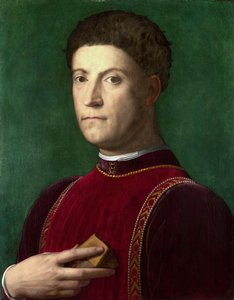
ピエロ・ディ・コジモ
1462 - 1522 , イタリア
基本情報
- Artistic Movement Or Style: ルネサンス美術
- Artists Who Influenced This Artist:
- ボッティチェリ
- ファン・デル・グース
- Date Of Birth: 1462年
- Full Name: ピエロ・ディ・ロレンツォ
- Nationality: イタリア人
- Notable Artworks:
- ウルカヌスとアイオロス
- 聖母子と眠れる幼子キリスト、幼い洗礼者ヨハネ
- 幼子への礼拝
- Place Of Birth: イタリア、フィレンツェ
関連記事

ジョット・ディ・ボンドーネ:至高の25選 - ルネサンスの夜明けを彩る傑作たち | ArtsDot
ジョット・ディ・ボンドーネの至高の25選。ルネサンス美術を牽引した巨匠の傑作と、その感動的な物語を紐解きます。高品質な絵画複製やインテリアアートで、名画の世界をあなたの空間に。ArtsDot.com でコレクションをご覧ください。
Echoes of Olympus: Mythological Narratives in Western Art Through the Ages
Explore the captivating history of mythological narratives in Western art! From ancient Greece to modern masterpieces, discover iconic artworks & symbolism. Expert analysis and high-quality reproductions at ArtsDot.
ヴェネツィア・ビエンナーレ厳選25作品:芸術と歴史が織りなす至高のコレクション | ArtsDot
ヴェネツィア・ビエンナーレの至宝25選。印象派から現代アートまで、名画の背景にある物語と芸術家の情熱を紐解きます。ArtsDotで、キャンバスアートや油絵複製をお楽しみください。今すぐコレクションをご覧ください。
Piero della Francesca: Renaissance Perspective, Divine Proportion & the Pursuit of Ideal Form
Explore the revolutionary art of Piero della Francesca – master of perspective, divine proportion & Renaissance humanism. Discover his iconic paintings & lasting influence on art history.
Proto-Renaissance Masters: 10 Artworks That Changed History | ArtsDot
Journey back to the dawn of Renaissance art! Explore 10 iconic Proto-Renaissance masterpieces by Giotto, Cimabue & Duccio. Discover their stories, techniques & lasting impact. Find museum-quality reproductions for your home at ArtsDot.com

